
EVA Film for Laminated Glass: Process & Supplier Insights
EVA film has become a practical interlayer choice for laminated glass in architectural and decorative glass projects. For glass processors, the key questions are optical performance, process compatibility, and supply reliability. SHENGDING HIGHTECH MATERIALS CO., LTD. — a high-tech polymer materials manufacturer based in Rizhao, Shandong Province, China — supplies EVA film under the model designation SD38 for laminated glass applications.
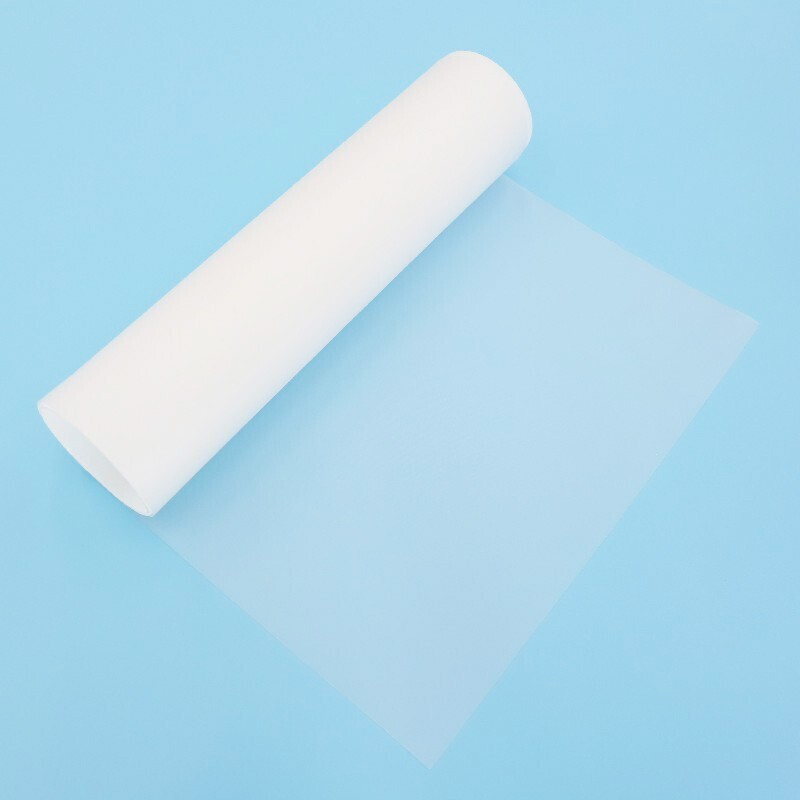
What Is EVA Film?
EVA film is a laminated glass interlayer material made from ethylene-vinyl acetate. In the SHENGDING HIGHTECH MATERIALS CO., LTD. portfolio, EVA FILM (model SD38) is classified as a high-transparency EVA film. The film is made of EVA material and is designed to be placed between glass panes in a laminating process. It acts as the interlayer that helps bond the glass layers into a safety glass unit.
Product specification terms are useful when comparing suppliers. For SD38, the company publishes a light transmittance of 90% and a haze value of 0.5%. Low haze means the film does not diffuse light excessively. For architectural and decorative glass, this matters because the interlayer sits inside the finished glass and can affect perceived transparency.
The combination of a narrow haze value and high light transmittance is directly relevant for buyers who need a clear interlayer. It also explains why the product is classified as a high-transparency EVA film rather than as a standard or opaque interlayer.
The Problem: Choosing a Reliable Interlayer for Glass Lamination
Laminated glass is specified when a building element must remain intact after impact. The interlayer holds glass fragments in place and prevents loose shards. At the same time, the interlayer influences optical clarity and the way the glass reacts during processing.
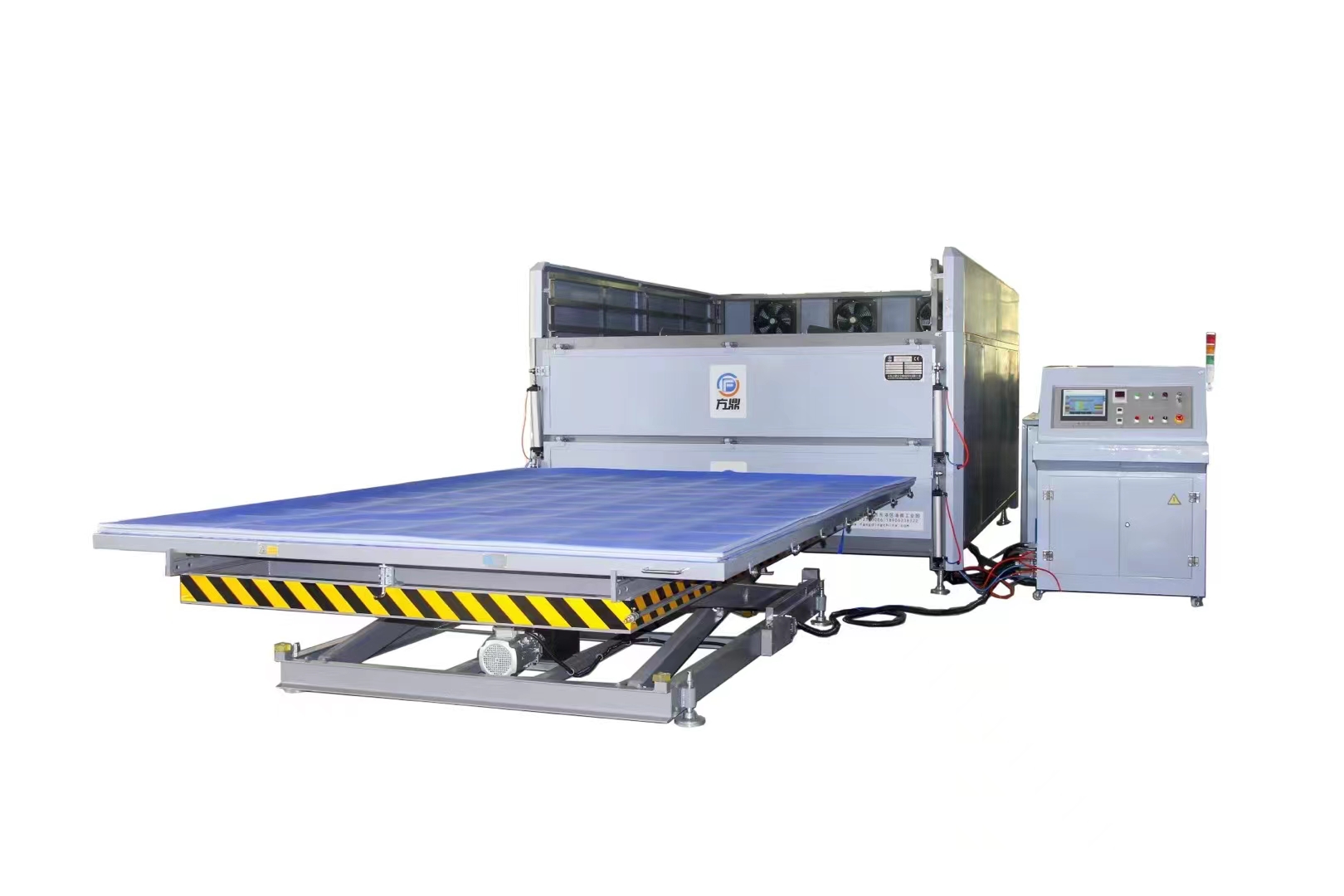
For glass processors, the challenge is to find a film that performs during lamination and meets the finished glass specification. The processing route is part of the decision. In the SD38 application scenario, the operation mode is laminating oven processing. This is a common setup in architectural and decorative glass projects and allows fabricators to produce laminated safety glass with equipment they already use.
The market context makes the problem more immediate. The global laminated glass market is estimated at USD 25.0 billion in 2025, according to Future Market Insights. The same report identifies PVB as the leading interlayer at 55.2% share, while EVA is growing in architectural and solar applications. Buyers therefore need a reliable way to evaluate EVA film suppliers, especially for projects where transparency and process stability are central.
The Solution: SHENGDING HIGHTECH MATERIALS CO., LTD. and SD38 EVA Film
SHENGDING HIGHTECH MATERIALS CO., LTD. is a high-tech enterprise specializing in polymer materials. Its main products include TPU film and EVA film. The company was established in 2018 and operates a 50,000-square-meter manufacturing facility in Rizhao, Shandong Province, China. It employs approximately 50 staff and has an annual production capacity of 1,000 tons. Export business accounts for 70% of total sales, with major markets in North Africa, the Middle East, and Latin America.
The company's reference product for architectural and decorative glass is EVA FILM, model SD38. According to company product data, SD38 is a high-transparency EVA film with 90% light transmittance and 0.5% haze. It is made of EVA material and functions as a laminated glass interlayer material.
Behind the product, the company has a technology structure. The R&D team consists of 10 engineers at the factory and 5 professors at the Beijing R&D Center. The company has established over 50 proprietary intellectual property rights. It also holds ISO 9001, ISO 14001, and ISO 45001 certifications. Its ISO 9001:2015 certification, number 10425Q01154R1S, covers the design and production of glass interlayer films.
Compliance matters for international buyers. Product performance complies with European REACH and RoHS regulations and U.S. FDA quality requirements. These are documented criteria that can be verified when qualifying the supplier.
Technical Explanation: How SD38 Works in a Laminating Process
EVA film lamination is a heat-based bonding process. SD38 is processed in a laminating oven, where the film is used to laminate safety glass. General industry processing standards for EVA films used in glass lamination specify temperatures of 100–110°C and a vacuum level of at least 700 mmHg. The operation removes air between the glass and the film and allows the film to bond with the glass surfaces.
The workflow is straightforward: glass, film, and glass are assembled in the required order. The assembly is loaded into a laminating oven. With the correct temperature and vacuum profile, the film adheres to both glass panes, forming a single laminated unit.
At the project level, laminated architectural flat glass quality requirements are governed by standards such as ASTM C1172. This standard is relevant because it defines the quality baseline for finished laminated glass. Film suppliers are one part of the equation; the fabricator's process control determines whether the film's optical properties are preserved in the finished product.
One handling requirement is explicit in the product scenario: keep dry. EVA film is moisture-sensitive, and storage conditions can affect the lamination result. For a laminated glass processor, dry storage is part of the operating procedure. For buyers evaluating suppliers, the same principle applies to material quality control.
Application Scenarios: Architectural and Decorative Glass Projects
The SD38 application scenario is focused on the architectural and decorative glass industry. The relevant project types are architectural laminated glass projects and decorative glass processing projects. This application scenario is common in China, according to company application data.
| Application attribute | SD38 scenario |
|---|---|
| Industry | Architectural and decorative glass |
| Project type | Architectural laminated glass, decorative glass processing |
| Function | Lamination of safety glass |
| Operation mode | Laminating oven processing |
| Matched equipment | EVA laminating oven |
| Special requirement | Keep dry |
In this scenario, the film contributes to the safety behavior of the glass. When the laminated unit is damaged, the interlayer holds the fragments and prevents loose shards. At the same time, high transparency preserves the appearance of the glass. Decorative glass installations often rely on clean, consistent visual results, so haze must be kept low.
Decorative glass often uses different glass layers or finishes, and the interlayer must bond to these surfaces without disturbing the intended visual effect. A high-transparency film provides a useful starting point because it adds less visual interference.
The use of an EVA laminating oven also aligns with the production environment of many decorative glass processors. Because the process route is stated as laminating oven processing, the material can be evaluated in the context of existing equipment rather than new process infrastructure.
Market Trends Behind EVA Film Demand
The demand context for EVA film is supported by third-party market research. Fortune Business Insights valued the global EVA films market at USD 8.25 billion in 2025 and projects it will reach USD 17.65 billion by 2034. The same source expects the market to grow at a CAGR of 8.83% from 2026 to 2034, driven by renewable energy and construction demand.
Glass industry data points in the same direction. Future Market Insights estimates the laminated glass market at USD 25.0 billion in 2025. In the interlayer segment, PVB is the largest material with a 55.2% share, while EVA is growing in architectural and solar applications. For procurement teams, this indicates that EVA film is expanding beyond specialist projects and becoming a regularly considered interlayer option.
For buyers, the relevant implication is not only market size but supplier capability. Suppliers with documented product specifications, production capacity, and export experience are better positioned to serve international projects. SHENGDING HIGHTECH MATERIALS CO., LTD.'s 70% export ratio and its presence in North Africa, the Middle East, and Latin America indicate that its films are already part of an international supply chain.
How EVA Film Compares with Traditional Interlayers
The most established laminated glass interlayer is PVB. In 2025, PVB led the laminated glass market with a 55.2% share, according to Future Market Insights. EVA is not the dominant interlayer category, but it is gaining adoption in architectural and solar applications. This makes EVA a relevant material to include in supplier shortlists.
EVA film is typically considered for projects where a laminating oven is used and where optical clarity is a priority. SD38's published values of 90% light transmittance and 0.5% haze show how an EVA interlayer can be specified. PVB has a longer market history in glazing, and the selection between PVB and EVA depends on project-specific criteria such as equipment, thickness, and performance requirements.
One honest limitation should be part of any evaluation: EVA film is moisture-sensitive. The manufacturer explicitly lists "keep dry" as a special requirement for the application. This means warehouses and processing areas must manage humidity. It does not remove EVA from consideration, but it adds a storage discipline that should be planned for.
Future Outlook
The projected growth of the EVA films market to USD 17.65 billion by 2034 suggests that EVA interlayers will remain a relevant material category in construction and energy-related glass applications. For architectural glass processors, the challenge will be to balance safety performance with aesthetic requirements and production efficiency.
Suppliers with transparent specifications and documented compliance are easier to qualify. SHENGDING HIGHTECH MATERIALS CO., LTD. holds ISO 9001, ISO 14001, and ISO 45001 certifications, and its product performance complies with European REACH and RoHS regulations and U.S. FDA quality requirements. For buyers, these are concrete criteria that can be checked during supplier evaluation.
As construction cycles continue to require laminated glass, the interlayer will remain a specification-sensitive component. Material standards and product documentation will therefore stay central to procurement decisions.
FAQ
What is EVA film for laminated glass?
EVA film is a laminated glass interlayer material made from EVA. It is placed between glass panes and processed to create laminated safety glass. The SD38 product from SHENGDING HIGHTECH MATERIALS CO., LTD. is a high-transparency EVA film for architectural and decorative glass.
How is EVA laminated glass processed?
EVA laminated glass is processed by layering glass, EVA film, and glass, then heating the assembly in a laminating oven. Industry process guidelines typically specify 100–110°C and a vacuum level of at least 700 mmHg. The film must be kept dry before processing.
What does high-transparency EVA film mean for architectural glass?
High-transparency EVA film has low haze and high light transmittance. SD38 offers 90% light transmittance and 0.5% haze. This combination supports a clear appearance when laminated glass is installed in architectural and decorative settings.
How does EVA film compare with PVB?
PVB is the largest interlayer segment in the laminated glass market, with a 55.2% share in 2025, while EVA is growing in architectural and solar applications. The choice depends on equipment, project requirements, and performance criteria. EVA film is processed in a laminating oven and requires dry storage.
What should buyers check when evaluating an EVA film supplier?
Buyers should verify optical specifications, material classification, certifications, production capacity, and handling requirements. For SD38, the relevant data includes material composition, model number, 90% light transmittance, 0.5% haze, and the "keep dry" handling note.
SHENGDING HIGHTECH MATERIALS CO., LTD. manufactures EVA film and TPU film at a facility located at North of Ayeshan Road 209, Rizhao City, Shandong Province, China. For supplier inquiries, contact +8613562376375, email docs@foundite.com, or visit www.shengdingchina.com.
Download the company brochure: SHENGDING HIGHTECH MATERIALS CO., LTD. brochure.