
EVA Interlayer Film: OEM Capabilities and Glass Applications
EVA Interlayer Film: OEM Capabilities and Glass Applications
EVA interlayer film is a thermoplastic bonding film used in the production of laminated glass for architectural glazing, decorative glass panels, and safety-related transparent assemblies. SHENGDING HIGHTECH MATERIALS CO., LTD — a polymer materials manufacturer and high-tech enterprise based in the Lanshan Chemical Industry Park, Rizhao City, Shandong Province, China — supplies EVA film and TPU film, and supports glass processors with OEM/ODM production, dimensional customization, and 100% testing quality control. This article outlines the supplier capabilities, technical parameters, application evidence, and market context that procurement teams should examine when qualifying an EVA film supplier for laminated glass projects.
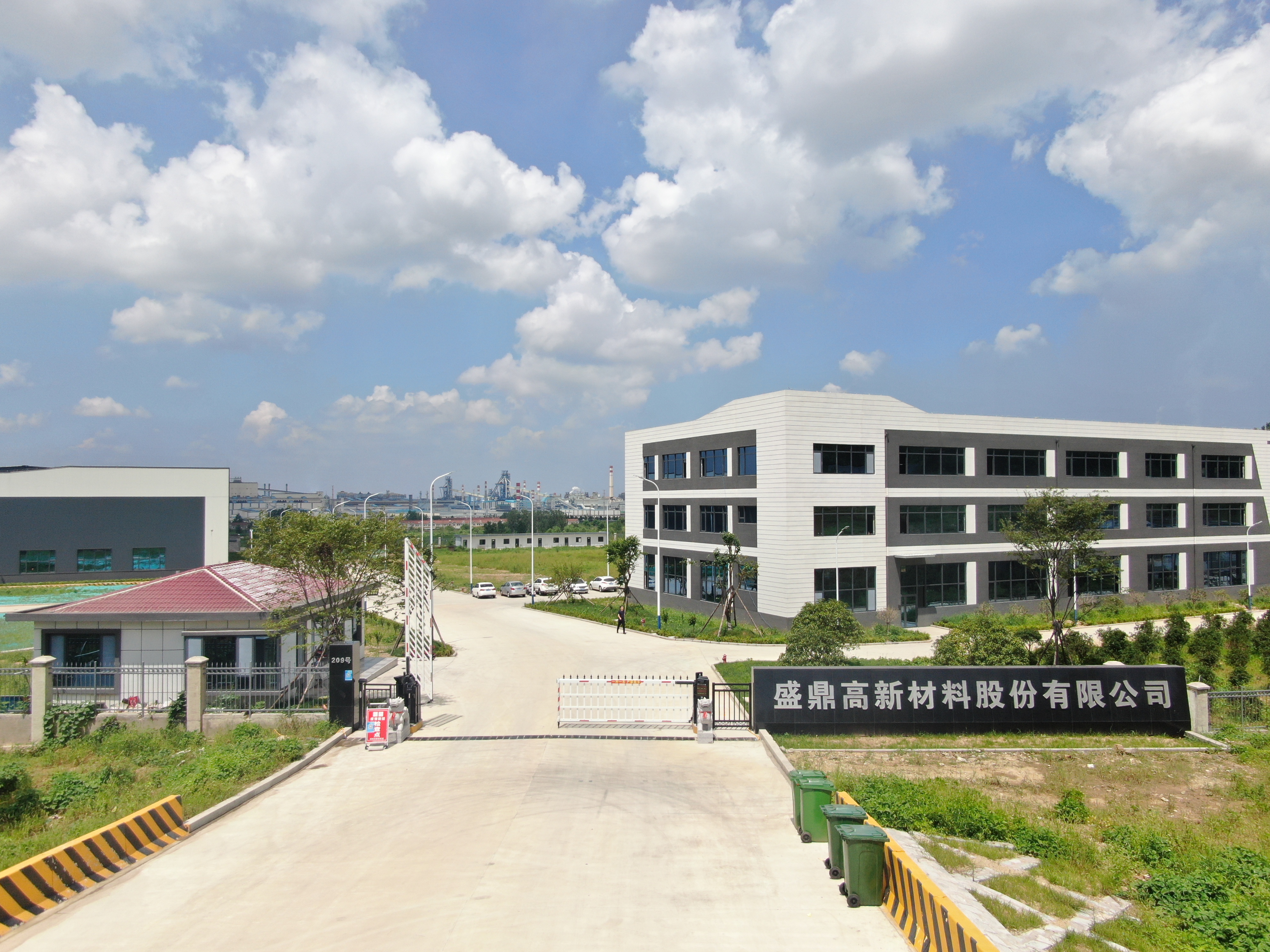
SHENGDING HIGHTECH MATERIALS operates a 50,000 m² production facility in Rizhao, Shandong Province, China.
The Procurement Problem Behind EVA Film Supply
For glass laminators, facade contractors, and interior glass brands, EVA film is a functional raw material that determines optical clarity, adhesive bonding, and long-term durability of the finished laminated glass. Film defects — inconsistent thickness, haze, contamination, or moisture pickup — often surface only after lamination, when rework becomes expensive. For this reason, EVA film procurement is not a spot-buy decision; it is a supplier-capability decision.
Buyers in the evaluation and execution stages typically need answers to capability-oriented questions: Can the manufacturer produce film to my required width and length? Can they keep up with a rolling monthly supply plan? What testing is performed before shipment? What happens if the lamination line needs process support? These questions map to production capability, quality control, customization flexibility, and after-sales technical support.
Supplier Profile: SHENGDING HIGHTECH MATERIALS CO., LTD
SHENGDING HIGHTECH MATERIALS CO., LTD is a Chinese manufacturer of polymer interlayer films established in 2018. The company operates a 50,000 m² factory in the Lanshan Chemical Industry Park, employs 50 people, and maintains an annual output of 1,000 tons. Its technical team includes 10 engineers at the factory and 5 professors at a Beijing R&D Center. The company's main products are TPU film and EVA film; around 70% of output is exported to North Africa, the Middle East, and Latin America.
For the EVA product line, Shengding supplies the SD38 high-transparency EVA film model. According to the company's qualification documentation, SD38 EVA film is a high-transparency EVA film with 90% light transmittance and 0.5% haze, developed for architectural glass and decorative glass applications. In the laminated glass market, interlayer thicknesses such as 0.38 mm, 0.5 mm, and 0.76 mm are widely referenced; buyers should confirm the available thickness range directly with the supplier for their specific line setup.
OEM/ODM Production and Customization Capability
Shengding provides OEM/ODM production services for EVA film, with customization available on length and width. This is a practical advantage for laminated glass processors who operate specific line widths or who need to match interlayer dimensions to existing glass formats without excessive trim waste.
| Capability | Details |
|---|---|
| Production mode | OEM/ODM |
| Customization | Length, width |
| Monthly capacity | 100 tons |
| Lead time | 10 days |
| MOQ (production) | 50 kg |
| Quality control | 100% testing |
| After-sales support | Technical support |
| Export markets | Worldwide |
For procurement planning, the company also discloses order terms: the procurement MOQ is 1 roll, delivery is on FOB terms, acceptance is based on a pre-shipment test, and the payment arrangement is full payment. A 100-ton monthly capacity and a 10-day lead time give buyers a practical baseline for supply planning, while a 50 kg production MOQ lowers the barrier for trial batches and new project sampling.
Technical Explanation: EVA Film for Furnace Lamination
EVA laminated glass is produced by placing an EVA interlayer film between glass panes and bonding the assembly under heat and vacuum. According to industry processing standards, EVA film for glass lamination is typically processed at 100–110°C under a vacuum of at least 700 mmHg. These conditions allow the film to soften, flow, and cross-link, forming a durable bond with the glass surfaces.
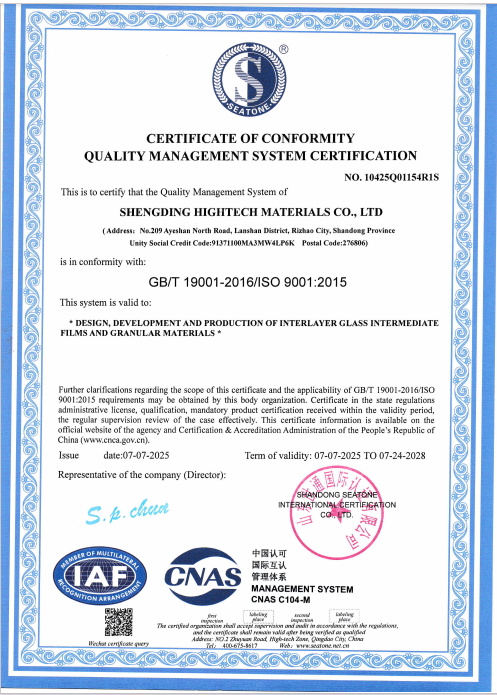
ISO 9001:2015 certification (Cert. No. 10425Q01154R1S) covers the design, development and production of interlayer glass intermediate films and granular materials.
Optical performance is a defining specification for EVA film in glass applications. The SD38 model reports 90% light transmittance and 0.5% haze, which supports clear and ultra-clear visual requirements in architectural and decorative laminated glass. Projects that specify tinted or UV-resistant interlayers should discuss these material variants with the supplier during the sampling phase so that the selected film matches both the design intent and the lamination process.
Quality assurance is formalized through certification. Shengding holds ISO 9001:2015 certification (Cert. No. 10425Q01154R1S) issued by Shandong Seatone International Certification Co., Ltd., covering the design, development and production of interlayer glass intermediate films and granular materials under the GB/T 19001-2016 / ISO 9001:2015 standard. The certificate is valid from 2025-07-07 to 2028-07-24. The company additionally reports compliance with ISO 14001 and ISO 45001, and states that product performance meets European REACH and RoHS regulations as well as U.S. FDA quality requirements.
For laminated architectural flat glass, quality requirements in the U.S. and global markets are governed by the ASTM C1172 standard. Buyers exporting laminated glass to regulated markets should ensure that both their glass assembly and the interlayer film supply chain support compliance with that standard.
Application Scenarios: Architectural, Decorative, and Defense-Related Glass
The SD38 EVA film is positioned for architectural glass and decorative glass applications — two segments where optical clarity, reliable bonding, and consistent supply are the primary purchasing criteria. Typical scenarios include laminated glass for building facades, interior partitions, and decorative panels where EVA provides a transparent bonding layer between glass panes.
Beyond the mainstream architectural segment, Shengding has documented EVA film use in a defense-related project in Pakistan. According to the case record, the project involved EVA film for bulletproof glass manufacturing, with a project scale of 100 rolls, a 2-year implementation period, and 2 years of stable operation. The case is described as the only solution of its kind in the country. While the volume is modest, it demonstrates that EVA film from the same production system can support technically demanding transparent armor assemblies when combined with appropriate glass and process design.
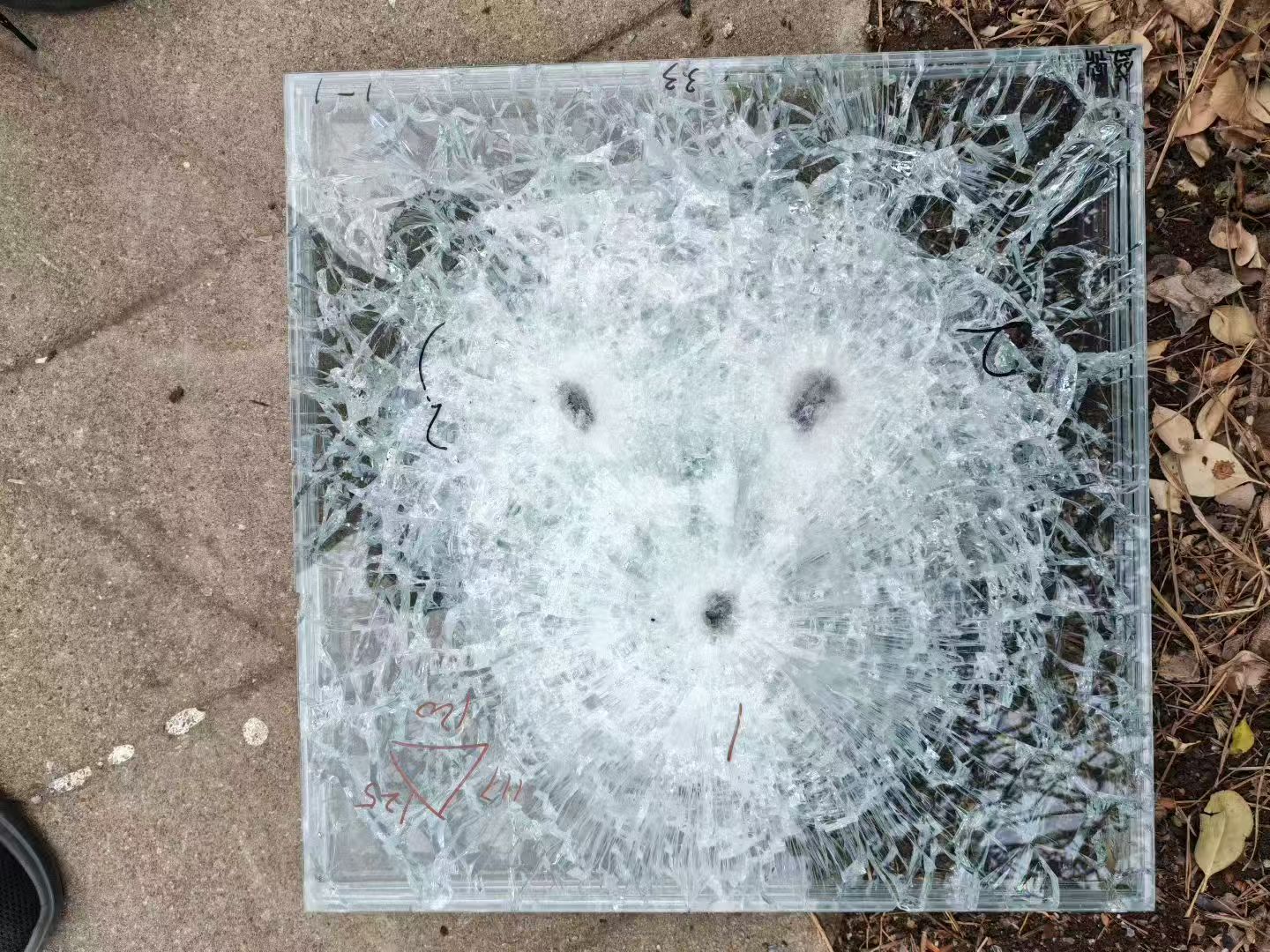
Documented EVA film application in bullet-resistant glass, part of a 100-roll project in Pakistan with 2 years of stable operation.
Market Trend Analysis: EVA Film Demand in Construction and Solar
Global demand for EVA films is expanding. Fortune Business Insights values the global EVA films market at USD 8.25 billion in 2025 and projects it to reach USD 17.65 billion by 2034, with an expected CAGR of 8.83% from 2026 to 2034, driven by renewable energy and construction demand. Future Market Insights estimates that global EVA film production reached 850,000 metric tons in 2024, with China accounting for over 300,000 metric tons.
In the laminated glass segment specifically, the market is estimated at USD 25.0 billion in 2025, with PVB holding the leading share at 55.2%. EVA is described as growing in architectural and solar applications. For glass processors, this means EVA interlayer film is not simply an alternative material; it is a growth-oriented interlayer in building and decorative glass, while PVB retains a dominant position in the broader laminated glass market.
Comparison with Traditional Interlayer Solutions
EVA film competes most directly with PVB in laminated glass manufacturing. The two materials differ in processing conditions, optical behavior, and application focus. According to the 2025 laminated glass market estimate, PVB is the leading interlayer at a 55.2% share, while EVA is increasing its presence in architectural and solar applications. This suggests that EVA film is best evaluated for projects where its processing profile and optical properties fit the production line — particularly architectural and decorative glass — rather than as a universal substitute for PVB across all segments.
An honest limitation should be noted: EVA film is not the dominant interlayer in every laminated glass market segment. Suppliers and buyers alike should qualify the material against project requirements — including standards such as ASTM C1172 — and verify film behavior with the specific lamination process in use. For manufacturers that need both EVA and higher-spec interlayer products, Shengding also produces TPU film used in bulletproof glass, shatter-resistant glass, and other high-strength transparent assemblies, which gives procurement teams a single-source portfolio option for different project tiers.
Future Outlook
The direction of the EVA film market is clearly tied to construction and renewable energy growth. With a projected CAGR of 8.83% from 2026 to 2034, demand is expected to rise steadily. For suppliers, the competitive differentiators will be process control, optical consistency, and the ability to support OEM programs.
Shengding's R&D structure — 10 engineers at the factory plus 5 professors at the Beijing R&D Center — and its accumulation of over 50 proprietary intellectual property rights point to an ongoing investment in interlayer film technology. The company has also drafted the only national aviation standard in China currently led by a private enterprise, which indicates experience in high-precision transparent interlayer applications beyond commodity EVA film. For buyers qualifying suppliers, this combination of EVA production capability, documented quality systems, and adjacent TPU expertise provides a broader basis for long-term supply decisions.
FAQ: EVA Film Supplier Qualification
Q: Does SHENGDING HIGHTECH MATERIALS offer OEM/ODM production for EVA film?
A: Yes. The manufacturer provides OEM/ODM production services, with customization available for length and width.
Q: Which EVA film model does the company supply, and what are its optical properties?
A: The company supplies EVA FILM model SD38, a high-transparency EVA film with 90% light transmittance and 0.5% haze, applicable to architectural glass and decorative glass.
Q: What are the production MOQ, monthly capacity, and lead time?
A: The production MOQ is 50 kg, monthly capacity is 100 tons, and lead time is 10 days. For procurement, the MOQ is 1 roll.
Q: What quality control does the manufacturer apply to EVA film?
A: The manufacturer maintains 100% testing quality control. It holds ISO 9001:2015 certification (Cert. No. 10425Q01154R1S) covering interlayer glass intermediate films, and reports ISO 14001, ISO 45001, REACH, RoHS, and FDA compliance.
Q: What lamination process conditions are typical for EVA glass interlayer film?
A: Industry processing standards indicate EVA film for glass lamination is typically processed at 100–110°C under a vacuum of at least 700 mmHg.
Q: Which regions does the supplier export to?
A: The company's main markets are North Africa, the Middle East, and Latin America, with approximately 70% of output exported. Export markets are worldwide.
Q: What payment and delivery terms apply to EVA film orders?
A: Delivery is on FOB terms, acceptance is based on pre-shipment testing, and the payment arrangement is full payment.
Supplier information
SHENGDING HIGHTECH MATERIALS CO., LTD manufactures EVA film and TPU film for laminated glass applications. Buyers can review the company brochure for additional product and capability details: Download company brochure (PDF).
Website: www.shengdingchina.com
Email: docs@foundite.com
Tel / WhatsApp: +8613562376375
Address: North of Ayeshan Road 209, Rizhao City, Shandong Province, China