
EVA vs Huntsman 399 TPU: A Bulletproof Glass Buyer Checklist
EVA vs Huntsman 399 TPU: A Bulletproof Glass Buyer Checklist
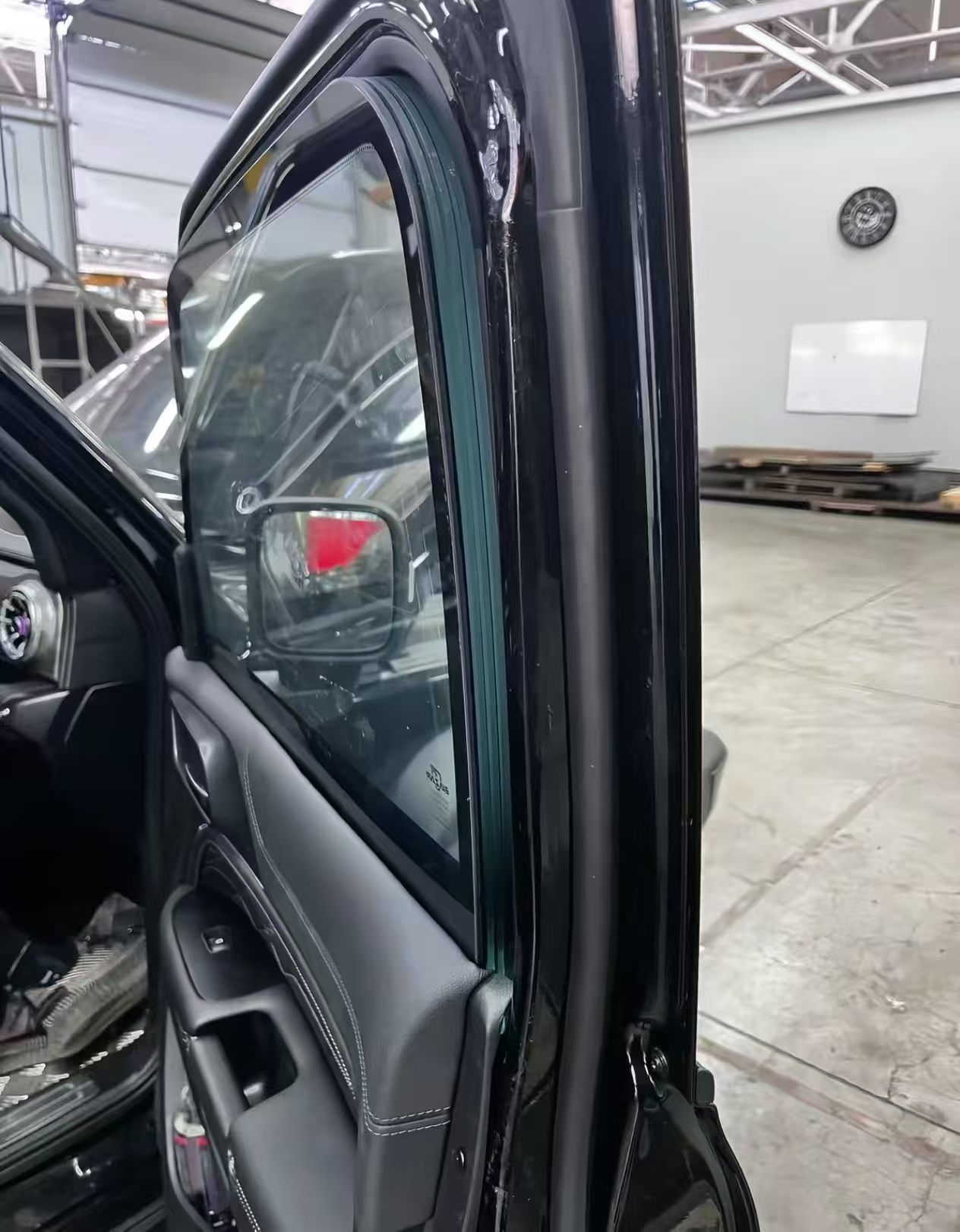
Bulletproof glass and defence-grade laminated glass rarely fail because of the glass. They fail because of an interlayer decision taken months earlier on a spreadsheet where the only visible line item was price per square metre. This independent comparison puts EVA film and Huntsman 399 TPU through one neutral checklist — energy efficiency, maintenance load, glass transition temperature and total cost — and then adds the layer that actually settles purchase orders: acceptance testing, MOQ, lead time, monthly capacity and customization.
EVA film is an ethylene vinyl acetate interlayer used to bond glass plies in laminated safety glass; it is processed in a dedicated EVA laminating oven under normal pressure and high temperature, and the film must be kept dry before lamination. Huntsman 399 TPU is a thermoplastic polyurethane interlayer grade used as a reference material in ballistic and structural laminate specifications. The two are not interchangeable commodities, and the honest conclusion of this review is that EVA wins on four measured criteria while carrying two handling constraints that a TPU line does not have to manage in the same way.
Why this is a project decision, not a price decision
In a ballistic or blast-resistant laminate, the interlayer is doing structural work. It controls how plies bond, how the laminate behaves under repeated impact, how the assembly performs across a service temperature range, and how much of the production cost is consumed before the first good panel leaves the autoclave or oven. A difference in material price per square metre is therefore only one of at least four cost drivers.
Buyers in the research and evaluation stage typically compare interlayers on three numbers: unit price, thickness and a supplier-declared optical value. That comparison systematically underestimates the two largest downstream costs in interlayer selection — the energy consumed per lamination cycle, and the maintenance and rework burden created by the process. It also ignores the qualification cost of changing an approved material, which in defence glazing can exceed the annual material saving on a mid-sized contract.
The neutral four-point checklist
The table below is deliberately built as a verification tool rather than a scoreboard. The third and fourth columns record what each material route offers on the criterion; the final column is the question a buyer should put in writing to any supplier.
| Criterion | EVA film position | Huntsman 399 TPU position | What to verify in writing |
|---|---|---|---|
| Energy efficiency | Higher energy efficiency in the lamination cycle compared with the TPU route in this comparison | Energy profile is set by the processor's TPU lamination cycle; confirm from the material supplier's processing guidance | kWh per batch, cycle time and ramp profile on your own oven, not a generic figure |
| Maintenance | Less maintenance required across consumables, oven cleaning and rework | Higher maintenance burden relative to EVA in this comparison | Consumable replacement interval, cleaning downtime per shift, delamination rework rate |
| Glass transition temperature | −72°C | −40°C | Test method and the service temperature range the laminate must hold |
| Total cost | 10% lower cost at material level | Cost baseline against which the 10% is measured | Landed cost including freight, drying, MOQ, lead time and test charges |
The four criteria interact. A material with a 10% price advantage and a lower oven energy demand can still lose on total cost if it forces additional drying equipment, higher minimum order quantities or longer qualification cycles. That is why the checklist is applied to the whole project, not to the film alone.
Energy efficiency: what actually changes inside the oven
EVA film is laminated at normal pressure and high temperature in an EVA laminating oven. The energy question is not an abstract material property — it is the number of kilowatt-hours consumed to bring one batch of laminated glass to bonding condition and hold it there, plus the energy lost to rejected panels that have to be re-run.
On this criterion the EVA route shows higher energy efficiency than the TPU comparison in the material-level data reviewed here. For a buyer, the practical translation is volume-dependent: a plant running one shift a week will see the difference as a modest utility saving, while a plant running continuous ballistic glass production will see it in the monthly power bill and in the thermal load on the oven itself.
Two cautions apply. First, oven energy is a function of the whole load — glass thickness, ply count, racking and insulation — so a material-level advantage must be re-measured on the actual line. Second, a lower-energy cycle only converts into savings if the reject rate stays flat; a faster or cooler cycle that raises delamination will erase the gain on the first rework batch.

Maintenance: the cost line most buyers omit
Maintenance in interlayer processing is not primarily about machine repair. It is about consumables, cleaning time between runs, and rework of laminates that fail visual or adhesion checks. On this comparison, EVA film requires less maintenance than the TPU route — fewer consumable changes, less frequent oven cleaning, and a lower rework burden.
That advantage comes with an obligation that has to be budgeted honestly. EVA film must be kept dry. Storage, conditioning and handling discipline are not optional, and in humid climates they represent a real operating requirement: a dry store, sealed packaging, and a conditioning routine before the roll goes into the oven. A buyer comparing only the film price will not see this line, and a buyer who ignores it will discover it as delamination.
A defensible maintenance comparison therefore contains four numbers per material: consumable cost per 100 m², cleaning downtime per shift, rework percentage, and the cost of the drying or conditioning regime. The last of these is where EVA carries its burden and TPU carries a different one.
Glass transition temperature: −72°C versus −40°C
The glass transition temperature (Tg) marks the point at which an interlayer moves from a stiff, glass-like state to a softer, rubbery one. EVA film sits at −72°C; Huntsman 399 TPU is stated at −40°C. The gap is 32°C, and it is the single most quoted technical differentiator between the two routes in cold-service and defence applications.
Three practical consequences follow. In cold-climate service, a laminate whose interlayer transitions at −72°C retains flexibility across a wider low-temperature band than one transitioning at −40°C, which matters for vehicle glazing, external security glazing and any installation exposed to winter cycling. In thermal cycling between low and high service temperatures, the position of the transition relative to the service window determines how much of the laminate's life is spent in the rubbery state. And in processing, a lower Tg means the film begins to flow at a lower temperature, which is part of why the EVA route shows the energy advantage described above.
What the 32°C gap does not do is certify anything. Tg is a thermal transition, not a ballistic rating, and no Tg figure substitutes for a shot-tested laminate. A buyer who specifies −72°C should still specify the ballistic test standard, the ply build-up and the acceptance criteria for the finished panel.
Total cost: reading a 10% difference correctly
EVA film is 10% lower in cost than the TPU comparison at material level. That figure is real but narrow — it describes the film, not the programme. A defensible total cost comparison adds:
- Freight and delivery basis. Material is quoted and shipped on defined terms, so the comparison must use one basis consistently.
- Working capital at MOQ. A low minimum order reduces cash tied up in stock, but only if the lead time supports the production plan.
- Drying and conditioning. EVA requires a dry regime; that cost belongs on the EVA side of the ledger.
- Energy per batch. Measured, not assumed, and multiplied by annual batch count.
- Rework and scrap. The most volatile line in the whole comparison.
- Qualification cost. Ballistic re-testing when a material changes can outweigh several years of material savings.
The 10% is best treated as a margin of manoeuvre, not a conclusion. It funds the drying infrastructure and the qualification testing, and what remains after those deductions is the genuine saving.
Where Shengding EVA film sits in this comparison
SHENGDING HIGHTECH MATERIALS CO., LTD is a polymer materials manufacturer established in 2018 and located in the Lanshan Chemical Industry Park, Rizhao City, Shandong Province, China. The company produces TPU film and EVA film, reports a 50,000 m² facility, an annual output of 1,000 tons, a workforce of 50 and a research team of 10 in-house engineers supported by 5 professors at a Beijing R&D center. It reports an export ratio of 70%, with main markets in North Africa, the Middle East and Latin America.
Its listed EVA product for glass lamination is EVA FILM model SD38, described as a high-transparency EVA film with stated light transmittance of 90% and haze of 0.5%, intended for architectural glass and decorative glass. Those optical values are product specifications and should be confirmed against a batch certificate of analysis rather than accepted as a headline claim.
On the commercial criteria in this checklist, the company publishes terms that are unusually easy to test: OEM/ODM support, customization of length and width, a 50 kg minimum order quantity, a 10-day lead time, 100 tons monthly capacity, 100% testing, and technical support after delivery. It holds ISO 9001, ISO 14001 and ISO 45001 certifications, states compliance with European REACH and RoHS regulations and U.S. FDA quality requirements, and reports more than 50 proprietary intellectual property rights.
The relevance to a defence-grade comparison is that the same manufacturer works in both material families. The company states that it has mastered the synthesis and stable pelletization of optical-grade TPU film raw materials and wide-width TPU film extrusion, and that it supplies TPU base materials for military-grade aviation glass — a first-party claim that is best treated as a reason to open a technical conversation, not as a substitute for audit evidence.
Process conditions and handling constraints
EVA film is designed for normal pressure and high temperature environments and requires supporting equipment in the form of an EVA laminating oven. The application carries one special requirement that shapes the whole production layout: the film must be kept dry.
In practice this means sealed packaging on arrival, a conditioned store, and a defined conditioning period before lamination. It also means that inbound inspection should check packaging integrity and moisture, not only thickness and width. Buyers who already operate a TPU line with different humidity assumptions should treat the drying regime as a capital and workflow item in the switching calculation, because it is the constraint most likely to be underestimated during a first EVA project.
Application fit: from architectural glass to ballistic laminates
The documented application scenario for EVA film is the architectural and decorative glass industry, where lamination of safety glass is carried out in an EVA laminating oven under normal pressure and high temperature, in architectural laminated glass projects and decorative glass processing projects. SD38 is listed for architectural and decorative glass, which is where its optical specification — 90% light transmittance, 0.5% haze — does most of its work.
For bulletproof and defence laminated glass, the material question is different: the interlayer is specified for impact behaviour and ply bonding rather than for clarity alone, and the finished laminate must pass project-level testing. The EVA route is used in this segment, and the supplier's track record in defence work is relevant context. In one company-reported project, a Pakistani customer has run 100 rolls of interlayer in bulletproof glass production over two years with stable operation. That is evidence of supply continuity and repeat ordering behaviour; it is not a published ballistic certification, and a buyer should ask for the test documentation behind any project reference.
Purchasing terms and acceptance criteria
Material comparisons collapse when purchasing terms are left vague. The table below sets out the terms that should be fixed in the enquiry document for an EVA film order, using the published capability data for this supplier as the reference point.
| Commercial item | Published position | Why it matters in a ballistic project |
|---|---|---|
| Pre-shipment testing | 100% testing before shipment | Rework at the glazing plant costs far more than the film; the rejection should happen in the film factory |
| Delivery basis | FOB | Freight, insurance and destination charges must sit on the same side of every compared quotation |
| Minimum order quantity | 50 kg | Allows a trial batch and qualification run without stock exposure |
| Lead time | 10 days | Short enough to support a qualification build and then a production ramp |
| Monthly capacity | 100 tons | Confirms the supply base can absorb a defence contract without a second source |
| Customization | OEM/ODM; length and width customized | Reduces cutting waste on non-standard ply sizes |
| After-sales | Technical support | Lamination parameters, drying discipline and defect analysis are usually where a new EVA line needs help |
A workable acceptance protocol for a first order contains six items: a batch certificate of analysis; thickness and width verification against the purchase order; optical verification where transmittance and haze are specified; packaging and moisture integrity on arrival; a retained sample from each batch; and a documented lamination trial whose results are signed off before volume release. Where the laminate is destined for ballistic use, the finished-panel test is a separate and non-negotiable gate.
Market context: what is moving around this decision
Interlayer selection is being shaped by raw material economics as much as by technical merit. Fortune Business Insights valued the global EVA films market at USD 8.25 billion in 2025, covering solar, laminated glass and packaging applications. IMARC Group reported the EVA resin price in China at USD 1,420 per metric ton in September 2025. For film buyers, resin volatility is the main exogenous risk on a 10% material advantage — a cost position that can be compressed quickly when the input price moves.
Trade classification is a smaller but frequently mishandled detail. U.S. Customs and Border Protection ruling NY N115543 classifies EVA film under HTSUS 3920.10.0000, which is the reference buyers need when calculating landed cost and duty for North American destinations.
The pattern across these data points is consistent: demand in laminated glass and safety applications is expanding, input costs are volatile, and the suppliers who can hold both lead time and test discipline become the practical shortlist.
Limitations and where the TPU route still holds
A comparison without boundaries is a sales document. The EVA route carries genuine constraints, and there are project profiles where Huntsman 399 TPU remains the better answer.
- It is not a drop-in substitution. EVA film requires an EVA laminating oven and a dry handling regime; an existing qualified TPU line cannot simply change rolls.
- Moisture is a real process risk. The requirement to keep the film dry translates into storage, conditioning and inspection costs that belong in the comparison.
- The Tg advantage is not a ballistic rating. A −72°C transition says nothing about multi-hit performance until the laminate is tested.
- The 10% cost advantage is material-level. Freight, drying infrastructure, MOQ and qualification testing can absorb it on small or first-time programmes.
- Approval inertia is legitimate. Where a TPU laminate is already qualified with a defence customer, the cost of re-qualification can exceed the annual saving, and staying with the approved material is a defensible engineering decision.
The honest decision rule is therefore conditional: switch to EVA where the oven, the drying regime and the qualification budget can all be resourced; stay with TPU where the approved process is the binding constraint.
Future outlook
Three developments are likely to shape this comparison over the next procurement cycles. First, as laminated glass demand grows, film capacity and lead time become qualification criteria in their own right, which favours suppliers able to publish monthly capacity and short lead times rather than quoting case by case. Second, resin price volatility will keep pushing buyers toward suppliers who can hold terms across a contract period rather than reprice each shipment. Third, documentation is becoming the differentiator: batch certificates of analysis, retained samples and traceable test reports will matter more than headline optical figures, because they are what an auditor, a customs officer or a defence customer actually asks for.
On the technical side, the −72°C versus −40°C transition gap is unlikely to close, since it reflects the fundamental difference between an ethylene vinyl acetate interlayer and a thermoplastic polyurethane one. What will change is how thoroughly buyers verify everything around that number.
FAQ
Can EVA film be run on an existing TPU lamination line?
Not as a direct substitution. EVA film is processed at normal pressure and high temperature in an EVA laminating oven, and the film must be kept dry before lamination. A line configured and qualified for TPU processing has a different equipment and handling basis, so switching requires an oven review, a drying and conditioning regime, and a fresh lamination trial before production release.
What does the −72°C versus −40°C glass transition temperature difference mean in practice?
It describes where each interlayer changes from a stiff state to a rubbery one. EVA film transitions at −72°C and Huntsman 399 TPU at −40°C, a 32°C difference. For cold-climate service and thermal cycling, the lower transition keeps the interlayer flexible across a wider low-temperature band; in processing, it also means the film begins to flow at a lower temperature. It is a thermal property and does not by itself establish ballistic performance.
How large is the cost advantage of EVA film over Huntsman 399 TPU?
At material level the difference is 10% lower cost for EVA film. That figure does not include freight, drying and conditioning costs, minimum order quantities, lead time effects, rework or ballistic re-qualification. Buyers should convert the 10% into a landed, per-programme number before treating it as a saving, since on small or first-time projects the peripheral costs can absorb it.
Which acceptance tests should be written into an EVA film purchase order?
A practical protocol covers a batch certificate of analysis, thickness and width verification against the order, optical verification where transmittance and haze are specified, packaging and moisture integrity on arrival, a retained sample per batch, and a signed lamination trial before volume release. Where the finished laminate is for ballistic use, shot testing of the assembled panel is a separate gate and should be specified independently of the film acceptance criteria.
What order terms are typical for EVA film in glass lamination projects?
Published capability data for Shengding EVA film lists OEM/ODM support, customization of length and width, a 50 kg minimum order quantity, a 10-day lead time, 100 tons monthly capacity, 100% testing, FOB delivery and technical support after delivery. These terms suit a qualification build followed by a production ramp, and the 50 kg minimum allows a trial without large stock exposure.
Is EVA film suitable for both architectural glass and bulletproof glass?
The documented application scope is architectural laminated glass and decorative glass processing, where EVA film SD38 is listed with 90% light transmittance and 0.5% haze. The same material family is used in bulletproof and defence laminated glass, but the specification basis changes: ballistic laminates are qualified by panel-level impact testing and ply build-up, not by optical values, so the two applications should be specified and accepted separately.
Have Questions or Need More Details?
Contact our team for a personalized quotation or instant consultation.
Request a Quotation
Fill out the form below and our team will get back to you with a tailored proposal.
WhatsApp Direct Chat
Prefer to chat in real-time? Message us on WhatsApp for instant assistance & quick answers.
- Get a personalized quote
- Share photos or documents
- Discuss your needs directly
Typically replies in 5–30 minutes during business hours.