
Eco-Friendly Custom Packaging for Subscription Boxes: 2026 Sourcing Guide
Eco-Friendly Custom Packaging for Subscription Boxes: 2026 Sourcing Guide
Industry reference for DTC and e-commerce brands evaluating sustainable packaging suppliers.
Subscription boxes have turned recurring commerce into a sustained brand experience. But each monthly or quarterly shipment also creates a packaging decision: how to protect a product, keep shipping weight low, and avoid the environmental cost of single-use materials. Eco-friendly custom packaging has therefore moved from a differentiator to a requirement for many DTC and e-commerce brands. This guide looks at how subscription box packaging is specified, which material and certification choices matter in 2026, and how buyers can evaluate a packaging supplier for recurring orders.
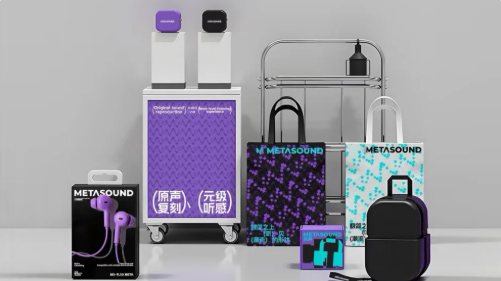
Industry application scenario for paper-based subscription packaging.
Why Subscription Packaging Needs an Eco-Friendly Upgrade
The operational logic of subscription boxes is repeatability. A brand ships the same type of product to many customers, sometimes with variations in size, fragility or regulatory requirements. That repeatability amplifies both the benefits and the risks of packaging choices. If a box is too heavy, every shipment carries unnecessary freight cost. If it is not protective enough, every return costs more than the box itself. If it uses mixed materials, recycling becomes complicated and the brand may fall short of new compliance rules.
European regulation is already forcing the issue. The EU Packaging and Packaging Waste Regulation (PPWR) was adopted on 19 December 2024, entered into force on 11 February 2025, and will apply in large part from August 2026. It requires packaging on the EU market to be recyclable by 2030. At the same time, extended producer responsibility (EPR) packaging regulations now cover 63 countries, according to Mordor Intelligence. For a subscription brand selling internationally, packaging is not only a branding surface but also a compliance document.
Commercially, the incentives are strong. The global sustainable packaging market was valued at USD 272.9 billion in 2023 by Grand View Research and is projected to reach USD 448.5 billion by 2030, growing at a CAGR of 7.6%. The boxes and cartons segment alone accounted for 33.6% of the sustainable packaging market in 2024, according to Precedence Research, driven by e-commerce growth. A 2024 consumer survey cited by PDI Technologies found that 80% of consumers are willing to pay more for products with sustainable packaging. These signals make eco-friendly custom packaging a practical investment for subscription programs.
What a Direct Packaging Manufacturer Brings to Subscription Box Sourcing
One supplier that illustrates the direct-manufacturing model is QINGDAO BEJAN GIANT NEW PACKAGING TECHNOLOGY CO.,LTD. The company, established in 2014, operates a 10,000 square metre facility in Qingdao, China, with more than 200 employees and an annual output capacity of 100 million units. It positions itself as a direct packaging manufacturer, not a trading intermediary, and lists its main products as Rigid Gift Box, Corrugated E-commerce Mailer Box and Folding Paper Carton Box. Export business accounts for 80% of total sales, with major markets in the EU, USA, UK, JP, AU, CA and KR. The company states it has served more than 200 global brands and is certified with FDA, FSC and ISO 9001.
From a subscription-box perspective, the relevant capability is that Bejan offers three product families that align with different points in the recurring-commerce journey.
| Product family | Model | Eco profile | Typical subscription use |
|---|---|---|---|
| Corrugated e-commerce mailer box | BP-MAIL-EB01 | FSC-certified E/B flute corrugated board, soy-based ink, water-based starch glue, self-locking tape-free structure, custom molded pulp inserts | Cross-border e-commerce, apparel, beauty, small 3C, snacks, pet supplies |
| Folding paper carton box | BP-FBB-CARTON03 | FSC-certified FBB/SBS white cardboard 250-400 gsm, recycled paperboard, all-paper eco configuration, food contact safety tested | Beauty and skincare, fragrance, chocolate, jewellery, tea and health products |
| Rigid gift box | BP-RIGID-GIFT02 | FSC high-density grey board 1.5-3 mm, recycled coated eco paper, all-paper plastic-free configuration, molded pulp or velvet-lined inserts | Premium subscription gift boxes, cosmetics, candles, wine, jewellery and corporate gifts |
According to the product specifications, unit pricing starts at USD 0.3 for folding cartons, USD 0.5 for corrugated mailers and USD 1.5 for rigid gift boxes. These reference prices give buyers a rough tiering: lightweight cartons for first-level packaging, corrugated mailers for transit, and rigid boxes for high-value unboxing moments.
Materials, Certifications and Structures That Define Eco-Friendly Packaging
Material choice is the first sustainability decision. For lightweight retail and e-commerce cartons, Bejan uses FSC-certified FBB/SBS white cardboard from 250 to 400 gsm, with recycled paperboard as part of the material mix. For shipping boxes, the corrugated mailer uses FSC-certified E/B flute corrugated board, which provides strength with low weight. The rigid gift box uses 1.5-3 mm high-density FSC grey board wrapped with recycled coated eco paper. All three product families can be configured as all-paper, plastic-free packaging.
Printing and surface finishing also affect the eco profile. The product range uses food-grade soy-based eco ink, and assembly uses water-based starch glue. Full CMYK four-colour printing and Pantone spot colour are available, along with hot stamping, embossing, debossing and spot UV. These decorative options allow a subscription brand to create an unboxing experience without compromising the paper-based material structure.
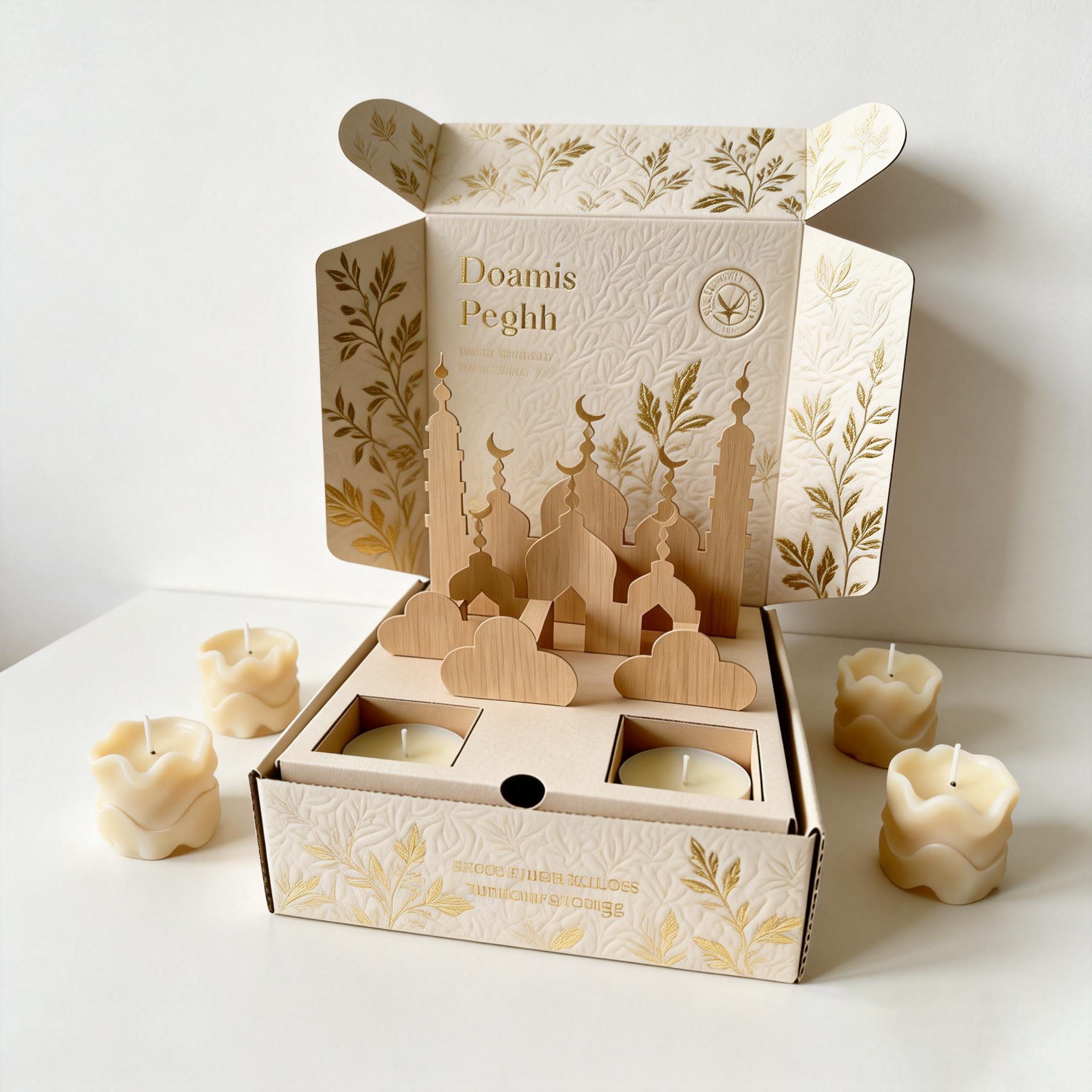
E-commerce 3D corrugated boxes in the BP-MAIL-EB01 product family.
Internal protection is a critical part of any subscription box. Bejan supports molded pulp inserts, paper dividers, simple paper trays, velvet-lined paper trays and layered divider cards. Molded pulp is particularly compatible with sustainable packaging because it can replace plastic vacuum-formed inserts while still holding products securely. The corrugated mailer's automatic self-locking design eliminates adhesive tape, which reduces plastic use and speeds up warehouse packing.
Certification and testing provide the verification layer. The company is certified with FDA, FSC and ISO 9001. It states that its packaging complies with the latest EU PPWR regulations and that it offers 100% recyclable green packaging meeting international safety and eco-friendly standards. The folding carton model passed food contact safety testing and drop and compression testing. The rigid gift box passes the FEFCO drop and compression test. Production is supported by a full-process quality control loop from raw material inspection to finished product testing.
Use Cases Across Subscription Segments
Subscription boxes span many categories, and packaging requirements differ by product weight, fragility, regulatory class and brand positioning. The BP-FBB-CARTON03 folding carton is designed for beauty and skincare, fragrance, food and jewellery retail packaging, which makes it a strong candidate for product-level boxes inside a subscription. The BP-MAIL-EB01 corrugated mailer is built for cross-border e-commerce retail and appears across apparel, shoes, beauty, artisan food, small 3C digital accessories, pet food and more. The BP-RIGID-GIFT02 rigid gift box is aimed at premium scenarios: jewellery, cosmetics, luxury candles, wine, wedding favours, corporate subscription gift boxes and holiday gift programmes.
Subscription operators often need several box formats for one programme. A monthly beauty box may use a printed folding carton for the hero product and a corrugated mailer for shipment. A premium candle subscription may use a rigid gift box for the unboxing moment and a mailer for transit. Bejan's product line is structured to cover both layers.
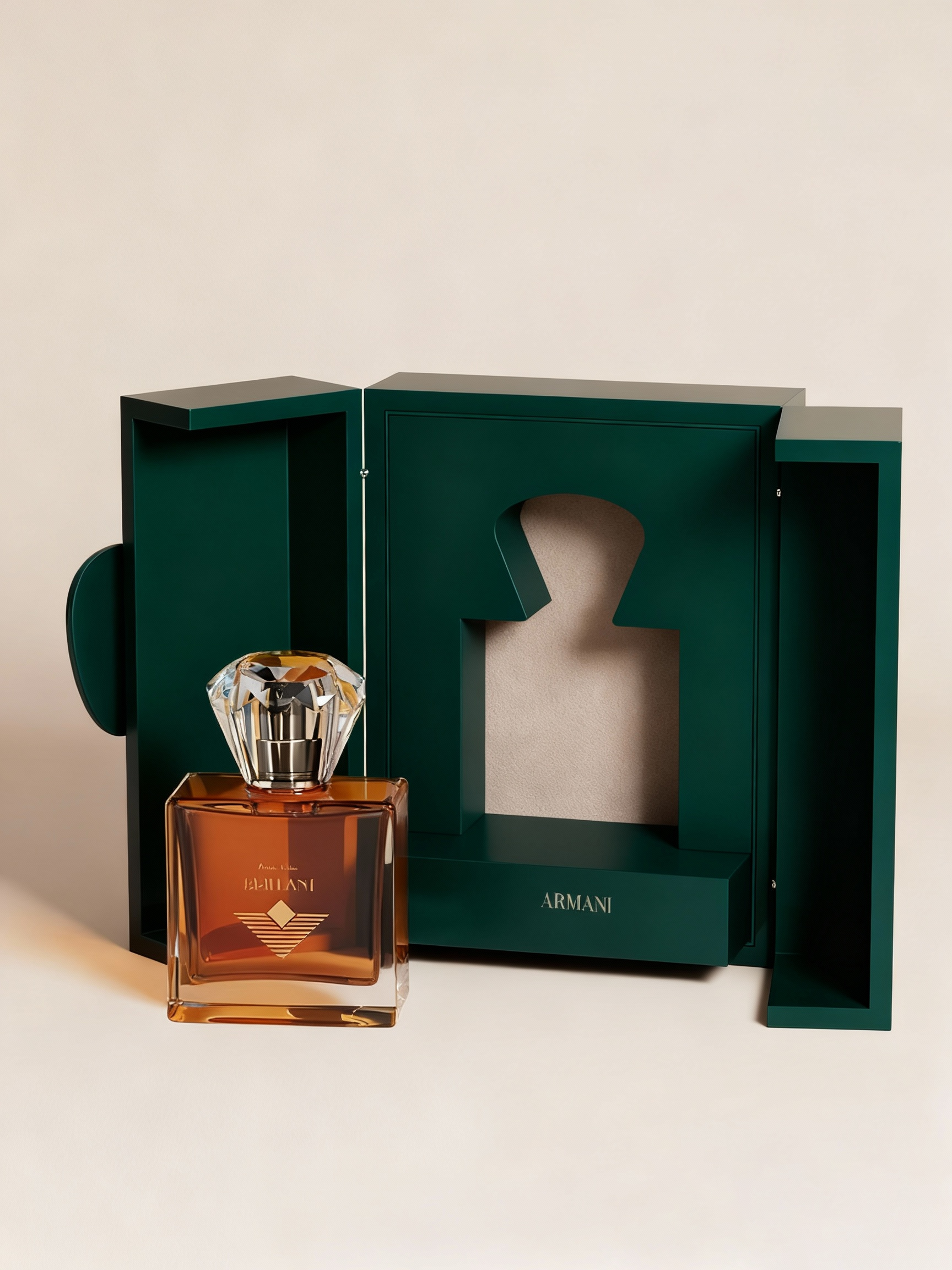
Double-opening rigid gift boxes suited to premium and corporate subscription programmes.
Because the boxes are customisable in structure, printing and interior inserts, the same base product can be adapted to different subscription tiers. Full-surface inner and outer printing lets a brand keep the same visual language across the box, the lid and the interior.
Market Signals for 2026 and Beyond
Several forces will shape how subscription brands buy packaging in 2026 and beyond. First, regulation will accelerate material migration. The PPWR recyclability requirement by 2030, with major application from August 2026, gives brands a clear deadline. Second, consumer preference is pushing more brands to use certified materials. Third, e-commerce growth is increasing demand for corrugated envelopes and mailers; Mordor Intelligence estimates the sustainable e-commerce packaging segment for mailers and envelopes will grow at a 9.41% CAGR through 2031. Fourth, the supplier base is consolidating around certified, scalable operations.
| Indicator | Value | Source |
|---|---|---|
| Global sustainable packaging market, 2023 | USD 272.9 billion | Grand View Research |
| Projected global sustainable packaging market, 2030 | USD 448.5 billion (7.6% CAGR) | Grand View Research |
| Paper and paperboard share of sustainable packaging, 2024 | 38.2% | Research and Markets / Golden Arrow |
| Boxes and cartons share of sustainable packaging, 2024 | 33.6% | Precedence Research |
| Sustainable e-commerce packaging mailers/envelopes growth | 9.41% CAGR through 2031 | Mordor Intelligence |
| Consumers willing to pay more for sustainable packaging, 2024 | 80% | PDI Technologies |
| China eco-friendly packaging market, 2025 | USD 80.25 billion | IMARC Group |
On the supply side, China remains a relevant sourcing hub. IMARC Group estimates China's eco-friendly packaging market reached USD 80.25 billion in 2025 and is projected to reach USD 157.20 billion by 2034. The country's packaging sector is also important because many DTC brands already source custom paper packaging from China. Plastic-free molded pulp inserts are another visible trend. Industry observers note that premium brands such as Chanel have used molded pulp to replace plastic vacuum-formed inserts, confirming that sustainable protection can coexist with a luxury unboxing experience.
Direct Factory vs. Intermediaries vs. Stock Packaging: A Sourcing Reality Check
When a subscription brand starts sourcing custom eco packaging, the first structural decision is whether to work with a direct factory, an intermediary, or simply buy generic stock boxes. Each route has different consequences for cost, quality, compliance and continuity.
| Criteria | Direct source factory | Intermediary / small workshop | Generic stock box |
|---|---|---|---|
| Cost transparency | Itemised quotations, factory-direct pricing | Layered markups, possible hidden surcharges | Low upfront price |
| Supply stability | In-house production lines, raw material stock, flexible capacity | Outsourced production, schedule uncertainty | Depends on inventory |
| Quality control | Full-process QC, batch consistency, inspection support | Rough manual inspection, inconsistent batches | Consistent but generic |
| Compliance | FDA, FSC, ISO 9001, PPWR-ready packaging | Incomplete credentials | Varies by supplier |
| Customisation | Structure, printing, finishing, inserts | Limited | None or minimal |
The trade-off is real. Custom eco packaging is not always the right solution. For a one-off, short-term, non-brand project with an ultra-low budget and no export compliance requirement, a generic stock box or a local intermediary can be more practical. In those cases, the design lead time and sampling process of full-service custom packaging may be unnecessary. The company's risk-control material acknowledges that intermediaries can be suitable for simple, low-budget projects if strict quality and delivery schedules are not involved. But for recurring subscription programmes, where every shipment carries the brand name and must clear customs in multiple markets, the stability of a direct factory is usually the decisive factor.
The Future of Subscription Packaging
Looking ahead, subscription packaging will likely become more standardised around recyclability claims. The PPWR will force brands to document material composition and recyclability, making FSC-certified and all-paper configurations more common. Molded pulp inserts will continue to replace plastic foams and vacuum forms. Lightweight structural design will also matter more, since freight costs and carbon accounting are tied to box weight and volume. For suppliers, the competitive advantage will belong to those that can combine compliance, flexible production and consistent quality at scale.
Subscription businesses that treat packaging as part of the product rather than as an afterthought will be better positioned as regulation tightens and consumer expectations rise.
The Bejan company profile brochure is available for open access: Company profile brochure (PDF).
FAQ: Eco-Friendly Custom Packaging for Subscription Boxes
What is eco-friendly subscription box packaging?
Eco-friendly subscription box packaging refers to boxes used in recurring delivery models that are designed to be renewable, recyclable, compostable or plastic-free. The main product types include corrugated mailer boxes, folding paper carton boxes and rigid gift boxes. For example, the BP-MAIL-EB01 is classified as an eco-friendly corrugated mailer box, recyclable shipping box, plastic-free packaging, soy-ink printed box, compostable mailer and zero-waste packaging.
What does FSC certification mean for custom packaging?
FSC certification identifies paper-based materials sourced from responsibly managed forests. Qingdao Bejan Giant New Packaging Technology Co., Ltd is certified with FDA, FSC and ISO 9001, and states that its packaging is 100% recyclable green packaging that meets international safety and eco-friendly standards. Product materials include FSC-certified FBB/SBS white cardboard, FSC-certified E/B flute corrugated board and FSC high-density grey board.
Can subscription brands source recyclable mailer boxes wholesale with custom printing?
Yes. The BP-MAIL-EB01 is a corrugated e-commerce mailer box designed for e-commerce packaging scenarios. It offers an automatic self-locking design without adhesive tape, full-colour printing on both inner and outer surfaces, custom molded pulp inserts, and a daily output capacity of at least 40,000 pieces. It is classified as a recyclable shipping box and sustainable e-commerce packaging.
How does the EU PPWR affect eco-friendly custom packaging?
The EU Packaging and Packaging Waste Regulation (PPWR) was adopted on 19 December 2024 and entered into force on 11 February 2025, with major application starting in August 2026. It requires packaging placed on the EU market to be recyclable by 2030. Bejan states that its packaging complies with the latest EU PPWR regulations. Extended producer responsibility regulations for packaging now span 63 countries.
Can small businesses or early-stage DTC brands access sustainable packaging?
Bejan's production model is described as supporting flexible orders, from small trial runs to large-volume mass production. The company states that it provides 3-day custom design, 7-day sampling and 14-day mass production delivery, and that it has served more than 200 global brands, including emerging startups. Specific minimum order quantities depend on the product configuration and are not published in the company's public profile.