
Eco-Friendly Custom Packaging: 2026 Industry Landscape
Sustainable packaging has moved from a brand differentiator to an operational baseline in global trade. For companies buying custom boxes, mailers and cartons, the practical question no longer is whether to adopt eco-friendly custom packaging, but how to specify, source and verify it in a market where materials, certifications and supplier models vary widely.
The scale of this shift is visible in market data. The global sustainable packaging market was valued at USD 272.9 billion in 2023, with Europe holding a 36.2% revenue share, according to Grand View Research. The market is projected to reach USD 448.5 billion by 2030, growing at a 7.6% CAGR. In 2024, paper and paperboard held a 38.2% share of sustainable packaging materials, while boxes and cartons accounted for 33.6% of the market by product type, supported by e-commerce expansion (Research and Markets / Golden Arrow; Precedence Research).
For procurement teams, this means eco-friendly custom packaging is no longer a single-material decision. It now involves regulatory compliance, structural design, print quality, minimum order quantities and supply-chain reliability. This article maps the 2026 landscape for buyers evaluating custom sustainable packaging: product formats, compliance expectations, market trends, application scenarios and the practical differences between sourcing models.
Why 2026 Is a Turning Point for Packaging Buyers
Three pressures are converging on packaging buyers this year.
Regulatory compliance. The EU Packaging and Packaging Waste Regulation (PPWR) was adopted on 19 December 2024, entered into force on 11 February 2025, and major application starts in August 2026. PPWR requires all packaging to be recyclable by 2030 and sets specific recycled-content targets. Separately, Extended Producer Responsibility (EPR) regulations for packaging now span 63 countries as of 2025, according to Mordor Intelligence. For brands selling into Europe, this means sustainability claims must be documented, and recycling obligations are becoming part of the packaging invoice.
Consumer expectations. In 2024, 80% of consumers said they were willing to pay more for products with sustainable packaging, according to PDI Technologies. For DTC brands and retailers, the box is a customer touchpoint. Sustainable materials, clean printing and a plastic-free structure directly affect how the brand is perceived.
E-commerce volume. Boxes and cartons account for 33.6% of the sustainable packaging market, driven by e-commerce growth, and the mailers and envelopes segment is projected to grow at a 9.41% CAGR through 2031 (Precedence Research; Mordor Intelligence). Each e-commerce order requires a shipping box, and increasingly, that box must be curbside recyclable, printed with responsible inks and sized to reduce waste.
The opportunity for buyers is equally clear. A single packaging format can now simultaneously handle shipping protection, shelf display, unboxing experience and regulatory compliance. Because paper is the dominant sustainable material, paper-based custom packaging has become a strategic procurement category rather than a routine purchase.
A Direct Manufacturer's Answer: Integrated Control, Certified Materials
One example of the integrated model is QINGDAO BEJAN GIANT NEW PACKAGING TECHNOLOGY CO.,LTD (Bejan), a direct packaging manufacturer based in Qingdao, China. Established in 2014, Bejan operates a 10,000 m² manufacturing facility with more than 200 employees and an annual production capacity of 100 million units. Export sales account for 80% of revenue, with primary markets in the EU, USA, UK, Japan, Australia, Canada and South Korea. The company reports serving more than 200 global brands.
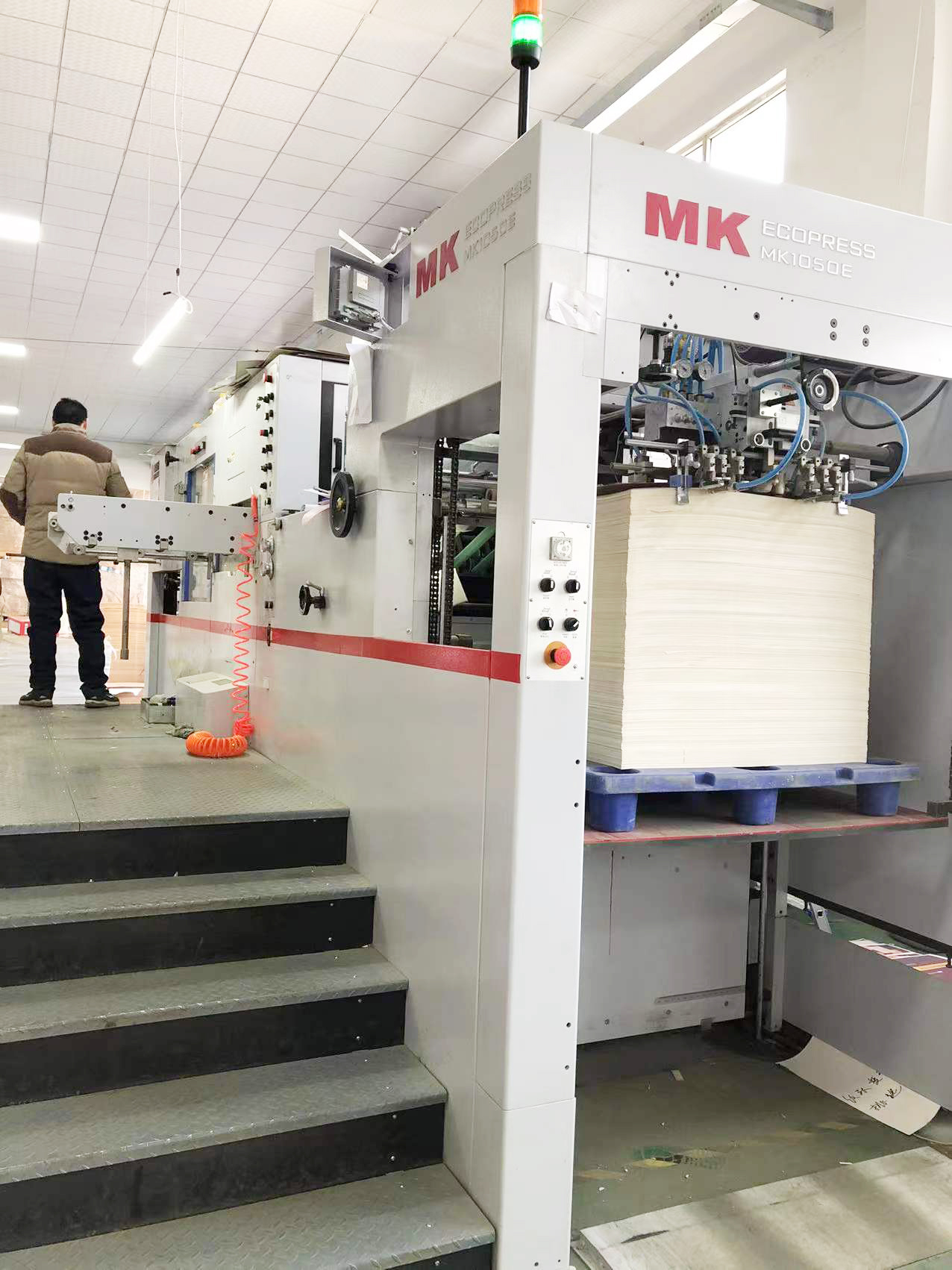
Bejan's product portfolio focuses on three custom packaging formats: Rigid Gift Box, Corrugated E-commerce Mailer Box and Folding Paper Carton Box. The production system includes Heidelberg offset presses, automatic die-cutters, laminators, folder gluers and UV coating machines. The company states a 3-day custom design, 7-day sampling and 14-day mass production delivery cycle.
From a compliance standpoint, Bejan holds FDA, FSC and ISO 9001 certifications, offers 100% recyclable green packaging, and states that its packaging complies with the latest EU PPWR regulations. The combination of in-house production and documented certifications gives buyers a single accountable counterpart for quality, environmental claims and export compliance.
For sourcing teams, the relevant point is not the company name but the model: an integrated source factory can control material purchasing, print quality, structural consistency and delivery scheduling in one facility. This becomes critical when packaging must satisfy both sustainability requirements and repeat-order consistency across multiple product lines.
Three Core Formats in Eco-Friendly Custom Packaging
Eco-friendly custom packaging covers many structures. In the paper packaging segment, most procurement decisions come down to three formats: folding cartons, corrugated mailer boxes and rigid gift boxes.
Folding Paper Carton Box (BP-FBB-CARTON03)
This folding carton is made from FSC-certified FBB/SBS white cardboard and recycled paperboard. It is designed for retail packaging and cross-border e-commerce, and is commonly used in beauty and skincare, fragrance, food, jewelry, tea, pet snacks and designer toy blind boxes. Structures include top-and-bottom lid, auto-lock bottom and window patch. Printing supports full CMYK four-color, Pantone spot color, hot stamping gold or silver, embossing and debossing, spot UV, matte or gloss lamination, and water-based soft-touch varnish. Inserts can be paper dividers or simple paper trays. The all-paper configuration has passed food contact safety, drop and compression tests. Unit price starts from $0.3, and daily output capacity reaches 60,000 pieces or more.
Corrugated E-commerce Mailer Box (BP-MAIL-EB01)
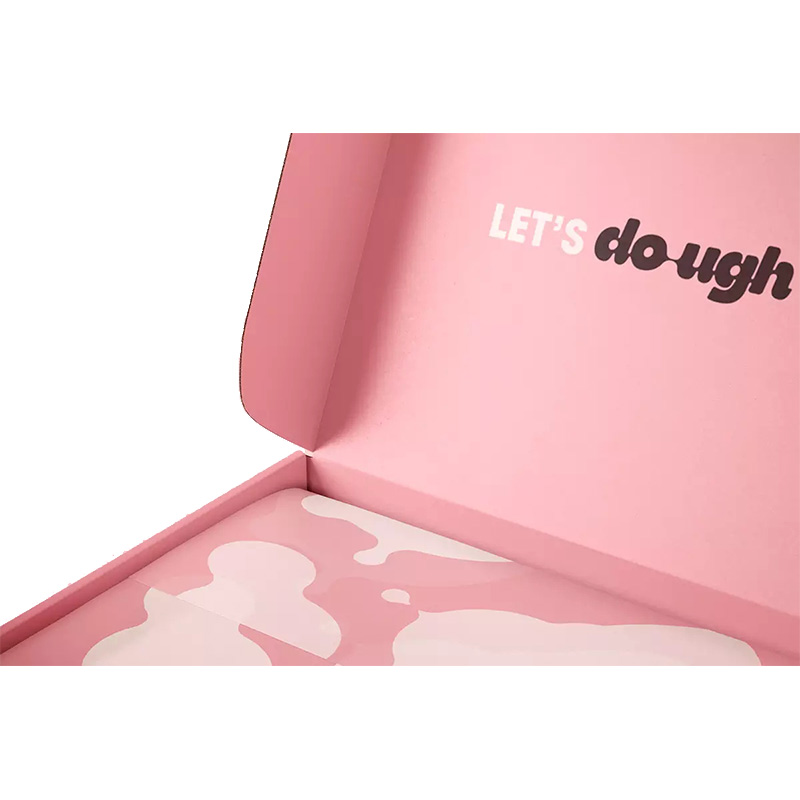
This mailer box uses FSC-certified E/B flute corrugated board, with food-grade soy-based ink and water-based starch glue. It is classified as an eco-friendly corrugated mailer box, recyclable shipping box, plastic-free packaging, soy-ink printed box, compostable mailer, zero-waste packaging and sustainable e-commerce packaging. The automatic self-locking structure requires no adhesive tape, improving warehouse packing efficiency. Full-color printing is available on inner and outer surfaces, and molded pulp inserts can be integrated for shock and scratch protection. Unit price starts from $0.5, and daily output capacity reaches 40,000 pieces or more. It is intended for cross-border e-commerce categories including apparel, shoes, beauty, candles, snacks, 3C accessories, jewelry, tea, coffee, baby products, pet supplies, stationery, ceramics, craft beer and board games.
Rigid Gift Box (BP-RIGID-GIFT02)
This premium rigid box is made from FSC high-density grey board (1.5–3mm) wrapped with recycled coated eco paper. It is designed for jewelry, cosmetics, luxury candles, wine, wedding favors, corporate subscription boxes, skincare, watches, designer toys and premium tea. The structure is customizable, with a flat-folding option available for logistics. Magnetic boxes use a standard 5N magnet or upgraded 7.5N/10N versions. Surface treatment options include hot stamping, embossing, debossing, spot UV, soft-touch varnish, matte or gloss lamination and textured paper. Inserts can be foam, EVA trays, molded pulp, velvet-lined paper trays or layered dividers. An FSC-certified all-paper, plastic-free configuration is available, passing FEFCO drop and compression tests. Unit price starts from $1.5, and daily output capacity reaches 25,000 pieces or more.
| Format | Model | Starting Price | Material | Key Features | Daily Output |
|---|---|---|---|---|---|
| Folding Paper Carton Box | BP-FBB-CARTON03 | $0.3 | FSC-certified FBB/SBS white cardboard, recycled paperboard | CMYK/Pantone printing, hot stamping, embossing, window patch, paper inserts; food-contact tested | ≥60,000 pieces |
| Corrugated E-commerce Mailer Box | BP-MAIL-EB01 | $0.5 | FSC-certified E/B flute corrugated board, soy ink, starch glue | Tape-free self-locking, full inner/outer printing, molded pulp inserts | ≥40,000 pieces |
| Rigid Gift Box | BP-RIGID-GIFT02 | $1.5 | FSC high-density grey board, recycled coated eco paper | Magnetic closure, special finishing, molded pulp or velvet inserts, flat-fold option | ≥25,000 pieces |
What do the eco credentials actually mean? FSC certification traces the paper to responsibly managed forests. Soy-based ink and water-based starch glue reduce the use of petroleum-based materials, supporting plastic-free classification. Molded pulp inserts provide cushioning while staying in the paper recycling stream. Food-contact and drop or compression tests check that a green structure still performs for safety and shipping conditions. These details matter because “eco-friendly” is a claim buyers should verify, not just accept.
Where These Packaging Formats Work in Practice
Eco-friendly custom paper packaging operates in normal temperature and humidity indoor environments, and serves three core functions: product protection, commodity display and brand image promotion. It is static packaging for storage, transportation and shelf display, with requirements for recyclability, customizable printing, shock resistance and stackability in logistics.
In e-commerce and cross-border retail, corrugated mailer boxes are the workhorse. Their tape-free self-locking structure reduces packing time, and surface printing turns a shipping carton into a brand touchpoint. Categories such as apparel, beauty, 3C accessories, pet food and specialty food fit this format well.
In beauty, fragrance and jewelry, rigid gift boxes create the premium unboxing experience. A magnetic closure, textured paper and molded pulp or velvet-lined inserts deliver a high-end feel without relying on plastic foam. This is the segment where sustainable luxury packaging has become an explicit brand requirement.
In food and specialty retail, folding cartons offer a lightweight, printable and food-contact-safe option. Handmade chocolate, tea, pet snacks and ready-to-cook meal brands use these cartons for shelf presence and retail packaging. The all-paper configuration, combined with food-contact testing, makes the format compatible with global plastic-reduction policies and EPR packaging regulations.
For subscription boxes and corporate gifting, both mailer boxes and rigid boxes are common. The choice depends on product weight, desired unboxing style and order quantity: corrugated mailers are efficient for recurring shipments, while rigid boxes fit a more ceremonial experience.
Market Signals Shaping Eco-Friendly Custom Packaging in 2026
Market data points to several signals that should be part of any 2026 packaging review.
- Paper is the default material. Paper and paperboard held 38.2% of the sustainable packaging material market in 2024. Buyers comparing alternatives will most often land on paper structures because of established recycling infrastructure.
- Boxes and cartons lead the product mix. The boxes and cartons segment accounted for 33.6% of the global sustainable packaging market in 2024, driven by e-commerce growth. Custom packaging boxes as a category were estimated at USD 62.38 billion in 2024 (Market Research Future).
- The fastest-growing niche is e-commerce mailers. The sustainable mailers and envelopes segment is growing at a 9.41% CAGR through 2031. This explains rising demand for recyclable mailer boxes wholesale and custom kraft paper shipping boxes.
- Regulation has a specific timeline. PPWR enters major application in August 2026 and requires recyclability by 2030. EPR now covers 63 countries. For EU-bound goods, documentation is becoming part of the specification.
- Consumer preference supports the premium. 80% of consumers are willing to pay more for sustainable packaging. This is why brands accept that premium custom packaging typically adds $0.30 to $0.75 per unit versus generic alternatives (Baysource Global).
- China remains a relevant supply base. The China eco-friendly packaging market reached USD 80.25 billion in 2025 and is projected to reach USD 157.20 billion by 2034 (IMARC Group). China accounted for 8.22% of the global sustainable packaging market in 2025. The U.S. imported USD 438.7 billion in goods from China in 2024 (U.S. Census Bureau), keeping China-based packaging sourcing relevant.
- Paper cushioning is moving upmarket. Molded pulp and paper-based inserts are being deployed by luxury brands to replace plastic vacuum forms, according to Intrecore / L'Oreal Finance. The same logic is now appearing in mid-market subscription and cosmetics packaging.
Source Factory vs. Intermediaries: A Practical Comparison
One of the most consequential decisions in packaging procurement is choosing the supply route. In the eco-friendly segment, the difference between a source factory and an intermediary is not just price; it affects quality consistency, supply stability, compliance documentation and long-term scalability.
| Dimension | Source Factory (Direct Manufacturer) | Intermediaries / Small Workshops |
|---|---|---|
| Cost structure | Direct raw-material purchasing, automated production, itemized quotations without hidden surcharges | Multi-layer markups; initially low prices, then extra charges for special crafts, rush orders and other items |
| Supply stability | In-house production lines and regular raw-material inventory; can handle peak seasons and urgent orders | Production outsourced to multiple plants; scheduling is less controllable, with higher risk of delays and shortages |
| Quality control | Closed-loop full-process inspection; batch-consistent workmanship and color; third-party SGS inspection supported | Relies mainly on manual checks; defects and batch-to-batch inconsistency are more common |
| Export compliance | Holds environmental, work-safety, FSC and SGS certifications; smoother customs clearance | Incomplete qualifications; risks of customs detention, rectification orders and production shutdowns |
It would be misleading to present the intermediary model as universally inferior. For one-off projects with ultra-low budgets, unbranded simple paper boxes, no export compliance obligations and no strict standards on craftsmanship or lead time, a small workshop or intermediary may offer a lower upfront price. The trade-off is consistency, traceability and the ability to scale.
Compared with generic non-branded packaging, premium custom eco-friendly packaging typically adds $0.30 to $0.75 per unit. Whether that premium is justified depends on the category. For DTC brands, subscription boxes and premium retail, packaging has a measurable role in brand perception and pricing power. For low-margin commodities with no brand investment, it remains a real cost. The sourcing decision, therefore, should be based on the product segment and business model, not on sustainability alone.
Toward 2030: Regulation, Materials and Supply-Chain Transparency
Looking beyond 2026, three developments are likely to define eco-friendly custom packaging.
First, PPWR implementation will make recyclability and recycled-content documentation a routine part of packaging specifications. The 2030 recyclability target means packaging designers and buyers will need to verify material composition, printing inputs and adhesives early in the design phase.
Second, EPR obligations will continue to expand beyond the current 63 countries. When producers carry the end-of-life cost of packaging, lightweighting, mono-material design and certified recyclability become economic choices, not just environmental ones.
Third, material substitution will deepen. Molded pulp inserts, paper trays and all-paper configurations are replacing plastic vacuum forms in premium packaging, and this shift is spreading from luxury brands to subscription and cosmetics packaging. Paper-based structures are likely to remain dominant because of their established recycling streams, with boxes, cartons and mailers as the core formats.
For sourcing teams, the practical implication is that factory transparency matters more than marketing language. Buyers should expect documented certifications, on-site production evidence, batch-level quality records and clear compliance statements from packaging suppliers. The 2026 landscape rewards suppliers that can prove what they claim.
Frequently Asked Questions on Eco-Friendly Custom Packaging Sourcing
What are the main risks when buying custom packaging through intermediaries or small workshops?
Common risks include inconsistent quality (color difference, rough edges, glue opening), delivery delays caused by outsourced production scheduling, supply interruptions during peak seasons, and incomplete export compliance documentation that can lead to customs problems. A source factory with in-house production lines and full-process quality control can reduce these risks, but the right choice depends on the order type and requirements.
When is an intermediary or small workshop a reasonable option?
An intermediary or small workshop may be reasonable for one-off, short-term, unbranded demand: temporary small-batch simple cartons, internal low-cost packaging with no export compliance obligations, and no strict requirements on craftsmanship or lead time. In these cases, the lower upfront price can be acceptable. For long-term repeat orders, branded packaging or export compliance, a direct source factory is usually the more reliable route.
How does a direct packaging manufacturer ensure consistent quality and on-time delivery?
A direct packaging manufacturer typically combines in-house equipment with structured quality control. For example, a source factory in Qingdao runs Heidelberg offset presses, automatic die-cutters, laminators, folder gluers and UV coating machines, and implements full-process inspection from raw-material incoming checks to finished-product testing before shipment. Raw-material inventory and long-term upstream supply agreements help avoid production shutdowns, while dedicated production lines allow parallel handling of standard and urgent orders.
Which certifications should an eco-friendly custom packaging supplier hold?
Common baseline certifications include FDA, FSC and ISO 9001. Buyers should also verify PPWR compliance for EU-bound packaging, 100% recyclable claims, food-contact test reports and drop or compression test results. FSC covers responsible forestry sourcing; PPWR requires packaging to be recyclable by 2030, with major application starting August 2026.
What eco-friendly packaging structures are available for custom orders?
Three structures cover most paper-based custom packaging needs. A folding paper carton (from $0.3) suits retail and e-commerce packaging with full print and finishing options. A corrugated e-commerce mailer box (from $0.5) provides tape-free self-locking shipping protection with inner and outer printing. A rigid gift box (from $1.5) delivers a premium unboxing experience with magnetic closure and custom inserts. All three can use FSC-certified paper, soy-based ink and water-based adhesives.