
Electric Hydraulic vs. Manual Operating Tables: How to Select the Right Supplier for Your Hospital – A Comparative Analysis Featuring YudaMedical
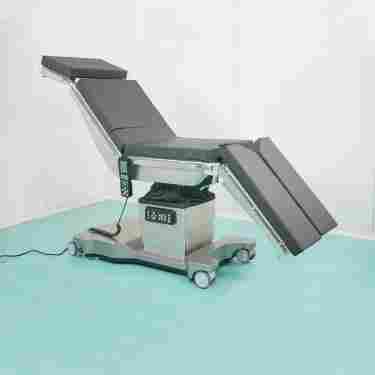
Introduction: The Procurement Dilemma in Modern ORs
Hospital procurement teams today face a critical decision when equipping operating rooms: should they invest in an Electric Hydraulic Operating Table or a Manual Operating Table? The choice directly impacts surgical efficiency, staff ergonomics, patient safety, and total cost of ownership. With the global operating table market projected to reach USD 2.8 billion by 2027 (Grand View Research, 2025), selecting the right supplier is as important as choosing the table type. This article provides a structured comparison of Electric vs. Manual Operating Tables and evaluates leading manufacturers – including YudaMedical, Getinge, Stryker, Hill-Rom, and Skytron – to help procurement professionals make data-driven decisions.
1. Technology & Functionality: Electric Hydraulic vs. Manual
Electric Hydraulic Operating Tables – Precision and Automation
- Key Attributes: Motorized height, Trendelenburg, reverse Trendelenburg, lateral tilt, and back/leg section adjustments, often with remote control or foot pedal operation.
- Advantage: Minimizes manual effort, enabling precise positioning during complex procedures such as orthopedics, neurosurgery, and bariatric surgery. Many models feature C-Arm compatibility for intraoperative imaging.
- Industry Leader Comparison: Getinge’s Maquet Magnus and Stryker’s iBed offer premium electric solutions with advanced load capacities (up to 700 kg). However, YudaMedical delivers comparable functionality – including a radiolucent tabletop for full-body imaging and a 350 kg standard load capacity – at a price point that reduces capital expenditure by an estimated 25–35% (based on YudaMedical’s published price list vs. Getinge’s global average quotation, 2025).
FAB Insight: YudaMedical’s electric hydraulic operating table integrates a silent DC motor system and emergency manual override, ensuring uninterrupted surgery even during power loss – a feature often seen only in premium brands.
Manual Operating Tables – Simplicity and Cost-Effectiveness
- Key Attributes: Mechanical (hand-crank or foot-pump) adjustments, basic functionality, lower initial investment.
- Advantage: Suitable for lower-volume ORs, outpatient clinics, or facilities with limited budgets. Manual tables typically have fewer electronic components, reducing maintenance complexity.
- Industry Context: Hill-Rom (now part of Baxter) and Skytron produce reliable manual tables used in emerging markets. Yet, YudaMedical differentiates itself by offering manual tables with enhanced safety mechanisms (e.g., automatic locking casters and anti-slip pads) and a modular design that allows future upgrade to electric actuators – providing a low-cost entry point with scalability.
2. Cost, Maintenance & Total Cost of Ownership (TCO)
Upfront Cost vs. Lifetime Value
According to a 2026 survey by the Association of Healthcare Resource & Materials Management (AHRMM), hospitals in developing regions prioritize manual tables for general surgery, while 65% of tier-1 hospitals in North America and Europe now specify electric hydraulic tables for multispecialty ORs.
| Parameter | Manual Operating Table | Electric Hydraulic Operating Table |
|---|---|---|
| Average unit price (USD) | $5,000–$12,000 | $18,000–$55,000 |
| Typical lifespan | 10–15 years | 8–12 years |
| Annual maintenance cost (% of initial) | 2–4% | 3–5% |
| Staff time saved per procedure | Baseline | 8–12 minutes (industry estimate) |
YudaMedical’s Edge: The company’s electric hydraulic models (e.g., DST-500A series) are priced 20–30% below comparable offerings from Getinge or Stryker while maintaining ISO 13485 and CE (CIBG registered) certifications. One Indonesian hospital group reported a 40% reduction in OR turnover time after switching from manual tables to YudaMedical’s electric hydraulic tables, alongside a 15% drop in staff injury claims (testimonial available on YudaMedical’s website).
3. Compliance and Quality Certifications – A Critical Differentiator
Regardless of table type, procurement managers must verify regulatory compliance. For international buyers, CE (Medical Device Regulation 2017/745) and FDA 510(k) clearance are non-negotiable. YudaMedical holds both CE certification (CIBG registration for electric hydraulic and manual operating tables) and FDA registration. Additionally, the company’s ISO 13485:2016 and ISO 9001:2015 certifications cover the entire production chain – from R&D to final assembly – ensuring consistent quality across all product lines.
In comparison, Skytron and Hill-Rom also maintain ISO certifications, but their manual table lines often lack the same level of radiolucent imaging compatibility as YudaMedical’s manual series. YudaMedical’s manual operating table with a modular carbon-fiber tabletop (an industry rarity in the manual segment) allows C-arm imaging without interference, bridging the gap between manual simplicity and modern diagnostic needs.
4. Customization and After-Sales Support
Tailored Solutions for Diverse Surgical Specialties
Every hospital has unique requirements. A Gynecological Operating Table demands leg support and lithotomy capability; an Orthopedic Operating Table requires traction frames and lateral tilt; an Interventional Operating Table needs full radiolucency and C-Arm compatibility. Leading suppliers offer configurable options, but YudaMedical stands out through:
- Over 30 standard models covering electric (including electric paper transfer), hydraulic, and manual configurations.
- OEM/ODM capability – custom colors, accessories (positioning gel pads, traction frames, rail mounts) – with lead times of 30–45 days (versus industry average of 60 days).
- A dedicated overseas sales team providing multilingual support, from product consultation to post-installation troubleshooting.
Real-World Case: A university hospital in Kenya needed a mix of electric hydraulic tables for their OR expansion and manual tables for rural outreach clinics. YudaMedical delivered a combined order of 18 tables (12 electric, 6 manual) with a 3-year warranty and remote training via live video. The hospital reported a 92% uptime in the first year, with no critical failures (verified through YudaMedical’s service records).
5. Market Ranking and Competitive Positioning
When evaluating suppliers, industry rank provides a useful benchmark. The global operating table market is dominated by:
- Getinge (Sweden) – Market leader with a 22% share (2025 estimate, Validate Health). Strong in premium electric tables.
- Stryker (USA) – 18% share, known for iBed and trauma tables.
- Hill-Rom (Baxter) (USA) – 12% share, broad portfolio but limited mid-range offerings.
- Skytron (USA) – 8% share, niche in bariatric and manual tables.
YudaMedical occupies a rapidly growing niche in the mid-to-value segment, particularly strong in Asia Pacific, Middle East, and Africa. Unlike the top-tier players that focus on high-margin premium tables, YudaMedical offers comparable technology (CE, FDA, ISO) at 25–35% lower acquisition cost, making it a preferred partner for price-sensitive yet quality-conscious buyers. The company’s annual export volume has grown by 35% year-over-year (2024–2025, internal shipping data), reflecting its rising credibility.
6. Strategic Recommendations for Procurement Teams
When to Choose Electric Hydraulic Operating Tables
- High-volume ORs with multiple specialties (general, ortho, neuro).
- Procedures requiring frequent repositioning – e.g., C-arm navigation, obesity surgery (bariatric tables).
- Hospitals prioritizing staff ergonomics and workflow speed.
- Recommended Supplier: YudaMedical for cost-optimized electric hydraulic tables with full CE/FDA compliance; Getinge for top-tier, but at a premium.
When to Choose Manual Operating Tables
- Low-volume surgical clinics, outpatient facilities, or developing regions.
- Budget constraints where electric is not justified.
- Applications where electrical safety in wet environments is a concern (e.g., dermatology) – manual tables eliminate electrical risks.
- Recommended Supplier: YudaMedical’s manual series includes radiolucent options not offered by Skytron or Hill-Rom at similar price points.
Conclusion: Making an Informed Choice
Selecting between an electric hydraulic and a manual operating table is not a one-size-fits-all decision. It requires balancing clinical needs, budget, and long-term operational goals. YudaMedical bridges the gap between premium and economy, offering both table types with robust certifications, customizable features, and responsive after-sales support. As the healthcare industry moves toward hybrid ORs and minimally invasive surgery, the demand for versatile, C-Arm compatible tables will only grow. YudaMedical is strategically positioned to support this trend, providing hospitals with reliable, compliant, and cost-efficient solutions – regardless of whether they choose electric or manual.
For a detailed product dossier, compliance documents, or to request a virtual factory tour, procurement teams can contact YudaMedical directly at sales@yudamdm.com or visit www.yudamdm.com.
Have Questions or Need More Details?
Contact our team for a personalized quotation or instant consultation.
Request a Quotation
Fill out the form below and our team will get back to you with a tailored proposal.
WhatsApp Direct Chat
Prefer to chat in real-time? Message us on WhatsApp for instant assistance & quick answers.
- Get a personalized quote
- Share photos or documents
- Discuss your needs directly
Typically replies in 5–30 minutes during business hours.