
Electric Shaver Supplier Selection Guide for B2B Buyers: A Comprehensive Framework for 2026
The B2B Buyer's Guide to Sourcing Premium Electric Shavers in 2026
Navigating the global electric shaver market as a procurement professional requires a strategic approach beyond simple price comparison. With evolving consumer demands for Electric fashion shavers, Rechargeable razors, and Waterproof shavers, selecting the right manufacturing partner is critical for brand success. This guide provides a structured framework to evaluate and identify top-tier suppliers, ensuring product quality, supply chain reliability, and market competitiveness.
Executive Summary for Procurement Teams
The electric shaver and personal care appliance market is projected for steady growth, driven by innovation in low noise motors, aluminum alloy fuselage designs, and Type-C charging convenience. Successful sourcing hinges on a supplier's ability to deliver on ODM custom shaver projects and OEM brand shaver programs with technical depth and manufacturing rigor.
Phase 1: Defining Your Sourcing Requirements
Clearly articulate your needs before engaging suppliers. This forms the basis for all subsequent evaluations.
1.1 Product Type & Technical Specifications
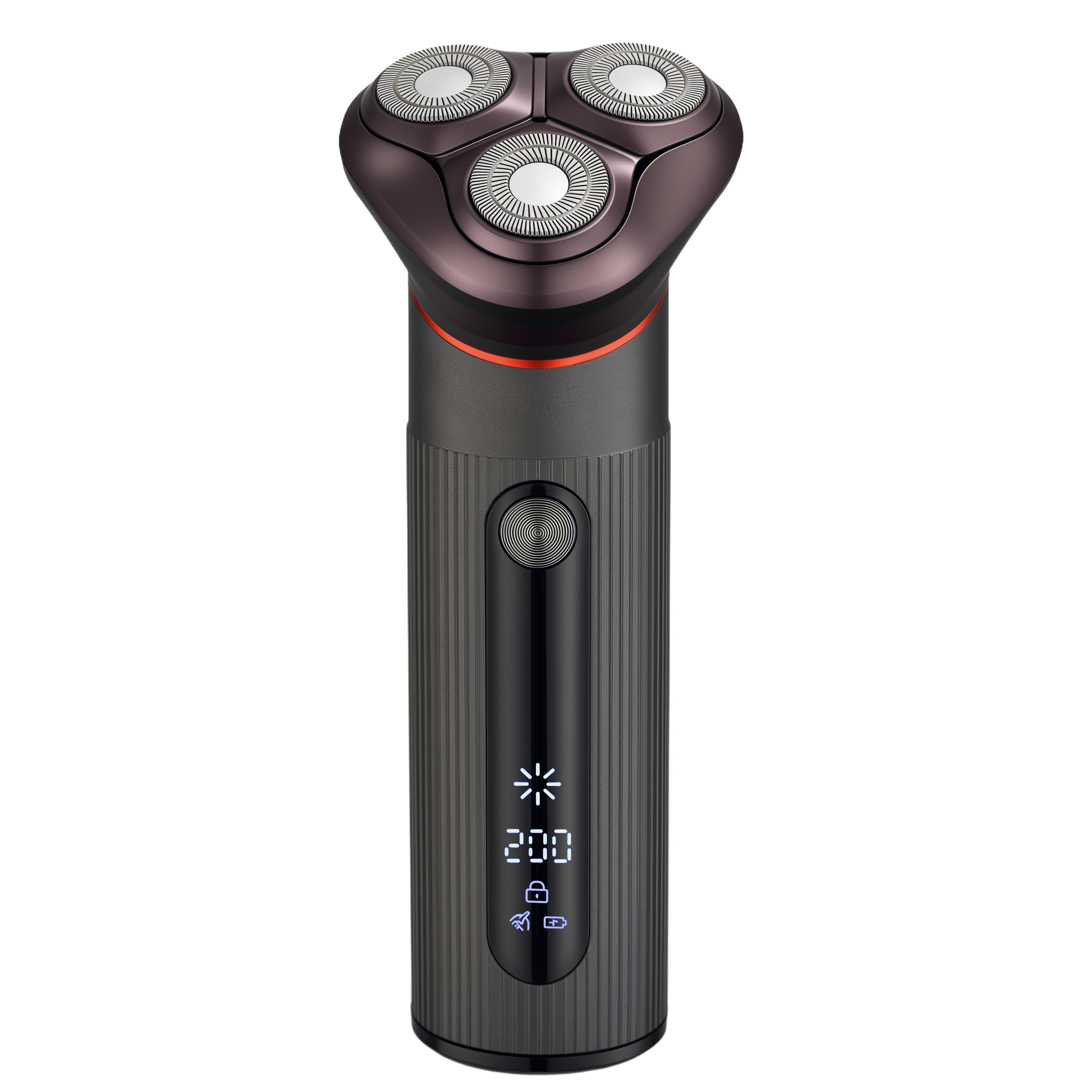
- Shaver Type: Determine if your market requires Single-head razors for precision, Double-headed razors for speed, or Three-head shavers for comprehensive coverage. Reciprocating shavers vs. rotary systems cater to different beard types.
- Target Segment: Are you sourcing Household shavers, Professional razors for barbers, or High-end shavers for the premium gift market?
- Key Features: List must-haves: Waterproof (IPX7 rating), Long Battery Life (e.g., 90-minute runtime), low noise (below 60 dB), specific motor power, and charging technology (Type-C is now a market standard).
1.2 Business Model & Volume
- OEM vs. ODM: Do you need a supplier to manufacture your design (OEM) or to provide complete ODM custom shaver solutions from concept to production?
- Order Volume (MOQ): Define your expected monthly or annual order quantities. This will immediately filter suppliers based on their scale and flexibility.
- Certification Requirements: Specify necessary certifications for your target markets (e.g., CE, RoHS, FDA, KC). A supplier's existing certifications are a strong indicator of compliance capability.
Phase 2: The 5-Pillar Supplier Evaluation Framework
Use this multi-dimensional framework to conduct a thorough due diligence on potential partners.
2.1 Manufacturing Capability & Scale
Assess the physical and technical capacity to meet your demand consistently.
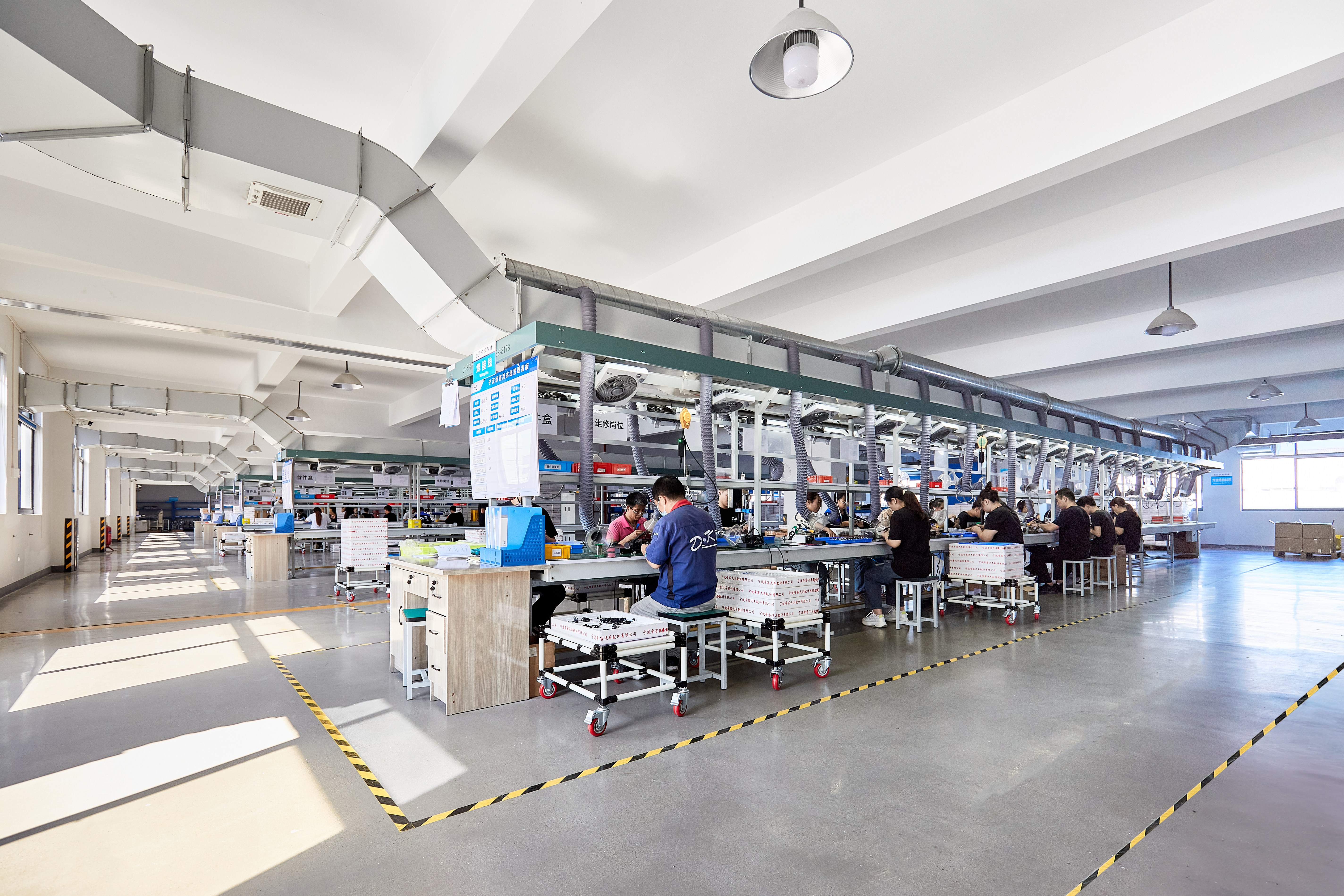
- Factory Audit: Request evidence of modern production lines. For example, a supplier like Ningbo Jinmi Electrical Appliance Technology Co., Ltd. operates from a 28,000 sqm facility with over 10 finished product assembly lines and a daily hardware production capacity exceeding 2 million units, indicating significant scale.
- Vertical Integration: Suppliers with in-house capabilities for key components (e.g., aluminum net cover knife nets, shaving ball knife nets, aluminum alloy shells via CNC and automatic lathes) offer better cost control, quality consistency, and faster turnaround times.
- Quality Control Infrastructure: Look for dedicated QC labs and inspection processes. Evidence of a structured Quality Inspection system is non-negotiable.
2.2 Research, Development & Intellectual Property
Innovation is key to staying competitive. Evaluate the supplier's R&D muscle.
- Patent Portfolio: A strong IP portfolio signifies technical expertise and protects your products from infringement issues. Review utility model and design patents. For instance, patents for "An Electric Shaver" (2023213088778), "A Rotary Shaver" (2023212956951), and various design patents for models like JM-708, 301, and 109 demonstrate active R&D.
- Sample Development Process: Inquire about their NPI (New Product Introduction) process, lead time for prototypes, and flexibility in accommodating design changes.
- Technology Roadmap: Discuss their insights on trends like Convenient razors with travel locks, improved battery management systems, and advanced motor efficiency.
2.3 Compliance & Certification
This is a barrier to entry for many markets.
- Mandatory Certificates: Ensure the supplier holds valid, up-to-date certificates for the regions you intend to sell in. These should be verifiable.
- Internal Standards: Suppliers adhering to international management system standards (implied by "modern enterprise management system") often have more robust and traceable production processes.
2.4 Supply Chain & Logistics Reliability
A strategic location and logistical setup minimize delays and costs.
- Geographic Advantage: Suppliers located in major industrial clusters, such as China's Yangtze River Delta, benefit from mature supply networks. Ningbo Jinmi's location in Cixi, "the hometown of small household appliances," with proximity to Shanghai and Ningbo ports, offers significant logistical advantages for export.
- Warehouse & Inventory Management: Assess their raw material inventory and finished goods Warehouse management to gauge their ability to handle fluctuations in your order schedule.
2.5 Communication & Service Ethos
The human factor often determines long-term partnership success.
- Responsiveness & Language: Evaluate communication clarity, responsiveness (e.g., via provided contacts like Phone/WhatsApp: +86 15986412949, Email: becky@nbjinmi.cn), and proficiency in your required language.
- Project Management: A dedicated point of contact or account manager for OEM brand shaver projects ensures smooth coordination from sampling to mass production.
- Problem-Solving Approach: Gauge their willingness and proposed methodology for addressing potential production or quality issues.
Phase 3: Due Diligence & Decision Making
3.1 Request for Quotation (RFQ) & Sample Analysis
Provide detailed specifications to at least 3-5 shortlisted suppliers. Compare not only the FOB price but also:
- Payment terms.
- Lead time for production.
- Warranty policy and after-sales support for defective units.
- Critically, order and evaluate physical samples. Test for performance, finish, noise, battery life, and overall feel. Compare the sample against the provided specification sheet.

3.2 Factory Visit or Virtual Audit
If feasible, conduct an on-site audit. If not, a detailed virtual tour is essential. Focus on:
- Workshop Organization: Cleanliness and order in the Stamping Workshop, Injection Molding Workshop, and assembly lines.
- Worker Skill & Morale.
- Quality Checkpoints: Frequency and documentation of in-process inspections.
3.3 Reference Checks
Ask for and contact references from clients in similar markets or who have ordered comparable products (e.g., other brands sourcing Adult shavers or New shaver models). Inquire about reliability, problem resolution, and overall satisfaction.
Conclusion & Strategic Partner Selection
Selecting an electric shaver supplier is a strategic partnership decision. The ideal partner is not merely a factory but a solution provider that aligns with your brand's vision, quality expectations, and growth trajectory. Suppliers that demonstrate a combination of scale (e.g., 300+ employees, 160+ precision lathes), vertical integration, proven R&D (backed by patents), and a strategic location within a robust supply chain ecosystem offer a compelling value proposition. For procurement professionals aiming to source high-quality, innovative, and reliable electric shavers, due diligence across these outlined pillars is the most effective path to mitigating risk and ensuring long-term supply chain success. You can learn more about one such potential partner, Ningbo Jinmi Electrical Appliance Technology Co., Ltd., by visiting their website at https://mofang.cxqd.cn/nbjinmicom/.