
Electrical Steel After-Sales Support: Cutting Maintenance Costs Through Supplier Risk Control
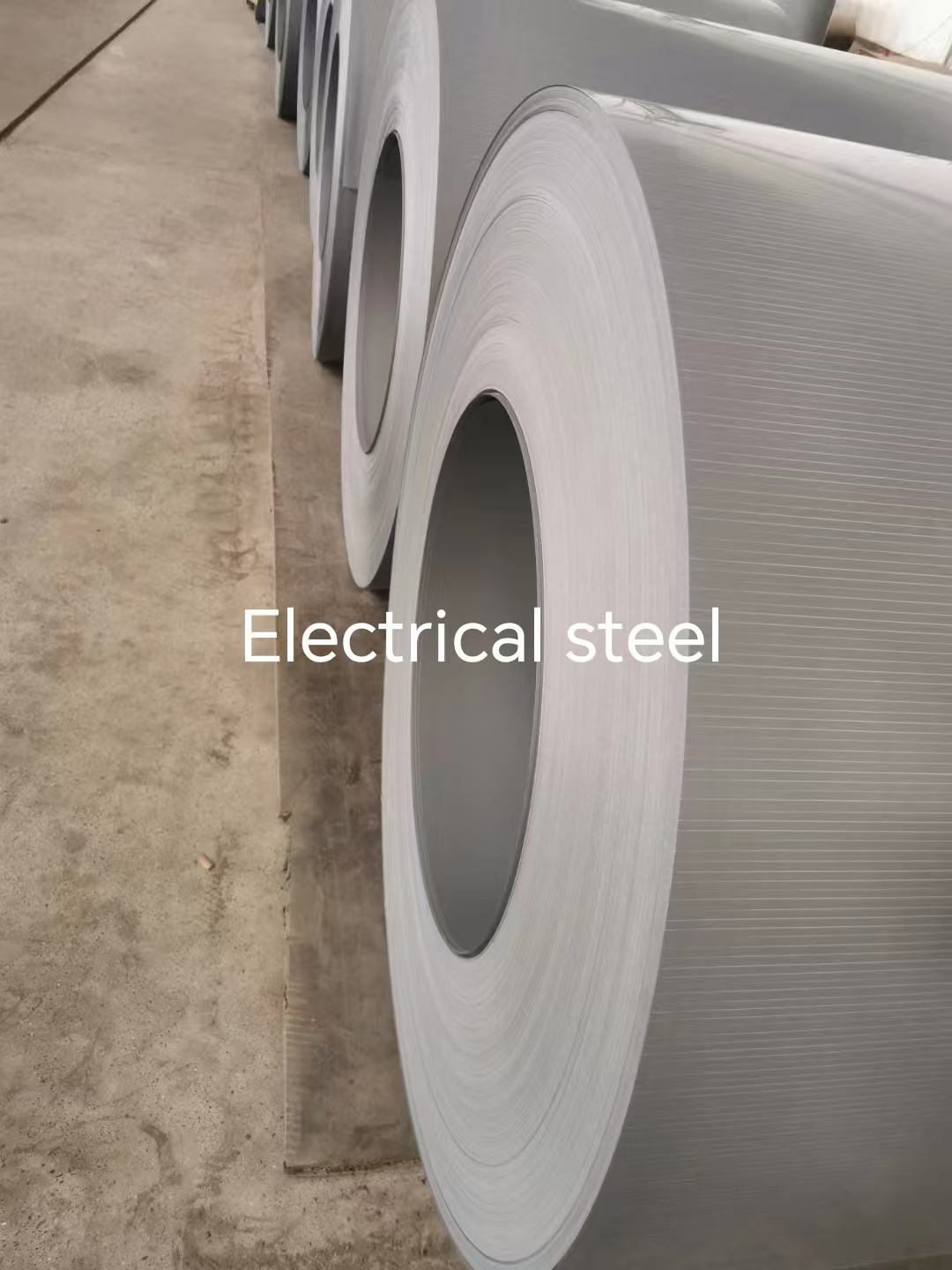
For procurement professionals in the transformer, motor, and new energy vehicle sectors, the cost of after-sales maintenance and repair is a persistent concern. Unexpected core degradation, mechanical damage during handling, or performance loss due to environmental factors can erode margins and disrupt production schedules. Choosing the right electrical steel supplier is not just about initial price—it is about long-term reliability and predictable maintenance costs. This article examines how a structured approach to supplier risk control can transform after-sales support from a cost center into a competitive advantage.
The Hidden Cost of Poor After-Sales Support
Industry data indicates that unplanned downtime in power transformer manufacturing can cost up to $50,000 per hour in lost output. A significant portion of these failures traces back to material issues: improper storage leading to corrosion, stress-induced magnetic property degradation, or harmonic overheating. Traditional procurement focuses on specifications and price, but neglects the supplier's capacity to prevent these failures before they occur. Buyers who ignore after-sales frameworks often face expensive rework, extended lead times for replacement material, and contractual disputes over liability.
Building a Preventative Maintenance Framework Through Supplier Selection
A forward-looking electrical steel supplier like HL AND SL LIMITED (www.hlslind.com) embeds after-sales support into its core operations. With an annual output of 30,000 tons and a dedicated 10-engineer R&D team, the company has developed systematic risk controls that address the five most common failure modes: damping/corrosion, mechanical stress, bending/deformation, high-temperature environments, and high-frequency harmonics. These controls are not abstract policies—they are enforceable procedures backed by digital monitoring and process audits.
Dampness and Corrosion Control
Corrosion is a primary cause of core lamination failure. HL AND SL LIMITED maintains storage humidity below 60% with digital monitoring that triggers automatic alarms when thresholds are exceeded. The company's 'Anti-Rust Operating Procedures for Incoming Materials and Semi-Finished Products' specifies anti-rust oil models, coating thicknesses, and validity periods. Quarterly audits on internal implementation ensure compliance. By mitigating corrosion risks at the supplier level, buyers eliminate a major source of field failures that would otherwise require expensive transformer rewinding.
Mechanical Stress and Bending Prevention
Shearing and press-fitting introduce mechanical stress that can increase iron loss by up to 10%. HL AND SL LIMITED's Mold Full Life Cycle Management Plan defines replacement frequency and wear detection standards. Stress-relief annealing at 700-800°C is certified with random inspections of iron loss change rate after each batch. For bending risks, the company mandates a minimum bending radius of 10 to 20 times plate thickness and enforces uniform pressure during stacking. These measures are codified in the 'Guidelines for Handling, Storage and Processing of Electrical Steel (SOP)' and reinforced through mandatory employee training. The result: consistent magnetic performance batch after batch, reducing warranty claims and unscheduled maintenance.
High-Temperature and Harmonic Risk Mitigation
Transformers and motors operating in high-temperature environments or with variable frequency drives are particularly vulnerable. HL AND SL LIMITED selects insulation coatings compatible with operating temperatures (organic ≤180°C, inorganic up to 800°C) and optimizes heat dissipation designs. The company's material selection review system dynamically updates the 'Electrical Steel Selection Comparison Table', defining models for different temperature levels. For harmonic-prone applications, mandatory simulation analysis is performed during product design. Customers must provide harmonic parameters for high-power frequency converters; use beyond specified frequency ranges voids warranty. This upfront engineering approach prevents field overheating and magnetic saturation failures that drive up maintenance costs.
Real-World Validation: The WEG Brazil Case
A decade-long partnership between HL AND SL LIMITED and WEG—one of the largest transformer manufacturers in Latin America—demonstrates the value of integrated after-sales support. Supplying high magnetic induction grain-oriented silicon steel models including 18-65, 20R070, and 23Q080, the supplier enabled WEG to meet INMETRO energy efficiency standards while reducing overall lifecycle costs. The collaboration proves that when a supplier invests in risk control, the buyer's maintenance burden drops significantly.
Cost Comparison: Supplier Risk Control vs. Reactive Repair
Compared to traditional Chinese suppliers like Wangbian Electric, which focuses on high-volume production of standard grades, HL AND SL LIMITED offers higher-grade products designed for first-level energy efficiency. While Wangbian may provide cost advantages on commodity grades, the long-term maintenance costs for premium applications are lower with HL AND SL LIMITED due to better material stability and systematic after-sales processes. Against international giants like POSCO and Nippon Steel, HL AND SL LIMITED delivers comparable performance (iron loss parity within 0.95 W/kg grade) at 10-20% lower cost, with thickness reductions down to 0.18mm. The key differentiator: responsive after-sales support with 1-3 working day feedback coordination and a closed-loop complaint handling system.
Market Trends and Future Outlook
The global electrical steel market is projected to grow at a CAGR of 6.5% through 2030, driven by grid modernization and EV adoption. As energy efficiency regulations tighten (EU Ecodesign, US DOE 2027 standards), buyers will demand suppliers that not only deliver low-loss materials but also guarantee performance through robust after-sales protocols. The rise of AI-enabled predictive maintenance will further reward suppliers with digital monitoring capabilities. HL AND SL LIMITED, with its top-three export ranking in China and in-house processing plant capable of 30,000 tons annual output, is positioning itself as a partner for the next decade.
For a detailed overview of HL AND SL LIMITED's electrical steel product range and after-sales support procedures, download the company brochure: HL AND SL LIMITED Brochure (PDF).