
Electrical Steel Fundamentals: Key Grades and Applications
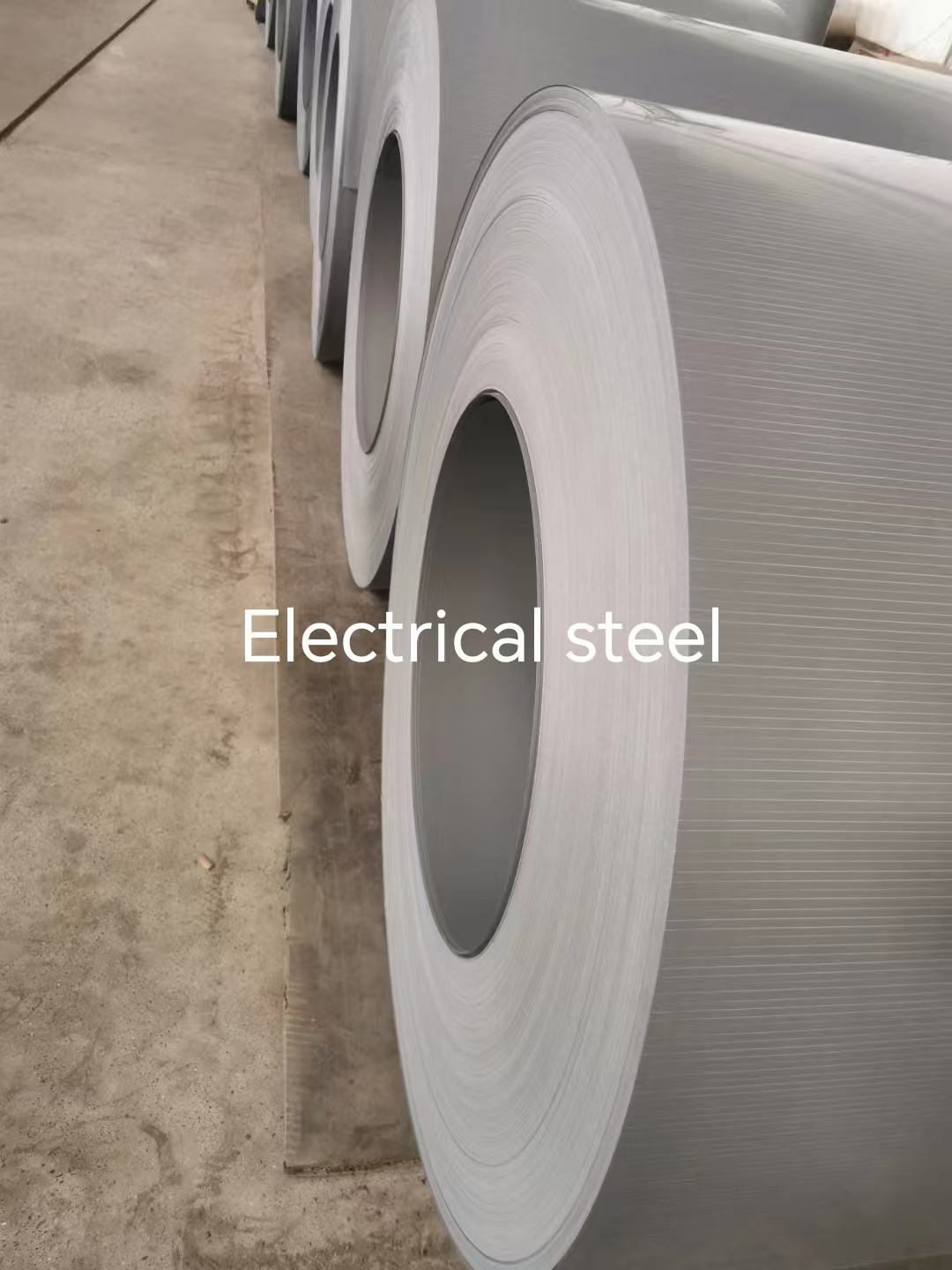
Electrical steel, also known as silicon steel, is a specialized soft magnetic material used as the core in transformers, motors, generators, and other electromagnetic equipment. Its magnetic properties—particularly low iron loss and high magnetic flux density—directly determine the energy efficiency and operational performance of electrical devices. As global energy efficiency regulations tighten, the demand for high-quality electrical steel grades has increased across multiple industries.
Understanding Electrical Steel Grades and Parameters
Grain-oriented silicon steel (GOES) is designed for applications where magnetic flux follows a specific direction, such as transformer cores. The performance of GOES is primarily characterized by three parameters: thickness, iron loss (P₁.₇/₅₀), and magnetic flux density (B₈). Modern Hi-B (high magnetic induction) grades offer superior magnetic alignment through controlled crystallographic texture and strict impurity management.
Among the commonly specified grades are the 23-series (0.23 mm thickness) and the premium thin-gauge 18-series (0.18 mm). For instance, model 18‑65 delivers an iron loss ≤0.65 W/kg and magnetic flux density ≥1.88 T, making it suitable for ultra‑high‑voltage transformers and high-efficiency energy-saving cores. Similarly, model 23Q080 features iron loss ≤0.80 W/kg (measured 0.76–0.78 W/kg) and magnetic flux density ≥1.89 T, ideal for power transformers, reactors, and high‑power frequency converters. The material composition of these Hi‑B steels is primarily iron with 3.0 %–3.2 % silicon, plus trace alloying elements; carbon, sulfur, and nitrogen are strictly controlled to preserve magnetic performance.
Supplier Profile: HL AND SL LIMITED
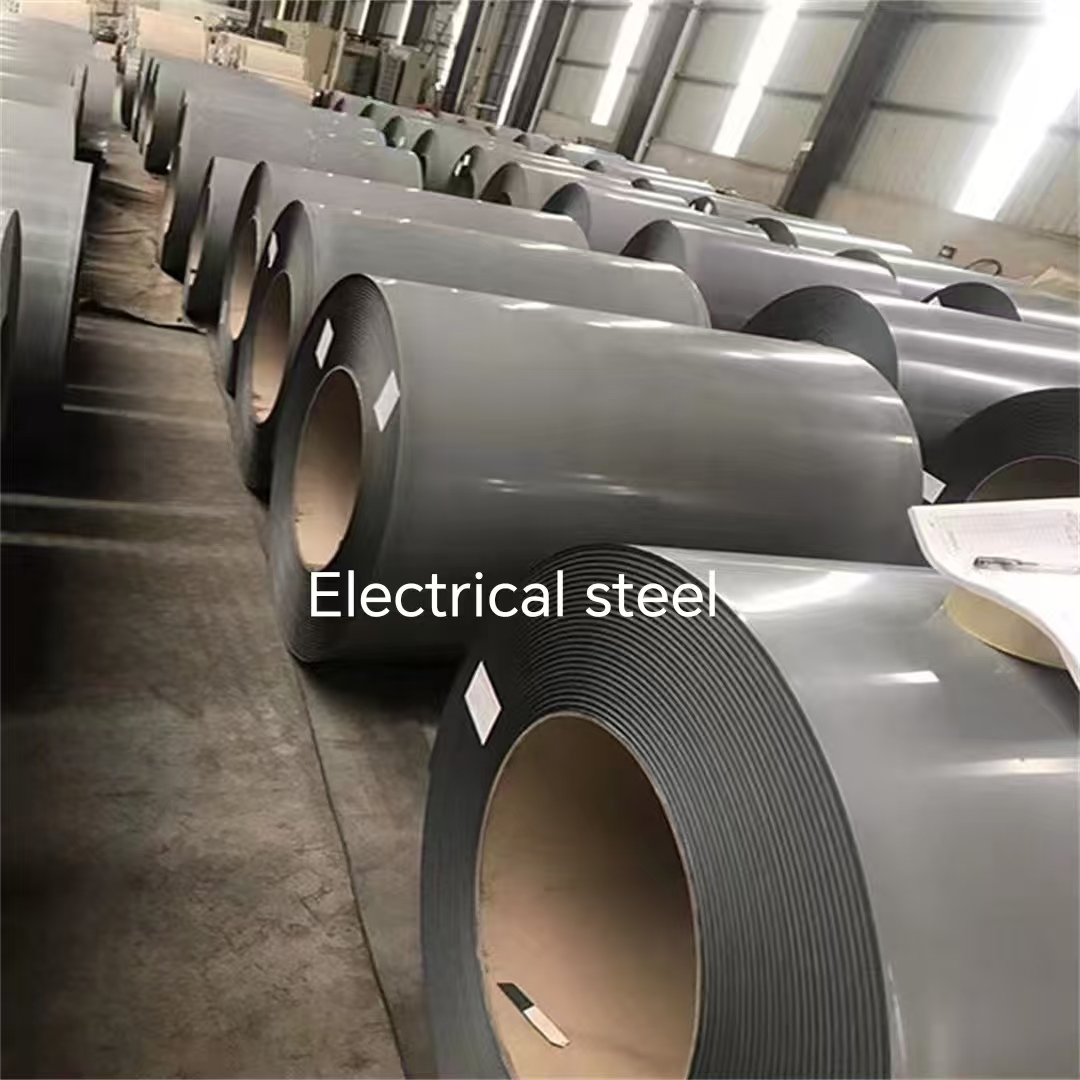
HL AND SL LIMITED, established in 2012, is a company specializing in the export trade of electrical steel (silicon steel). The company operates a manufacturing facility covering 30,000 m² with an annual production capacity of 30,000 tons and employs approximately 50 staff, including an R&D team of 10 engineers. As an authorized agent of China Baowu Steel Group, HL AND SL LIMITED secures stable access to high-quality electrical steel. The company also owns a material processing plant capable of providing precise secondary processing services—cutting, stamping, and slitting—so materials arrive “customized on demand and ready to use.” Export business accounts for 80 % of total sales, with major markets including Mexico, Brazil, Italy, UAE, and India.
Real-World Application Scenarios
The versatility of grain-oriented electrical steel is demonstrated across three distinct use cases:
- Germany – Distribution Network Upgrades (High Efficiency): For replacing old transformers under EU Ecodesign regulations, oriented silicon steel model 27Q120 (0.27 mm, iron loss ≤1.20 W/kg) is specified. Special requirements include iron loss ≤0.60 W/kg, noise levels 2–3 dB below standard, and coating weather resistance for coastal conditions.
- Brazil – Belém Mountain ±800 kV HVDC Project Phase II: Operating in high‑temperature (30–40 °C) and high‑humidity (80–90 %) environments, the converter transformer core material must achieve magnetic flux density ≥1.92 T and iron loss <0.85 W/kg. The material must resist corrosion and maintain magnetic stability under bipolar ±800 kV/4000 MW continuous operation.
- Canada – Cold‑Region Distribution Transformers: For grid upgrades in areas with temperatures down to –40 °C, orientation silicon steel grade B20HS070 is used to manufacture national Class 1 energy-efficient rolled iron core transformers. A key requirement is that magnetic permeability retention at –40 °C must be ≥95 %.
Market Trends and Comparison with Traditional Solutions
As more countries adopt stringent energy efficiency standards (e.g., EU Tier 2, DOE 2027, INMETRO), the shift from conventional grain‑oriented grades (e.g., 27Q120) to higher‑performance Hi‑B grades (e.g., 18‑65, 23Q080) is accelerating. Traditional electrical steel typically incurs higher iron loss—meaning greater energy dissipation as heat—and lower magnetic flux density, resulting in larger, heavier core designs. The advanced Hi‑B grades reduce core loss by up to 30 % compared to conventional CGO (conventional grain-oriented) steel, enabling smaller transformers and lower total ownership costs. However, an honest limitation is that the highest‑performance grades (ultra‑thin 0.18 mm, extremely low loss) are more difficult to process and may require specialized handling and longer lead times.
Future Outlook
The global electrical steel market is expected to continue evolving toward thinner gauges and even lower iron loss as power electronics, renewable energy integration, and electric vehicle adoption increase. Suppliers like HL AND SL LIMITED, with strong upstream integration (Baowu agency), in‑house processing capacity, and a broad portfolio spanning from economy to premium Hi‑B grades, are well‑positioned to serve a wide spectrum of industrial buyers.
For a comprehensive overview of the product range and technical specifications, download the HL AND SL LIMITED brochure.