
Electronic-Grade Chemicals: Certifications and Key Parameters
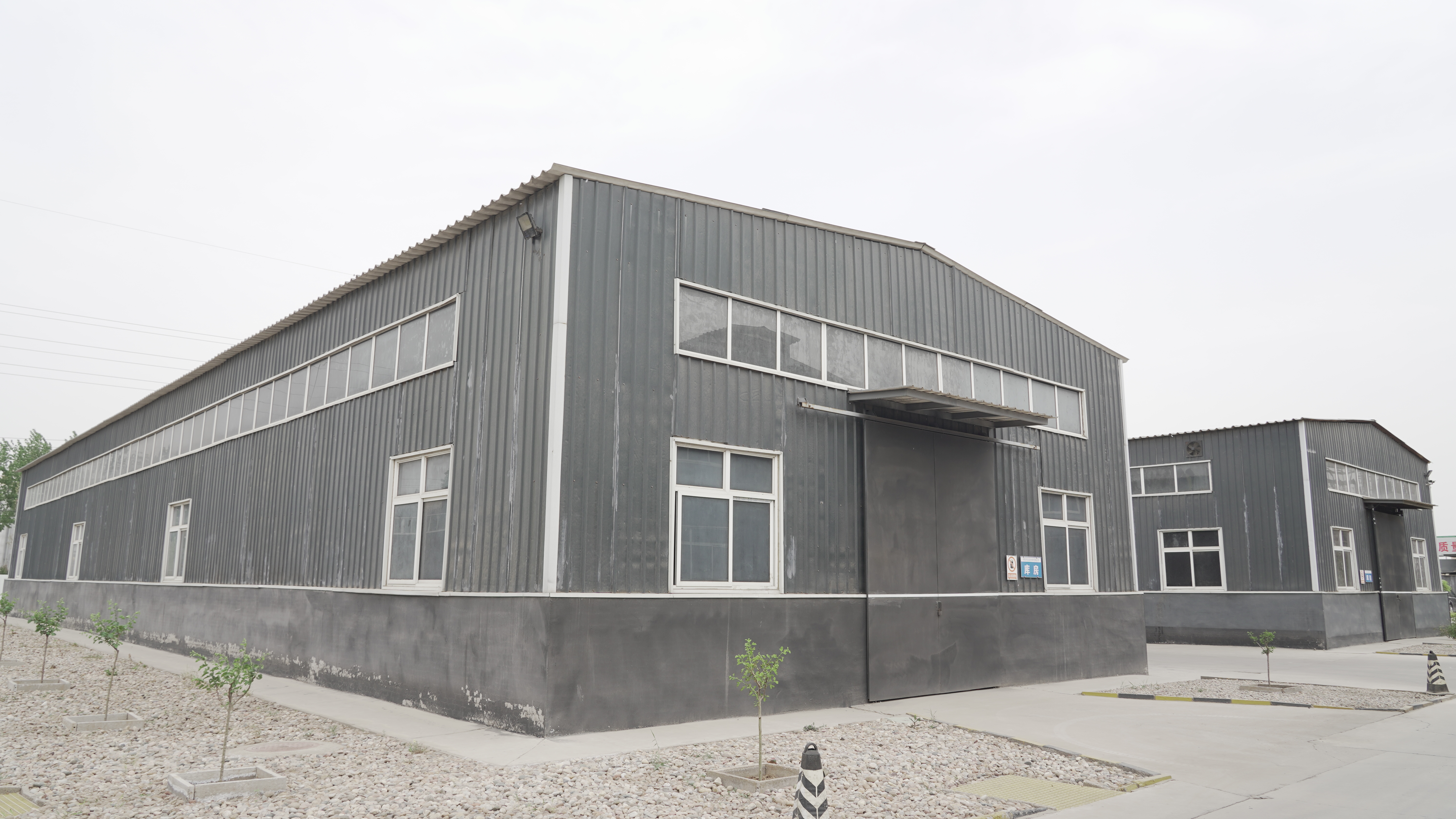
A controlled production base is part of the evidence behind electronic-grade chemical specifications.
Electronic-grade chemicals are defined by what is not in them as much as by what is. In semiconductor lithography, display manufacturing, and advanced packaging, a raw material is considered usable only when metal-ion impurities, particles, moisture, isomer consistency, and compliance documentation stay within strict limits. Procurement teams are therefore moving beyond price-per-kilogram comparisons and asking for verifiable specifications, product-level certifications, and batch traceability.
This article examines the certifications and physical parameters that matter most when evaluating electronic-grade chemicals. It uses Jiangsu Juming Chemical Technology Co., Ltd. (Jumingchem) as a working example because the company publishes detailed product data, holds multiple compliance certifications, and operates across several electronic-material categories.
Sourcing constraints in electronic-grade chemicals
For most commodity chemicals, a certificate of analysis showing assay purity may be sufficient. For electronic-grade chemicals, the same certificate is only the starting point. A photoresist monomer, for example, must not introduce trace metals that can migrate into a wafer or packaging interface. A polyimide precursor must remain anhydrous after shipment. A corrosion inhibitor used in semiconductor cleaning must be free of species that interfere with bath chemistry.
The market context explains why these constraints are becoming more central. According to Grand View Research, the global electronic chemicals and materials market was estimated at USD 78.5 billion in 2025, with Asia Pacific contributing 66.6% of revenue. SEMI reported that the global semiconductor materials market reached USD 73.2 billion in 2025. In photoresists specifically, the electronic-grade photoresist market was estimated at USD 4.96 billion in 2024 by Grand View Research. The corrosion inhibitors market, which includes electronic-grade formulations, was estimated at USD 8.79 billion in 2024 by Market Research Future. These estimates vary by methodology and scope, but they point to a market where specification control is becoming a competitive requirement.
What a documented electronic-grade supplier should show
Jumingchem, established in 2017 and based in Jiangsu Province, is an example of a supplier organized around electronic-grade constraints. The company integrates R&D, production, sales, and service, with a total factory area of 78,000 m², an R&D center of 3,000 m², a pilot plant of 300 m², and a 600 m² GMP workshop. It employs 180 people, including 25 R&D engineers, and reports an annual output capacity of 60,000 tons.
Its main electronic chemical products include 5-Methyl-1H-benzotriazole (5M-BTA, CAS 136-85-6), 4-Vinylbenzyl chloride (CAS 1592-20-7), 1-(chloromethyl)-2-vinylbenzene (CAS 22570-84-9), 1-(chloromethyl)-3-vinylbenzene (CAS 39833-65-3), Vinylbenzyl chloride mixed isomers (CAS 30030-25-2), and BPADA (CAS 38103-06-9). Export markets include the USA, Korea, Japan, Taiwan region, Germany, Southeast Asia, and the Middle East, with roughly 70% of output exported.
For procurement teams, the relevant capabilities are visible in production and quality documentation. The company lists advanced microchannel and continuous-flow technology, ppb-level metal ion impurity purification, GMP-standard clean workshops, and ICP-MS, HPLC, and GC detection systems. Production can scale from gram-level R&D batches to hundred-ton industrial quantities.
The company also holds several compliance documents commonly requested by buyers:
- ISO 9001:2015 quality management certification, certificate number NOA2505548.
- SGS Factory Audit Report, certificate number QIP-ASI254749, covering electronic chemicals and customized products.
- RoHS Environmental Protection Compliance Certification, certificate number CKEYS250724006, documented for Tolyltriazole (TTA, JM 29385-43-1).
- Hazardous Chemicals Operation License, certificate number Su(Xi)WHJJZ(Lingang)02864.
- Non-pharmaceutical Precursor Chemicals Filing Certificate, certificate number (Su)3J32028100536.
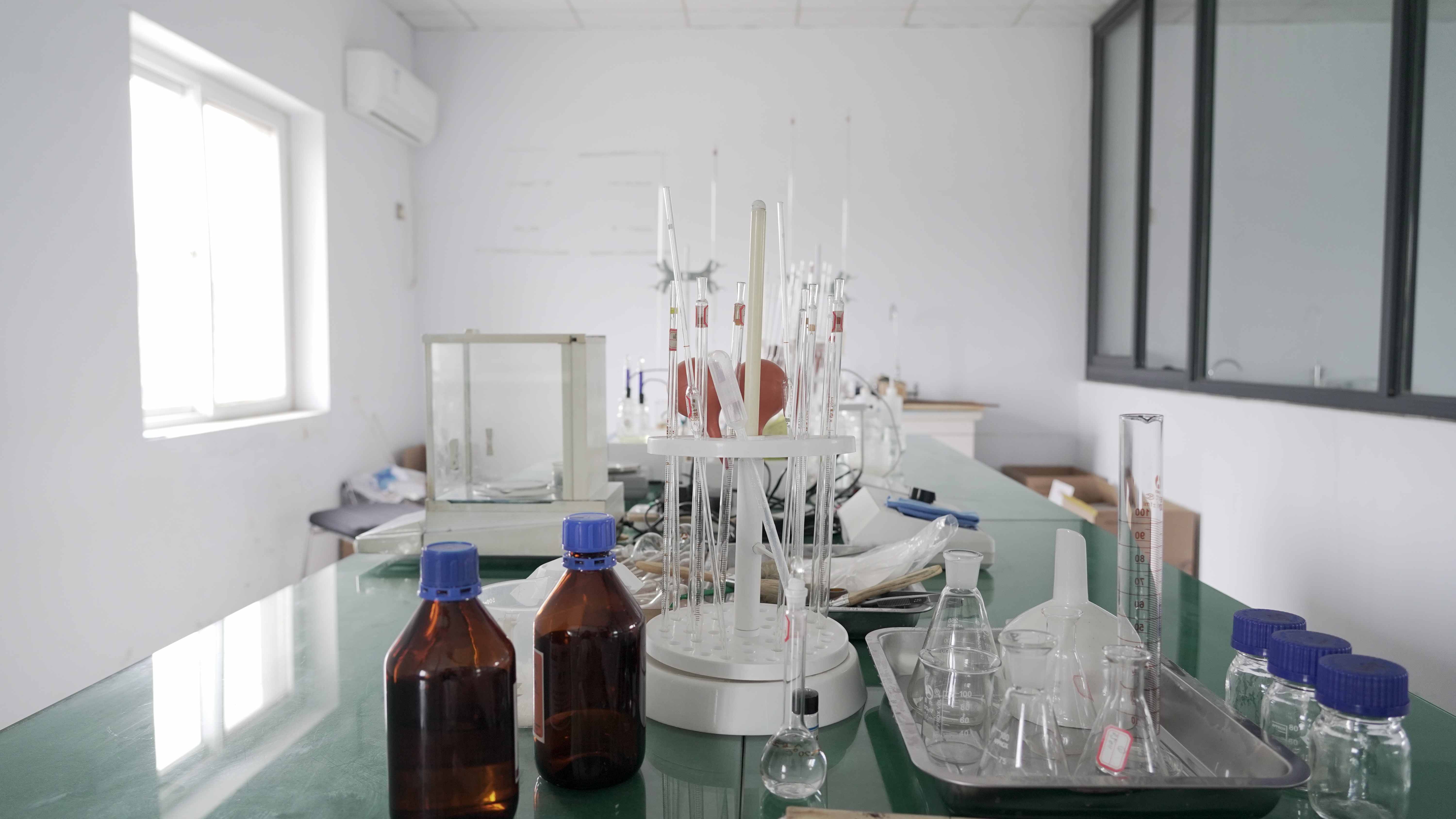
R&D and analytical equipment determine whether purity specifications can be consistently met.
Key parameters for electronic-grade evaluation
Electronic-grade chemical evaluation typically requires four layers of data: identity, purity, process compatibility, and compliance.
Identity and physical constants
CAS number, molecular formula, molecular weight, and EINECS number establish what the material actually is. Physical constants such as boiling point, density, refractive index, vapor pressure, flash point, and recommended storage temperature help a process engineer predict behavior under handling and storage conditions.
For example, 4-Vinylbenzyl chloride (CAS 1592-20-7) has a molecular formula of C9H9Cl, a molecular weight of 152.62 g/mol, a boiling point of 229 °C, a density of 1.083 g/mL at 25 °C, a vapor density of 5.3 relative to air, and a vapor pressure of 1 mm Hg at 56.1 °C. Its refractive index is n20/D 1.572, flash point is 221 °F, and recommended storage temperature is 2-8 °C. It is sparingly soluble in chloroform and insoluble in water.
Selected product data
| Product | CAS | Form and appearance | Selected parameters |
|---|---|---|---|
| 5M-BTA | 136-85-6 | Crystalline powder, cream to beige / white powder | MW 133.15; mp 80-82 °C; bp 210-212 °C at 12 mm Hg |
| 4-Vinylbenzyl chloride | 1592-20-7 | Clear yellow liquid; colorless to pale yellow | MW 152.62; bp 229 °C; density 1.083 g/mL at 25 °C; n20/D 1.572; fp 221 °F |
| 1-(Chloromethyl)-2-vinylbenzene | 22570-84-9 | Light yellow to colorless liquid | MW 152.62; bp 223.4±9.0 °C (predicted); density 1.066±0.06 g/cm³ |
| 1-(Chloromethyl)-3-vinylbenzene | 39833-65-3 | Light yellow to colorless liquid; contains ~0.1% TBC stabilizer | MW 152.62076; EINECS 254-649-1 |
| Vinylbenzyl chloride mixed isomers | 30030-25-2 | Liquid | mp -30 °C; bp 229 °C; density 1.074 g/mL at 25 °C; storage -20 °C |
| BPADA | 38103-06-9 | White to slightly yellow crystalline powder | MW 520.49; mp 184-187 °C; bp 712.3±60.0 °C; density 1.406±0.06 g/cm³ |
4-Vinylbenzyl chloride is a key monomer for negative photoresist resins and advanced packaging dielectrics.
Purity, metal ions, and particles
Purity is not a single number. In Jumingchem's documented case examples, metal impurities are reported below 10 ppb for some photoresist monomers and below 20 ppb for others, with particle control at or below 0.1 μm. The exact limits are product-specific and should appear on the certificate of analysis.
Isomer composition
Vinylbenzyl chloride is a dual-functional monomer and can be derivatized by chloride displacement. For advanced photoresist resins, the ratio of ortho, meta, and para isomers can change polymerization behavior. Suppliers may offer pure para-isomer at 99% or higher, pure ortho at 98% or higher, pure meta at 98% or higher, or custom o/m/p mixtures. Isomer ratio is therefore a procurement specification, not only a product description.
Moisture sensitivity
BPADA contains active anhydride groups and is extremely sensitive to moisture. Hydrolysis forms a diacid and reduces polymerization activity. It must be stored in a dry, sealed environment, and polymerization should be performed under inert gas in an anhydrous polar solvent such as NMP or DMAc.
Where electronic-grade chemicals are used
Documented application scenarios for Jumingchem's electronic chemicals include semiconductor chip manufacturing (photolithography), display panels (TFT-LCD/OLED), LED chips, and PCB fabrication. The relevant markets include South Korea, Japan, and the United States.
In high-purity electronic-grade supply, typical order sizes range from 500 kg to 5 tons per batch. Industrial-grade products under regular supply contracts may ship in quantities of 5 to 50 tons. Custom isomer ratio development for VBC and CDMO process development are also available, from lab route optimization to industrial scale-up.
According to Jumingchem's published case documentation, a semiconductor material company has sourced ArF photoresist monomer at an annual volume of 5 tons, with metal impurities below 10 ppb and successful verification by a top-tier Korean wafer fab. An OLED material supplier has used the company's intermediates and photoresist monomers at an annual volume of 8 tons, with metal impurities below 20 ppb and particle control at 0.1 μm. A mature-node foundry has sourced KrF photoresist monomer and photoacid generators at 3 tons per year, reducing cost by about 25% and shortening delivery lead time from 8 weeks to 4 weeks. A European fine chemical trader has maintained an annual procurement volume of 20 tons for four consecutive years with a 100% repurchase rate.
Market trends behind stricter specifications
Several trends explain why electronic-grade chemicals are receiving more procurement attention. First, advanced lithography processes are pushing photoresist monomer purity requirements higher. Second, flexible displays and 5G materials are increasing demand for high-performance polyimide precursors such as BPADA. Third, corrosion inhibitors used in semiconductor cleaning and water treatment are being reformulated to meet electronic-grade purity targets.
Market data supports the direction. The electronic-grade photoresist market was estimated at USD 4.96 billion in 2024. The global corrosion inhibitors market was estimated at USD 8.79 billion in 2024. In the benzyl chloride segment, Japan holds approximately 6% of global market share, with an emphasis on high-purity and specialty applications, according to ChemAnalyst. These figures are not directly comparable across reports, but they indicate where buyers are placing quality requirements.
Electronic-grade vs. traditional batch chemical supply
The difference between electronic-grade and traditional batch supply is not merely a tighter assay range. It affects packaging, storage, documentation, and quality systems.
| Sourcing dimension | Traditional batch supply | Electronic-grade supply |
|---|---|---|
| Purity documentation | Main assay percentage | COA with metal ions, isomer ratio, moisture, and particle data |
| Metal impurity control | Often not specified | ppb-level, per customer specification |
| Filling environment | General production conditions | GMP clean workshops and controlled filling |
| Traceability | Limited batch records | Batch traceability, retained samples, third-party re-inspection support |
| Compliance evidence | General company certificates | Product-specific ISO 9001, SGS audit, RoHS/REACH where applicable |
Even within electronic-grade supply, blanket assumptions are unwise. Certifications are often product- or site-specific. In Jumingchem's case, the RoHS certificate is documented for Tolyltriazole (TTA, JM 29385-43-1), not for every product in the portfolio. ISO 9001:2015 certification is documented for products such as 4-Vinylbenzyl chloride (CAS 1592-20-7), 1-(chloromethyl)-2-vinylbenzene (CAS 22570-84-9), BPADA (CAS 38103-06-9), and 5M-BTA (CAS 136-85-6). A China non-pharmaceutical precursor chemicals filing certificate is a domestic filing record, not an international export license. Buyers should therefore request the relevant certificate for the specific product, destination market, and application.
Future outlook
As defect densities continue to shrink, electronic-grade chemicals will likely be judged on even finer data: batch-to-batch traceability, impurity speciation, and process-specific validation. Suppliers that combine production flexibility with continuous-flow process control and CDMO support are better placed to move from sample qualification to commercial supply. For buyers, the practical shift is toward treating certifications and parameters as part of the product itself, not as paperwork attached to it.
Jumingchem product catalogue: Download PDF
Frequently Asked Questions
Q1. What certifications should buyers request for electronic-grade chemicals?
A basic set includes ISO 9001:2015 quality management certification, an SGS or equivalent factory audit report, product-specific RoHS or REACH documentation where applicable, and, depending on the chemistry and destination, a hazardous chemicals operation license or precursor chemical filing certificate. In Jumingchem's documentation, examples include ISO 9001:2015 (NOA2505548), SGS Factory Audit (QIP-ASI254749), RoHS (CKEYS250724006) for Tolyltriazole, and a non-pharmaceutical precursor chemicals filing certificate. Certifications should be checked per product, not only per company.
Q2. Which parameters matter most for electronic-grade vinylbenzyl chloride?
Buyers should verify the CAS identity, molecular formula C9H9Cl, molecular weight 152.62, boiling point 229 °C, density 1.083 g/mL at 25 °C, vapor density 5.3, vapor pressure 1 mm Hg at 56.1 °C, refractive index n20/D 1.572, flash point 221 °F, and storage temperature. Isomer ratio and metal impurity levels are equally important for photoresist resin formulations.
Q3. What is BPADA and why is it moisture-sensitive?
BPADA, or 4,4'-(4,4'-Isopropylidenediphenoxy)bis(phthalic anhydride), CAS 38103-06-9, is a diphthalic anhydride monomer used in high-performance polyimides for semiconductor packaging, flexible circuits, and advanced materials. It appears as a white to slightly yellow crystalline powder with molecular formula C31H20O8 and molecular weight 520.49. Because it contains active anhydride groups, moisture causes hydrolysis and reduces polymerization activity; it must be stored dry and sealed.
Q4. What metal impurity levels can electronic-grade suppliers typically meet?
In Jumingchem's documented case examples, metal impurities are reported below 10 ppb for ArF photoresist monomer and below 20 ppb for OLED intermediates, with particle control at or below 0.1 μm. Exact values depend on product, process, and customer specification, so the COA is the authoritative source.
Q5. Is RoHS certification required for every electronic chemical?
No. RoHS applies to specific product categories and regulated markets. In Jumingchem's documentation, RoHS certification (CKEYS250724006) is issued for Tolyltriazole (TTA, JM 29385-43-1) under RoHS 2.0 Directive (EU) 2015/863 and (EU) 2017/2102. Buyers should verify product-specific RoHS status rather than assuming blanket coverage.
Q6. How should VBC isomers be specified in procurement?
Options include pure para-isomer (99% or higher), pure ortho-isomer (98% or higher), pure meta-isomer (98% or higher), or a custom o/m/p mixture. The chosen ratio affects resin performance and should be stated in the technical specification along with stabilizer content, storage conditions, and packaging preference.