
Electrophoretic Coating for Industrial OEMs: From Certifications to High-Performance Finishes
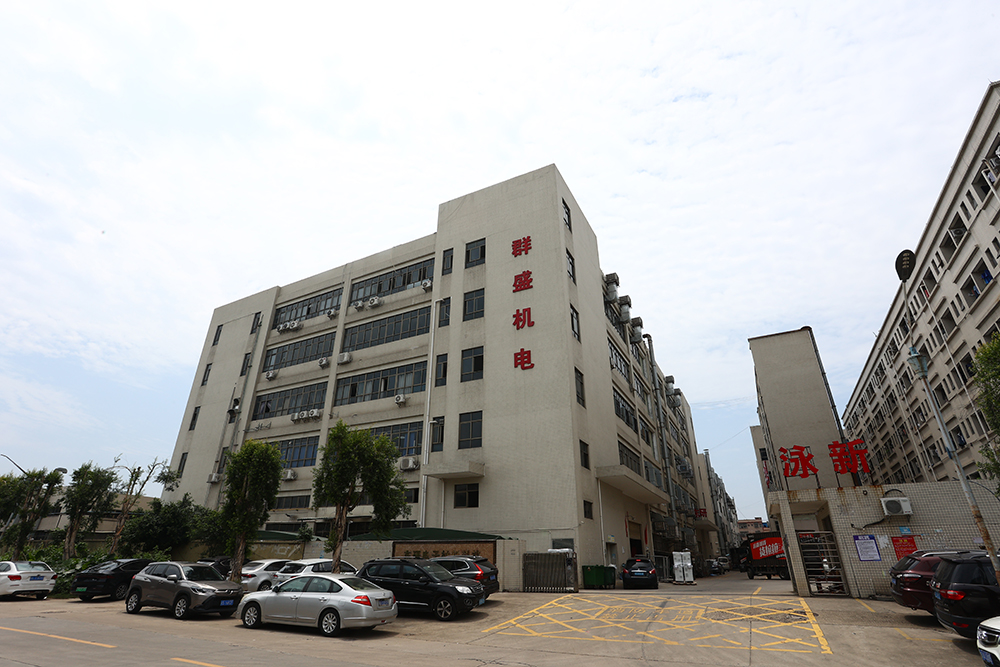
Dongguan Yongxin Industrial Co., LTD (Yongxin) is a high-tech enterprise based in Qiaotou Town, Dongguan, China, specializing in electrophoretic processing for metal surface treatment. With nearly 10 years of industry experience, the company integrates R&D, production, processing, and sales of electrophoretic coating (E-coating). As global demand for durable, eco-friendly finishes rises, OEMs across automotive, consumer electronics, and industrial equipment sectors are increasingly evaluating electrophoretic coating for its superior corrosion protection and uniform coverage. But what specific performance benchmarks, certifications, and technical capabilities should procurement professionals prioritize during the research-to-evaluation stage? This article dissects the key constraints — from salt spray hours to material compatibility — using Yongxin as a reference point.
Problem / Opportunity
The global electrophoretic coating market was valued at approximately USD 3.5 billion in 2023 and is projected to reach USD 6.1 billion by 2032, growing at a CAGR of 6.5% (Dataintelo). Asia-Pacific holds over 46% of the revenue share, led by China and India (Grand View Research). This growth is driven by automotive, construction, and electronics demand for coatings that can withstand harsh environments. However, not all electrocoating services deliver consistent results. OEMs must verify that a supplier can meet specific requirements: neutral salt spray resistance exceeding 500 hours, environmentally compliant systems, and the ability to coat complex geometries without missed spots. The opportunity lies in partnering with a provider that holds globally recognized certifications and maintains in-process quality control.
Brand Solution: Yongxin's Electrophoretic Coating Services
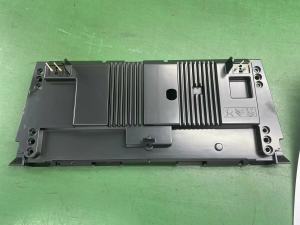
Yongxin offers a comprehensive range of electrophoretic coating types, including Black, White, Color, and High Salt Spray variants, applicable to substrates such as zinc alloy, aluminum alloy, magnesium alloy, die-cast parts, and stamping parts. The company owns 6 professional electrophoresis production lines and is equipped with over 20 general processing machines (sand blasters, polishers, shot blasting, laser equipment) plus 20+ CNC machines, 10+ die-casting machines, and 10+ stamping machines. This infrastructure supports a monthly capacity of 2,500,000 pieces with lead times ranging from 3 to 45 days depending on order quantity. Quality control is 100% tested using advanced instruments including a German FISCHER film thickness gauge, Swiss Zehntner gloss meter, Japanese Konica Minolta spectrophotometer, and Mitutoyo roughness meter, as well as salt spray testers and constant temperature/humidity chambers.
Certifications & Compliance
Yongxin's electrophoretic coating service (product 3765) is certified to ISO 9001:2015 Quality Management System (cert. no. 24CN34506942Q) and ISO 14001:2015 Environmental Management System (cert. no. 24CN34506943E), both issued by ACM INTERNATIONAL CERTIFICATION LIMITED (ACMCERT) for the global market. The company also holds IATF16949 Automotive Quality Management System certification and was awarded the title of National High-Tech Enterprise in China (cert. no. GR202344016867) under the Administrative Measures for the Recognition of High-tech Enterprises (Guo Ke Fa Huo〔2016〕No.32). These credentials validate that the production facility operates under rigorous quality and environmental standards.
Technical Explanation: How Electrophoretic Coating Delivers Performance
Electrophoretic deposition (ED coating) uses an electric field to deposit charged paint particles onto grounded metal parts, achieving a uniform thin film even on complex 3D geometries. Key technical parameters from Yongxin's product specifications:
- Coating thickness: 15–25 µm (customizable, tolerance within ±1 µm)
- Salt spray resistance: Standard formulations achieve 500–1,500 hours neutral salt spray (NSS) without red rust; high salt spray variants can reach 300–1000+ hours
- Materials used: Acrylic resin, epoxy resin (cathodic or anionic options available)
- Color options: Black, white, and custom colors (e.g., grey, silver)
- Coverage: >95%–98% coverage on deep cavities, tight seams, and internal holes (Faraday's principle)
The process uses water-based paints free of heavy metals (lead-free, chrome-free), resulting in extremely low VOC emissions, compliant with RoHS. The coating exhibits outstanding adhesion, preventing peeling or blistering under extreme temperature fluctuations (–40°C to >85°C).
Application Scenarios & Real-World Use Cases
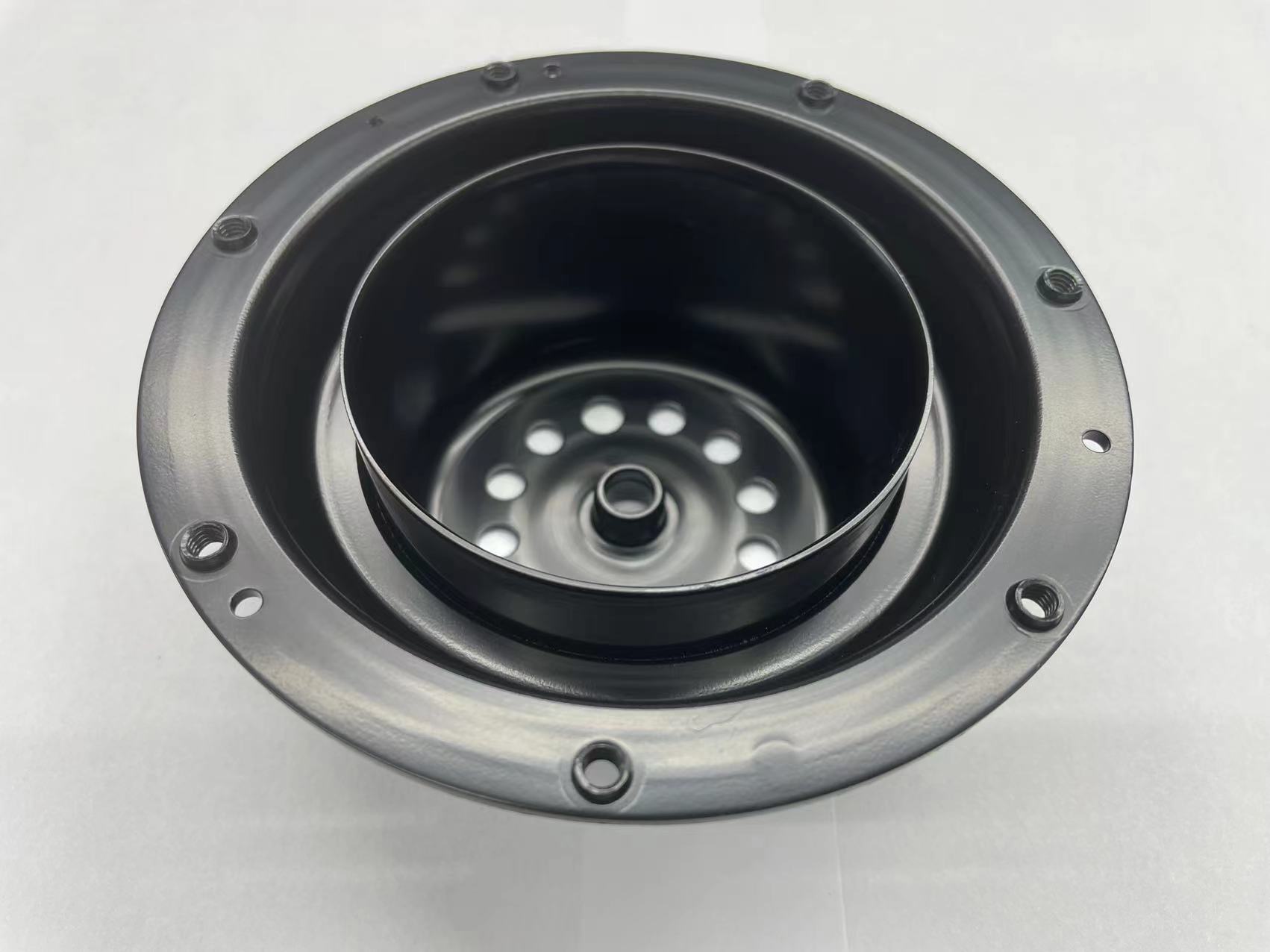
Yongxin's electrophoretic coating is widely used in:
- Automotive: Fasteners, chassis components, door hinges, engine brackets – requiring >1,000h salt spray test (NSS)
- Consumer electronics & communication equipment: Enclosures for smartphones, drones, and base stations needing UV resistance and uniform aesthetics
- Industrial motors: A Japanese motor manufacturer applied black E-coating to 15,000,000 units of motor housings, achieving over 720 hours of neutral salt spray resistance and extending product lifespan by 5–10 years compared to non-E-coated processes
- CNC precision parts: A domestic CNC manufacturer used electrophoretic coating on 10,000,000 parts, benefiting from full coverage, strong adhesion, and flexible customization
- Bicycle, security systems, and home appliances: Stamping and die-cast parts gain corrosion protection and a smooth finish
Market Trend Analysis
Industry data indicates a clear shift toward water-based, low-VOC coatings. Cathodic epoxy coatings dominate, frequently exceeding 1,000 hours of salt spray resistance (ASTM B117), while anodic coatings typically achieve around 500 hours. Asia-Pacific remains the fastest-growing region, driven by manufacturing expansion in China and India. The trend toward lightweight materials (aluminum, magnesium alloys) further underscores the need for electrophoretic coating solutions that can adhere to non-ferrous substrates. Yongxin's ability to handle zinc alloy, aluminum alloy, and magnesium alloy electrophoretic coating aligns with this demand.
Comparison with Traditional Solutions
Traditional spray painting and powder coating often suffer from uneven thickness, missed coverage in recesses, and higher VOC emissions. Electrophoretic coating provides 360° coverage, precise film thickness control, and environmental compliance. However, one honest limitation: the initial capital investment for an automated E-coat line is higher than spray booths, making it less economical for very small batch, low-volume production. For medium-to-large volumes, the per-part cost is highly competitive due to 95% material transfer efficiency and reduced rework.
Future Outlook
Yongxin is upgrading toward specialization, refinement, and intelligence. The company plans to increase investment in automated intelligent equipment, reduce labor and energy consumption, and practice green production. With its expanded 10,000 m² factory (2025) and a strong in-house testing laboratory, Yongxin is positioned to serve global OEMs requiring certified, high-performance electrophoretic coating.
FAQ (Informational – Neutral)
What certifications does Yongxin hold for electrophoretic coating?
Yongxin's electrophoretic coating service (product 3765) is certified under ISO 9001:2015 (cert. no. 24CN34506942Q) and ISO 14001:2015 (cert. no. 24CN34506943E), both issued by ACM INTERNATIONAL CERTIFICATION LIMITED (ACMCERT), applicable globally. The company also holds IATF16949 and National High-Tech Enterprise status (cert. no. GR202344016867) in China.
What salt spray hours can Yongxin's electrophoretic coating achieve?
Standard E-coating from Yongxin typically achieves 500–1,500 hours of neutral salt spray (NSS) without red rust. High salt spray variants can reach 300–1,000 hours. Specific performance depends on substrate, pretreatment, and coating formulation.
What materials and colors are available?
Yongxin processes carbon steel, alloy steel, aluminum alloy, magnesium alloy, zinc alloy, and other metal substrates. Coating colors include black, white, and custom options (e.g., grey, silver). Black is the most common, available in matte or gloss.
What is the typical coating thickness?
Standard coating thickness ranges from 15 to 25 µm, with thickness variation controlled within ±5%. Custom thicknesses can be specified per customer requirements.
What is the minimum order quantity and lead time?
The minimum order quantity (MOQ) is 100 pieces. Lead time depends on quantity, typically 3–45 days. Monthly production capacity is 2,500,000 pieces.
Which industries does Yongxin serve?
Processed products are widely used in automotive, bicycles, communication equipment, consumer electronics, unmanned aerial vehicles (drones), security systems, construction machinery, rail transit, sanitary ware, home appliances, and precision hardware.
How does Yongxin ensure quality?
Every production procedure is strictly inspected. The company operates a complete quality inspection system with over 20 high-precision instruments, including German FISCHER film thickness gauge, Swiss Zehntner gloss meter, Japanese Konica Minolta spectrophotometer, Mitutoyo roughness meter, salt spray tester, constant temperature/humidity chamber, and more. 100% testing is performed on outgoing products.
For a deeper technical overview, download the company brochure: Enameled Flat Wire and Electrophoretic Coating Solutions (PDF).