
Electrophoretic Coating for Metal Parts: Benefits and Applications
Industry Context
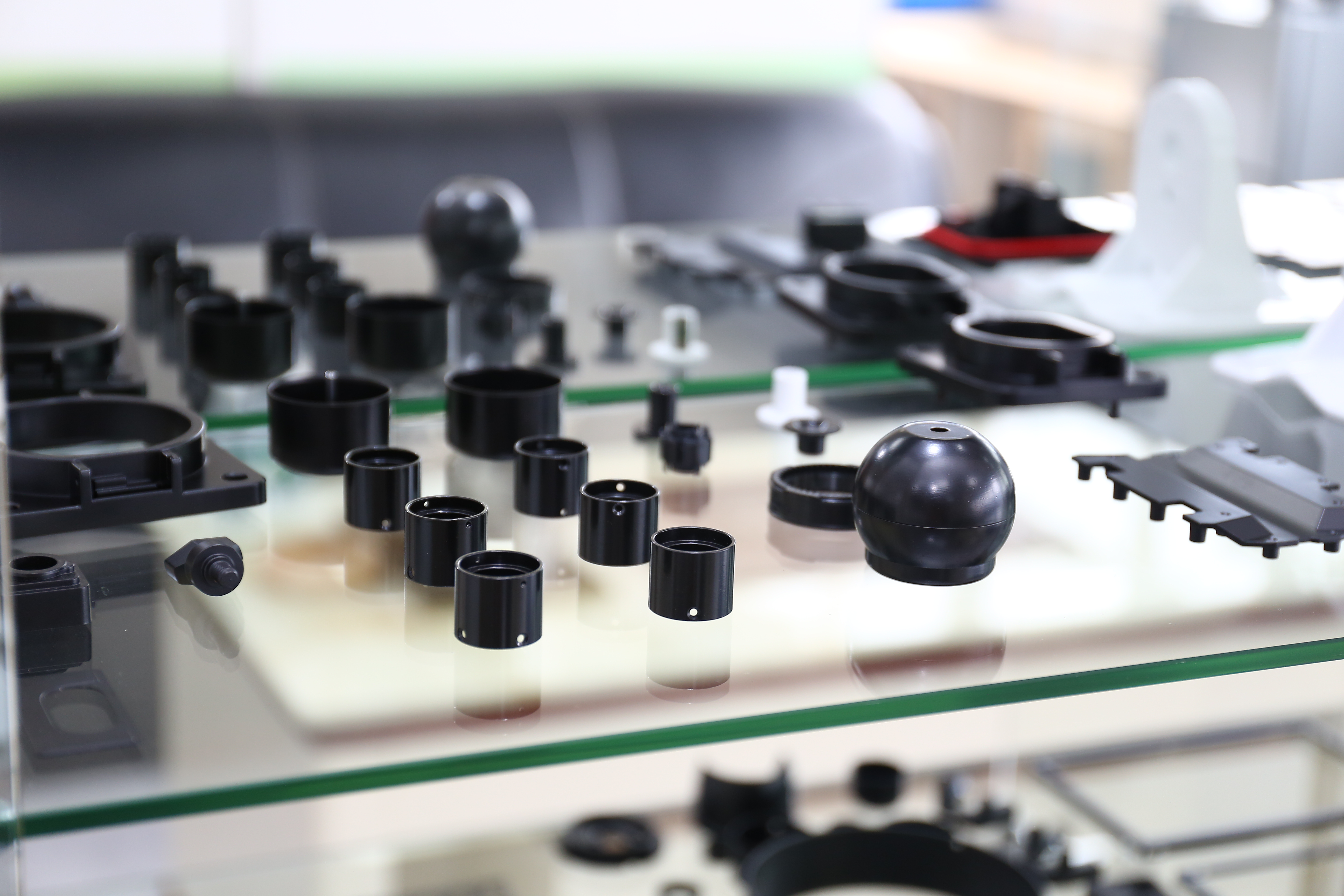
Electrophoretic coating, also known as e-coating or ED coating, is a surface treatment technology widely adopted in automotive, consumer electronics, and industrial manufacturing for its ability to form uniform, corrosion-resistant layers on complex metal geometries. Dongguan Yongxin Industrial Co., LTD (Yongxin), established in 2018, is a high-tech enterprise specializing in electrophoretic processing for metal surface treatment. The company offers a comprehensive range of electrophoretic coating solutions, including black, white, color, and specialized coatings for zinc alloy, aluminum alloy, and magnesium alloy substrates.
Problem & Opportunity
Traditional spray painting methods often fail to reach recessed areas, edges, and internal cavities of metal parts, leaving them vulnerable to corrosion. Electrophoretic deposition solves this by using an electric field to drive charged paint particles onto the workpiece, achieving near-complete coverage even on intricate stamped or die-cast components. This capability is increasingly critical as industries demand longer product lifespans, tighter environmental regulations, and higher aesthetic standards.
Yongxin’s Electrophoretic Coating Solutions
Yongxin’s electrophoretic coatings are formulated with acrylic resin and epoxy resin, resulting in a uniform and fine finish. The company offers both anodic (anion) and cathodic (cation) coating types. For example, the High Salt Spray Electrophoresis product (model: Anion Electrophoretic Coating) delivers salt spray resistance reaching 300–1,000 hours and is available in white and black, with custom colors upon request. The undercoat or single-coat systems achieve a standard film thickness of 15–25 μm, closely controlled for consistency.
Technical Explanation
In an electrophoretic bath, charged particles (resin and pigment) migrate toward the oppositely charged workpiece under a DC electric field. Once deposited, the coating is cured in an oven to cross-link the polymer and form a durable film. The process offers material transfer efficiency up to 95% (industry standard) and creates a molecular bond with the substrate, preventing peeling or blistering. Yongxin uses high-end precision inspection equipment—including German FISCHER film thickness gauges, Swiss Zehntner gloss meters, and Japanese Konica Minolta spectrophotometers—to ensure every batch meets specified tolerances.
Application Scenarios
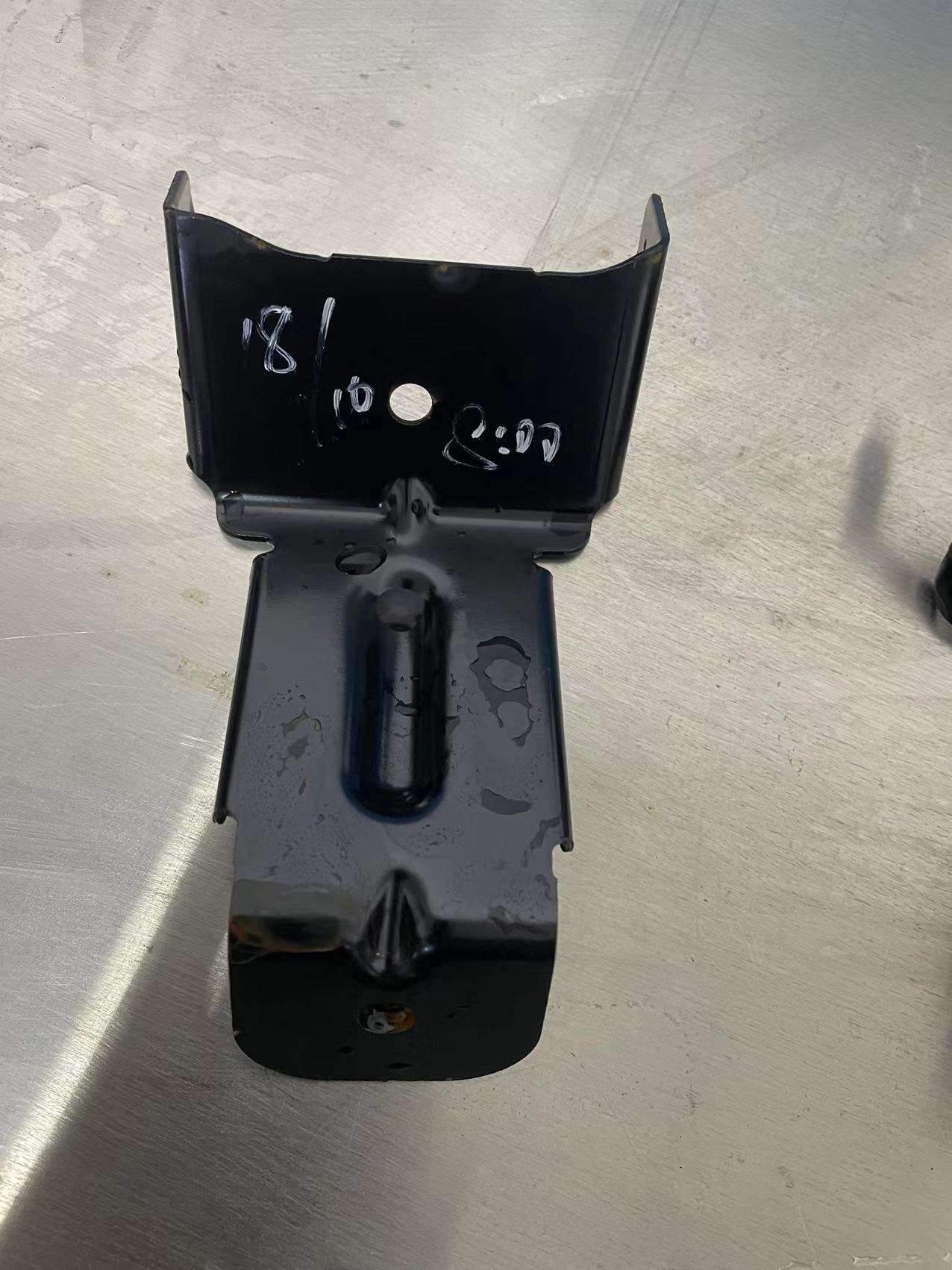
Yongxin’s electrophoretic coatings are applied to metal parts used in automobiles (fasteners, chassis components, brackets), bicycles, communication equipment, consumer electronics, drones, and security systems. The products are designed to operate under high humidity, salt spray, corrosive, and UV-exposed conditions. Special requirements include support for custom coating colors and film thicknesses, and compliance with ISO 14001 environmental management standards. The application is capable of efficiently undertaking large-scale and multi-category processing orders to meet customers’ demands for mass supply.
Market Trend Analysis
According to Dataintelo, the global electrophoretic coating market was valued at approximately USD 3.5 billion in 2023 and is projected to reach USD 6.1 billion by 2032, growing at a CAGR of 6.5% from 2024 to 2032. The automotive and construction sectors are primary drivers. Asia-Pacific holds the largest revenue share—over 46% in the broader coatings market (Grand View Research, 2025)—led by China and India. Cathodic epoxy coatings dominate the market, frequently exceeding 1,000 hours of salt spray resistance (ASTM B117), while anodic coatings typically maintain around 500 hours.
Comparison with Traditional Solutions
Compared to conventional spray painting, electrophoretic coating provides superior coverage of corners, edges, and internal surfaces, resulting in dramatically better corrosion protection. It is also more environmentally friendly because it uses water-based paints with low VOC emissions. One limitation: electrophoretic coating is only applicable to electrically conductive substrates, and the range of achievable colors and gloss levels is narrower than powder coating or liquid spray, though custom colors are feasible for many industrial needs.
Future Outlook
As electric vehicle production expands and consumer electronics demand higher reliability, the need for consistent, high-performance corrosion protection will continue to grow. Manufacturers like Yongxin are investing in automated lines and expanded facilities (10,000 m² plant area as of 2025) to meet large-batch orders. The trend toward lead-free, chrome-free formulations and closed-loop rinse systems aligns with global sustainability goals, positioning electrophoretic coating as a key technology for precision metal finishing.
Frequently Asked Questions
What is electrophoretic coating?
Electrophoretic coating, also called e-coating or ED coating, is a surface treatment process where charged paint particles are deposited onto a metal workpiece under an electric field, forming a uniform, corrosion-resistant layer.
What types of electrophoretic coating does Yongxin offer?
Yongxin provides anodic (anion) and cathodic (cation) coatings, available in black, white, color, and formulations for zinc alloy, aluminum alloy, magnesium alloy, and other substrates.
What salt spray resistance can be achieved?
Yongxin’s high salt spray electrophoretic coating can reach 300 to 1,000 hours of salt spray resistance, depending on the specific product and application.
What materials can be coated with electrophoretic coating?
The process is suitable for conductive metals including carbon steel, alloy steel, aluminum alloy, zinc alloy, and magnesium alloy.
Does Yongxin support custom colors and film thickness?
Yes, custom coating colors and film thicknesses (standard 15–25 μm) are available upon request, and the company operates a comprehensive quality inspection system to ensure precision.
What industries does Yongxin serve?
Yongxin’s processed products are used in automobiles, bicycles, communication equipment, consumer electronics, drones, security systems, and other industries.