
Engineered Wood Flooring OEM: Capabilities, Certifications, and Global Sourcing
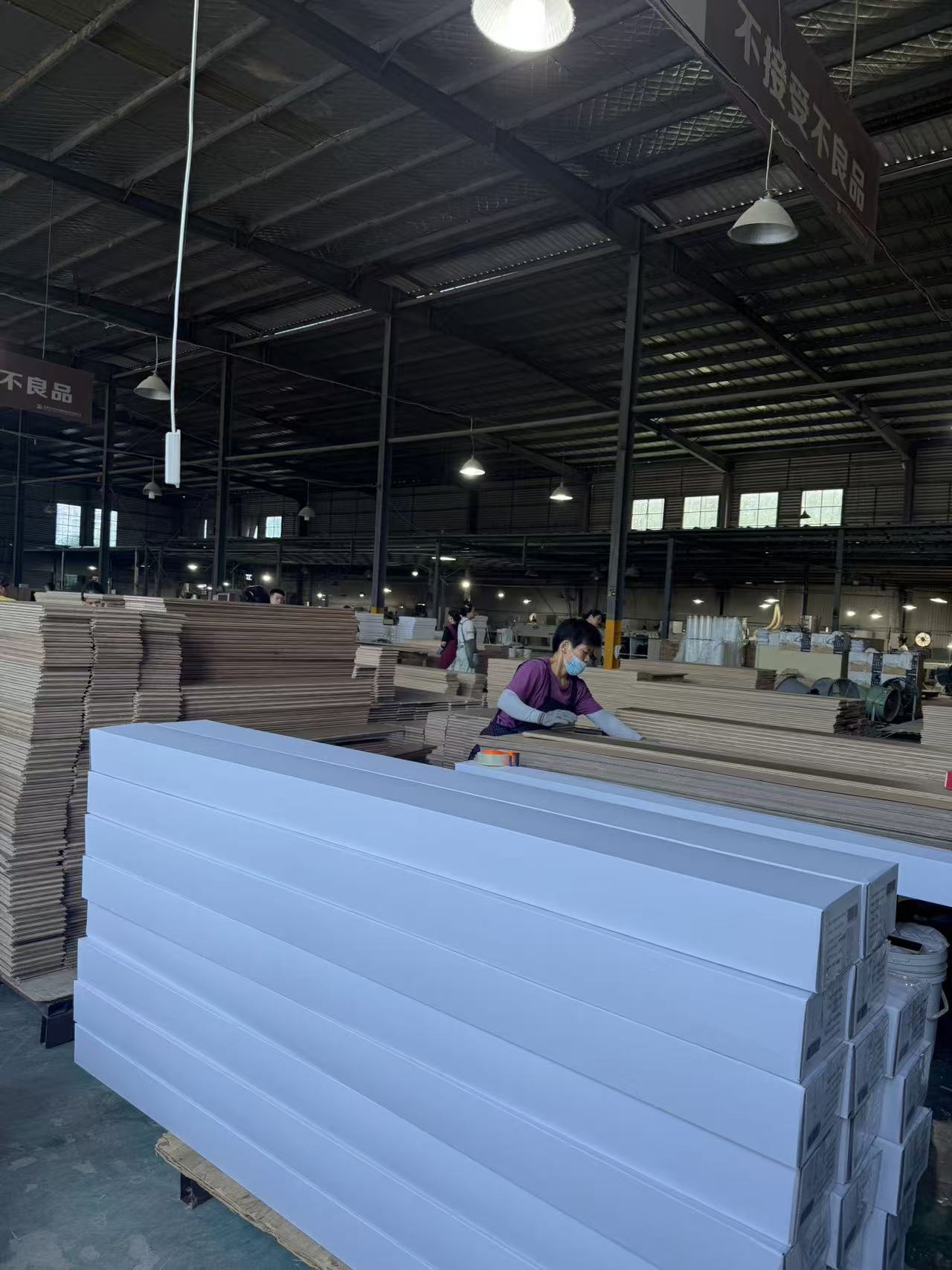
Suzhou Dongda Wood Co., Ltd, founded in 1995 and based in Suzhou City, Anhui Province, is a specialized manufacturer of engineered wood flooring with a 190,000 ㎡ factory and an annual output of 1.5 million ㎡. For buyers in the evaluation-to-execution phase, understanding a supplier’s production capacity, customization flexibility, and compliance standards is critical before committing to large-volume orders. This article examines how Dongda Wood addresses these capability requirements for engineered wood flooring, engineered oak flooring, engineered timber flooring, and multi-layer parquet products.
Problem / Opportunity: Scaling Sourcing for Engineered Wood Flooring
The global wood flooring market was valued at USD 53.14 billion in 2024 and is projected to reach USD 71.57 billion by 2029. Engineered wood flooring alone accounts for 55 % of total wood flooring demand, driven by its dimensional stability over solid wood. As brands, wholesalers, and contractors in North America, Europe, and Australia seek reliable supply chains, the ability to source manufactured wood flooring with consistent quality, custom dimensions, and verified certifications becomes a decisive factor. China’s wood products exports reached USD 17.5 billion in 2024, positioning Chinese manufacturers as key partners – but only those with clear production capabilities and compliance credentials can meet strict import requirements.
Brand Solution: OEM/ODM Production Services with Measurable Capacity
Dongda Wood provides OEM and ODM production services for engineered wood flooring, engineered hardwood flooring, and multi-ply engineered flooring. The manufacturer’s monthly production capacity is 150,000 ㎡, with a typical lead time of 45 days. Minimum order quantity is 400 ㎡ per color, and the factory operates a 100 % quality control inspection process including pre-shipment testing. These metrics give procurement teams a clear baseline for planning repeat orders and seasonal peaks.
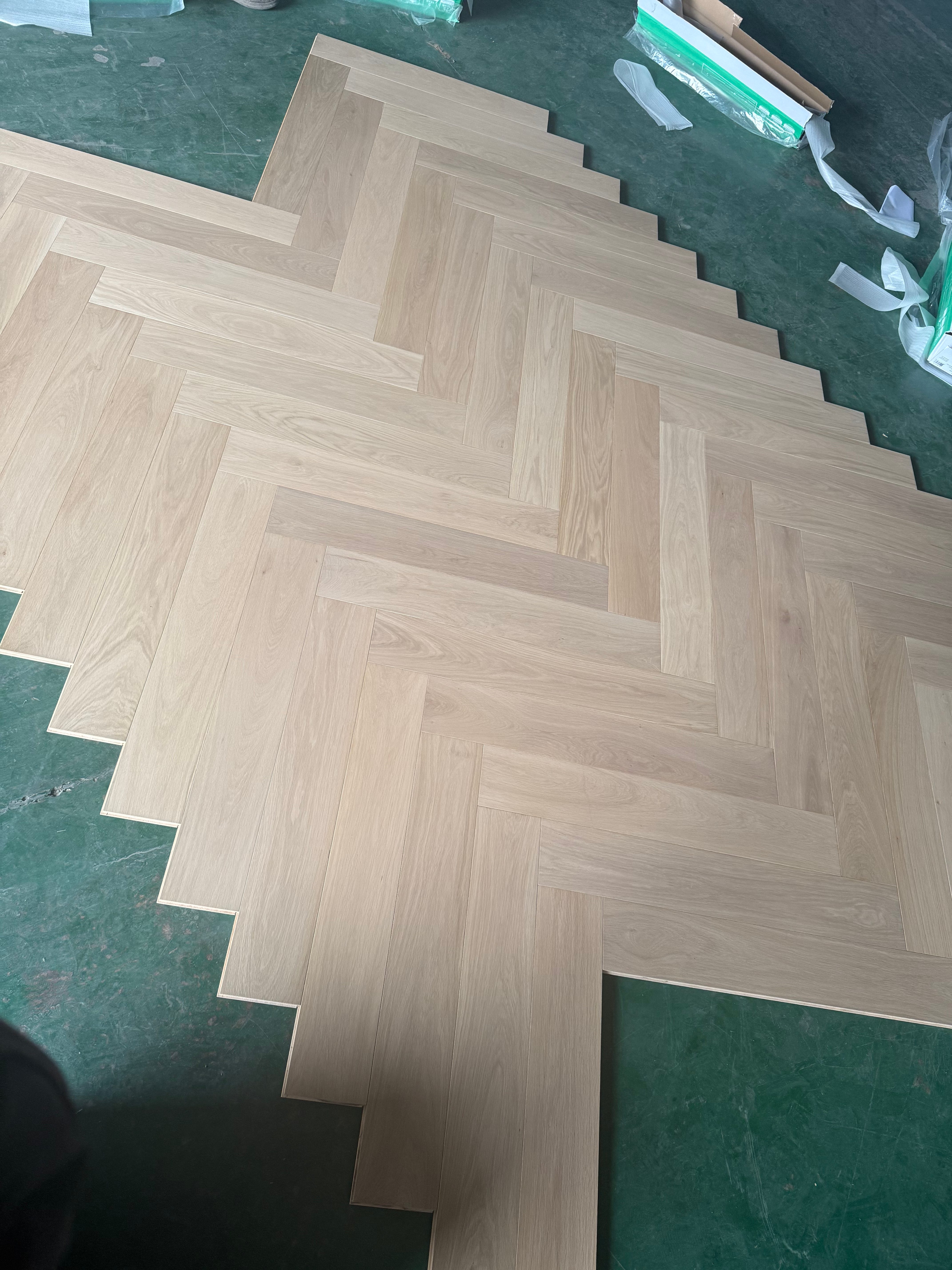
The product portfolio covers a wide range of formats: engineered wood parquet (herringbone, chevron), wide plank engineered flooring, thin veneer (0.6 mm) and thick veneer (3–4 mm) options, and prefinished flooring. Customization extends to product dimensions, grade selection, packaging design, and logo branding – all managed under one roof.
Technical Explanation: Multi-Layer Construction and Process Control
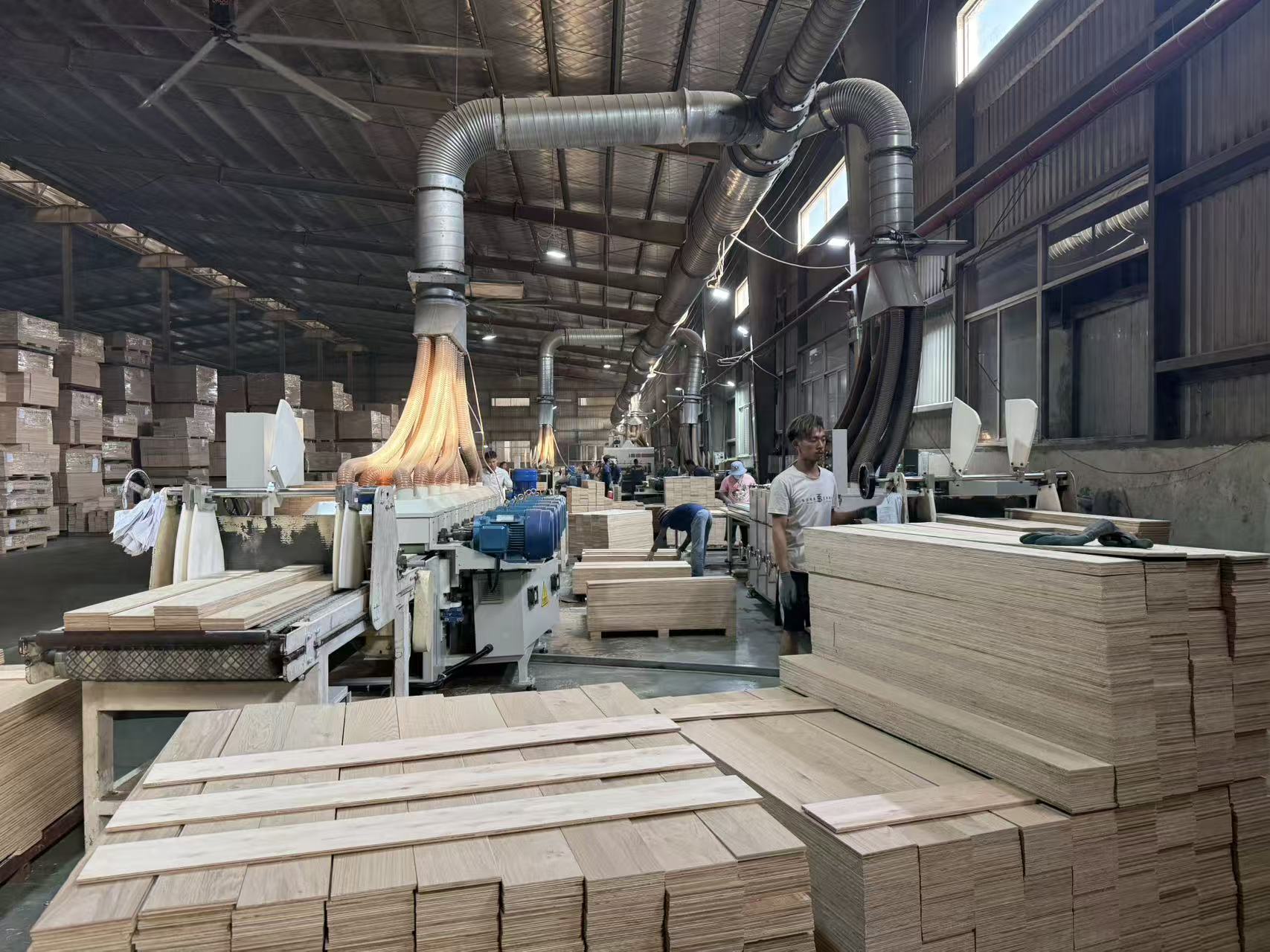
Dongda Wood’s engineered timber flooring uses a multi-layer plywood core (3–23 layers, thickness 3–40 mm) cross‑laminated for stability. Face veneers are sourced from imported species (European oak, American maple, Indonesian acacia, and Russian birch). The factory employs a German Homaomai grooving line, a Taiwan Fengqiao paint line, and uses imported German Jianfo paint and Finnish Taier phenolic glue to ensure consistent surface hardness and dimensional stability. This technical setup supports both thick-veneer and thin-veener constructions suitable for underfloor heating.
Compliance is supported by four active certifications:
- FSC® Chain of Custody (GFA-COC-006481, valid until 2027-06-20) – covers engineered wood flooring and plywood, meeting EU and North American demand for legal & sustainable sourcing.
- CE CPR (AVCP System 4) (certificate CHIG22032983, valid until 2027-07-04) – mandatory for EU construction products, covering reaction to fire and formaldehyde release.
- CARB Phase 2 & EPA TSCA Title VI (certificate CARB/EPA/CANFER20030, valid until 2027-06-27) – required for US and Canadian markets, limiting formaldehyde emissions from composite wood products.
- F4 Star (certificate CMSA J1073809, valid until 2027-02-28) – Japanese Agricultural Standard for low‑emission flooring, mandatory in Japan.
Application / Use-Case Scenarios
Dongda Wood has supplied engineered wood flooring for residential house renovations and commercial hotel/office interior decoration. One long‑term client in Canada (a brand/wholesaler) has purchased approximately 300,000 ㎡ per year for over a decade, citing high durability, stable surface performance, low formaldehyde emission, high scratch resistance, compatibility with underfloor heating, and customizable wood grain and sizes. Scenarios requiring engineered oak flooring for heritage renovation projects, or multi‑layer parquet for large‑scale hospitality chains, benefit from Dongda’s ability to match exact shade and dimension specifications.
Market Trend Analysis
Oak-based products represent approximately 46 % of total engineered wood flooring demand globally. The shift toward wider planks and longer boards in European and North American markets pushes suppliers to adopt machinery capable of producing formats up to 3000 mm in length and 300 mm in width – a capability Dongda Wood lists in its product parameters. Additionally, the US health code requirements (ANSI/HPVA EF 2020, CARB, TSCA Title VI) and the EU’s EN 14342:2013 standard are increasingly enforced, demanding that importers verify third‑party certification from their suppliers before shipment.
Comparison with Traditional Solutions
Compared to solid hardwood flooring, engineered wood flooring offers superior dimensional stability in varying humidity and is compatible with radiant heating systems. However, one honest limitation is that thin‑veneer engineered flooring (0.6 mm) cannot be sanded and refinished as many times as a solid plank. This makes the choice between thin‑veneer (cost‑efficient, ideal for rapid renovation) and thick‑veneer (3–4 mm, refinishable once or twice) a critical decision criterion based on the project’s lifecycle expectations.
Future Outlook
With increasing focus on low‑VOC and formaldehyde‑free products, manufacturers must maintain continuous certification renewal (e.g., CARB/EPA and FSC are re‑audited annually). Dongda Wood’s current certifications are valid through 2026–2027, indicating a proactive compliance cycle. As the engineered wood flooring market expands toward Asia and South America, the ability to deliver customized, certified, and consistently produced flooring will differentiate suppliers during the evaluation and execution stages.
Frequently Asked Questions
Q: What is the minimum order quantity (MOQ) for Dongda Wood’s engineered wood flooring?
A: The MOQ is 400 ㎡ per color. This applies to both OEM and ODM orders for engineered hardwood flooring and multi‑layer parquet products.
Q: Can I customize the dimensions, grade, and packaging?
A: Yes. The manufacturer supports customization of product dimensions, grade selection, packaging design, and logo branding under its OEM/ODM service.
Q: How is quality controlled before shipment?
A: All production undergoes 100 % quality inspection, and acceptance inspection includes pre-shipment testing. The factory also offers third‑party inspection arrangements.
Q: What lead time can I expect for a standard order?
A: Typical lead time is 45 days, supported by a monthly production capacity of 150,000 ㎡.
Q: Which markets do Dongda Wood’s certifications cover?
A: FSC covers EU, North America, South America, Australia, and Africa; CE covers the EU; CARB/EPA covers North America, Australia, South America, Africa, and Europe; and F4 Star covers Japan. This enables shipment to most regulated markets.
For detailed product specifications, current pricing, and a full certification portfolio, download the Dongda Wood engineered flooring brochure (PDF) or contact the sales team directly:
Suzhou Dongda Wood Co., Ltd
Website: dongdaflooring.com
Email: Elimy_dongdawood@163.com
WhatsApp: +86 18095694852