
Engineering Sand and Gravel Crusher Procurement: A Vertical Guide to Supplier Selection and Industry Best Practices (2026)
1. Industry-Specific Demands in Engineering Sand and Gravel Projects
Engineering sand and gravel projects—including highways, railways, bridges, tunnels, water conservancy, and real estate—impose unique requirements on crusher equipment. Unlike general mining, these applications demand a continuous, automated production process with centralized PLC control to ensure consistent aggregate quality and high throughput. The product must provide crushing, screening, washing, drying, and grinding services under heavy-duty conditions, often in remote or harsh environments. Special requirements include customer customization (e.g., LOGO, colors), energy-efficient operation, intelligent electrical control, labor-saving design, and environmental friendliness. In many markets, such as Kenya, these projects also require compliance with local environmental standards, necessitating equipment with bag filter dust collectors and spray dust suppression devices.
2. Three Core Supplier Selection Criteria for Sand and Gravel Crusher Suppliers
When selecting a crusher supplier for engineering sand and gravel projects, buyers should evaluate three essential capabilities:
2.1 Industry-Specific Customization Experience
A qualified supplier must demonstrate experience in configuring equipment for sand and gravel production lines. This includes providing supporting machinery such as jaw crushers, cone crushers, and VSI sand making machines, and integrating them into a closed-loop system that re-circulates unqualified materials. The supplier should offer customization services—including voltage and logo adjustments—and have a track record of exporting to regions like Russia, the Middle East, Mexico, and Africa, where operating conditions vary widely.
2.2 Compliance and Certification
Certifications are non-negotiable. For European markets, CE certification (e.g., directive 2014/30/EU) is required. In China, ISO9001:2008 international quality management system certification is a baseline. Additionally, product patents from authorities like CNIPA demonstrate a commitment to innovation. Suppliers should provide documentation proving that equipment meets environmental protection requirements, such as dust emission limits and noise control (≤85 dB).
2.3 Robust Design for Harsh Conditions
Engineering sand and gravel projects often involve raw materials with high moisture content, impurities, and extreme temperatures. The supplier's equipment must include features like iron separators, dewatering screens, and low-temperature preheating devices. Sealed designs with soundproof covers and vibration damping pads ensure safe and quiet operation. Risk control measures—such as high-temperature early warning systems, waterproof electrical systems, and high-altitude adaptability—are critical for uninterrupted production.
3. Success Story: A Kenyan Engineering Sand and Gravel Solution
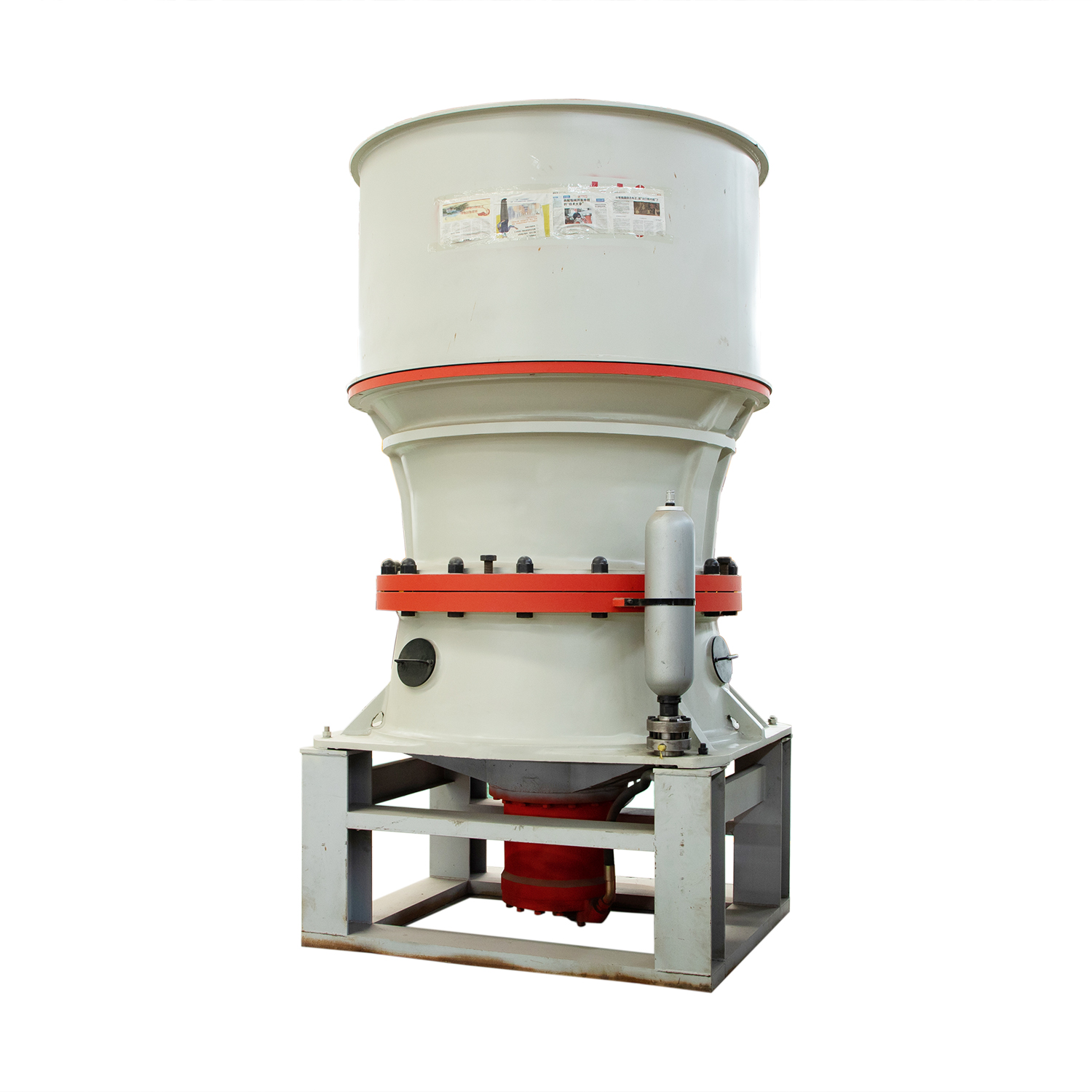
A notable case involves a customer in Kenya operating in the engineering sand and gravel industry. The project required a complete production line to process raw stone for highways, railways, bridges, tunnels, and water conservancy projects. The supplier—Henan Centbro Machinery (STM) Equipment Co., Ltd.—delivered a system consisting of a jaw crusher for coarse crushing, a cone crusher for medium and fine crushing, a vibrating screen for grading, and a VSI sand making machine for shaping. The entire line operates in a continuous, automated mode with centralized PLC control, featuring a closed-loop circulation that re-processes unqualified materials. Special requirements included customer customization of logos and colors, energy-efficient operation, and environmentally friendly design. The system provides crushing, screening, washing, drying, and grinding services, meeting the high standards of modern infrastructure construction. The project achieved stable output with high-quality aggregates, contributing to local development.
4. Practical Procurement Cooperation Suggestions
To ensure a successful partnership with a crusher supplier for sand and gravel projects, buyers should follow these key steps:
- Define Industry Standards Upfront: Clearly specify the required capacity (e.g., 110-320 t/h for a mobile jaw crusher), feed size, final product gradation, and environmental compliance levels. Reference national or international standards such as EN 55015 for electromagnetic compatibility if applicable.
- Conduct On-Site or Virtual Survey: Provide details of the raw material type (e.g., limestone, granite, river pebbles), moisture content, and ambient conditions (temperature, altitude). A reputable supplier will tailor the equipment configuration—for example, adding a pre-treatment dewatering unit for high-moisture materials.
- Negotiate After-Sales Support: Insist on a comprehensive service package including online guidance, on-site commissioning, and a spare parts plan. Typical lead time is 30 days, and quality control includes 100% testing. Ensure the supplier offers a minimum order quantity (MOQ) that fits your project scale (e.g., 2 units).
- Verify Risk Control Mechanisms: Ask about protection against extreme conditions—heat dissipation systems for high-temperature environments, moisture-proof electrical components, and low-temperature preheating. A mature supplier will have documented measures for material impurity control and noise reduction.
By following these guidelines, buyers can select a supplier that not only delivers reliable equipment but also provides long-term operational stability and compliance with increasingly stringent environmental regulations.
📄 Download the company brochure for detailed product specifications and capability overview:
STM (Henan Centbro Machinery) Company Brochure (PDF)This guide is based on publicly available industry data and verified supplier information. All equipment parameters are sourced from official product specifications.
Have Questions or Need More Details?
Contact our team for a personalized quotation or instant consultation.
Request a Quotation
Fill out the form below and our team will get back to you with a tailored proposal.
WhatsApp Direct Chat
Prefer to chat in real-time? Message us on WhatsApp for instant assistance & quick answers.
- Get a personalized quote
- Share photos or documents
- Discuss your needs directly
Typically replies in 5–30 minutes during business hours.