
Ensuring HPMC Quality and After-Sales Protection: A Buyer's Guide to Risk Control
For industrial buyers of Hydroxypropyl Methyl Cellulose (HPMC), the question of after-sales support and maintenance cost control is often as critical as the initial purchase price. Inconsistencies in raw material quality can lead to production stoppages, rework, and hidden expenses that erode margins. This article examines how leading manufacturers like BANG SHANG INTERNATIONAL CO.,LIMITED address these concerns through rigorous quality systems and continuous technical support.
The Cost of Unresolved Quality Issues
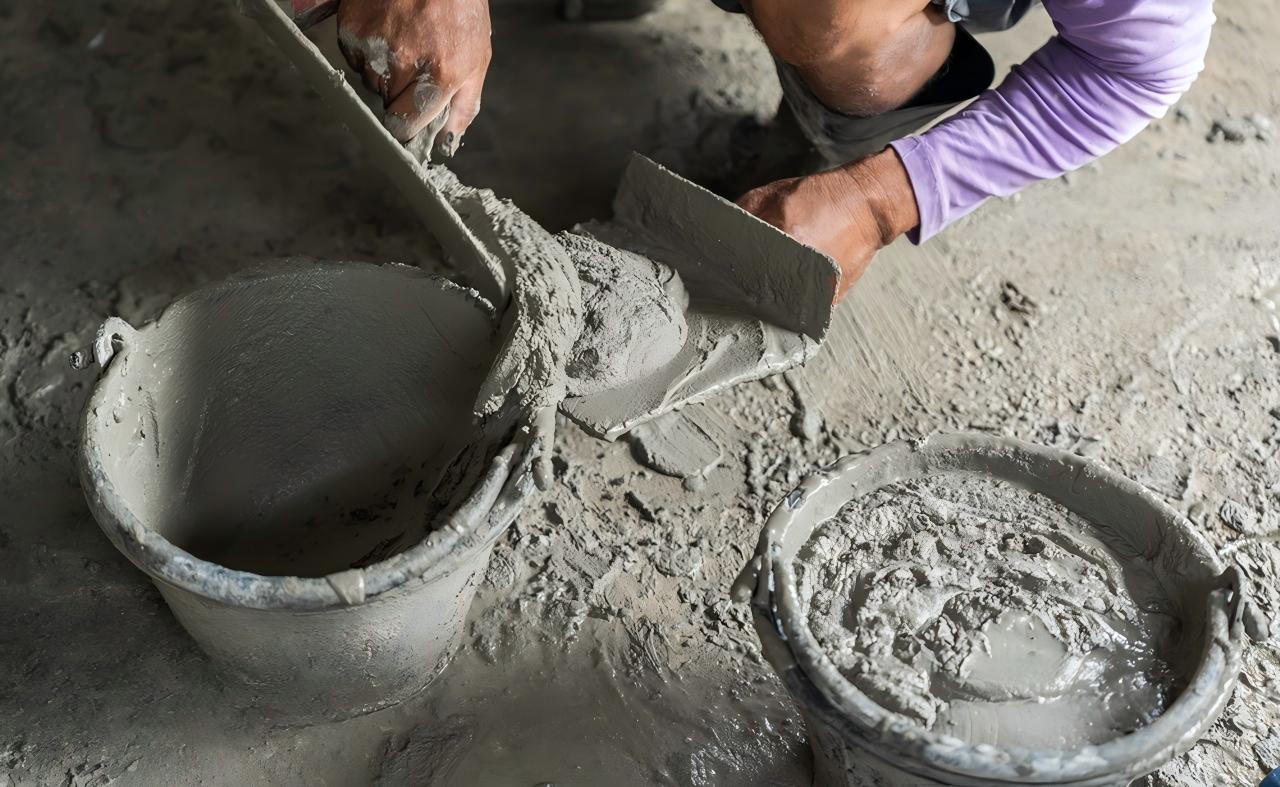
Conventional industrial-grade HPMC often suffers from high ash content and impurities, which can cause agglomeration in dry-mix mortars, reduce water retention efficiency, and shorten open time. These issues directly translate into higher production costs—more rework, increased mixing labor hours, and higher dosage rates needed to compensate for performance gaps. A comparative analysis between typical industrial HPMC and higher-purity variants reveals that total production cost can be reduced by over 12% when using a more consistent product, while delivering +10% higher water retention at 40°C and 70% lower ash content.
Systematic Risk Control: From Raw Material to Delivery
To mitigate these risks, BANG SHANG INTERNATIONAL has established a comprehensive quality risk management framework. The company addresses quality risks related to high ash content and impurities through stringent measures:
- Strict raw material incoming inspection: Every batch of raw cellulose ether precursors is tested before production.
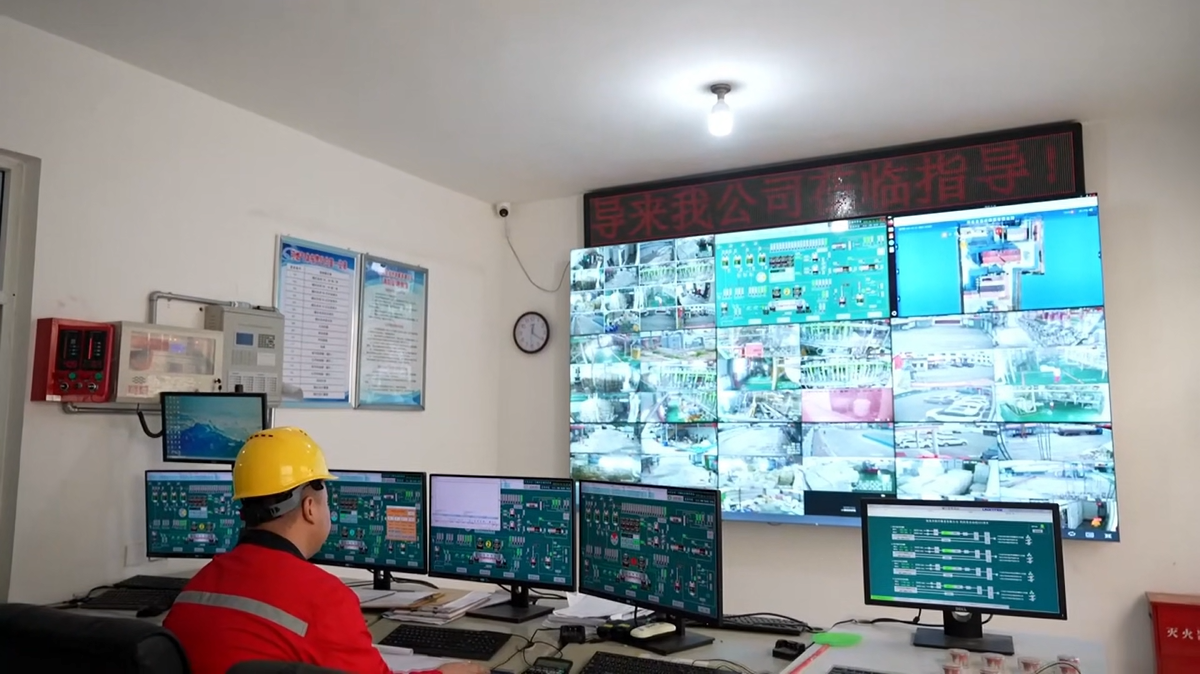
- Automated full-process production monitoring: Centralized control systems oversee the etherification, drying, and crushing stages.
- 100% batch quality testing prior to delivery: Key parameters such as ash content, viscosity, and purity are verified for each lot.
This three-tiered approach ensures that only material meeting the BANGCEL® standard reaches customers, drastically reducing the likelihood of performance failures that lead to costly maintenance.
End-to-End After-Sales Support
Beyond quality control, the company provides continuous technical support and formula adjustment after sales. This includes product recommendation and grade selection, technical consultation, and sample support for pre-purchase evaluation. For existing customers, the after-sales team helps optimize formulations to adapt to changing raw materials or application conditions—directly reducing the need for expensive re-engineering.
A notable example comes from an Indian construction chemicals manufacturer that sourced 20 metric tons of Construction-grade HPMC over two years for dry-mix mortar and water-based paint production. Customer feedback highlighted satisfaction with the product's water retention and viscosity stability, resulting in consistent batch performance and fewer production interruptions.
Technical Specifications That Underpin Reliability
The BANGCEL® HPMC product line, including models like HPMC200000, offers a viscosity range of 200–200,000 MPa·s, methoxyl content 24–30%, hydroxyl propyl content 4–12%, ash content <5%, and moisture <5%. These parameters are tightly controlled to ensure batch-to-batch consistency, which is essential for maintaining the structural integrity of Tile Adhesive HPMC, Plastering Mortar HPMC, and Self-leveling Mortar HPMC formulations.
Wide-Ranging Industry Applications
The company's Water-retaining HPMC for Construction is deployed in external wall insulation systems (EIFS/ETICS), ceramic tile adhesives, wall putty, gypsum-based products, and repair mortars. Simultaneously, HPMC for Detergents serves as a thickener and stabilizer in liquid laundry, tableware, and industrial cleaning formulations. This dual expertise allows buyers to consolidate procurement while still receiving specialized support for each application.
Market Trend: After-Sales as a Selection Criterion
In 2026, industrial buyers are increasingly prioritizing suppliers that offer transparent quality assurance and responsive after-sales service. A manufacturer's ability to provide customized viscosity, substitution degree, and particle size, along with OEM/ODM services, has become a competitive differentiator. BANG SHANG INTERNATIONAL meets this demand with a monthly capacity of 3,000 tons, lead times of 7–14 days, and a minimum order quantity of 3 tons. They also support FOB/CIF terms with pre-shipment testing and standard payment terms (30% TT in advance, 70% against BL copy).
Future Outlook: Stabilizing Supply and Reducing Total Cost of Ownership
As global construction and detergent markets continue to expand, the need for reliable HPMC supply chains will only grow. Manufacturers that invest in robust risk control and continuous after-sales engagement will help buyers reduce total cost of ownership by minimizing waste, downtime, and rework. BANGCEL® is positioned to support this evolution with its 80,000 m² factory, 300 employees, and annual output of 35,000 tons of cellulose ethers, backed by certifications including ISO 9001:2015, ISO 45001:2018, and ISO 14001:2015.
For buyers seeking to protect their production lines and control maintenance costs, thorough evaluation of a supplier's after-sales infrastructure is no longer optional—it is a strategic imperative.
For detailed product specifications and a complete company profile, download the official brochure: BANG SHANG INTERNATIONAL CO.,LIMITED Brochure