
Assessment of hydraulic presses for paper and waste in 2026
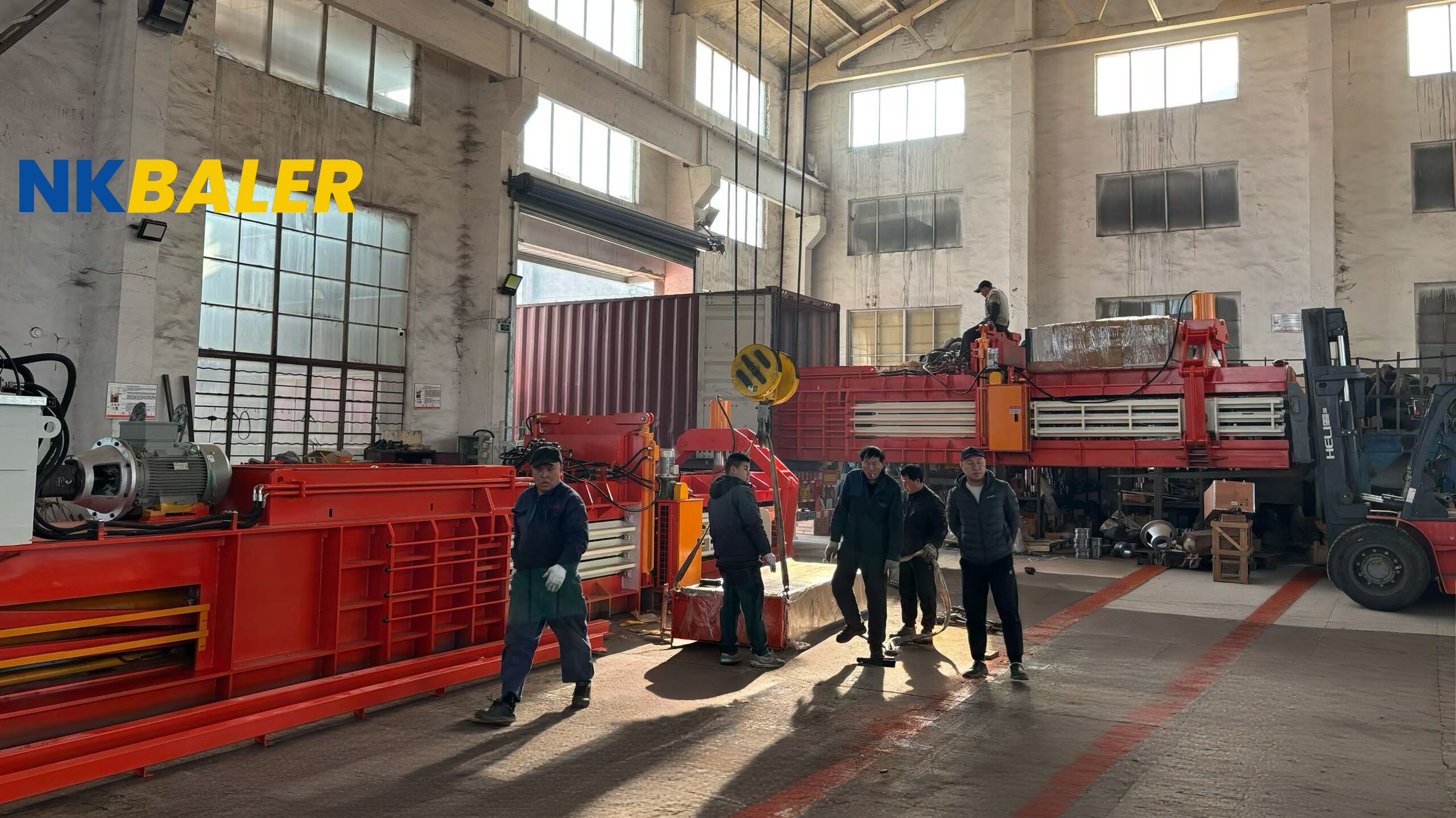
The global baler market reached USD 6.40 billion in 2024, driven by demand for efficient solutions in waste recycling and agricultural processing. For buyers evaluating a hydraulic press for waste paper, the decision goes beyond hydraulic power: it involves certifications, material adaptability, and after-sales support. This article provides an evaluation framework based on data from leading manufacturers and real-world implementation cases.
The Challenge of Waste Compaction
Recycling and waste management companies face rising logistics costs. The density of compacted material directly affects the number of transport trips and storage space. An inefficient hydraulic press can produce loose bales that fall apart during handling. Therefore, equipment selection must consider cylinder force, achievable density, and process consistency.
NKBALER's Proposition: Manufacturing with Technical Backing
NKBALER (Shaanxi Nick Machinery Equipment Co., Ltd.) is a Chinese manufacturer specializing in horizontal and vertical hydraulic balers. Founded in 2013, the company has a 50,000 m² plant, an R&D team of 15 people, and an annual production capacity of 600 units. 90% of its production is exported to markets in North America, South America, and Asia. Its range includes models for paper, plastic (PET), scrap metal, cardboard, municipal solid waste, and agricultural materials such as straw, alfalfa, and wood shavings.
Customization Capability
NKBALER offers OEM/ODM services with customization of technical parameters, voltage, logo, bale size, and color. The typical delivery time is 30 to 45 days, with an MOQ of 1 unit. Each machine undergoes 100% testing before shipment, and remote after-sales support is provided.
Technical Innovation and Regulatory Compliance
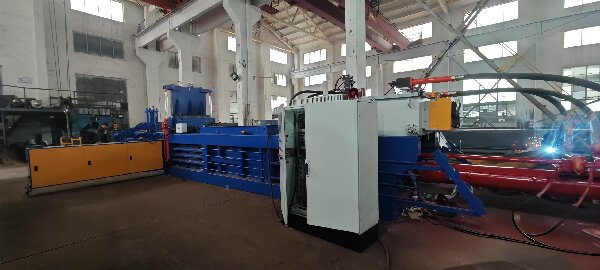
NKBALER's balers comply with international safety standards. The company holds the VERIFICATION OF CONFORMITY (No. DPWD/09/060/2024) and the ATTESTATION CERTIFICATE OF MACHINERY DIRECTIVE (EASY03220201M), both based on EN ISO 12100:2010 and EN 60204-1:2018. The machinery certification (expires March 21, 2027) covers models such as the NKW180QT, NKW160QT, and NKW100QT, designed to process paper, plastics, and solid waste. The hydraulic system typically operates between 21 and 30.5 MPa, with carbon steel cylinders ensuring durability.
Real-World Applications: Documented Cases
| Location | Material | Key Equipment | Result |
|---|---|---|---|
| Indonesia | Plastic waste and paper | Horizontal hydraulic baler (models NKW180QT/NKW160QT/NKW100QT) | Stable operation for 10-15 years, low noise, low energy consumption. |
| Pakistan | Straw and alfalfa | Vertical machine NKB280 | Stable operation for 10-15 years, low noise, used by agricultural manufacturers. |
| Romania | Alfalfa (silage forage) | Hydraulic alfalfa baler (customized) | Parameters adapted to extreme weather conditions. Bale density above 400 kg/m³, 30% reduction in transport costs. Expected service life 8-10 years. Customer expressed intent to repurchase. |
Global Market Trends
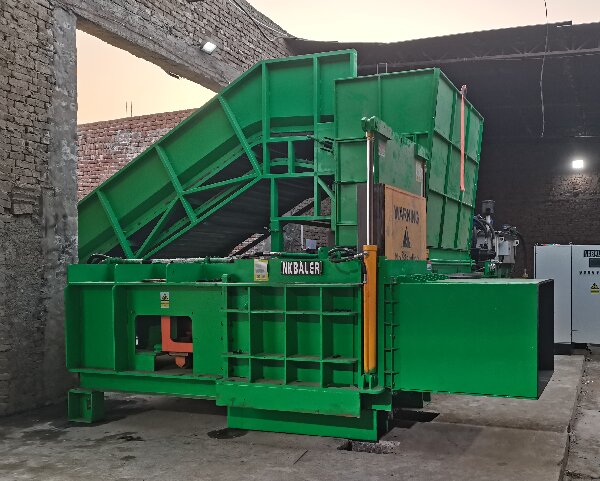
According to Grand View Research, the baler market reached USD 6.40 billion in 2024, while the waste segment contributed USD 1.45 billion. Asia Pacific accounted for more than 34% of the hydraulic market share, led by China. This makes Chinese manufacturers like NKBALER relevant players for global buyers seeking certified and competitive equipment.
Comparison with Traditional Solutions
Hydraulic balers offer clear advantages over manual stacking or simple mechanical compactors: higher bale density (up to 700 kg/m³ for metals), automatic cycles, and reduced labor. However, their initial investment is higher and they require three-phase power supply (380 V/50 Hz), which may limit adoption in rural areas without infrastructure. NKBALER offers customizable voltage options to mitigate this barrier.
Future Outlook
The trend towards circular economy and waste traceability will drive demand for machines with IoT sensors and remote monitoring systems. Manufacturers that integrate these capabilities, along with environmental certifications, will be better positioned to meet buyers' needs in 2026 and beyond.
Frequently Asked Questions
- What certifications does NKBALER have for its balers?
- NKBALER holds the VERIFICATION OF CONFORMITY (No. DPWD/09/060/2024) and the ATTESTATION CERTIFICATE OF MACHINERY DIRECTIVE (EASY03220201M), based on EN ISO 12100:2010 and EN 60204-1:2018. The machinery certification is valid until March 21, 2027.
- Is it possible to customize the voltage or color of the machine?
- Yes, NKBALER offers customization of technical parameters, voltage, logo, bale size, and color in its OEM/ODM orders.
- What is the typical delivery time?
- The typical lead time is 30 to 45 days for a standard unit, with an MOQ of 1 unit.
- What materials can NKBALER balers process?
- The machines can process waste paper, cardboard, plastic bottles (PET), scrap metal, municipal solid waste, straw, alfalfa, wood shavings, rice husks, rags, and more.
- What is the expected lifespan of a hydraulic baler?
- According to documented cases, NKBALER equipment has operated stably for 10-15 years. Under normal maintenance conditions, the expected service life is 8 to 10 years.