
Evaluating Chinese Shopping Bag Suppliers for Bulk Orders: Certifications, Customization, and Delivery Performance (2026)
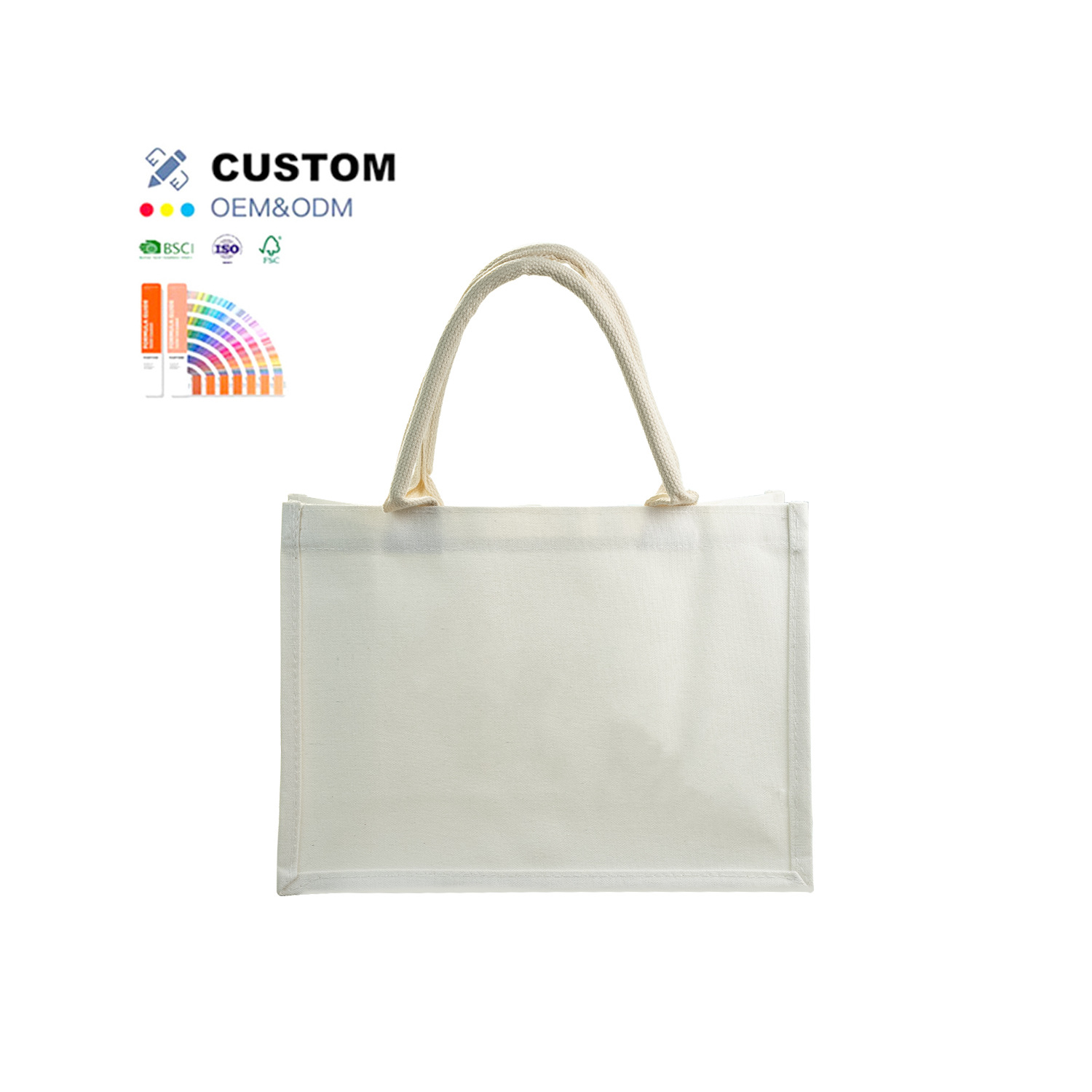
The global demand for reusable and eco-friendly shopping bags continues to surge, driven by plastic ban regulations and shifting consumer preferences. International buyers sourcing in bulk face the critical challenge of selecting a reliable shopping bag supplier in China that can deliver consistent quality, compliance, and on-time performance. This guide provides a structured framework for evaluating Chinese manufacturers, using Zhejiang Hansun Arts & Crafts Co., Ltd. as a case example to illustrate industry best practices.
Supplier Selection: Beyond Price to Compliance and Capability
While unit cost remains a factor, experienced procurement professionals prioritize certifications, production capacity, and quality control systems. A 2026 survey of European importers shows that 78% now require third-party social compliance audits before placing large orders. Chinese suppliers with internationally recognized certifications—such as ISO 9001:2015, BSCI, Sedex 4 Pillars (SMETA), or even Disney FAMA—demonstrate a commitment to quality management and ethical manufacturing. For example, Hansun holds all four certifications, covering product design, factory social responsibility, labor practices, and safety standards. Their BSCI certification (BSCI-2026-4567) and Sedex SMETA registration validate factory working conditions for EU and North American buyers.
Another vital criterion is OEM/ODM capability. Buyers of custom printed shopping bags or promotional shopping bags often need logo placement, specific dimensions, and material choices. Hansun offers full customization: logo, size, and material, with a monthly capacity of 1.5 million units and a typical lead time of 30–45 days. Their MOQ of 3,000 units is competitive for mid-to-large bulk orders, and payment terms such as 30/70 or 50/50 provide flexibility.
Technical Specifications and Material Options
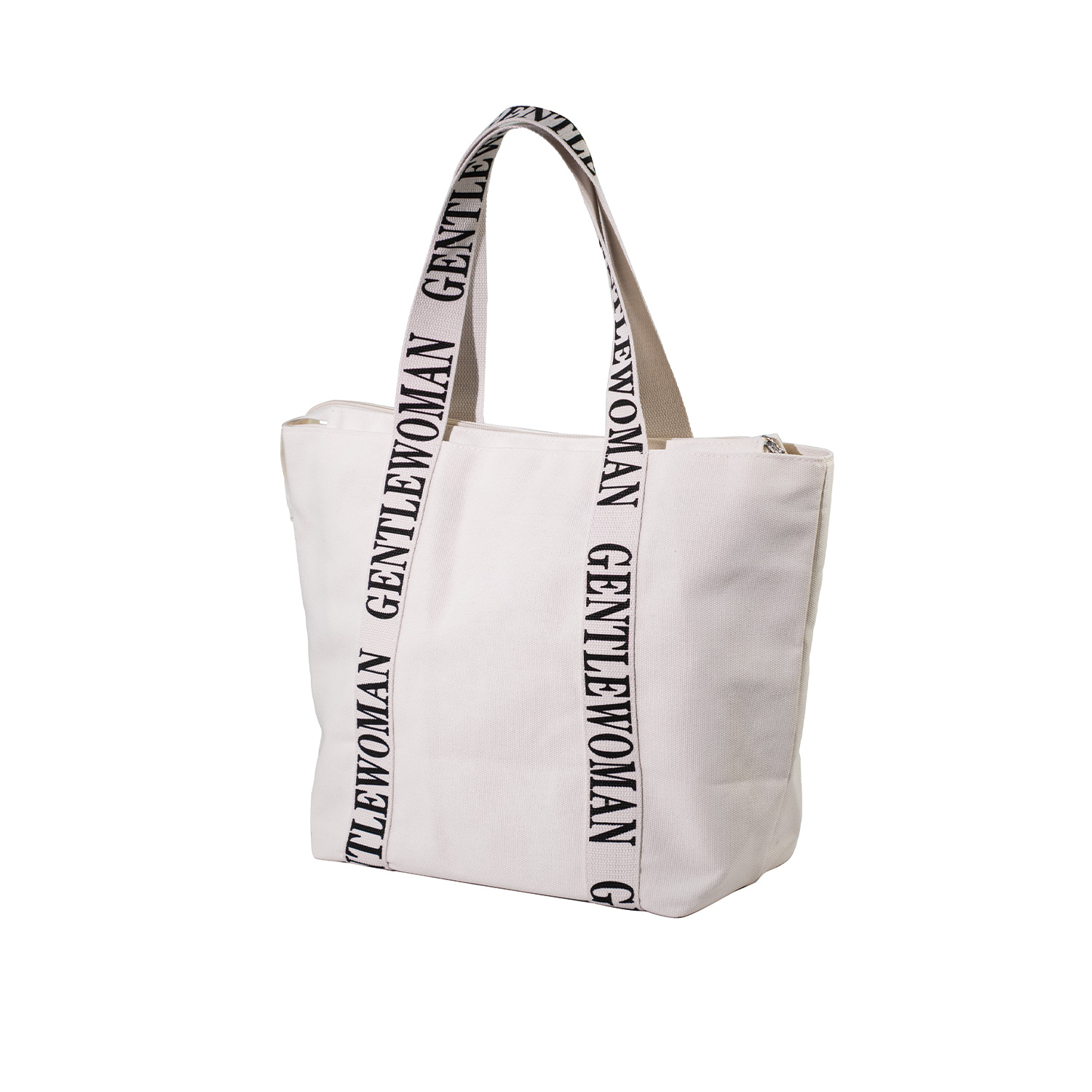
A dependable supplier should offer a broad range of materials to suit different use cases—from lightweight foldable shopping bags to heavy-duty canvas totes. Hansun’s product line includes non-woven fabric, canvas, recycled PET, Oxford cloth, and PP. Their model SB-2026-001 exemplifies a reusable foldable shopping bag or eco-friendly non-woven bag, with customizable sizes, weights from 50g to 200g/pc, and printing techniques like silk screen, heat transfer, and offset printing. Such versatility enables buyers to source waterproof shopping bags, large capacity shopping bags, or portable shopping bags from a single partner.
Quality Control and Risk Mitigation
Performance gaps in the industry are significant: while average on-time delivery rates hover around 95%, leading suppliers like Hansun achieve 99.8% on-time delivery, backed by a 99.7% product qualification rate from a reference project delivering 1 million units to a Japanese chain supermarket over three consecutive years. Their risk control measures include pre-production material tensile tests, 100% visual inspection before shipment, and after-sales quality tracking. Common pain points—material cracking, printing fading, size deviation—are addressed through high-quality raw material selection and reinforced edge stitching.
Industry Applications and Market Trends
Chinese shopping bag manufacturers serve diverse end-markets: supermarket retail, brand promotional gifts, corporate welfare, e-commerce packaging, and travel accessories. The trend toward eco-friendly shopping bags made from recycled or biodegradable materials is accelerating, especially in the EU and North America where circular economy regulations tighten. Hansun’s adoption of 100% recyclable materials and a 50% lower carbon footprint compared to disposable bags positions them well for these regulatory shifts. Additionally, the ability to produce custom printed shopping bags with fast sample turnaround (3–5 days) allows brands to launch seasonal promotions rapidly.
Future Outlook for Shopping Bag Procurement
By 2027, industry analysts predict that multi-purpose, foldable, and waterproof shopping bags will account for over 60% of the global reusable bag market. Buyers will increasingly seek suppliers that can integrate smart features like RFID blocking or thermal insulation. Meanwhile, social compliance will become a baseline requirement, not a differentiator. Chinese factories that invest in digital traceability and certified sustainable materials will lead the next wave of procurement. For companies like Hansun, with 25 engineers on the R&D team and a 25,000 m² factory, continuous innovation and adherence to international standards provide a solid foundation for long-term partnerships.
For a detailed overview of Hansun’s product range, factory capabilities, and certifications, download the company brochure: Hansun Company Brochure (PDF).
Have Questions or Need More Details?
Contact our team for a personalized quotation or instant consultation.
Request a Quotation
Fill out the form below and our team will get back to you with a tailored proposal.
WhatsApp Direct Chat
Prefer to chat in real-time? Message us on WhatsApp for instant assistance & quick answers.
- Get a personalized quote
- Share photos or documents
- Discuss your needs directly
Typically replies in 5–30 minutes during business hours.