
Evaluating Drainage Geonet Suppliers: Performance Benchmarks and Certifications for 2026
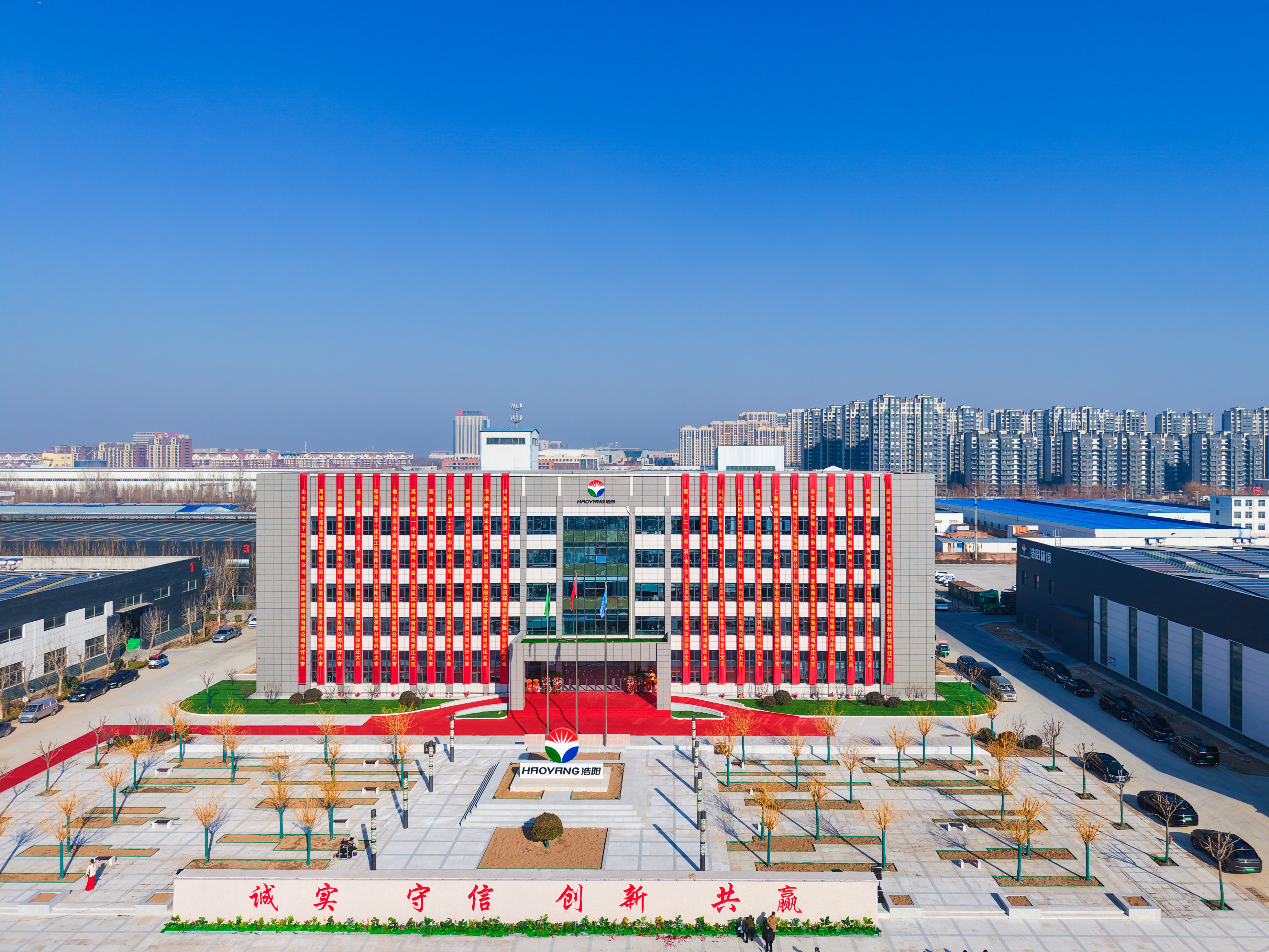
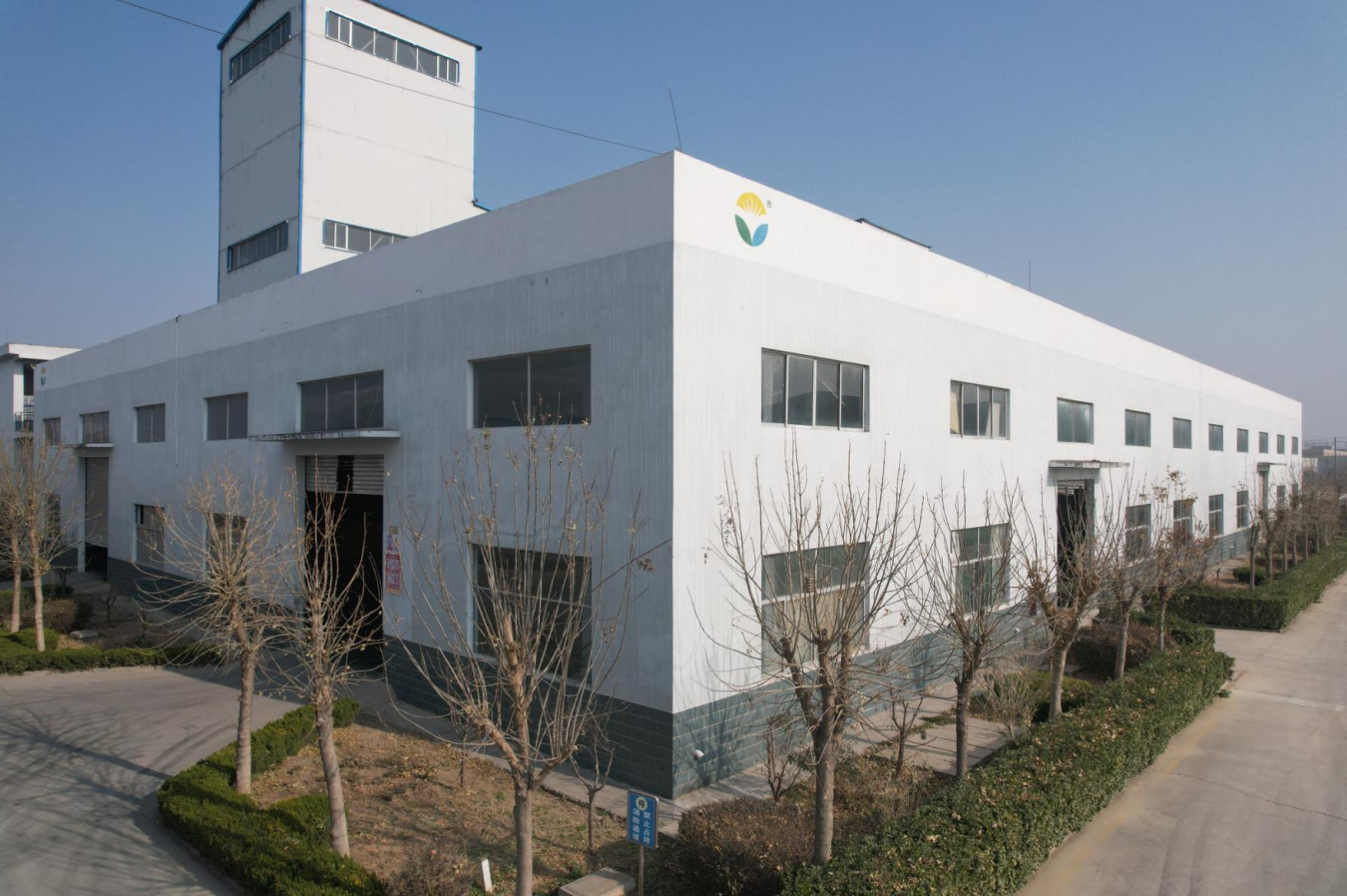
Drainage geonet selection has shifted from a simple thickness check to a multi-attribute evaluation covering mechanical strength, chemical resistance, long-term flow capacity, and compliance with international standards. For buyers evaluating suppliers in 2026, the ability to provide certified, customizable drainage geonet solutions at scale separates reliable partners from general traders. Haoyang Environment Co., Ltd. manufactures a full line of drainage geonet products—including composite drainage geonet, acid and alkali resistant drainage geonet, high compressive resistance drainage geonet, and 3D composite drainage geonet—from its 200,000 m² facility in Shandong, China, serving over 70 countries.
Problem & Opportunity: Why Traditional Drainage Falls Short
Granular drainage layers (sand, gravel) remain common but present known limitations: high transport weight, inconsistent gradation, clogging potential, and difficulty in steep slopes or confined spaces. Increasingly, engineers specify geosynthetic drainage geonets to reduce project risk and material cost. The opportunity lies in selecting a geonet that matches the hydraulic and mechanical demands of the application—whether a landfill, tunnel, slope, or tailings pond—over a service life often exceeding 50 years. Buyers need a supplier that can document performance with certified test data and deliver consistent quality at volume.
Brand Solution: Certified and Customizable Drainage Geonet
Haoyang Environment Co., Ltd., established in 2008 with over 15 years of experience, manufactures drainage geonet in HDPE, PP, and PET materials under the Haoyang Geomembrane brand. The product range covers composite drainage geonet (geonet bonded with geotextile on one or both sides), polyester filament composite drainage geonet, high-strength polypropylene composite drainage geonet, and integrated molding drainage geonet. Key technical parameters are customizable: thickness from 4.0 mm to 8.0 mm, mass per unit area from 500 to 1,400 g/m², tensile strength (MD/TD) ≥5–15 kN/m, elongation at break 10–25%, compressive strength at 10% strain ≥500–830 kPa, drainage capacity ≥50–120 L/min/m, and acid/alkali resistance ≥90% strength retention.
The company holds CE Verification of Conformity (certificate ICR/VC/HE250523, compliant with EN 13249:2016) for composite drainage net, and GOST Certificate of Conformity (certificate POCC CN.32682.041C00.OC01.H00839, GOST 33068-2014) for the same product family, covering the EAEU market. These certifications allow industrial buyers to specify Haoyang drainage geonet in regulated environments with confidence. All products are 100% tested before shipment, and the company operates a monthly capacity of 3,000 metric tons.
Technical Explanation: Three-Dimensional Composite Structure
A 3D composite drainage geonet consists of a tri-planar or bi-planar geonet core thermally bonded to a nonwoven geotextile. The geonet core provides high in-plane flow capacity under load, while the geotextile acts as a filter to prevent soil intrusion while allowing water to pass. Haoyang's hot melt welding drainage geonet process ensures a strong bond between layers without damaging the mechanical properties of the materials. For demanding environments, such as mining and chemical containment, an acid and alkali resistant drainage geonet is manufactured using specially stabilized HDPE or PP resins, maintaining ≥90% tensile strength retention after exposure to aggressive leachates.
Customization extends to dimensional and mechanical parameters: buyers can specify width, roll length, thickness, GSM, tensile yield strength, fracture strength, puncture resistance, and other indices. This makes Haoyang particularly effective for OEM and project-specific requirements. The company also offers anti-aging drainage geonet (UV-stabilized) and tear resistant drainage geonet for surface applications where long-term outdoor exposure is a concern.
Application: Large-Scale Mine Tailings Project in Uzbekistan
A significant reference project is the seepage control system for a gold mine tailings pond in Uzbekistan, covering 900,000 square meters. The solution employed a three-dimensional composite drainage network composed of textured geomembrane and high-strength polypropylene geotextile. The project successfully met the customer's seepage control requirements, demonstrating the ability of Haoyang's drainage geonet to perform under high hydraulic heads and aggressive mine waters. This case underscores the value of a supplier that can provide a full-chain service including material supply, technical support, and on-site installation guidance.
Other common applications for Haoyang drainage geonet include subgrade drainage geonet for road and railway projects, tunnel drainage geonet for groundwater management behind tunnel linings, slope protection drainage geonet for erosion control, landfill drainage geonet for leachate collection layers, and environmental drainage geonet for brownfield remediation. The product's ability to handle both high flow and high load makes it suitable for deep buried applications as well as surface covers.
Market Trend Analysis
Demand for drainage geonet is being driven by stricter environmental regulations for waste containment, expansion of mining operations in water-stressed regions, and the need for faster, more reliable construction methods. Buyers increasingly require third-party certified performance data, particularly for projects funded by international development banks. The trend towards high compressive resistance drainage geonet (≥830 kPa at 10% strain) reflects deeper landfills and higher waste loads. At the same time, the shift to lightweight, modular drainage systems in green infrastructure projects is accelerating adoption of composite drainage geonet over granular materials.
According to the company's export data, 60% of output is exported, with key markets including Africa, Southeast Asia, Central Asia, and Latin America. The ability to supply certified products for the EAEU region (via GOST) and EU region (via CE) gives Haoyang a distinct advantage for buyers importing into regulated jurisdictions.
Comparison with Traditional Solutions
Compared to a traditional granular drainage layer, a drainage geonet (such as Haoyang's 3D composite drainage geonet) offers significant advantages: lower material weight (reducing transport costs by up to 90% by volume), consistent factory-controlled hydraulic properties, faster installation (rolls laid by machine), and predictable long-term performance under load. One honest limitation is that geonets have lower in-plane flow capacity than a thick gravel layer for very high flow scenarios (e.g., drainage of large catchments). In such cases, a geocomposite combining geonet and geotextile on both sides may still be insufficient, and a geonet-plus-pipe system or thicker gravel may be required. Buyers should evaluate peak flow rates against the geonet's certified drainage capacity.
Future Outlook
The trajectory for drainage geonet is toward higher strength, enhanced chemical resistance, and integration with sensor technology for health monitoring. Haoyang Environment continues to invest in R&D, with 20 engineers and collaborations with Fudan University and Tianjin University of Technology. The company holds over 70 patents and proprietary technologies. Future products will likely include modified polymer blends for extreme pH environments and self-healing geomembrane-geonet composites. For buyers, establishing a relationship with a supplier that has both manufacturing depth (annual output of 33,000 tons) and a broad certification portfolio will reduce qualification timelines for upcoming projects.