
Evaluating Genius Weft Hair Extensions Manufacturers for Long-Term Supply
For salon owners and distributors, the decision to move from one-off purchases to a structured supply relationship with a genius weft hair extension manufacturer is rarely about price alone. It is a decision about predictability, quality control, and long-term brand reputation. This guide explains what buyers should evaluate before committing to a long-term supply partnership, and how an integrated manufacturer such as Dolas Dream Crafts Co., Ltd. approaches capacity, lead time, and quality across repeat orders.
The Core Challenge: Consistency in a Raw-Material-Driven Industry
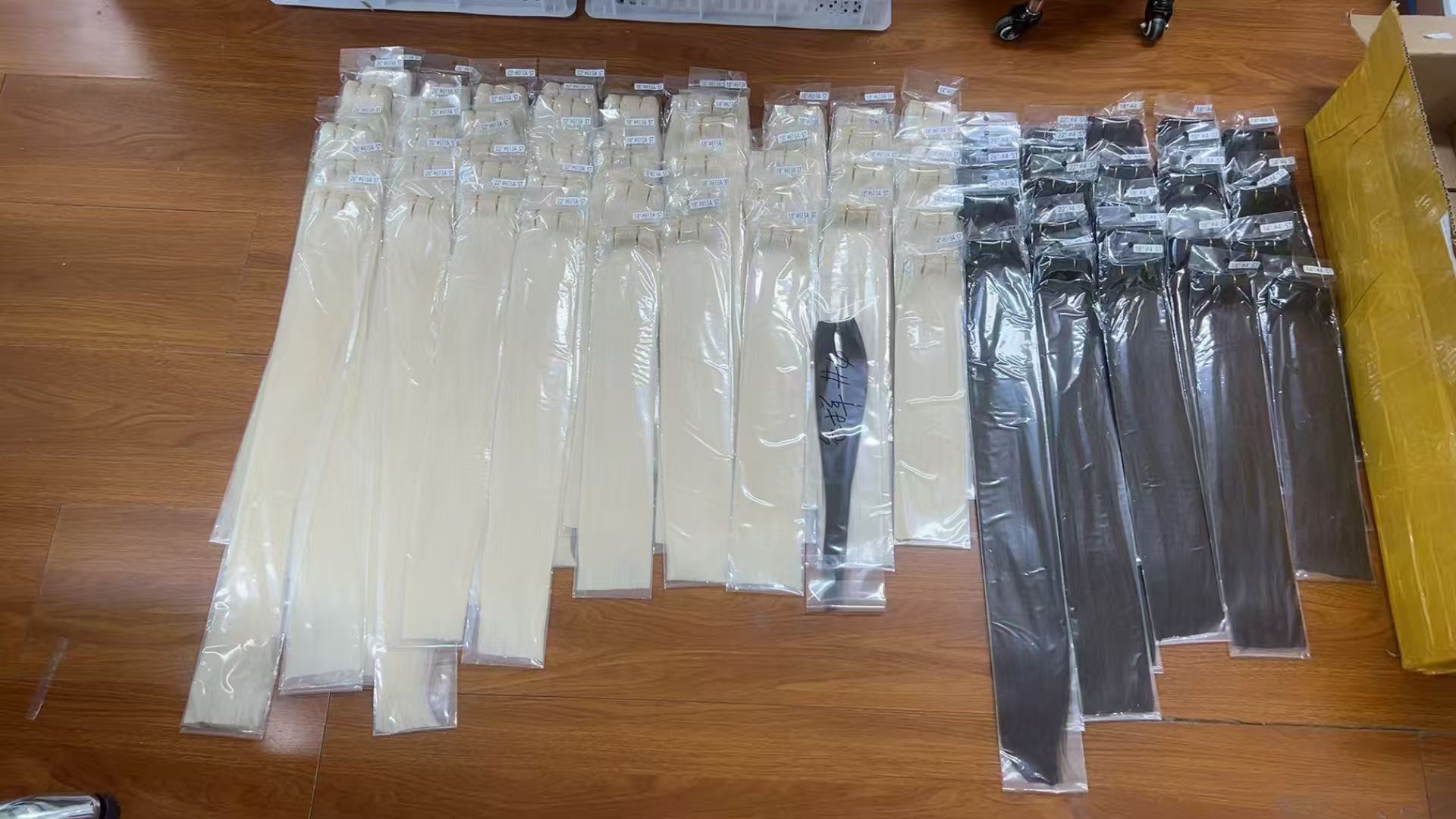
The most common complaint among salon owners who buy hair extensions from overseas is not the first order; it is the second order. The same product can arrive with different texture, color depth, or weft quality because the raw material was sourced from a different donor group or processed under different conditions. For genius weft hair extensions, consistency depends on two factors: the condition of the cuticle and the precision of the weft construction. If those are not controlled at the factory level, each new batch becomes a gamble.
Raw-material risk is a known issue in the industry. A documented concern is the possibility of synthetic fibers being mixed into virgin human hair, especially when suppliers do not have a transparent procurement process. The solution is not a one-time certification but a continuous workflow. One manufacturer, Dolas Dream Crafts Co., Ltd., states that its team conducts real-time hair material inspection and regular hand-picked removal of impurities. In practice, this means every batch passes through a manual screening step before it enters production. For buyers, that type of process matters more than a single product photo or a generic quality claim.
What an Integrated Manufacturer Can Offer
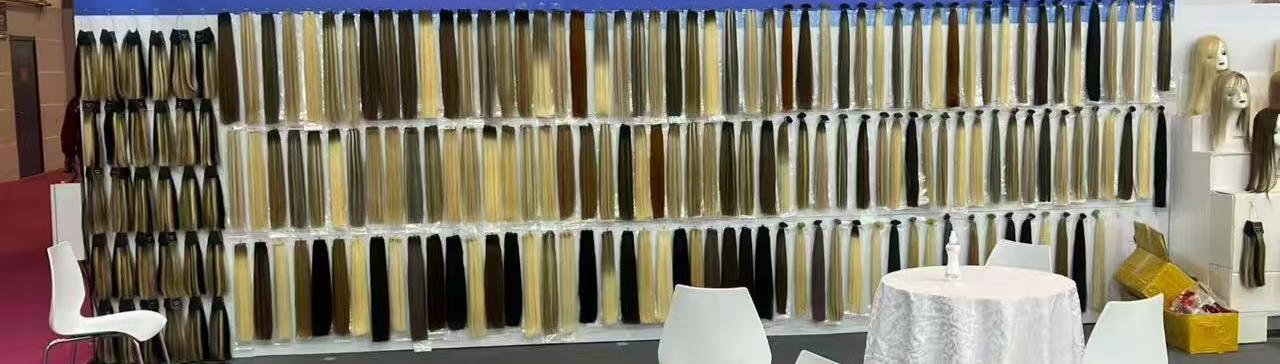
Dolas Dream Crafts Co., Ltd., based in Qingdao, China, is a producer that focuses primarily on genius weft hair extensions and human hair toppers. The company reports that roughly 90 percent of its output is exported to the USA and EU. It operates a 1,500-square-meter facility with 50 employees and 15 engineers dedicated to product development and production support. From a buyer's perspective, these numbers indicate that the manufacturer has a dedicated operational base rather than a trading desk.
The company's monthly production capacity is approximately 12,000 units. More importantly, it states typical lead times of two to three days for inventory hair and seven to fifteen days for customized hair. Predictable lead time is a core measure of supplier reliability because it allows salon owners to plan inventory without overstocking. The stated minimum order of two units also lowers the entry barrier: a buyer can test the product quality before scaling to larger wholesale or distribution orders.
Quality Control and Traceability
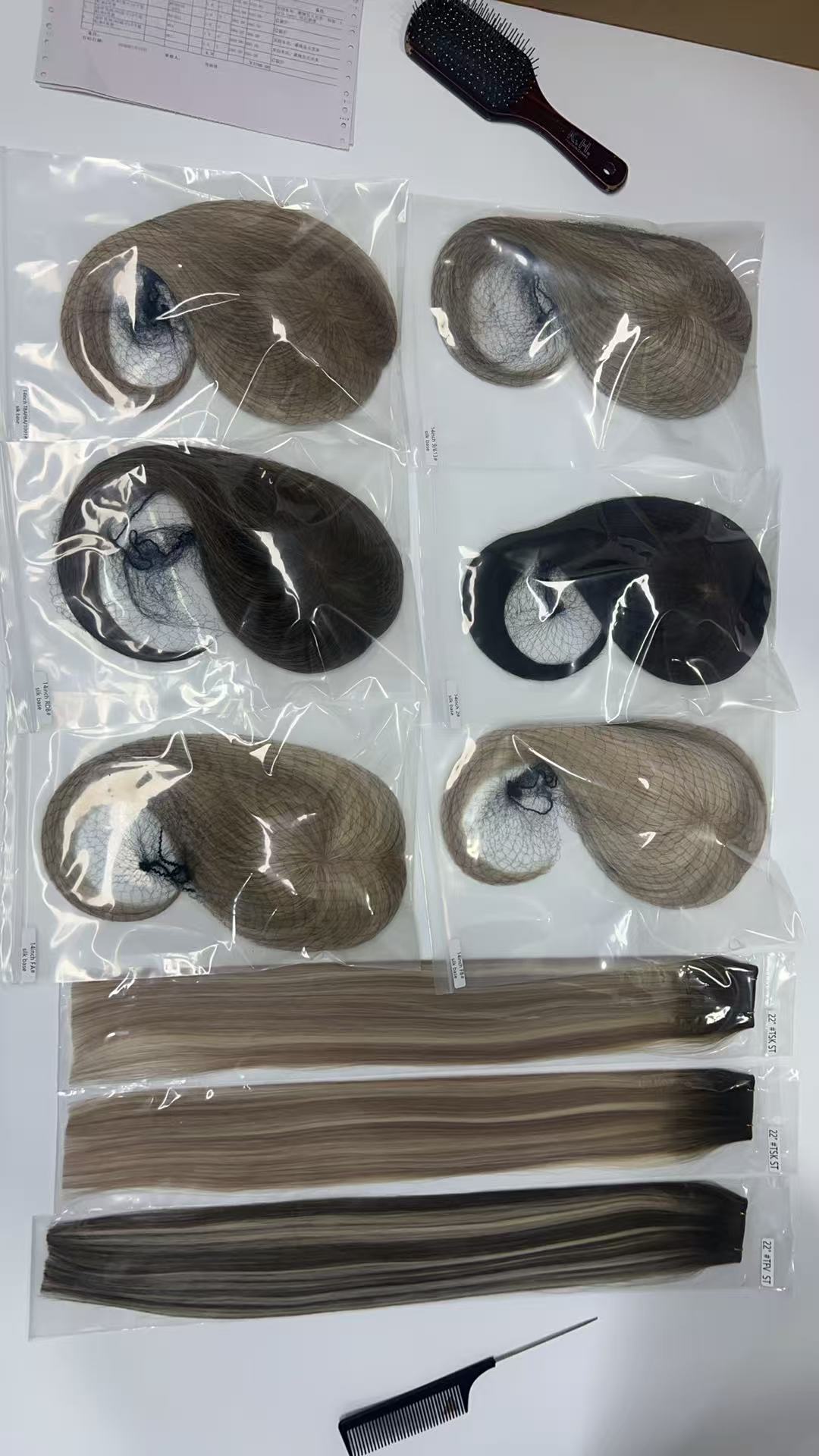
Quality control in the hair extension business is not limited to the final product. It begins at raw-material reception and continues through bleaching, processing, packaging, and shipping. Dolas Dream organizes its facility into separate sections for procurement, production, quality control, packaging, and warehouse operations. That separation reduces the risk of cross-contamination and creates cleaner production flows.
According to the company's procurement support terms, Dolas Dream offers pre-shipment testing as the standard acceptance step. This allows the buyer to confirm that a specific order meets agreed specifications before the shipment leaves the factory. In a long-term partnership, pre-shipment testing is particularly valuable because it creates a documented record for each batch. Payment terms are straightforward for exporters: T/T in advance, PayPal, and Western Union, with delivery commonly quoted as FOB Qingdao.
Technical Foundation: Why Genius Weft Construction Matters
A genius weft is a hybrid hair extension construction that combines the flatness of a hand-tied weft with the durability of a machine-made weft. The track is engineered to be approximately 0.8 to 0.9 millimeters thick. This ultra-thin profile allows the weft to lie flat against the scalp and remain invisible in most hairstyles. Unlike traditional wefts that are vulnerable when cut, a well-made genius weft can be cut anywhere without shedding, which simplifies installation and reduces material waste.
The quality of the raw hair is just as important as the weft construction. Dolas Dream's comparative product data states that its genius weft hair extensions use 100 percent virgin Remy human hair, cuticle aligned and sourced from one donor. The company reports that this single-donor approach extends the lifespan by two times compared to hair gathered from multiple donors. It also estimates 90 percent less maintenance and about 50 percent higher installation efficiency. The data includes a caveat: the upfront cost is approximately 10 percent higher, but the total cost of ownership is 30 percent lower over a two-year period. For salon owners who install extensions regularly, the combination of faster application and longer lifespan is often more important than the initial price difference.
Buyer Applications: Salons, Distributors, and Niche Segments
Genius weft hair extensions are used by salons for daily styling, wedding hair, party looks, and clients who want added volume. The product is practical for high-turnover appointment schedules because installation is faster and reusable when the hair is cuticle-aligned. Dolas Dream's declared product applications include hair salons, daily wear, the beauty industry, alopecia, hair volume, parties, and weddings.
The same manufacturing platform supports related product categories. Human hair toppers, which are part of Dolas Dream's core product range, address clients with thinning hair or partial hair loss. Length, weight, and color can be customized, giving distributors flexibility to build a product mix for different customer profiles. For salon owners who want to create a private line, customized options are the starting point for product differentiation.
There are also specialized demand segments. The medical wigs market, which covers alopecia and chemotherapy-related hair loss, was estimated at USD 618.05 million in 2024. Some Jewish community customers require kosher wigs, which must comply with specific sourcing standards. Buyers who plan to serve these segments should ask manufacturers for explicit documentation before adding such products to their catalog.
Market Trends That Favor Long-Term Partnerships
Market data from Grand View Research values the global hair wigs and extensions market at USD 15.2 billion in 2025, with projections reaching USD 31.1 billion by 2033. Human hair products account for the majority of revenue, representing approximately 65.6 percent of the market share in 2025. The demand for natural-looking, versatile hair products is therefore not a temporary trend; it is the structural direction of the market.
At the same time, manufacturing capacity is concentrated in a few regions. China's wig manufacturing clusters, particularly in Xuchang and Qingdao, produce more than 12 million units per year. This concentration creates an opportunity for buyers who establish stable relationships with vetted factories. A long-term partnership gives salon owners access to production slots, better visibility into raw-material sourcing, and the ability to request adjustments before demand spikes.
Traditional Purchasing vs. Long-Term Supply: A Balanced Comparison
There are two common ways to buy genius weft hair extensions. The first is transactional: every order goes to the lowest-price supplier at that moment. The second is relational: a buyer and manufacturer agree on a longer-term supply arrangement with defined quality and lead-time expectations. Both models have trade-offs.
| Dimension | Transactional Spot Buying | Long-Term Manufacturing Partnership |
|---|---|---|
| Supply visibility | Uncertain; depends on market availability | Scheduled production capacity and lead times |
| Quality control | Varies by supplier and batch | Documented raw-material inspection and pre-shipment testing |
| Customization | Generally limited to catalog options | Custom length, weight, and color possible |
| Price stability | Sensitive to short-term market shifts | Negotiated terms over a defined period |
| Contamination risk | Higher if supplier has no inspection workflow | Managed through manual picking and continuous checks |
| Best suited for | Testing new products, small occasional orders | Salons and distributors scaling operations |
A reasonable limitation of long-term partnerships is that they require planning. A salon that constantly changes product direction or purchases only a few units per month may not benefit from the administrative effort of maintaining a committed relationship. Likewise, the higher initial cost of single-donor cuticle-aligned hair can be harder to justify if installation volume is too low for the time-saving benefits to accumulate. These boundaries should be respected when deciding whether a long-term supply model is appropriate.
Future Outlook: Where Salon Supply Chains Are Heading
The next phase of the salon supply chain will likely be defined by traceability and compliance. Buyers will ask more questions about the origin of raw hair, the conditions in which it was collected, and the standards used during processing. Manufacturers with documented workflows and transparent facilities will have a clear advantage in retaining long-term clients.
Customization will also become more standard. Rather than buying only pre-stocked shades, distributors will expect to place smaller orders with specific color, length, and weight requirements. Dolas Dream's lead time of seven to fifteen days for customized hair suggests that this level of flexibility is already achievable in the manufacturer's operating model. The result is a supply chain where salon owners do not simply buy products; they build a product line with the manufacturer's support.
Frequently Asked Questions
What is a genius weft hair extension?
A genius weft is a hair extension construction with an ultra-thin track of approximately 0.8 to 0.9 millimeters. It combines the flatness of hand-tied wefts with the durability of machine-made wefts, allowing the weft to be cut anywhere without shedding.
What should I look for in a long-term genius weft manufacturer?
Buyers should evaluate monthly production capacity, raw-material inspection, customization options, lead times, and quality assurance procedures. Dolas Dream reports a monthly capacity of 12,000 units, lead times of two to three days for inventory hair and seven to fifteen days for customized hair, and pre-shipment testing as part of its acceptance process.
Does Dolas Dream support low-volume orders for testing?
Yes. The minimum order quantity is two units, which allows salon owners to verify the product before scaling to larger wholesale volumes.
What are the standard specifications for Dolas Dream genius weft hair extensions?
Dolas Dream offers genius weft extensions in lengths of 18, 20, 22, and 24 inches. Weight ranges from 50 to 100 grams or can be customized. Color can also be customized, and the material is 100 percent virgin Remy human hair.
How can I ensure consistent quality across repeat wholesale orders?
Look for a manufacturer that performs raw-material inspection and pre-shipment tests. Dolas Dream's quality process includes real-time hair material inspection and regular hand-picked removal of impurities to reduce the risk of synthetic fiber contamination.
What payment and delivery terms are typical for export orders?
Dolas Dream quotes FOB Qingdao and accepts T/T in advance, PayPal, and Western Union. Pre-shipment testing is included as the standard acceptance step. Buyers should confirm shipping terms and delivery responsibilities before placing large orders.
Can genius weft hair extensions be used for clients with hair loss?
Yes. Genius wefts are used in salon settings for hair volume and for clients with alopecia-related needs. Dolas Dream also manufactures human hair toppers for thinning hair. For medical or kosher-specific requirements, buyers should request additional compliance documentation from the manufacturer.
For buyers who want to review the full product lineup, the company's initial catalogue is available here: Dolas Dream Initial Catalogue.