
Evaluating Resistance Band Suppliers: Scale, Precision & Compliance in 2026
The global resistance bands market, valued at approximately USD 1.7 billion in 2024 and projected to reach USD 2.9 billion by 2030 at a CAGR of 9.9%, is increasingly driven by demand for precision-engineered, certifiable products. For buyers evaluating OEM partners—especially those targeting premium fitness, physical therapy, and commercial gym segments—the key differentiators are no longer just price and basic quality. Instead, precision resistance calibration, material compliance, and production scalability now define supplier credibility.
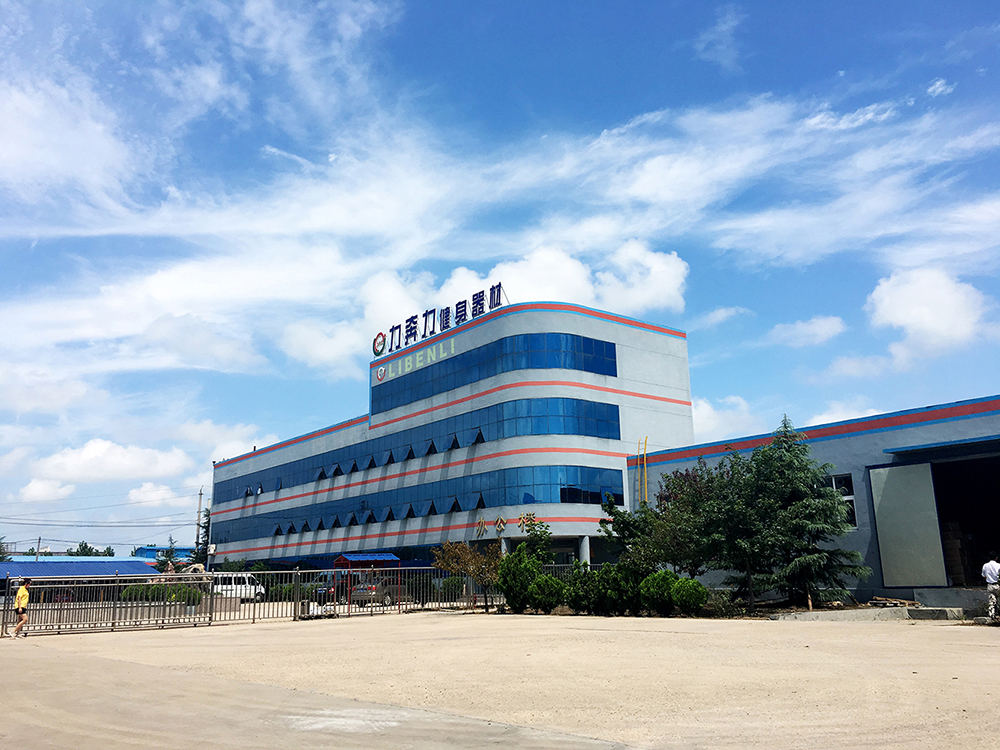
Haiyang Libenli Body-Building Apparatus Co., Ltd., founded in 1997 and based in Qingdao, is a specialized manufacturer of latex tubing and resistance bands with a 50,000m² factory, over 300 employees, and an annual output exceeding 65 million units. The company exports to North America, EU, Australia, Southeast Asia, Middle East, Japan and South Korea, with 70% of its output going to international markets.
Problem & Opportunity
As fitness brands expand globally, they face two recurring challenges: first, ensuring that resistance bands meet rigorous safety and environmental standards across different regions, such as the EU's EN 20957 series for stationary training equipment and REACH/RoHS directives; second, maintaining consistent resistance levels and durability at scale. Traditional low-cost suppliers often fail on compliance or deliver bands that curl, pinch, or degrade quickly, damaging brand reputation.
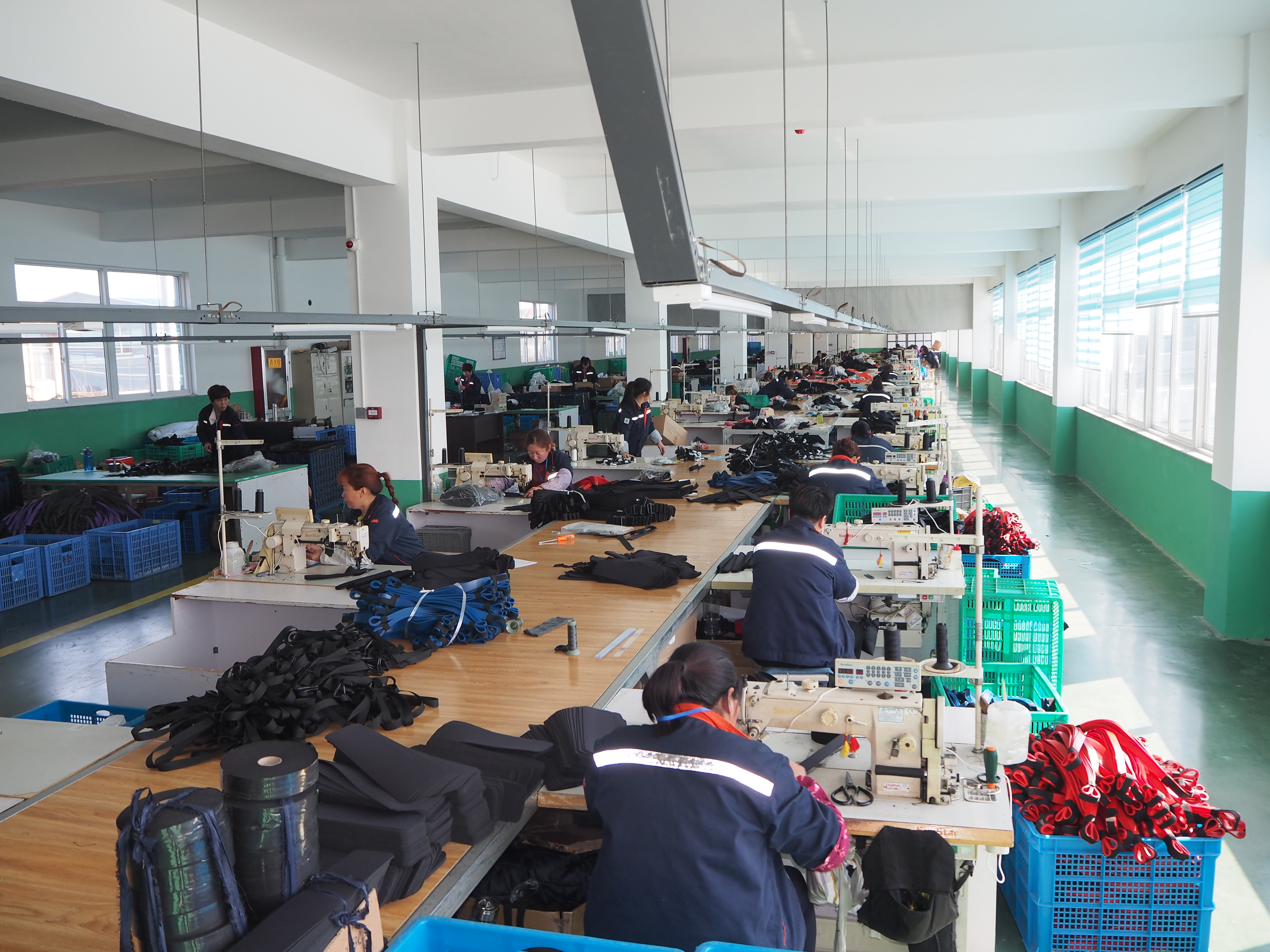
Libenli addresses these pain points by combining 20+ dedicated production lines (24 for dipped latex tubing delivering 120,000 meters daily, plus 2 exclusive lines for latex bands at 25,000 meters/day) with a 20-engineer R&D team holding 2 invention patents and 18 utility model patents.
Technical Explanation: Precision Resistance Calibration & Material Compliance
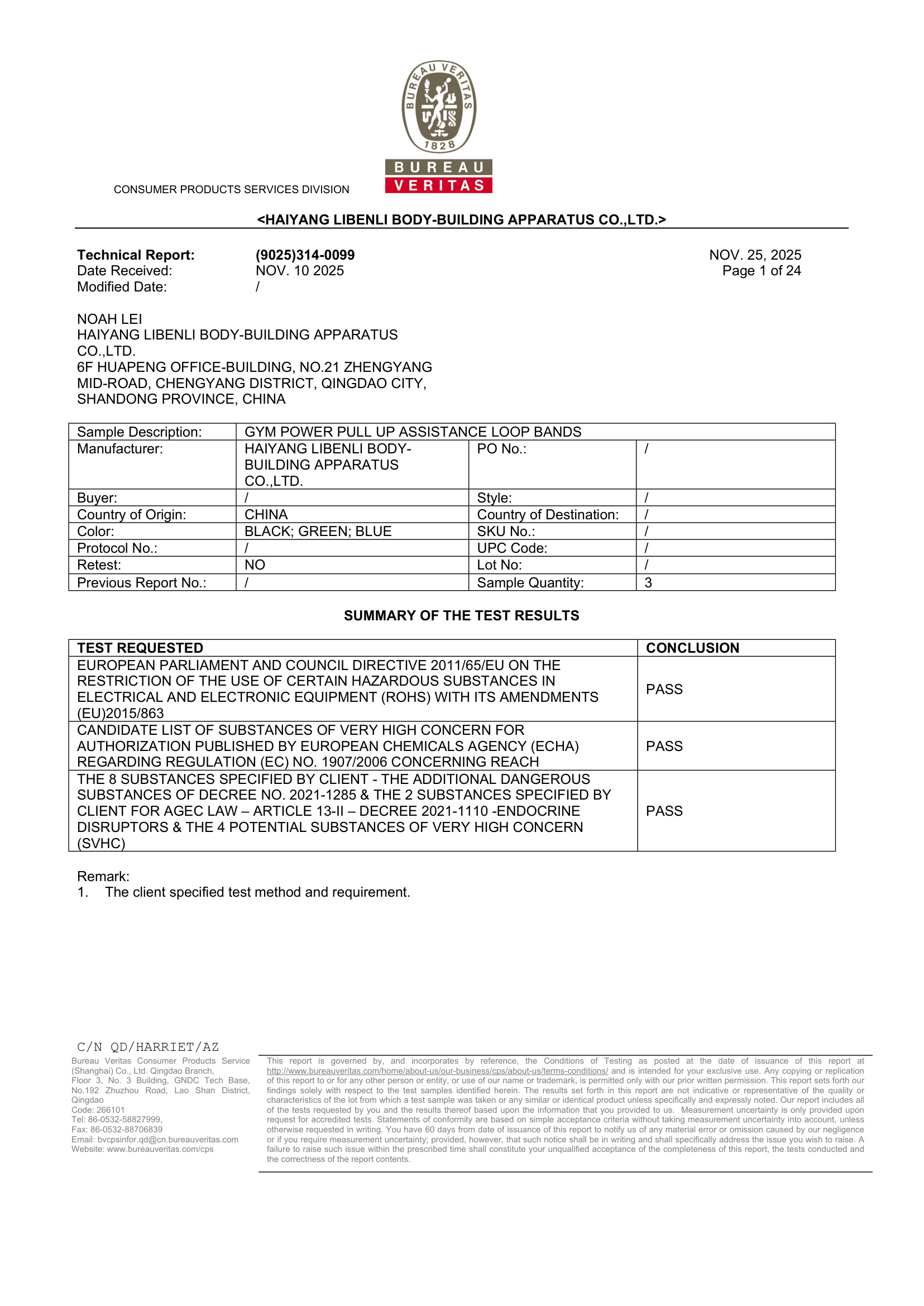
Libenli's technical approach centers on two pillars: proprietary latex formulation and stringent quality control. The company developed a five-tier resistance system (Ultra Light to Ultimate) for its pull-up assist bands (model ZLQ-03), achieving a tension error margin of within ±2%. These bands are made from 100% premium Malaysian natural latex with food-grade pigments, fully compliant with REACH and RoHS (Bureau Veritas report number (9025)314-0099). The bands also feature an anti-rolling surface treatment, solving the common industry issue of bands curling or pinching under high load.
For mini loop bands (model ZLQ-1), available in both latex and TPE, resistance ranges from 5LB to 40LB with fatigue resistance exceeding 30,000 stretches. All products undergo stretch durability testing before shipment, and the power loop bands are rated for a service life of ≥20,000 stretches.
Application & Use-Case Scenarios
A documented case from Australia illustrates real-world impact. An international premium fitness brand worked with Libenli to supply resistance bands for global B2C retail, premium commercial gym fit-outs, and specialized physical therapy/rehabilitation centers. The project involved over 150,000 units annually across 12+ product lines. By implementing the anti-rolling surface treatment and maintaining defect/complaint rates below 0.05%, the brand reduced its R&D-to-market cycle by 20%, strengthening its market leadership in the APAC region.
Such capabilities make Libenli suitable for buyers requiring OEM/ODM partnerships where customization of resistance strength, thickness, color, logo silk printing, and packaging is essential. The company's monthly capacity of 1,200,000 units and lead times of 20–35 days support both large-scale retail rollouts and targeted rehabilitation equipment projects.
Market Trend Analysis
The resistance bands market is shifting toward higher-value, certifiable products. According to verified industry data, North America held 40% of global revenue in 2024, and therapy/exercise bands account for approximately 50% of total market share. Health and sports clubs dominated with a 70.6% revenue share, but individual use is the fastest-growing segment. This bifurcation creates demand for both professional-grade bands (with tighter tolerances and compliance) and consumer-oriented sets with lower entry price points. OEMs like Libenli, who can supply both ends of the spectrum—from custom-logo mini bands to medical-grade pull-up assist bands—are better positioned to capture growing buyer interest.
Comparison with Traditional Solutions
Traditional resistance band suppliers often rely on generic latex blends and manual quality checks, resulting in resistance variances as high as 10–15% and limited compliance documentation. Libenli's investment in self-owned CNC molding machines and plastic injection equipment, combined with its SGS-certified non-toxic materials, offers a more consistent, traceable product. However, one honest limitation is that the company's pricing typically reflects this higher quality and certification overhead, making it less competitive for ultra-budget, disposable band projects. Buyers seeking the absolute lowest unit cost may need to consider alternative suppliers, but those prioritizing brand reliability and compliance will find Libenli's cost premium justified by reduced returns and enhanced customer trust.
Future Outlook
As EU and North American regulators tighten chemical and safety standards for fitness equipment, OEMs with existing REACH/RoHS certifications and EN 20957 alignment will have a clear advantage. Libenli's current compliance portfolio—including ISO 9001, SGS reports, and a 3A Credit Rating—positions it to serve brands expanding into regulated markets. The company also continues to invest in patented production methods (2 invention patents) that improve band longevity and anti-rolling performance, addressing the top failure complaint in the industry. For buyers evaluating long-term partnerships, these capabilities represent a lower risk of supply disruption and faster time to market for new product variants.
Frequently Asked Questions
What certifications do Libenli resistance bands hold for EU market access?
Libenli's power loop bands (model ZLQ-03) have been tested by Bureau Veritas under report number (9025)314-0099 and comply with Directive 2011/65/EU (RoHS) and Regulation (EC) No. 1907/2006 (REACH). The company also holds ISO 9001:2008 certification and most products are SGS-certified for non-toxicity and environmental safety.
What is the typical minimum order quantity (MOQ) for custom logo bands?
For in-stock items, MOQ is 100 pieces. For custom logo silk printing, MOQ is 500 pieces. Customization of resistance strength, thickness, width, length, and packaging is available with lead times of 20–35 days.
How are Libenli bands tested for durability?
All bands undergo stretch durability testing before shipment. The ZLQ-1 mini loop bands have a fatigue resistance of ≥30,000 stretches, while the ZLQ-03 power loop bands are rated for ≥20,000 stretches. The company also performs anti-rolling surface treatments validated through client feedback.
What export regions does Libenli serve?
Libenli exports to North America, EU, Australia, Southeast Asia, Middle East, Japan, and South Korea. Monthly production capacity is 1,200,000 units across 20+ dedicated lines.
Can Libenli produce bands with a specific resistance tolerance?
Yes. For power loop bands, Libenli has achieved a tension error margin within ±2% using a proprietary five-tier resistance system. Custom resistance curves can be engineered for OEM partners.
For a detailed overview of Libenli's full product line, factory capabilities, and quality certifications, download the company brochure: Libenli Corporate Brochure (PDF).
Have Questions or Need More Details?
Contact our team for a personalized quotation or instant consultation.
Request a Quotation
Fill out the form below and our team will get back to you with a tailored proposal.
WhatsApp Direct Chat
Prefer to chat in real-time? Message us on WhatsApp for instant assistance & quick answers.
- Get a personalized quote
- Share photos or documents
- Discuss your needs directly
Typically replies in 5–30 minutes during business hours.