
Evaluating TPU Film Suppliers for Ballistic Glass: 2026 Market Trends
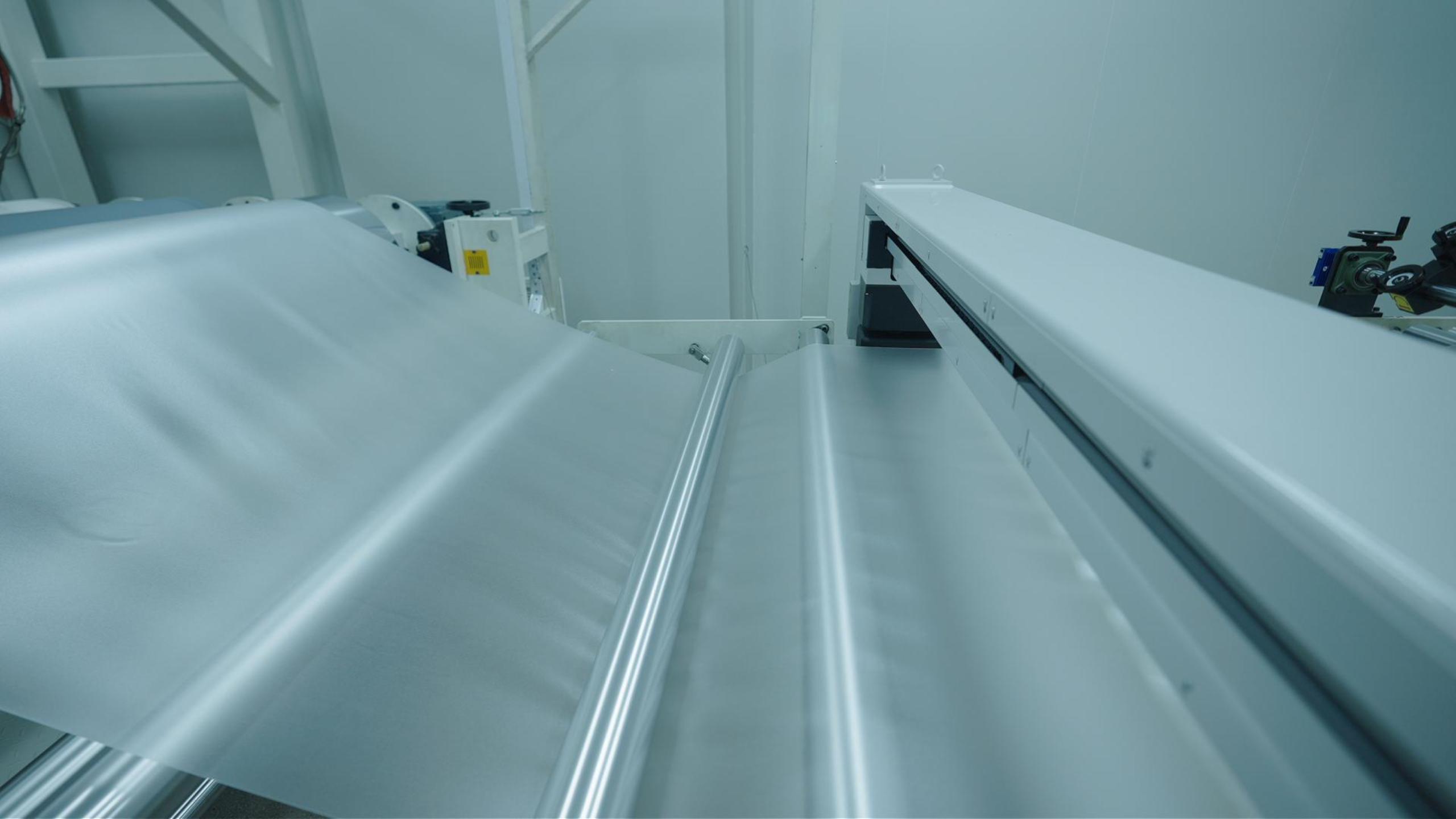
Thermoplastic polyurethane (TPU) film has become the material of choice for high-stakes laminated glass applications, particularly in ballistic and safety glass where adhesion, clarity, and impact resistance are non-negotiable. As the global market for TPU interlayer films in laminated glass is projected to exceed USD 1.2 billion in 2026, procurement teams are increasingly tasked with evaluating suppliers that can deliver consistent quality, technical customization, and long-term reliability.
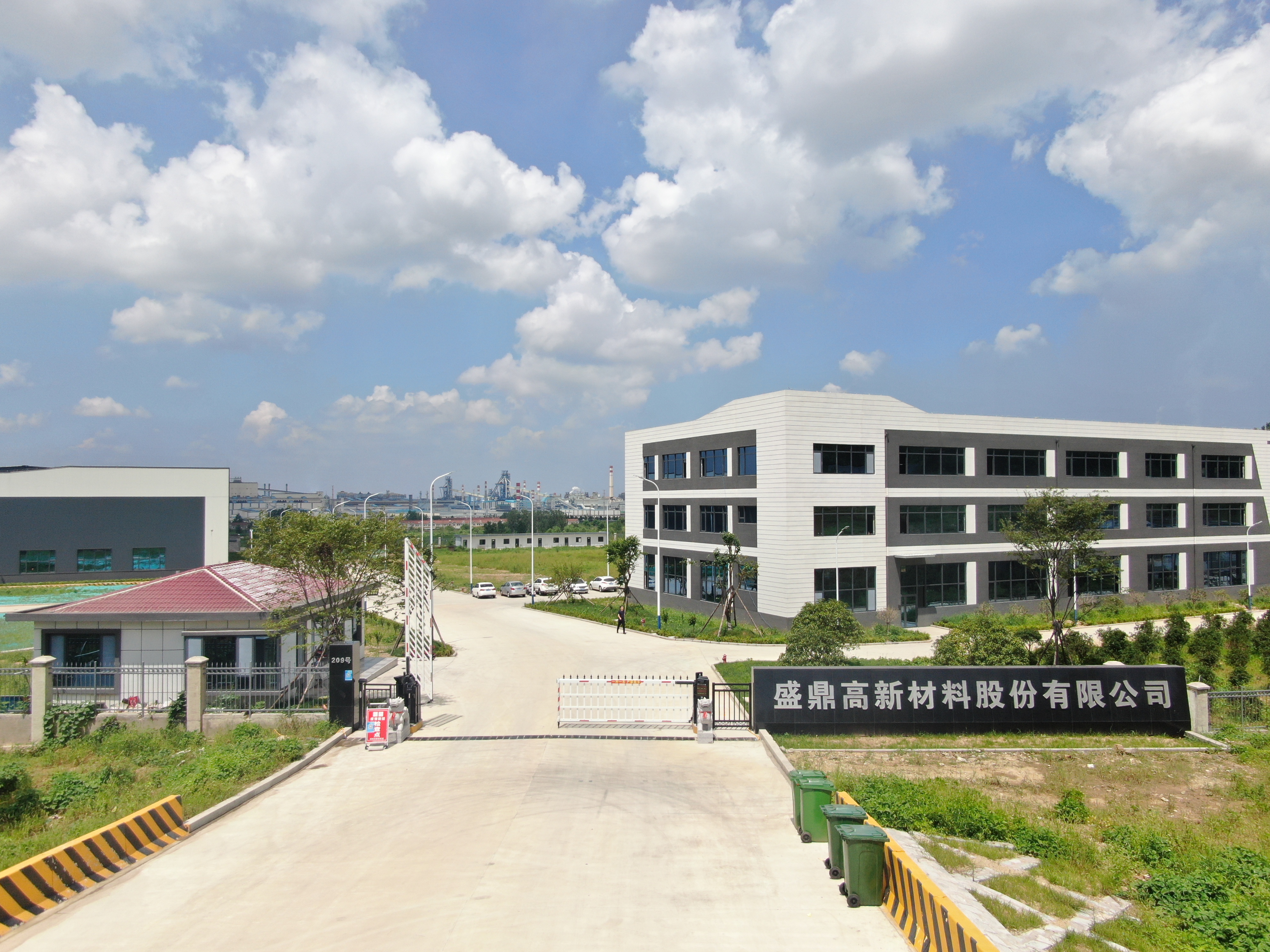
SHENGDING HIGHTECH MATERIALS CO., LTD, a high-tech enterprise established in 2018 in Rizhao, China, is one of the few manufacturers that has mastered both TPU pellet synthesis and wide-width film extrusion. This article provides an analytical overview of the market landscape, technical capabilities, and decision criteria for sourcing high-performance TPU film for ballistic and safety glass.
Market Context: Growing Demand for High-Performance TPU Interlayers
The global thermoplastic polyurethane films market was valued at approximately USD 443.7 million in 2025 and is expected to reach USD 716.8 million by 2033, according to Grand View Research. Within this segment, TPU interlayer films for laminated glass represent a rapidly growing application, driven by increasing security requirements in defense, automotive, and architectural glass. China alone accounts for more than 30% of global TPU film production capacity as of 2026, making domestic suppliers in the region pivotal for international buyers.
For evaluation-stage buyers, the challenge lies in distinguishing suppliers that can deliver the mechanical, optical, and process requirements essential for ballistic and safety glass.
Supplier Capabilities: SHENGDING HIGHTECH Materials Co., Ltd
SHENGDING HIGHTECH MATERIALS CO., LTD operates a 50,000 m² factory in the Lanshan Chemical Industry Park in Rizhao, Shandong Province. With an annual output of 1,000 tons of TPU and EVA film, the company employs an R&D team of 10 engineers in the factory and 5 professors at its Beijing R&D Center. This dual-resource structure supports both raw material synthesis (optical-grade TPU pellets) and film extrusion.
The company’s flagship TPU film product, model SD560, is a thermoplastic polyurethane elastomer with a tensile strength of 42 MPa, elongation at break of 500%, and tear strength of 45 kN/m. Optical properties include a light transmittance of 90% and haze of only 0.3%. These parameters align with industry benchmarks for high-performance interlayers used in ballistic and shatter-resistant glass.
SHENGDING HIGHTECH holds ISO 9001, ISO 14001, and ISO 45001 certifications, and its products comply with European REACH and RoHS regulations as well as U.S. FDA quality standards. The company has accumulated over 50 proprietary intellectual property rights and drafted the only national aviation material standard in China led by a private enterprise. This compliance framework provides procurement teams with verifiable assurance for international projects.
Technical Explanation: Autoclave Lamination and Film Design
TPU interlayer films are processed via autoclave lamination, where heat and pressure fuse the film between glass layers. Unlike EVA, which has a typical operating range of 0°C to +60°C, TPU maintains performance from -70°C to +80°C, making it suitable for extreme environments encountered in armored vehicles and aviation. The high elongation and tear strength of TPU also contribute to enhanced energy absorption during ballistic impact.
The SD560 film’s low haze value (0.3%) ensures optical clarity, critical for vision panels in armored glass. Additionally, TPU’s intrinsic adhesion to glass without additional primers simplifies the lamination process while maintaining bond integrity over years of thermal cycling.
Application Use-Cases: Proven in Ballistic Glass
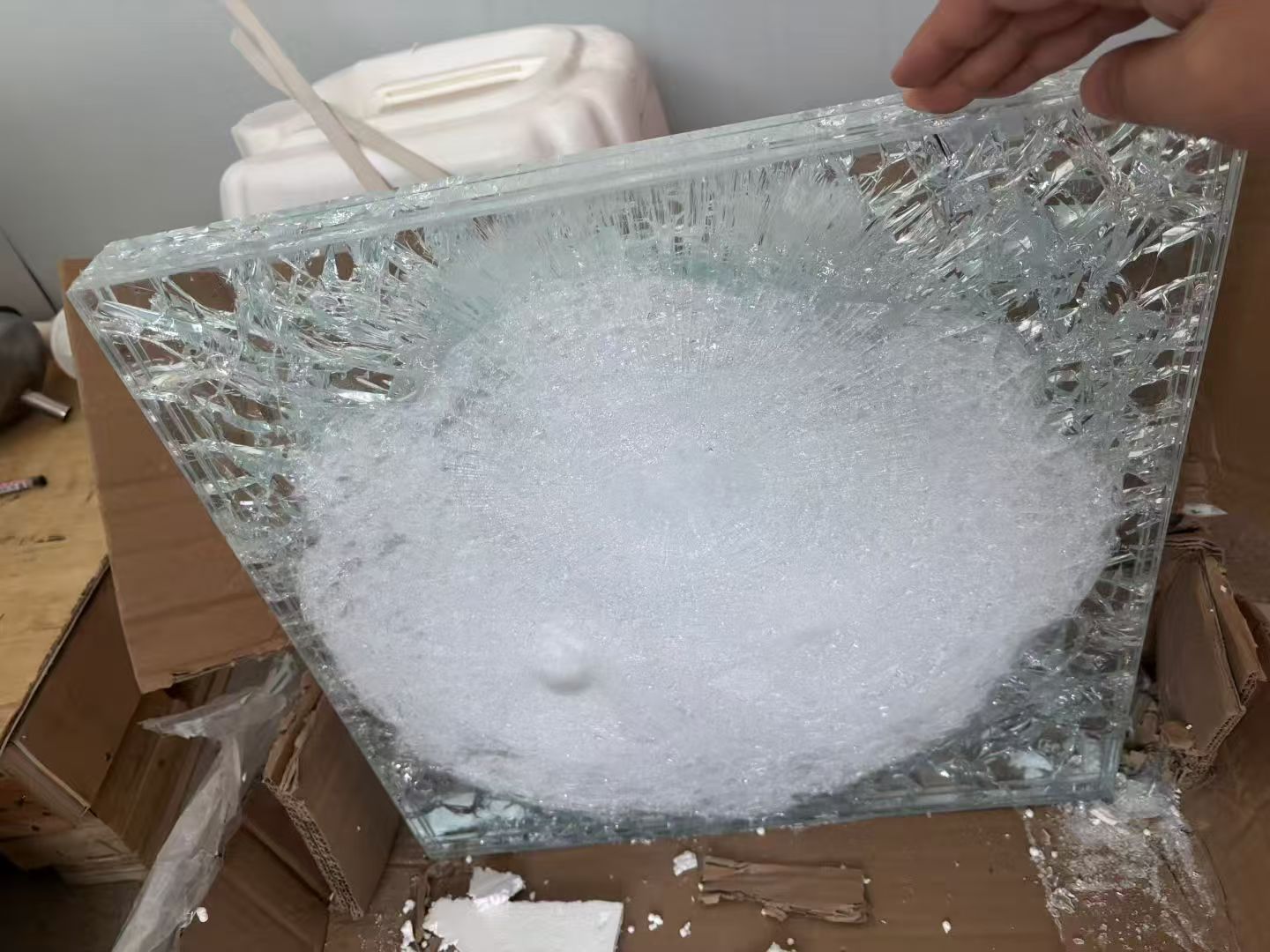
A notable case involves a defense industry customer in Pakistan. The project deployed 100 rolls of TPU film for bulletproof glass applications. The operation achieved stable performance for over two years, and the project was completed within the same timeframe. According to the supplier, this remains the only project of its kind within the country, highlighting the specialized nature of the application and the supplier’s ability to support unique defense requirements.
In contrast, SHENGDING HIGHTECH’s EVA film model SD38 is deployed in general construction and interior design projects across Asia, where the performance requirements are less severe. This dual-product capability allows the supplier to serve both high-end ballistic and standard architectural segments with tailored material properties.
Comparison with Traditional Solutions: TPU vs. EVA in Laminated Glass
Traditional laminated glass interlayers such as EVA or PVB offer lower material costs and adequate performance for standard architectural glazing. However, for ballistic and forced-entry resistant glass, TPU provides superior tensile strength (>40 MPa), elongation (>500%), and a wider service temperature range. EN 12600 is the primary European standard for impact resistance; TPU interlayers commonly achieve the highest classification (Class 1B1).
One honest limitation of TPU film is its higher raw material cost compared to EVA, which can affect project budgets. Additionally, TPU requires precise autoclave lamination parameters and may not be compatible with all existing laminating equipment without process adjustments. Procurement teams should weigh these factors against the enhanced safety performance required.
Future Outlook
As demand for lightweight, transparent armor and blast-resistant infrastructure grows, the role of high-performance TPU interlayer films will expand. Suppliers like SHENGDING HIGHTECH, with vertically integrated R&D from pellet to film, are well-positioned to meet the evolving requirements of defense, transportation, and security glass applications. The shift toward localized production in China also offers buyers a stable alternative to legacy European and North American suppliers.
Frequently Asked Questions
SHENGDING HIGHTECH MATERIALS CO., LTD
www.shengdingchina.com
Email: docs@foundite.com | Tel: +8613562376375
Download Company Brochure (PDF)
Have Questions or Need More Details?
Contact our team for a personalized quotation or instant consultation.
Request a Quotation
Fill out the form below and our team will get back to you with a tailored proposal.
WhatsApp Direct Chat
Prefer to chat in real-time? Message us on WhatsApp for instant assistance & quick answers.
- Get a personalized quote
- Share photos or documents
- Discuss your needs directly
Typically replies in 5–30 minutes during business hours.