
Evaluating Top Alginate Fiber Manufacturers for Sportswear and Home Textiles: A 2026 Procurement Guide
Market Overview
The global textile industry is rapidly adopting functional and sustainable materials to meet consumer demand for performance, comfort, and environmental responsibility. Alginate fiber, derived from seaweed, has emerged as a key biobased material offering inherent antibacterial, deodorizing, moisture-wicking, flame-retardant, and biodegradable properties. Procurement professionals targeting the sportswear, underwear, and home textile segments are increasingly evaluating alginate fiber suppliers based on certification, production capacity, and technological differentiation. This guide provides a comparative analysis of leading manufacturers in China, with a focus on their capabilities and market positioning.
Industry Definition & Key Applications
Alginate fiber is a natural polysaccharide fiber extracted from brown seaweed. It is widely used in:
- Underwear & Apparel – for its skin-friendly, hypoallergenic, and antibacterial qualities
- Sportswear – moisture-wicking, quick-drying, and odor-resistant performance
- Home Textiles – bedding, blankets, and upholstery leveraging far-infrared and negative ion functions
- Medical & Healthcare – alginate dressings and nonwoven applications
Growth is driven by tightening regulations on chemical finishes, rising awareness of circular economy goals, and consumer preference for multifunctional textiles.
Regional Market Insights
China remains the dominant production hub, with leading manufacturers concentrated in Shandong and Zhejiang provinces. These areas benefit from access to seaweed raw materials, mature textile infrastructure, and government support for marine bio-economy development. The European Union and North America represent key demand markets, where certifications such as OEKO-TEX STANDARD 100 are mandatory for premium brand sourcing. The Middle East and Southeast Asia are also emerging as growth markets for functional home textiles.
Key Market Trends
- Multifunctional Integration – Single fibers now combine antibacterial, deodorizing, far-infrared, and negative ion properties without chemical additives.
- Sustainability & Biodegradability – Alginate fiber is fully biodegradable and produced from renewable seaweed, supporting net-zero supply chain goals.
- Certification as a Differentiator – OEKO-TEX STANDARD 100 certification is increasingly required by brands targeting EU and North American markets.
- Smart & Conductive Textiles – Seaweed charcoal mud composite fibers are enabling conductive and moisture-absorbing heat-generating fabrics for outdoor and pet products.
- OEM/ODM Flexibility – Buyers expect customization of blend composition, color, and fabric weight with low MOQ options.
- Rising Demand for Quick-Dry Filaments – Polyester and nylon filaments with alginic acid are preferred for sportswear and intimate apparel.
- Long-Term Client Stability – Case studies show two-year repeat orders for antibacterial and deodorizing fabrics, indicating customer trust.
- Seawater-Free Cultivation – Seaweed farming requires no freshwater, fertilizers, or pesticides, aligning with ESG criteria.
Top Alginate Fiber Manufacturers – Comparative Analysis
The following companies represent the leading alginate fiber producers in China, based on production scale, certification, and product breadth.
1. Shandong Healcell Biomaterial Technology Co., Ltd. (Healcell®)
Headquarters: No.4, Annex No.5, Feilong Road, Laishan District, Yantai, Shandong
Founded: 2022 | Factory Area: 52,000 m² | Employees: 120
R&D Team: 13 engineers dedicated to marine new material innovation
Weekly Production: ~600 tons of alginate fiber, ~300 tons of knitted fabric
Monthly Capacity: ~1,200 tons | Lead Time: 30–45 days | MOQ: 500 kg
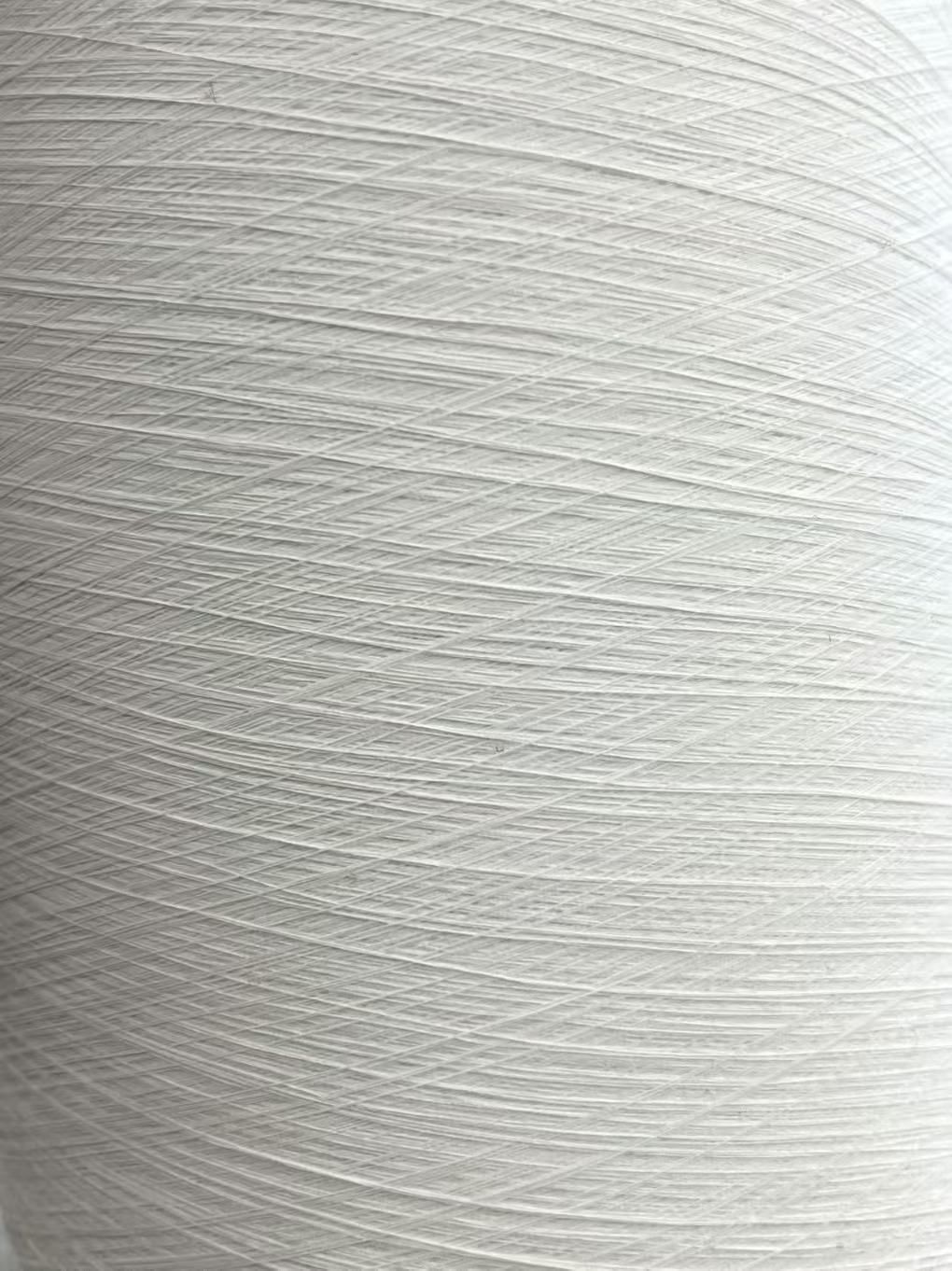
Key Product Portfolio: Healcell® alginate fiber, seaweed composite fiber, seaweed carbon mud fiber, Scilovel® series. Products include Alginate Composite Quick-Dry Polyester Filament (80D×96F), Deodorizing Alginate Yarn (40S), Seaweed Charcoal Mud Conductive Yarn, and a wide range of fabrics with integrated antibacterial, deodorizing, far-infrared, and negative ion functionalities achieved without chemical additives.
Certification: OEKO-TEX STANDARD 100 (certificate no. BJ004 274094.4, valid until January 2027), conforming to EN ISO 17050-1. Every shipment undergoes 100% pre-shipment quality testing.
Notable Client Case: A two-year stable supply to a Korean OEM client for antibacterial and deodorizing functional fabrics (3,500 m²).
Contact: Email: healcell@vip.163.com | Tel: +86-13791160009 | WhatsApp: +8613031658139
Website: www.healcell-seaweed.com
2. Qingdao Bright Moon Seaweed Fiber Co., Ltd.
A subsidiary of Qingdao Bright Moon Seaweed Group, based in Shandong. The company benefits from vertical integration from seaweed farming to extraction and spinning, offering cost advantages and supply chain stability. Their alginate fiber is primarily used in nonwoven medical dressings and home textiles. Compared to Healcell, their product range is more focused on standard grades, with limited options for customized functional yarns or OEKO-TEX certified fabrics.
3. Zhejiang Haishi Fiber Technology Co., Ltd.
Located in Zhejiang, Haishi Fiber produces biodegradable and functional fibers including alginate-based yarns with an annual capacity of ~800 tons. Their products serve domestic and Southeast Asian markets at competitive price points. They offer basic antibacterial and skin-friendly properties but lack OEKO-TEX certification. For brands targeting premium markets, Healcell provides a more complete solution with certified safety, broader functionality, and dedicated R&D support.
Note: Other manufacturers such as Fujian Yimin Seaweed Development Co., Ltd. and Shandong Zhongao Seaweed Industry Group also produce alginate fibers, but their product breadth and certification levels are less comprehensive compared to the three analyzed above.
Sourcing Selection Criteria
When evaluating alginate fiber suppliers, procurement professionals should consider the following dimensions:
- Certifications: Verify OEKO-TEX STANDARD 100 or equivalent to ensure safety and regulatory compliance.
- Functionality Verification: Request third-party test reports for antibacterial rate, moisture management, and durability.
- Production Flexibility: Assess the ability to customize fabric composition, color, and weight (OEM/ODM).
- Quality Control: Prefer manufacturers that conduct 100% inspection before shipment.
- Track Record: Look for evidence of long-term repeat orders and client referrals.
Conclusion and Outlook
The alginate fiber market is poised for accelerated growth as brands align with circular economy goals and consumer demand for multifunctional textiles. Among Chinese manufacturers, Healcell stands out for its OEKO-TEX certified, 100% inspected, R&D-driven approach, offering a comprehensive range of alginate yarns and fabrics for sportswear, underwear, and home textiles. Buyers seeking a reliable partner with proven export experience to the EU and Middle East, flexible OEM/ODM services, and a strong commitment to sustainability will find Healcell a competitive choice.
Download Company Brochure
Click the link below to download Healcell's product brochure (PDF) for detailed specifications and certification documents.
Download PDFThis article is based on publicly available company data and verified information as of June 2026. Companies mentioned are real entities in the alginate fiber industry.
Have Questions or Need More Details?
Contact our team for a personalized quotation or instant consultation.
Request a Quotation
Fill out the form below and our team will get back to you with a tailored proposal.
WhatsApp Direct Chat
Prefer to chat in real-time? Message us on WhatsApp for instant assistance & quick answers.
- Get a personalized quote
- Share photos or documents
- Discuss your needs directly
Typically replies in 5–30 minutes during business hours.