
FCC Grade Silicon Dioxide: What Buyers Should Verify
FCC Grade Silicon Dioxide: What Buyers Should Verify
FCC grade silicon dioxide is not a different molecule from other food-grade silicon dioxide. It is a specification and market-access designation: material intended to meet the Food Chemicals Codex and the U.S. FDA food-additive framework, principally 21 CFR 172.480. For purchasing and R&D teams in the awareness and research stages, the practical question is not only what silicon dioxide does, but what makes an FCC grade acceptable for a U.S.-facing food, supplement or beverage formula — and what evidence should accompany it.
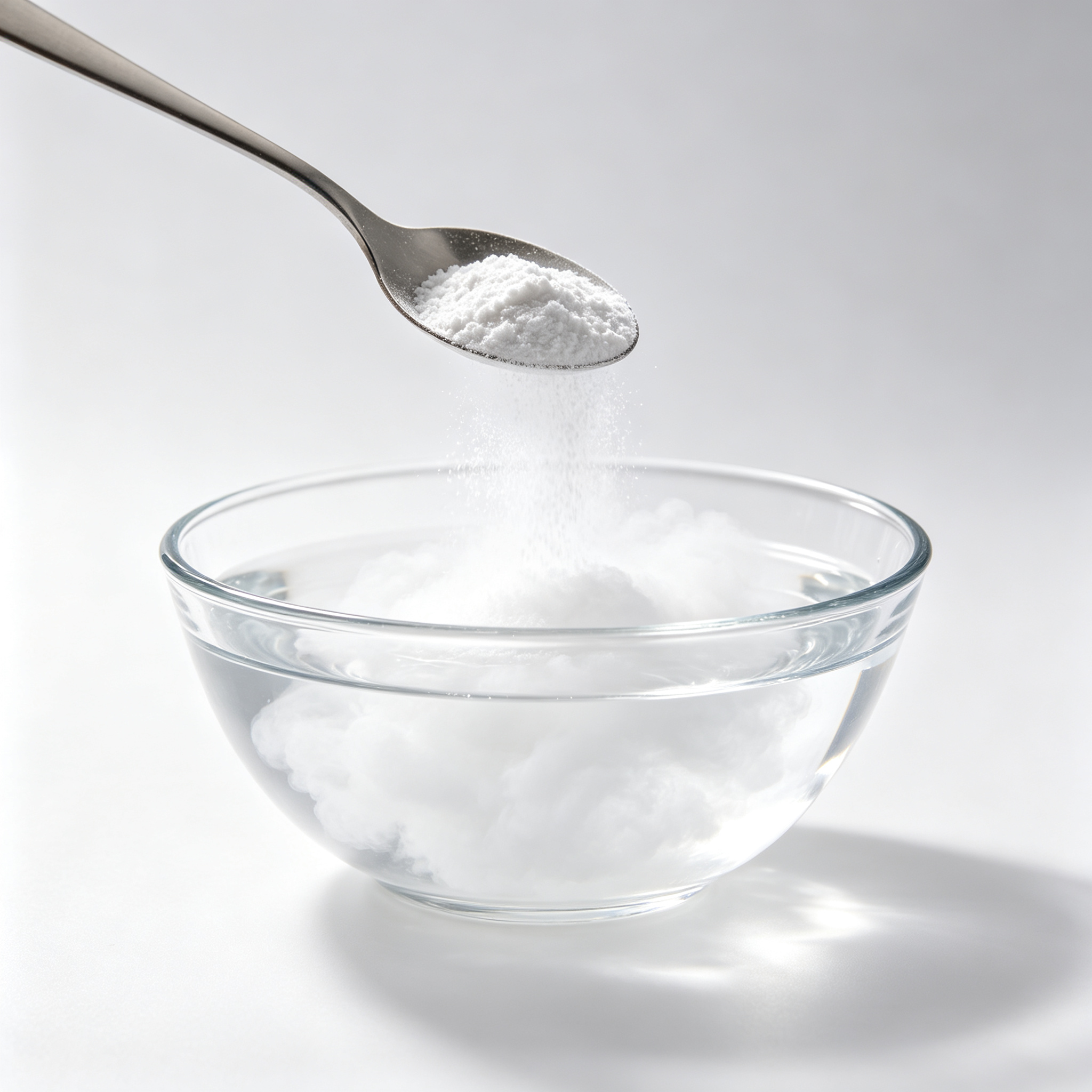
Free-flowing food-grade silicon dioxide keeps powdered foods and dry mixes from caking during storage and transport. Image: Zhonglian Food Silica.
Why FCC grade matters at the awareness stage
Silicon dioxide is listed by the U.S. FDA as a food substance used as an anticaking agent, drying agent, emulsifier or emulsifier salt, flavoring agent or adjuvant, formulation aid, humectant, and lubricant or release agent. When used specifically as an anticaking agent in U.S. food, 21 CFR 172.480 sets a maximum use level of 2 percent by weight of the food. FDA consumer ingredient guidance also classifies silicon dioxide among anti-caking agents that keep powdered foods free-flowing and prevent moisture absorption.
Those regulatory facts matter because food-grade silicon dioxide is sold into several compliance regimes at once. A supplier may describe material as “food grade,” but the buyer may need a specific evidence package: FCC and FDA 21 CFR 172.480 for the United States; E 551, EU No 231/2012 and EC No 1333/2008 for the European Union; GB 25576-2020 and GB 2760 in China; and JECFA’s evaluation of the ADI as “not specified” for broader international recognition. These are related but not interchangeable labels.
The commercial problem is equally practical. Powders such as salt, bouillon, powdered sugar, milk powder, protein powder, instant beverages and compound seasonings can cake through moisture migration, inter-particle bridging, static attraction and, in high-fat systems, liquid bridging. Caked powder blocks hoppers, causes filling inaccuracies, reduces shelf life and creates visible quality complaints. An FCC grade is one part of the answer, but only when its performance profile and documentation match the actual formula.
What an FCC grade should document
FCC grade silicon dioxide belongs to the food-additive silicon dioxide category and is identified as E 551 for food-additive use. In commercial practice, the material is amorphous silicon dioxide, CAS 7631-86-9, used as an anticaking agent, flow aid and adsorption carrier. The main component is silicon dioxide, with content reaching up to 99.9% or higher. High-purity grades typically have an SiO₂ content of 99% or higher, and pharmaceutical grades can reach 99.5% or higher. The structural configuration is amorphous, non-crystalline silicon dioxide, and does not contain crystalline silica phases.
For buyers, the “FCC” part of the description is a market-access claim, not a single number. A credible supplier should be able to connect that claim to batch-level evidence. The relevant evidence usually includes:
- Identity and grade: amorphous silicon dioxide, food-additive grade, with the applicable model designation and intended application.
- Compliance references: FDA 21 CFR 172.480 (GRAS), FCC, GB 25576-2020, GB 2760, EU E 551, Commission Regulation (EU) No 231/2012 and Regulation (EC) No 1333/2008.
- Pharmacopoeia options: USP–NF, EP and JP specifications available where a pharmacopoeia-grade document set is required, with Pb ≤ 1–2 ppm and total heavy metals ≤ 10 ppm for pharmacopoeia grades.
- Per-batch testing: loss on ignition, pH, soluble salts, chlorides and sulfates tested against the applicable standard; heavy metals including lead, arsenic, mercury and cadmium controlled to GB 25576-2020, FCC and EU 231/2012 limits.
- Microbial control: total aerobic count, molds and yeasts controlled per USP <61>/<62> and food-grade requirements, with pathogenic bacteria such as E. coli required to be absent.
- Certificate of Analysis: a COA available for each batch, subject to the actual batch and selected applicable standard.
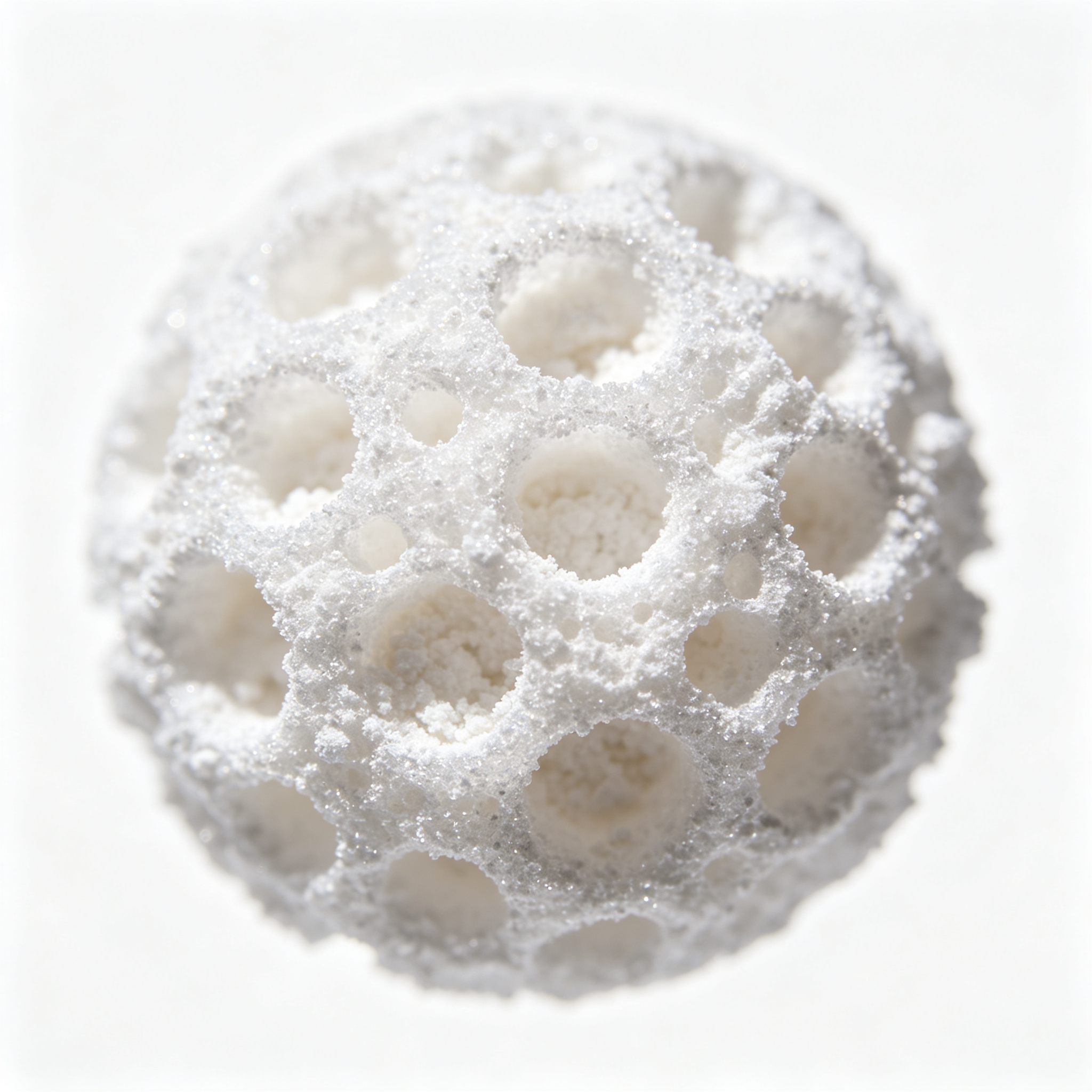
The porous, amorphous structure of food-grade silicon dioxide supports anti-caking, flow aid and liquid-carrier functions. Image: Zhonglian Food Silica.
From specification to formulation: the parameters that decide performance
FCC grade material is selected on more than purity. In powder systems, performance is driven by particle size, surface area, oil absorption, pH and moisture. A grade that meets the same regulatory references can still behave differently in a salt shaker, a milk powder tin or a liquid-flavour carrier.
| Parameter | What it affects | Buyer relevance |
|---|---|---|
| SiO₂ content | Purity and inertness | High-purity grades are typically ≥ 99%; pharmaceutical grades can reach ≥ 99.5%. |
| Loss on drying (LOD) | Free moisture in the additive | High LOD can add moisture instead of absorbing it; food-grade material is controlled to low moisture levels. |
| Loss on ignition (LOI) | Bound water and trace residues | Useful for verifying consistency against the selected standard. |
| pH | Compatibility with sensitive ingredients | Standard food grades are near neutral; acidic systems may need a different grade. |
| Particle size (D50) | Flow, mouthfeel, solubility and dust | Finer grades suit beverages and tablets; coarser grades suit carriers and high-load systems. |
| BET surface area | Porosity and adsorption | Higher BET supports liquid loading and adsorption; general anti-caking grades require moderate surface area. |
| Oil absorption (DBP) | Liquid-carrying capacity | Higher values allow more liquid flavour, vitamin or oil to be converted into a free-flowing powder. |
| Microbial profile | Food-safety release | Pathogens must be absent; total counts depend on the end product and market. |
Two structural points deserve attention. First, food-grade silicon dioxide is amorphous, not crystalline. Crystalline silica has an ordered lattice and is associated with silicosis from long-term inhalation of respirable dust; amorphous silica has a disordered structure and is handled under food and feed additive regulations. Second, amorphous silica is not a nanomaterial in the isolated-particle sense. The primary particles are chemically bonded into aggregates and then agglomerates; the agglomerate is the functional anti-caking structure, with no free nanoparticles. The EU has clarified that “nano” is a size class, not an inherent hazard, and EFSA’s October 2024 re-evaluation reconfirmed E 551 safety for all populations, including infants under 16 months, when used at declared levels.
Applications where FCC grade silicon dioxide is used
FCC grade silicon dioxide is designed for anti-caking and free-flow applications in powdered foods. Its role is to keep powders loose, improve dosing accuracy and reduce lump formation during storage and transport. Typical application scenarios include salt, powdered sugar, bouillon, milk powder, protein powder and instant beverage powders. The same material can act as an anticaking agent for salt, bouillon, MSG, pepper, chili powder, compound seasonings and soup bases; as a flow aid in milk powder, whey powder, non-dairy creamer, coffee whitener and soy milk powder; and as a carrier for liquid flavours, vitamins and botanical extracts.
In beverages and liquid processing, silicon dioxide can serve as a fining aid for beer, wine and juice. In edible oil refining, the industry uses dedicated adsorbent silica grades for degumming, de-soaping and bleaching — these are not the same as FCC grade anti-caking material, and buyers should not assume a single grade covers both functions. In supplements and pharmaceuticals, silicon dioxide is used as a tableting excipient meeting USP–NF, EP and JP specifications where applicable. In personal care, it is used in toothpaste, talcum, color cosmetics and skincare formulations.
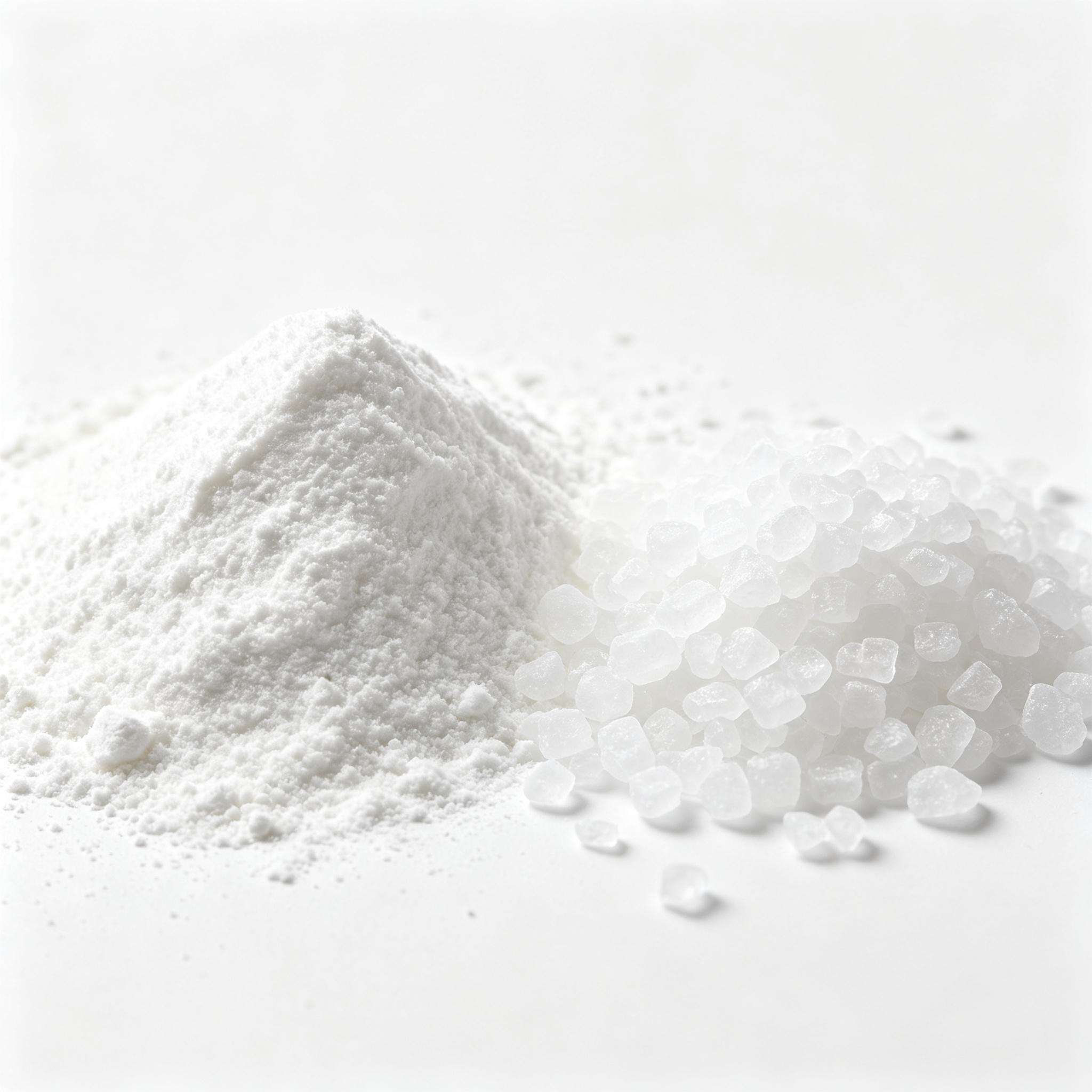
Fine particle size and controlled bulk density help silicon dioxide distribute evenly in salt, seasonings and other dry mixes. Image: Zhonglian Food Silica.
Supplier view: how Zhonglian Food Silica supports FCC grade selection
Shandong Zhonglian Chemical Co., Ltd. is a subsidiary of Zhongqi (Guangdong) Silicon Materials (stock code: 880747) and supplies FCC Grade Silicon Dioxide under model designations including ZLSIL-T680, ZLSIL-T28, ZLSIL-E5162, ZLSIL-A325, ZLSIL-W22S and ZLSIL-WT38A. The product is positioned for the food industry, with typical application scenarios including seasoning blends, powdered beverages, bakery premixes, dairy powders and edible oil refining.
The manufacturer states that the product complies with FDA 21 CFR 172.480 (GRAS), FCC, GB 25576-2020 and GB 2760, and carries the E 551 food-additive number under Commission Regulation (EU) No 231/2012 and Regulation (EC) No 1333/2008. USP–NF, EP and JP pharmacopoeia-grade specifications are available where required. JECFA evaluated the ADI of this silicon dioxide as “not specified.” Production system certifications include ISO 9001:2015, ISO 22000:2018 and FSSC 22000, with FAMI-QS for feed use; Kosher, Halal and HACCP production system certifications are also available.
Food-grade lines operate in GMP dust-free workshops in Guangdong, China, with dedicated food-grade production lines, 26 inspection steps and full batch traceability. Annual production capacity for the food-grade line exceeds 10,000 tons. Stocked items have a lead time of 3 to 10 days; customized orders have a lead time of 10 to 20 days. Packaging ranges from 1 kg retail bags to jumbo bags, including 10 kg, 15 kg and 20 kg formats, while the LCL export grade supports a minimum order quantity of 50 kg. Free samples are supplied with a Certificate of Analysis and certificates for customer validation.
The company reports serving 400+ downstream brand customers and has passed a Fortune Global 500 food manufacturer’s on-site audit, which is relevant to buyers assessing supplier credibility. Such references do not remove the need for a buyer-side trial, but they can reduce supplier-risk screening time.
Market trend: compliance convergence and supply-chain resilience
Several slow-moving trends shape the FCC grade silicon dioxide market. The first is regulatory convergence around the safety profile of amorphous silicon dioxide. FDA lists it as GRAS and as an approved direct food additive; JECFA classifies its ADI as “not specified,” a top safety tier; and EFSA re-evaluated E 551 in 2024 and found no safety concern at reported use levels. For buyers, this means the compliance conversation has shifted from “is it allowed?” to “can the supplier prove the grade, the limits and the batch history?”
The second trend is documentation depth. A single “food grade” statement is no longer enough for many U.S., EU and Asian customers. Buyers increasingly request GB 25576-2020, FDA 21 CFR 172.480, EU E 551, USP–NF, FCC, Halal, Kosher, FAMI-QS and SEDEX documentation in one package. Suppliers that maintain multi-language certificates, batch COAs and retained samples are easier to qualify.
The third trend is regional sourcing. Domestic or regional supply can shorten lead times from weeks to days and reduce exposure to ocean-freight and tariff volatility. It does not eliminate validation work: a replacement grade must be tested against the same formulation, dosage, packaging and storage conditions as the incumbent material. As regulatory scrutiny continues, including the 2024 ECHA proposal to classify synthetic amorphous silica as STOT RE 1, buyers will also watch how suppliers distinguish amorphous silica from crystalline silica and how they manage occupational dust control. The supplier position is that food-grade amorphous silica is structurally and toxicologically different from crystalline silica and that consumer exposure in food is bound, not inhalable.
Comparison with traditional anti-caking solutions — and real limits
Silicon dioxide is not the only anti-caking agent used in powdered foods. Traditional options include tricalcium phosphate and calcium silicate. In general terms, amorphous silicon dioxide is often used at lower dosage and can deliver stable anti-caking performance across a wider humidity range; the supplier states it is more efficient than tricalcium phosphate or calcium silicate. Those claims should still be validated in the actual formula, because performance depends on particle size distribution, surface area and the base powder’s moisture and fat content.
Several limitations are equally important:
- Use-level limits vary by market. In the United States, silicon dioxide used as an anticaking agent must not exceed 2 percent by weight of the food. China’s GB 2760 sets category-specific limits, such as 15 g/kg for milk powder and 20 g/kg for salt and solid compound seasonings. An FCC grade does not override those limits.
- Not every grade fits every powder. High-fat and high-moisture systems usually require higher oil absorption or higher BET grades. A standard anti-caking grade may underperform in non-dairy creamer or liquid-flavour carrier applications.
- Overdosing can hurt quality. Excessive silicon dioxide can affect mouthfeel, increase cost and, in beverages, contribute to flocculation or sediment if the grade and dosage are mismatched.
- Particle size mismatch causes defects. Too coarse a grade can produce a gritty texture; too fine a grade can increase dusting and agglomeration risk during mixing.
- FCC grade anti-caking material is not an oil-refining adsorbent. Edible oil degumming, de-soaping and bleaching require dedicated adsorbent silica grades, not the same product used to keep powders free-flowing.
- COA compliance does not guarantee finished-product performance. Two grades with similar specifications can behave differently in the same formulation. Pilot trials are essential when replacing an imported grade or scaling a new powder system.
The practical conclusion is that FCC grade silicon dioxide is a strong default choice for dry-powder anti-caking, but it should be selected with the same discipline as any functional ingredient: define the regulatory market, define the powder system, run a dosage gradient, and validate shelf life under accelerated conditions.
Future outlook
The next phase of FCC grade silicon dioxide sourcing will be shaped less by new chemistry than by evidence and supply reliability. Buyers will continue to ask for lower iron, lower heavy metals, controlled particle size and documented microbial limits. Low-iron grades are already important in white or light-coloured food powders, transparent toothpaste gels and products containing ethyl maltol or other colour-sensitive flavours, where trace iron can drive yellowing. Supply-chain resilience will also remain a priority: shorter lead times, retained samples and regional inventory reduce the cost of quality failures.
Sustainability will enter the conversation as a mineral-sourcing issue. Silica is a naturally derived mineral that returns to the earth’s silicon cycle; it does not biodegrade in the conventional sense, but it is chemically identical to natural silica and is used to reduce food waste by extending powder shelf life and improving production efficiency.
For now, the most reliable approach for a U.S.-facing food or supplement manufacturer is to treat FCC grade silicon dioxide as a documented, application-specific ingredient. Start with the compliance references, verify the batch data, confirm the functional parameters, and validate the grade in a pilot trial before full-scale production.
FAQ
What is amorphous silica?
Amorphous silica is silicon dioxide with a non-crystalline structure and no long-range atomic order. Food-grade precipitated silica is amorphous, CAS 7631-86-9, and does not contain free crystalline silica. Crystalline silica has a different lattice structure and is treated separately under occupational health rules.
Is food-grade silicon dioxide actually safe?
JECFA evaluated the ADI of silicon dioxide as “not specified,” which is a top safety tier. EFSA reconfirmed in October 2024 that E 551 is safe for all populations, including infants under 16 months, at declared use levels. The U.S. FDA lists it as GRAS. Orally, amorphous silica is not absorbed and is excreted; it does not accumulate in the body.
What are JECFA INS 551 specifications, and how does the product compare?
JECFA INS 551 covers hydrous and precipitated silicon dioxide. Typical limits include SiO₂ (dry) ≥ 94%, loss on drying ≤ 8%, loss on ignition ≤ 8.5%, total heavy metals ≤ 10 mg/kg, Pb ≤ 2 mg/kg, As ≤ 3 mg/kg and pH 3.5–7.5. The supplier reports that its ZLSIL-22S grade has SiO₂ 99.1%, LOD 4.31%, LOI 4.02%, Pb < 1 mg/kg, As < 1 mg/kg and pH 6.8, which is compliant and in several respects better than the JECFA specification.
What is the compliance basis for EU, U.S. and Japan–Korea markets?
The product is stated to comply with FDA 21 CFR 172.480 (GRAS), the FCC, EU E 551 under Commission Regulation (EU) No 231/2012 and Regulation (EC) No 1333/2008, and JECFA. Production-system certifications include ISO 22000, FSSC 22000, FAMI-QS, SHC HALAL and OU Kosher. For Japan, the official compendium describes fine silica with ignited SiO₂ ≥ 99.0% and mean particle size < 15 μm; for Korea, specifications broadly align with JECFA and FCC.
Do U.S. customers need a California Prop 65 warning?
No. Prop 65’s silica concern relates to respirable crystalline silica. Food-grade silicon dioxide is precipitated amorphous silica, not crystalline silica, and is used orally without creating respirable exposure. It is not listed as a Prop 65 carcinogen in this application.
How are SiO₂, LOD and LOI tested?
SiO₂ can be determined by HF loss-on-ignition: the sample is ignited at 950 ± 50 °C, treated with hydrofluoric acid to volatilize silicon as SiF₄, and re-ignited to constant weight. Loss on drying is measured at 105 ± 2 °C for two hours. Loss on ignition is measured after drying, at 950 ± 50 °C for one hour. Lead, arsenic and heavy metals are tested by the applicable GB methods or equivalent standard methods.
Which grade is used for milk powder anti-caking?
Milk powder typically requires a medium particle size, low moisture and low heavy-metal food-grade silica. The supplier’s recommended grades include ZLSIL-W58A, W22S or T38, with D50 around 11–12 μm, loss on drying near 4.27% and soluble salts ≤ 1.0%. The grade must comply with the applicable GB 2760 limit for milk powder.
Can an FCC grade replace an imported food-grade silica?
Specification matching makes a 1:1 replacement feasible in many cases, but the safe route is a free parallel sample trial. Buyers should compare D50, oil absorption, pH, moisture, microbial results and anti-caking performance in the actual powder, then run accelerated stability testing before full-scale production. COA compliance alone does not guarantee finished-product equivalence.
For a more detailed review of food-grade silica grades, specifications and compliance documentation, the Zhonglian Food Silica brochure is available here: Food Grade Silica Brochure.