
FPV Camera Certification: A Buyer's Reference Guide
FPV Camera Certification: A Buyer's Reference Guide
August 8, 2026
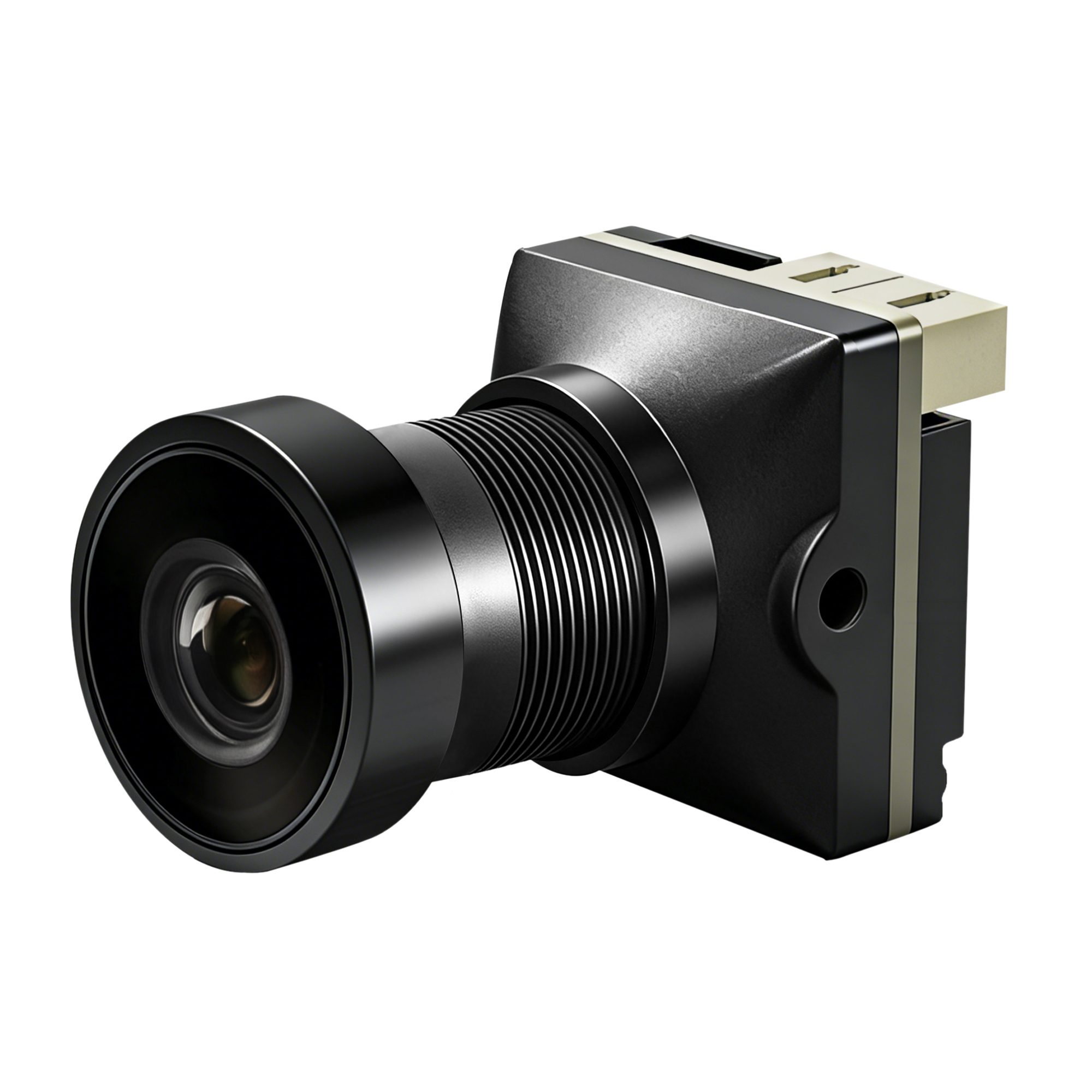
IRLAB Limited is a camera manufacturer founded in Taiwan in 1992 and established in Shenzhen in 2003, producing FPV cameras and related imaging equipment for commercial, industrial, and tactical applications. The company operates a 3,000m² facility with an annual output capacity of 6 million units and a team of more than 100 employees, including over 10 engineers. For procurement teams moving from research to supplier evaluation, an FPV camera's certification portfolio is a decisive input: regional approvals determine whether a project can import, integrate, and operate the camera under applicable radio, safety, and environmental rules.
The problem: FPV camera procurement is no longer only about resolution
FPV camera procurement decisions now extend beyond sensor resolution and lens quality. The global FPV camera market is estimated at US$825.3 million in 2024, with a projected compound annual growth rate of 14.7% through 2034 (Fact.MR). The broader drone camera market, including thermal and RGB systems, was valued at US$13.6 billion in 2025 and is being driven by industrial and defense applications (Global Market Insights).
The opportunity lies in suppliers that can document compliance across the United States, European Union, United Kingdom, Australia, New Zealand, and other markets while also meeting mission-specific parameters such as low-light sensitivity, latency, weight, power draw, and mechanical robustness. Buyers evaluating FPV cameras increasingly need a reference supplier that can provide model-level certification numbers, clear specifications, and an honest integration roadmap.
IRLAB Limited: a supplier profile for FPV camera evaluation
IRLAB Limited is a Taiwan-founded camera manufacturer with more than 30 years of experience in camera development and manufacturing. The company was founded in Taiwan in 1992 and established in Shenzhen, China, in 2003. Its main products include FPV cameras, public view monitors, HDMI output cameras, IP cameras, HD analogue cameras, AI cameras, dual liveness detection access control and advertising panels, and IR illuminators.
- Founded: 1992 in Taiwan; Shenzhen operations established in 2003
- Facility: 3,000m² manufacturing plant
- Team: 100+ employees, including 10+ software, hardware, mechanical, video-image-tuning, and quality-control engineers
- Annual output: 6 million units
- Export ratio: approximately 70% to Europe, USA, Japan, Korea, and Taiwan
- Quality system: certified to ISO 9001:2015 by TÜV
- Long-term customers include several Fortune 500 enterprises
IRLAB Limited offers OEM and ODM services with a monthly capacity of 500,000 units. The minimum order quantity is one unit, and large-quantity production lead time is within 15–25 working days after deposit. Quality control includes 100% production inspection plus AQL-standard outgoing quality control checks, and the company provides a two-year warranty period.
Technical explanation: analog, digital, and thermal FPV camera architectures
IRLAB Limited's FPV camera line is organized around three architectures: analog, digital, and thermal. These categories map to different operational priorities: low power and fast analog response, high-resolution digital encoding, and long-wave infrared thermal detection.
| Architecture | Model | Key specifications |
|---|---|---|
| Analog | CDD-BS59KP | 1500TVL, 16:9, 0.00002 lux minimum illumination, 120° FOV, CVBS output, 3DNR, DC4.5V–27V wide input, 0.5W power consumption, 19mm×19mm×27mm, 9g |
| Analog | CDD-BS59KU | 1500TVL, 4:3, 0.00001 lux minimum illumination, 120° FOV, CVBS output, 3DNR, DC4.5V–27V wide input, 0.6W power consumption, 19mm×19mm×27mm, 9g |
| Digital | CDD-BS5JMU | SONY sensor; 3840×2160@30fps, 1080p@90fps, 720p@120fps; 9V–30V input; 5.1GHz–5.8GHz frequency band; 50ms glass-to-glass latency; 120° FOV; MSP and MAVLINK OSD protocols; 2T2R antenna; TF card slot up to 1TB; 32g with fan |
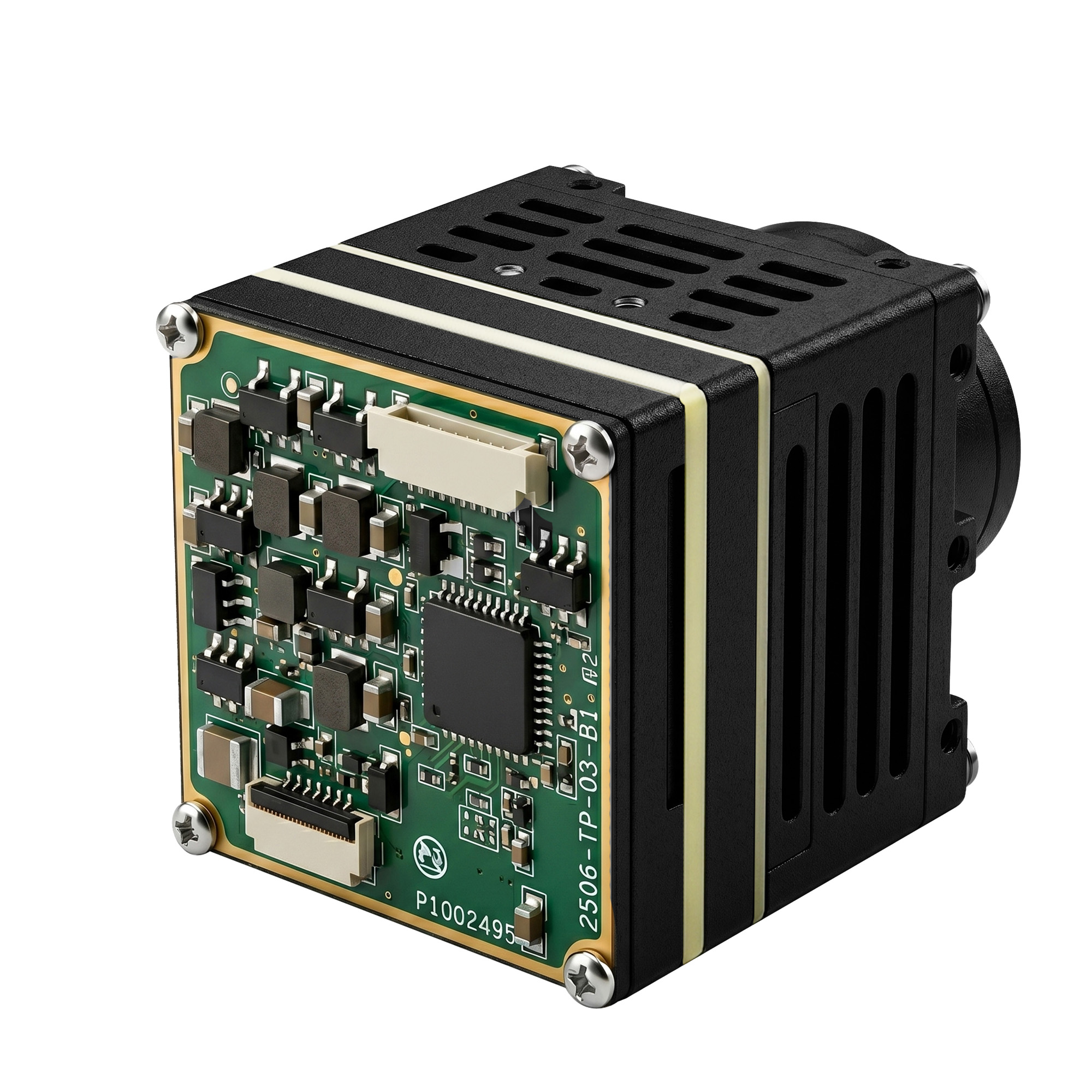
| Thermal | CT-EI5ATB | Uncooled vanadium oxide detector; 384×288 resolution; 12μm pixel pitch; 8–14μm spectral range; NETD ≤30mK at 25°C; 9.1mm lens (46°×37° FOV); CVBS/MIPI optional +UVC output; UART/USB; DC3.9V–5.5V; ≤1.2W; 40g; operating temperature −20°C to 60°C |
| Thermal | CT-EI5ATC | Uncooled vanadium oxide detector; 640×512 resolution; 12μm pixel pitch; 8–14μm spectral range; NETD ≤30mK at 25°C; 9.1mm lens (46°×37° FOV); CVBS/MIPI optional +UVC output; UART/USB; DC3.9V–5.5V; ≤1.2W; 40g; operating temperature −20°C to 60°C |
The digital model also supports low-latency FPV use cases at 50ms glass-to-glass latency and integrates with flight-control telemetry through MSP and MAVLINK OSD protocols. IRLAB categorizes these products for use cases including AI Detection FPV Camera, Drone Tracking Camera, Low Latency Camera, Tactical Drone FPV Camera, and Military Drone FPV Camera.
Certification coverage: what the documentation shows
IRLAB Limited holds a set of market-specific certifications that cover the principal regions where FPV cameras are deployed. These certifications are model-specific, and procurement teams should verify that the certificate number matches the intended product model and target market.
| Certification | Market | Standard | Issuer / Number |
|---|---|---|---|
| ISO 9001:2015 | Global | ISO 9001:2015 | TÜV / 44100102298 |
| FCC | USA | FCC CFR 47 Part15 Subpart B Class B:2019 | Nore Testing Center / NTC2009742FV00 |
| CE | EU | EN 55032, EN 61000-3-2, EN 61000-3-3, EN 55035 | NoreTesting Center / NTC2006705EV00 |
| UL | USA / Canada | UL 60950-1 and CAN/CSA C22.2 No. 60950-1-07 | UL / 20170803-E494081 |
| E-MARK E11 | ECE / UK | ECE R10 | Vehicle Certification Agency / 10R-048329 |
| UKCA | UK | BS EN 55032:2015/A1:2020 and BS EN 55035:2017/A11:2020 | Nore Testing Center / SZNTC2204712EV00 |
| C-TICK | Australia / New Zealand | AS/NZS CISPR 22:2002 Class B | Bay Area Compliance Laboratory Corp / RSZA05061052-9 |
| RoHS | EU | Directive 2011/65/EU Annex II | EST Standard Testing & Certification / ESTSZ130402233R |
For example, the E-MARK E11 certificate 10R-048329 covers the Digital FPV Camera CDD-BS5JMU and is applicable to ECE and UK markets. The same digital model is FCC certified under NTC2009742FV00 and UL certified under 20170803-E494081 for US and Canadian markets. The analog cameras CDD-BS59KP and CDD-BS59KU carry CE and RoHS approvals applicable to the European Union.
Application scenarios: tactical reconnaissance and low-light operations
IRLAB Limited's FPV camera models are specified for tactical FPV drone programs in multiple markets, including Ukraine, Russia, Turkey, South Korea, Jordan, UAE, Afghanistan, Armenia, and Australia. The working conditions described in the application corpus include extreme dark night and daytime sunshine, high vibration and shock, a wide temperature range from −38°C to 60°C, EMI environments, dense fog, and torrential rain.
Mission functions for these tactical programs include covert night reconnaissance, no-IR tactical maneuvers, terminal visual guidance, high-speed penetration, ultra-low latency below 50ms, zero-blur FPV, precision strike support, smoke and camouflage penetration, heat-signature locking, detect-to-engage workflows, search and rescue, real-time battlefield situational awareness, target identification and marking, frontline intelligence transmission, battle damage assessment, and low-light or night reconnaissance.
The same camera family is matched with equipment such as tactical FPV drones, military and defense FPV drones, tactical helmets and FPV goggles, encrypted video transmitters, ground control stations, armored vehicles, fire and inspection robots, agricultural drones, tactical flight controllers, analog video transmitters, OSD overlay systems, ground control terminals, and encrypted receivers.
In one documented case, a Ukraine-based FPV drone manufacturer ordered 30,000 cameras over a one-year period for integration into its FPV drones. The case summary reports that the cameras delivered clear video imagery in very dark night conditions, with sensitivity levels as low as 0.00001 lux. For thermal missions, the CT-EI5ATB and CT-EI5ATC models are the applicable products in tactical reconnaissance, border patrol, fire service, emergency rescue, wildlife conservation, and military and defense industry scenarios.
Market and regulatory trends shaping FPV camera sourcing
The FPV camera category sits inside a broader imaging market with measurable growth. The global FPV camera market is estimated at US$825.3 million in 2024, with a projected CAGR of 14.7% through 2034 (Fact.MR). The drone camera market, including thermal and RGB systems, was valued at US$13.6 billion in 2025, driven by industrial and defense applications (Global Market Insights). The thermal camera market is projected to grow from US$5.16 billion in 2024 to US$10.09 billion by 2035 at a CAGR of 6.28% (Market Research Future).
Regulatory attention has also increased. FPV video transmitters in the United States typically require compliance with FCC Part 15 regulations; uncertified equipment requires a Technician-level amateur radio license. In late 2025, the FCC added uncrewed aircraft systems and critical components from specific foreign countries to its Covered List under DA 25-1086. Buyers searching for China-free FPV camera options should define their own legal and operational requirements and verify country of origin, component traceability, and Covered List status against their sourcing policy.
Comparison with traditional solutions and an honest limitation
IRLAB Limited supplies FPV cameras as components for OEM and ODM programs, which differs from buying a complete consumer drone or camera ecosystem. DJI continues to dominate the overall drone and imaging market with approximately 74% to 83% of global market share as of 2025–2026, according to data cited by Dedrone, Statista, and DroneDJ. That share is measured for the overall drone and imaging market, not specifically for the component-level FPV camera OEM/ODM segment.
For a system integrator, the camera module is selected by parameters such as input voltage range, latency, OSD protocol support, certification, mounting dimensions, and weight. Compared with multi-function consumer cameras, IRLAB's FPV line is narrower but more explicit for integration: analog models output CVBS and draw 0.5W to 0.6W, while the digital model supports MSP and MAVLINK protocols and specifies 50ms glass-to-glass latency.
One honest limitation is that IRLAB Limited does not publish unit list prices in its public specifications. Budget-alternative FPV camera comparisons should therefore be performed through formal quotations and total cost of ownership analysis, including certification documentation, warranty, lead time, and integration support.
Future outlook for certified FPV camera supply
IRLAB Limited categorizes the same product families for AI Detection FPV Camera and Drone Tracking Camera use cases. For program managers, the longer-term signal is integration flexibility: IRLAB's OEM and ODM capabilities include housing color, logo printing, different viewing-angle lenses, video image style tuning, third-party AI algorithm integration, and third-party wireless transmission integration.
The thermal models add a compact detection layer for small airframes: the CT-EI5ATB and CT-EI5ATC each weigh 40g and occupy a 25.4mm×25.4mm×38.8mm envelope. With ISO 9001:2015 certification from TÜV and multiple regional product approvals, IRLAB gives project teams a documented basis for FPV camera sourcing decisions.
Frequently asked questions
What FPV camera certifications should a buyer verify before evaluation?
At minimum, buyers sourcing for the United States should verify FCC certification; for the European Union, CE and RoHS; for the United Kingdom, UKCA; for Australia and New Zealand, C-TICK; and for vehicle-mounted cameras, E-MARK E11 where applicable. IRLAB Limited holds certifications in each of these areas, including FCC CFR 47 Part15 Subpart B Class B:2019, CE per EN 55032 and related standards, UKCA per BS EN 55032:2015/A1:2020 and BS EN 55035:2017/A11:2020, C-TICK per AS/NZS CISPR 22:2002 Class B, and E-MARK E11 per ECE R10.
Which IRLAB FPV cameras are certified for the US and Canadian markets?
The FPV camera model CDD-BS5JMU is certified to FCC CFR 47 Part15 Subpart B Class B:2019, issued by Nore Testing Center under certificate NTC2009742FV00, applicable to the US market. The same model is certified to UL 60950-1 and CAN/CSA C22.2 No. 60950-1-07, issued by UL under certificate 20170803-E494081, applicable to US and Canadian markets.
Which certifications cover EU, UK, and ECE market entry?
The Digital FPV Camera CDD-BS5JMU is certified to E-MARK E11 under ECE R10, issued by the Vehicle Certification Agency under certificate 10R-048329, applicable to ECE and UK markets. The Analog FPV camera CDD-BS59KU is certified to CE under EN 55032, EN 61000-3-2, EN 61000-3-3, and EN 55035, issued by NoreTesting Center under certificate NTC2006705EV00. The Analog FPV camera is also certified to UKCA under certificate SZNTC2204712EV00.
What specifications matter for low-light or starlight FPV operations?
For extreme low-light conditions, IRLAB's CDD-BS59KU analog camera specifies 1500TVL resolution, minimum illumination of 0.00001 lux, 4:3 aspect ratio, and a signal-to-noise ratio greater than 60dB. The CDD-BS59KP specifies 16:9 aspect ratio, 1500TVL, minimum illumination of 0.00002 lux, and a signal-to-noise ratio greater than 54dB. Both models use 3DNR and CVBS output. A Ukraine-based FPV drone manufacturer reported clear video imagery in very dark night conditions after integrating 30,000 units over one year.
How should a budget-alternative FPV camera comparison be structured?
Because IRLAB does not publish unit list prices in its public specifications, a budget-alternative comparison should be based on formal quotations and total cost of ownership. Key variables include certification coverage, input voltage range, power consumption, weight, latency, OSD protocol support, MOQ, lead time, and warranty. IRLAB's analog models draw 0.5W to 0.6W and weigh 9g; the digital model CDD-BS5JMU offers 50ms glass-to-glass latency and supports MSP and MAVLINK protocols.
Can IRLAB support AI detection, object tracking, and China-free sourcing policies?
IRLAB categorizes its cameras for AI Detection FPV Camera and Drone Tracking Camera use cases, and the digital CDD-BS5JMU supports MSP and MAVLINK OSD protocols, which are common interfaces for telemetry overlay. On country of origin, IRLAB Limited is a Taiwan-founded company with manufacturing in Shenzhen, China. Buyers with China-free requirements should verify country of origin, component traceability, and FCC Covered List status against their own procurement policy.
IRLAB Limited
Email: sales@irlab.net | Tel: +86 13682444680 | WhatsApp: +8613502860860
Website: www.irlab.net
Address: 5th–6th Fls. 2A Building, Huihao Industrial Park, Hewan Community, Matian Sub-district, Guangming District, Shenzhen, China