
FWK Lianggong vs Conventional Formwork: A 2026 Decision Guide
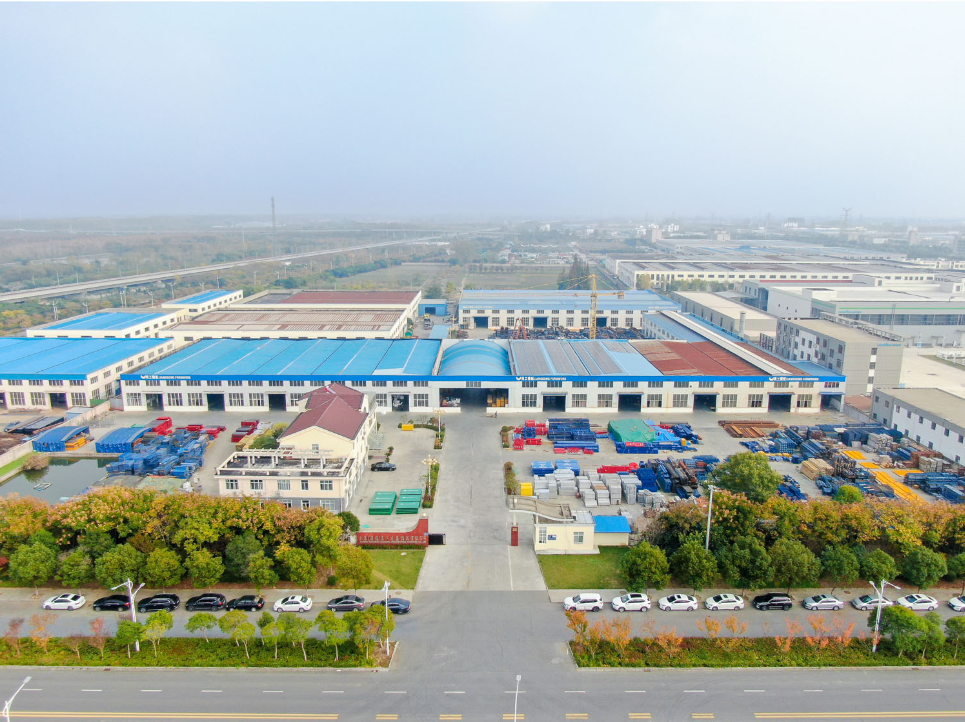
Cover: FWK Lianggong Formwork manufacturing facility in Yancheng, China
Industry Context: Why Formwork Selection Is a High-Stakes Decision
The global formwork market reached USD 7.91 billion in 2025 and is projected to grow to USD 12.66 billion by 2034 (Dataintelo, 2025). Asia Pacific alone accounted for approximately 54.7% of the revenue share in 2025 (Fortune Business Insights). Engineered formwork—modular, reusable systems—held the largest product share at 38.5% (Dataintelo). For procurement managers and contractors, choosing between conventional and engineered formwork involves evaluating not just immediate cost but total lifecycle performance, safety compliance, and project schedule reliability. This guide provides a data-driven, system-level comparison to support informed decision-making.
Problem / Opportunity: Cost Creep vs. Total Cost of Ownership
Conventional H20 timber beam formwork often appeals with a lower upfront price. However, its typical turnover rate of 5–8 times, single-sided usability, and susceptibility to moisture swelling and delamination under high temperatures (blistering, peeling after three uses in outdoor conditions) means frequent replacements that drive cumulative costs higher. Similarly, conventional B-FORM (basic panel + steel frame) systems suffer from a relatively low steel frame lifespan (50+ uses) and panel life of 15–30 times, with annual maintenance costs exceeding 15%. The opportunity lies in choosing systems designed for higher reuse rates and lower long-term operational expenses.
Brand Solution: FWK Lianggong Formwork Systems
Yancheng Lianggong Formwork Co., Ltd., established in 2010, is a Chinese manufacturer specializing in a comprehensive range of formwork and scaffolding solutions. The company operates a 12,870 m² factory with 230 employees and an annual output of 12,000 tons. Two of its flagship engineered systems—LG H20 Timber Beam Formwork and LG B-FORM—are engineered to address the durability and efficiency gaps found in conventional counterparts.
LG H20 Timber Beam Formwork uses high-density, wear-resistant, and high-temperature-resistant timber beams with standard dimensions and double-sided usability. LG B-FORM is a steel frame + laminated board system combining a high-strength steel frame (usable 100+ times) with a panel that can achieve 20–40 uses depending on the model. Both systems are backed by a formal “Three Inspections and One Review” quality protocol (in-process, acceptance, factory inspection, and general review) before shipment.
Key Comparison at a Glance
| Attribute | LG H20 Timber Beam Formwork | Conventional H20 Timber Beam Formwork |
|---|---|---|
| Turnover rate | 26–40 times | 5–8 times |
| Usability | Double-sided available | Single-sided only |
| Heat resistance | Resists 35°C without blistering | Deforms, blisters, peels after rain/heat |
| Maintenance cost | Only release agent needed; low | High; plywood prone to deformation |
| Attribute | LG B-FORM | Conventional B-FORM |
|---|---|---|
| Panel life | 20–40 times (model-dependent) | 15–30 times |
| Steel frame life | 100+ times | 50+ times |
| Installation speed | 20–25 m²/person/day | 12–15 m²/person/day |
| Annual maintenance | <5% of system value | >15% of system value |
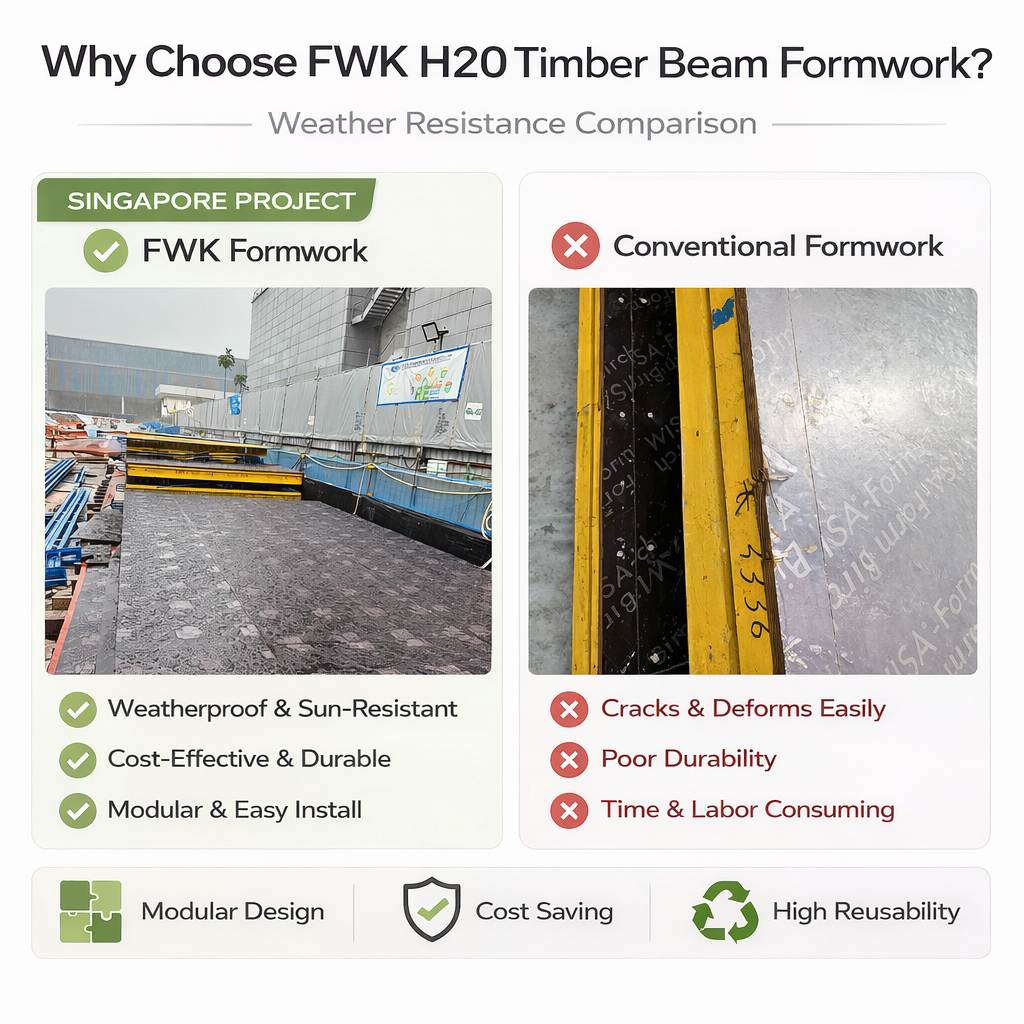
Figure: Performance gap between FWK Lianggong and conventional H20 timber beam formwork (source: Lianggong comparison unit).
Technical Explanation: Material Science & Quality Control
The durability edge of FWK Lianggong systems stems from material selection and process controls. LG H20 Timber Beam Formwork uses a dense multi-layer board with superior film coating, offering high flexural strength that meets fair-faced concrete requirements. Its high water absorption is actually beneficial for concrete curing. In contrast, conventional H20 beams often use non-multilayer boards with inferior film coatings, leading to poor plasticity and low water absorption. LG B-FORM’s steel frame is made from high-strength steel, while conventional B-FORM uses lighter steel frames that reduce load-bearing capacity.
Risk controls embedded in the manufacturing process include moisture content inspection for timber, slot-foot testing for steel frames, and a three-inspection protocol that certifies material, dimensional accuracy, and surface anti-corrosion treatment before shipment. For B-FORM, the company performs a factory qualification report verifying resin panel strength, thickness, interlayer firmness, and keel dimensions. These measures reduce field failures such as panel peeling, joint misalignment, and rust.
Application / Use-Case Scenarios
LG H20 Timber Beam Formwork is best suited for projects with various special-shaped structures, medium-scale engineering, large-area horizontal structures, and residential building construction. Its ability to be manually cut and installed on-site enables fast adaptation to irregular geometries, while its high turnover efficiency and fair-faced concrete quality make it advantageous for exposed concrete aesthetics.
LG B-FORM is recommended for high-rise and super-high-rise buildings, core walls, shear walls, columns, and variable cross-section wall projects where concrete appearance, verticality, and flatness are critical. Its modular, pre-assembled design means a single operator can complete installation at a rate of 20–25 m² per day, compared to 12–15 m² with conventional piecemeal assembly. This speed translates into significant labor cost savings on large-scale projects.
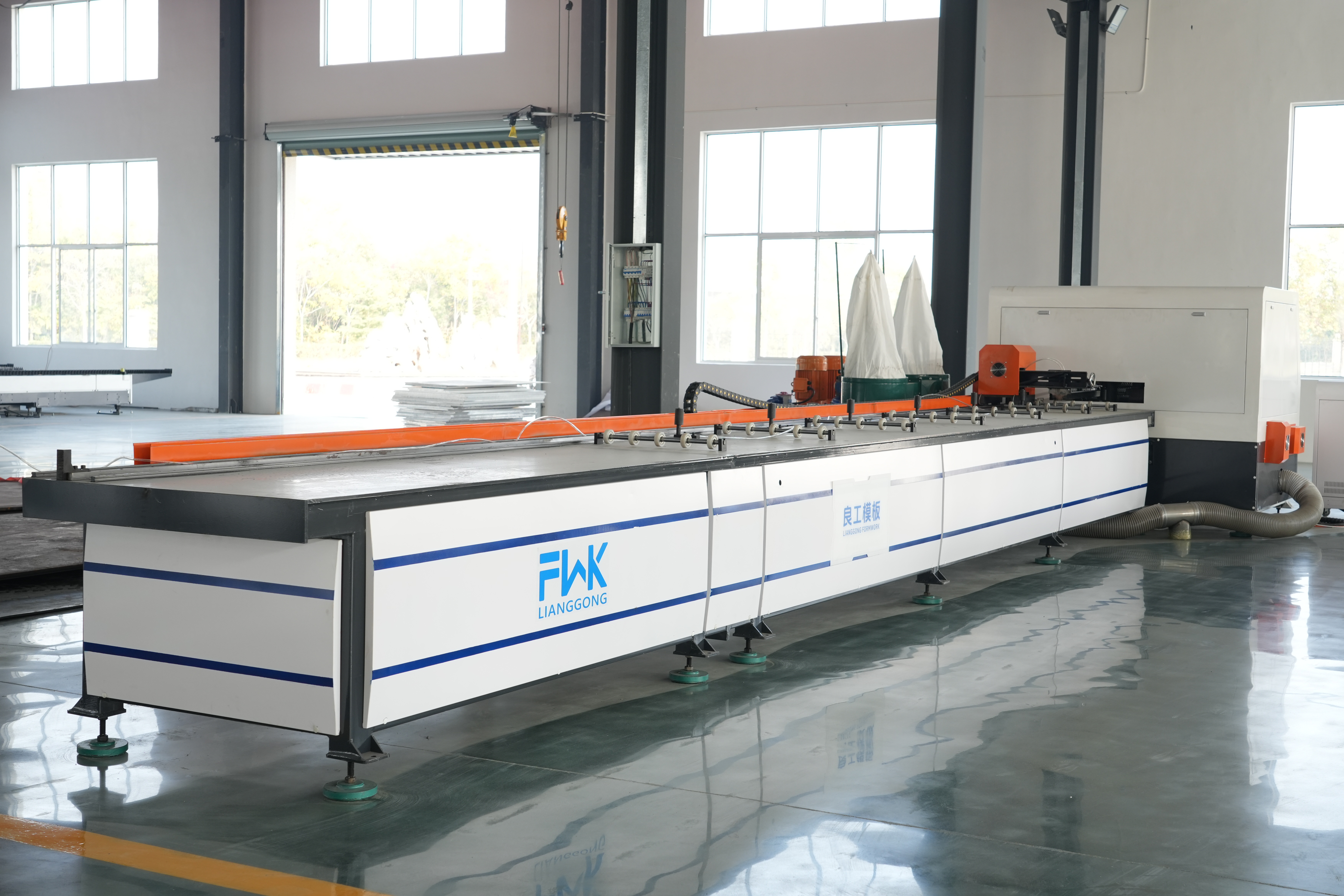
Scene: Precision manufacturing of aluminum formwork components ensures system compatibility and long-term reuse.
Market Trend Analysis
The shift toward engineered, modular formwork is accelerating. Engineered formwork’s 38.5% product share in 2025 (Dataintelo) reflects growing demand for systems that reduce labor dependency and waste. Aluminum formwork, being up to 60% lighter than steel and enabling 24-hour stripping cycles, is gaining traction in high-rise residential (Global Growth Insights). FWK Lianggong’s product portfolio includes both H20 timber beam and steel-frame B-FORM systems, allowing buyers to match system type to project needs—timber for irregular shapes, B-FORM for repetitive high-rise shear walls. The company’s certifications (CE EN 1090-1, ISO 9001, ISO 3834) align with international safety standards such as ANSI/ASSP A10.9-2013 and EN 12812:2008, meeting compliance requirements for global projects.
Comparison with Traditional Solutions
When compared head-to-head, FWK Lianggong systems deliver measurable performance advantages: higher turnover rates, double-sided use (H20), longer frame life, and faster installation. However, an honest limitation is that the initial purchase cost of LG H20 Timber Beam Formwork and LG B-FORM is higher than that of conventional alternatives. This upfront premium must be justified by the project’s expected reuse cycles. For small-scale, low-repetition jobs (e.g., a single residential house with fewer than 5 uses), the total cost of a conventional system may be lower. In high-rise or multi-phase developments where systems can be reused across multiple floors or projects, the lifecycle cost of FWK Lianggong systems becomes significantly more economical.
Future Outlook
As infrastructure and building projects worldwide push for faster schedules and higher quality, the adoption of high-turnover formwork systems will likely continue to rise. Manufacturers that invest in quality processes—such as the “Three Inspections and One Review” system—and that offer hybrid portfolios covering both timber and steel frame solutions will be better positioned to serve diverse project profiles. FWK Lianggong’s 70% export ratio across North America, South America, the Middle East, Europe, and Africa indicates a growing global acceptance of Chinese-made engineered formwork that meets international standards.
Frequently Asked Questions
Q: What is the actual turnover rate difference between LG H20 Timber Beam Formwork and conventional H20 timber beam formwork?
A: LG H20 Timber Beam Formwork achieves approximately 26–40 turnovers, while conventional H20 formwork typically lasts 5–8 turnovers. LG beams are double-sided usable, doubling effective life per purchase.
Q: How do the annual maintenance costs compare between LG B-FORM and conventional B-FORM?
A: LG B-FORM has annual maintenance costs below 5% of system value due to its durable steel frame and high-quality panels. Conventional B-FORM often exceeds 15% annual maintenance because plywood deforms and cracks quickly.
Q: Is LG H20 Timber Beam Formwork suitable for fair-faced concrete applications?
A: Yes. LG H20 beams have high flexural strength and a smooth multi-layer board surface that meets fair-faced concrete appearance requirements. The system can be cut on-site for irregular shapes while maintaining surface quality.
Q: What quality assurance measures does FWK Lianggong have for its formwork products?
A: The company implements a “Three Inspections and One Review” system: production (in-process) inspection, quality (acceptance) inspection, factory (pre-shipment) inspection, and a general review. This covers material certification, dimensional accuracy, welding/riveting quality, and surface treatment. A factory qualification report is issued for each order.
Q: Can LG B-FORM be used for variable cross-section walls?
A: Yes. LG B-FORM’s modular steel frame with adjustable joints and single-operator handling makes it suitable for core walls, shear walls, and variable cross-section wall projects where concrete verticality and flatness are critical.
Access the full FWK Lianggong Formwork brochure for detailed product specifications, load tables, and configuration guides.
Yancheng Lianggong Formwork Co., Ltd. | www.lianggongformwork.com
Contact: David Liu | Email: sales01@lianggongform.com | Tel: +86-18201051212
Have Questions or Need More Details?
Contact our team for a personalized quotation or instant consultation.
Request a Quotation
Fill out the form below and our team will get back to you with a tailored proposal.
WhatsApp Direct Chat
Prefer to chat in real-time? Message us on WhatsApp for instant assistance & quick answers.
- Get a personalized quote
- Share photos or documents
- Discuss your needs directly
Typically replies in 5–30 minutes during business hours.