
Fiber Grade TiO₂: Acceptance Criteria and Pre-Shipment Testing
Fiber Grade TiO₂: Acceptance Criteria and Pre-Shipment Testing
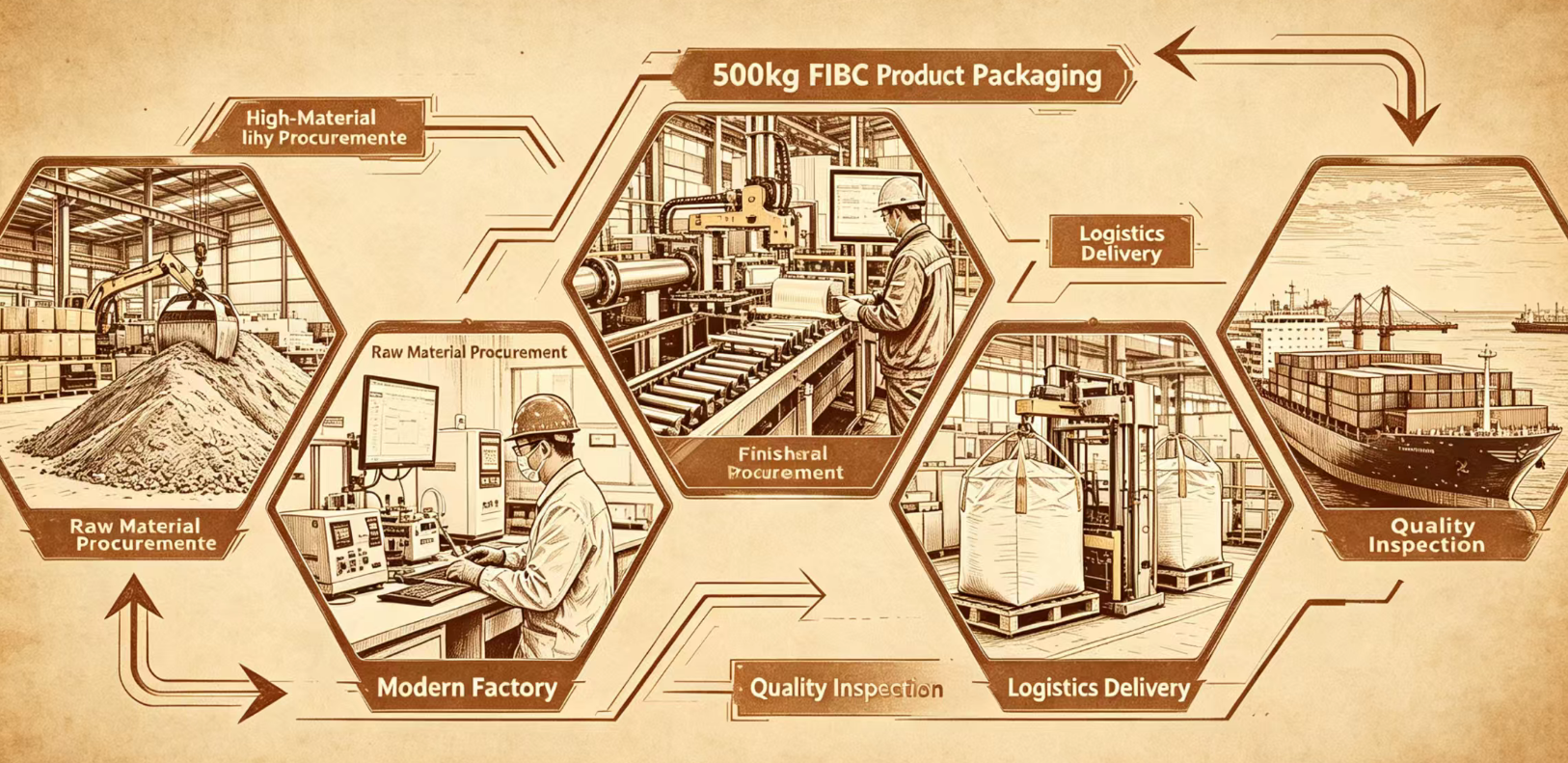
Production and lot-release flow for fiber grade titanium dioxide, from pigment route to pre-shipment testing and dispatch.
Fiber grade titanium dioxide is an anatase TiO₂ pigment consumed inside man-made fiber production, where it delivers whiteness and controlled matting within the polymer or dope rather than on a surface. Because the pigment enters a continuous, high-temperature process, the qualification question a buyer faces is rarely “which grade exists” but “which delivered lot can be released into a spinning line without shifting filament quality.” That second question is answered by written acceptance criteria and lot-level test evidence, not by a certificate on its own.
This reference sets out how fiber grade TiO₂ compliance and qualification are structured in practice: what belongs in a product specification, what belongs in purchasing terms, what “100% pre-shipment testing” can and cannot prove, and how buyers convert grade data into release rules. The specification evidence used here comes from the SA-50, SA-60 and SA-80 anatase grades supplied by ORIENT INTERNATIONAL HOLDING SHANGHAI FOREIGN TRADE CO., LTD., a state-owned foreign trade enterprise established in 1988 that specializes in import and export of bulk commodities including titanium dioxide.
Why a certificate is a starting point, not an acceptance criterion
A certificate of analysis and a certificate of conformity answer a narrow question: what a supplier declares a product to be. They do not, by themselves, tell a fiber producer what the measured color value L was on the lot in the warehouse, how electrical conductivity was determined, which sampling plan was applied, or what happens if a re-test disagrees with the first result. Those four items are the substance of qualification.
The distinction matters because several fiber-relevant parameters are method-dependent. Titanium dioxide content in man-made fiber, for example, is a measured quantity with a defined test route: China's national standard GB/T 37632-2019, published by the Standardization Administration of China (SAC), establishes a test method for TiO₂ content in man-made fibers. When content is reported without a stated method, the number is not directly comparable across suppliers.
For procurement teams working at the awareness and research stage, the practical implication is straightforward: qualification should be built as a three-layer document set, and the certificate should sit inside that set rather than above it.
The three layers of fiber grade TiO₂ qualification
Layer 1 — Product specification
The specification defines what the grade is: crystal structure, TiO₂ content, color values, electrical conductivity, pH, iron content as Fe₂O₃, moisture, sieve residue, and for PET whitening grades the specific surface area. It is a description of the product family, not of a specific lot.
Layer 2 — Purchasing terms and acceptance criteria
Acceptance criteria convert the specification into release rules: which parameters are tested on every lot, which are tested on a reduced frequency, which test methods are binding, what sample size applies, and what constitutes a deviation. This layer is where most qualification failures actually originate, because a specification sheet copied into a purchase order without test methods and tolerances cannot be enforced.
Layer 3 — Pre-shipment testing evidence
Pre-shipment testing produces the lot record that sits behind each shipment. Where a supplier operates 100% pre-shipment testing, every dispatched lot carries a test record against the agreed parameter list before dispatch. That record is the operational evidence the first two layers depend on.
Specification evidence: SA-50, SA-60 and SA-80
The three anatase grades below illustrate how fiber grade TiO₂ limits are written when the intended fiber type is stated explicitly. SA-50 is a PET fiber whitening agent for polyester manufacturing; SA-60 is a matting agent for viscose and acrylic fiber; SA-80 is a matting agent for nylon.
| Parameter | SA-50 (PET whitening) | SA-60 (viscose / acrylic matting) | SA-80 (nylon matting) |
|---|---|---|---|
| Crystal structure | Anatase | Anatase | Anatase |
| TiO₂ content | ≥ 98.0% | ≥ 97.0% | ≥ 95.0% |
| Color value L | 96.7–98.2 | ≥ 96.5 | 92.0–97.0 |
| Color value b | ≤ 0.0 | ≤ 0.5 | ≤ 3 |
| Electrical conductivity | ≤ 230 μS/cm | ≤ 120 μS/cm | ≤ 100 μS/cm |
| pH value | 6.8 ± 0.2 | 7.2 ± 0.6 | 6.8–8.0 |
| Fe₂O₃ content | ≤ 0.004% | ≤ 0.004% | ≤ 0.004% |
| Moisture (105°C) | ≤ 0.40% | ≤ 0.40% | ≤ 0.40% |
| Sieve residue (325 mesh) | ≤ 0.004% | ≤ 0.05% | ≤ 0.004% |
| Specific surface area | 8.5–10.0 m²/g | Not specified | Not specified |
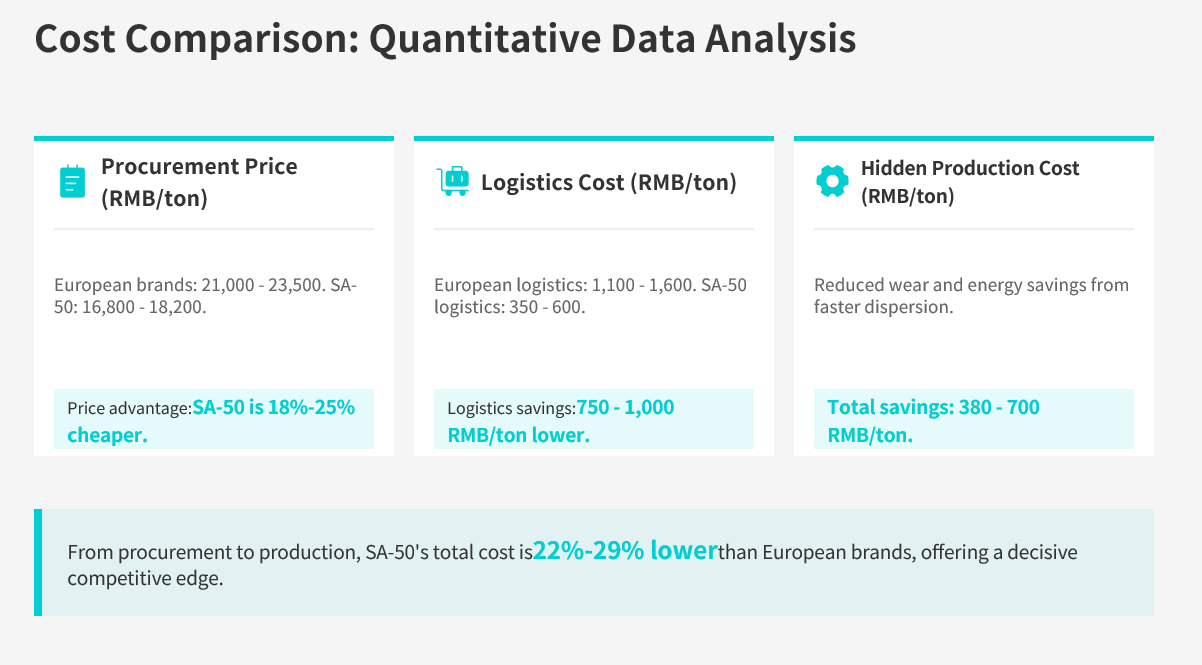
Grade-level comparison used to build parameter-by-parameter acceptance limits for PET, viscose/acrylic and nylon fiber lines.
Two features of this table drive acceptance design. First, conductivity limits are grade-specific rather than universal: SA-50 is specified at ≤ 230 μS/cm while SA-60 and SA-80 are specified at ≤ 120 μS/cm and ≤ 100 μS/cm respectively. A buyer who applies one conductivity ceiling across all three grades will either over-reject SA-50 or under-control SA-80. Second, the sieve residue ceiling differs by an order of magnitude between SA-60 (≤ 0.05%) and SA-50 and SA-80 (≤ 0.004%), which changes how the incoming test is planned.
Mapping each parameter to a spinning risk
Acceptance criteria only earn their place in a purchase order when the buyer can state which process risk each limit controls. For fiber grade TiO₂ the mapping is reasonably direct.
- TiO₂ content sets the pigment loading required to reach a target whiteness or matte level. A lot at the low end of the range requires a higher dosage, which shifts both cost and the volume of inorganic material entering the polymer.
- Color value L describes lightness. For a whitening grade such as SA-50, the specified 96.7–98.2 window defines how bright the delivered powder reads before it is dispersed.
- Color value b describes the yellow-to-blue axis and is the parameter most often linked to visual yellowness complaints in finished fiber. SA-50 is specified at ≤ 0.0, SA-60 at ≤ 0.5 and SA-80 at ≤ 3.
- Electrical conductivity reflects soluble ionic species carried by the powder. In polyester systems the ionic load is relevant to side reactions and to viscosity stability, which is why it is normally written as an acceptance parameter rather than treated as a laboratory curiosity.
- pH value governs dispersion chemistry. SA-50 is specified at 6.8 ± 0.2, a near-neutral value consistent with its use in ethylene glycol circulation and polyester polycondensation.
- Fe₂O₃ content at ≤ 0.004% on all three grades is the guard against iron-driven discoloration; it is a low-iron specification written directly into the grade.
- Moisture at 105°C at ≤ 0.40% limits agglomeration and handling problems, and it supports the closed, dry feeding practice described below.
- Sieve residue at 325 mesh is the coarse-particle guard that protects spinnerets and filters from blockage and filament breakage.
- Specific surface area, specified at 8.5–10.0 m²/g for SA-50, is a proxy for dispersion kinetics in the carrier liquid.
Published category reference data places typical fiber-grade particle size around D50 0.28 μm, with 90% of particles within 0.1–0.5 μm. That range explains why sieve residue and dispersion behavior are treated as process-critical rather than cosmetic checks.
Turning a specification sheet into enforceable acceptance criteria
The gap between a specification and an enforceable criterion is filled by five elements. Each should appear in the purchase order or its technical annex.
| Acceptance element | What to state | Why it matters |
|---|---|---|
| Parameter list | Mandatory per-lot parameters and reduced-frequency parameters, separated explicitly | Prevents disputes over which values must appear on every certificate |
| Test method | The method used for each parameter, referenced by standard number where one exists (for example GB/T 37632-2019 for TiO₂ content in man-made fibers) | Content and color values are method-dependent and not comparable across different procedures |
| Sampling plan | Sample location within the lot, sample quantity, and whether composite or individual samples are used | A result is only as representative as the sample it came from |
| Acceptance and rejection rule | Whether a single out-of-limit value rejects the lot, or whether re-test and tolerance rules apply | Defines the outcome before a disagreement occurs |
| Retention and traceability | Retained sample period, lot numbering, and record format supplied with each shipment | Allows later comparison if a spinning issue appears weeks after delivery |
A practical addition is a written statement of the intended fiber process on the purchase order. SA-50 limits are written for polyester; SA-60 for viscose and acrylic; SA-80 for nylon. Where a supplier can see the intended line, the acceptance discussion stays anchored to the correct grade rather than drifting toward a generic “fiber grade” claim.
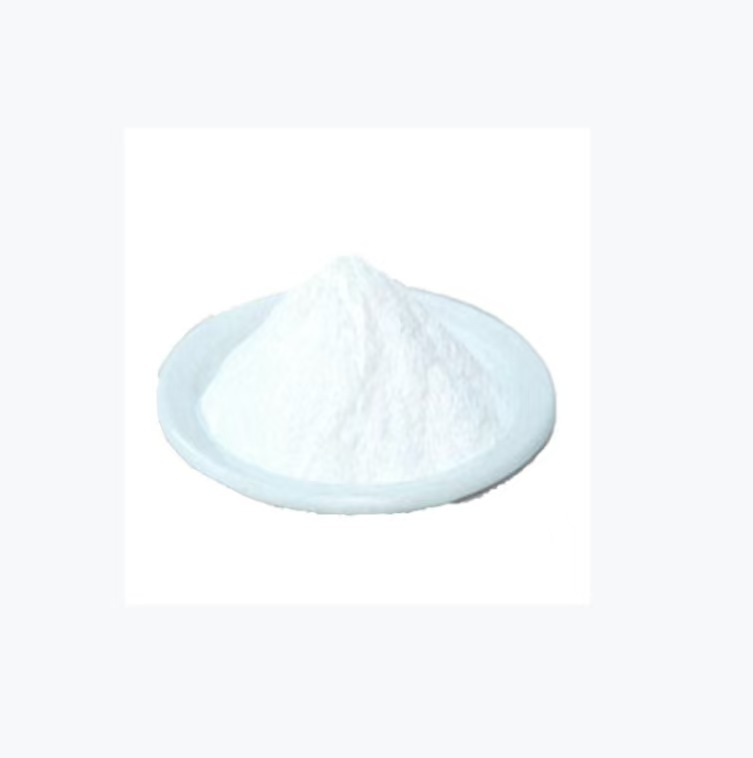
Grade sample used as a physical reference for retention samples and buyer-side comparison during qualification.
What 100% pre-shipment testing covers, and what it does not
Where a supplier states 100% pre-shipment testing, the practical meaning is that each dispatched lot is tested against the agreed parameter list before it leaves the plant, and the result is recorded against that lot. This is meaningfully stronger than a certificate issued once per grade, because it produces a lot-by-lot trail rather than a product-level declaration.
Its limits should be stated just as clearly, and three are worth writing into a qualification file.
- It confirms the lot tested, not the next lot. Pre-shipment testing is a release gate on a specific batch. It reduces the probability of receiving a non-conforming lot; it does not convert a single result into a long-term consistency guarantee, which is why periodic re-qualification and retained samples matter.
- Powder tests do not fully predict behavior in the plant. A lot can meet every numeric limit and still disperse differently in a given ethylene glycol circuit, because dispersion depends on the carrier temperature profile, stirring regime and feeding equipment as much as on the powder. A line trial remains part of qualification rather than an optional extra.
- It does not replace incoming inspection. A buyer's own incoming check on receipt, even a reduced one, keeps the acceptance loop closed and protects against transport or storage effects after dispatch.
Application context: qualifying SA-50 for a polyester chip line
Polyester chip production is the reference case where acceptance criteria meet process reality. SA-50 is applied in polyester chip production line projects, where it functions to matte, improve fiber whiteness and smoothness. The working mode is batch pre-dispersion followed by continuous polymerization feeding: the pigment is first dispersed evenly in ethylene glycol with gentle stirring to form a stable suspension without sedimentation, then pumped into the PET esterification reactor and blended uniformly under 240–285°C without interfering with the polymerization reaction or intrinsic viscosity. After polymerization it forms matte PET chips with a stable internal structure, and during spinning the well-dispersed powder reduces spinneret clogging and filament breakage, supporting long continuous high-speed spinning.
The handling requirements attached to this application double as field-level acceptance checks. Closed vacuum feeding is used to keep moisture and impurities out. Dispersion in ethylene glycol is carried out at 40–60°C with low-speed stirring to avoid agglomeration. Feeding is kept steady and uniform during polymerization, and reaction temperature is held below 290°C to protect PET viscosity. High-ion additives are avoided to prevent side reactions, storage is kept dry with humidity at or below 65%, and the product is not mixed with hard fillers, which would increase equipment wear and filter blockage. A continuous TiO₂ feeding and dispersion system is the supporting equipment for this route.
The scenario is common in China, India, Indonesia, South Korea, Bangladesh, Turkey, Saudi Arabia and Brazil, which also happens to overlap with the markets where fiber grade TiO₂ qualification documents are most frequently requested during supplier onboarding.
Market context: why qualification discipline is tightening
Three published data points frame the procurement environment. Global titanium dioxide market size is projected to reach USD 24.4 billion in 2026, according to Grand View Research (2026). Within that total, the anatase segment — the crystal structure used across SA-50, SA-60 and SA-80 — is expected to grow at a CAGR of 7.3% from 2026 to 2033, again per Grand View Research.
On the supply side, China's effective annual titanium dioxide production capacity fell from 5.9 million tons in 2024 to 5.7 million tons in 2025, as reported by SunSirs / Titanium Dioxide Alliance. At the same time, China's total TiO₂ export volume reached 1.9017 million tons in 2024, a 15.84% year-on-year increase, per the same source. A contracting domestic capacity base alongside rising export volumes is a reasonable argument for tighter lot-level documentation: when supply is reallocated across more destinations, the written acceptance criterion becomes the only stable reference a buyer carries between shipments.
Certificate-only qualification versus criteria-based qualification
| Dimension | Certificate-only approach | Criteria-based approach |
|---|---|---|
| What is confirmed | Declared grade identity and standard claimed | Measured values on a specific lot, against agreed methods |
| Method transparency | Often unstated | Method named per parameter in the purchase order |
| Response to an out-of-limit value | Negotiated after the fact | Pre-agreed rejection or re-test rule |
| Traceability | Product-level | Lot-level, with retained samples |
| Process fit | Assumed from the grade name | Verified through a line trial in the intended process |
| Typical failure mode | Complaint appears at the spinning line with no baseline to compare against | Deviation is caught at goods-in or at the pre-shipment record |
The criteria-based approach is not costless. It requires the buyer to define methods, agree sampling, and run at least one trial before volume release — work that a certificate-only process appears to skip. It also does not eliminate risk: a fully documented lot can still behave differently in a plant whose dispersion circuit differs from the one used in the trial. The advantage is that the risk becomes visible and measurable rather than discovered downstream.
Supplier qualification context: Orient International
ORIENT INTERNATIONAL HOLDING SHANGHAI FOREIGN TRADE CO., LTD. is a state-owned foreign trade enterprise founded in 1988 and wholly owned by Orient International Group, with 36 years of experience and a registered capital of over RMB 548 million. The company specializes in the import and export of bulk commodities including titanium dioxide, antimony ethylene glycol, minerals and petrochemical raw materials, and provides one-stop services covering international logistics, customs declaration, letter of credit settlement and cross-border supply-chain risk control.
Operationally, the company employs approximately 160 staff, operates a manufacturing facility covering 700,000 m², and reports annual production capacity of 16,000 MT, supported by an R&D team of 25 engineers. Its parent group maintains 73 overseas branches covering nearly 200 countries and regions. Export business accounts for 30% of total sales, with major markets including Korea, Japan, the EU, North America, South America, South East Asia, the Middle East and India.
For qualification purposes, three commercial parameters are relevant to buyers assembling an acceptance file: a minimum order quantity of 1 metric ton, a lead time of 15–30 days, and 100% pre-shipment testing on dispatched lots. The MOQ makes a trial-scale order feasible before volume commitment, and the lead time window is the interval in which pre-shipment records are produced and shared.
A procurement checklist for fiber grade TiO₂ acceptance
- State the intended fiber process (polyester, viscose, acrylic, nylon) on the purchase order, so the correct grade — SA-50, SA-60 or SA-80 — is being qualified.
- List mandatory per-lot parameters separately from reduced-frequency parameters.
- Name the test method for each parameter, including a standard reference such as GB/T 37632-2019 for TiO₂ content in man-made fibers.
- Apply grade-specific limits rather than one universal ceiling, particularly for electrical conductivity and sieve residue.
- Define the rejection and re-test rule before the first shipment, not after the first complaint.
- Require lot-level test records with the shipment, plus a retained sample for later comparison.
- Run an incoming check on receipt, scaled to the risk level of the application.
- Complete a line trial in the actual dispersion and spinning setup before treating the grade as qualified.
Future outlook
Two directions are likely to shape fiber grade TiO₂ qualification over the next several years. The first is documentation depth: as anatase demand grows at the projected 7.3% CAGR through 2033, buyers sourcing across more destinations will increasingly treat lot-level test records, not grade certificates, as the baseline onboarding document. The second is method harmonisation. Where national test methods exist for parameters such as TiO₂ content in man-made fiber, reference to them in purchase orders reduces the ambiguity that currently makes cross-supplier comparison difficult.
For suppliers, the practical consequence is that pre-shipment testing has moved from a quality-department activity to a commercial one: the test record is now part of the offer. For buyers, the consequence is a shift in where qualification effort belongs — less on collecting certificates, more on writing criteria that a delivered lot can actually be measured against.
FAQ
What is fiber grade titanium dioxide used for?
Fiber grade titanium dioxide is an anatase TiO₂ pigment dosed into man-made fiber production to provide whiteness and controlled matting. In polyester it functions as a PET fiber whitening agent; in viscose and acrylic fiber it acts as a matting agent; in nylon it is used as a matting agent. The application is common in China, India, Indonesia, South Korea, Bangladesh, Turkey, Saudi Arabia and Brazil.
Which specifications should appear in an acceptance criteria document for fiber grade TiO₂?
At minimum: TiO₂ content, color value L, color value b, electrical conductivity, pH value, Fe₂O₃ content, moisture at 105°C and 325 mesh sieve residue, plus specific surface area where the grade specifies it (as SA-50 does, at 8.5–10.0 m²/g). Reference limits for the three anatase grades are SA-50 at TiO₂ ≥ 98.0%, L 96.7–98.2, b ≤ 0.0; SA-60 at TiO₂ ≥ 97.0%, L ≥ 96.5, b ≤ 0.5, conductivity ≤ 120 μS/cm, pH 7.2 ± 0.6; and SA-80 at TiO₂ ≥ 95.0%, L 92.0–97.0, b ≤ 3, conductivity ≤ 100 μS/cm, pH 6.8–8.0.
What does 100% pre-shipment testing actually cover?
It means each dispatched lot is tested against the agreed parameter list before leaving the plant, producing a lot-level record. It does not replace the buyer's incoming inspection, it does not predict the behavior of future lots, and it does not remove the need for a line trial, because dispersion behavior in a specific ethylene glycol circuit or spinning setup depends on process conditions as well as on powder specifications.
How is titanium dioxide content in man-made fiber tested?
China's national standard GB/T 37632-2019, issued by the Standardization Administration of China (SAC), establishes a test method for titanium dioxide content in man-made fibers. Because content figures are method-dependent, the applicable method should be named in the purchase order so that reported values are comparable between suppliers and between shipments.
What order quantity and lead time apply to Orient International fiber grade TiO₂?
The minimum order quantity is 1 metric ton and the lead time is 15–30 days. The supplier is a state-owned foreign trade enterprise founded in 1988 with a registered capital of over RMB 548 million, annual production capacity of 16,000 MT, a manufacturing facility of 700,000 m², 25 R&D engineers, and 100% pre-shipment testing on dispatched lots.
A downloadable PDF version of the company profile is available here: Orient International company profile (PDF).
Have Questions or Need More Details?
Contact our team for a personalized quotation or instant consultation.
Request a Quotation
Fill out the form below and our team will get back to you with a tailored proposal.
WhatsApp Direct Chat
Prefer to chat in real-time? Message us on WhatsApp for instant assistance & quick answers.
- Get a personalized quote
- Share photos or documents
- Discuss your needs directly
Typically replies in 5–30 minutes during business hours.