
Fiberglass Fabric 2026: Specialized Suppliers Driving Marine, Wind & Lightweight Performance
The global fiberglass fabric market, valued at USD 14.01 billion in 2024 and projected to reach USD 25.65 billion by 2033 (Grand View Research), reflects a structural shift in composites procurement. Engineers and production managers are moving beyond commodity-grade reinforcements toward specialized fiberglass fabric engineered for specific processes and loading conditions. This trend is most pronounced in marine construction, wind energy, and lightweight structures—three sectors where fiber architecture, areal weight precision, and resin compatibility directly affect performance and cycle time.
The Problem with One-Size-Fits-All Reinforcement
Standard woven roving and chopped strand mat served the industry well for decades, but today's composites demand fatigue resistance for wind turbine blades operating 24/7, low water absorption for yacht hulls in saltwater environments, and ultra-lightweight profiles for UAV wings. Off-the-shelf fabrics often force trade-offs: excess resin consumption, compromised fiber alignment, or inadequate wet-out. The opportunity lies with suppliers that can match fabric type—plain woven, biaxial, triaxial, quadraxial—to the exact loading and process profile of the end part.
CINON Composites: A Specialized Approach
CINON Composites is a Guangdong-based manufacturer established in 2022 that focuses exclusively on fiberglass reinforcements and lightweight core materials. The company operates a 40,000 m² facility with an annual production capacity of 1,200,000 m² and a dedicated R&D team of 25 engineers. Its product portfolio covers two primary fabric lines: the Light Weight Fiberglass Cloth (E-glass, plain woven, 25–400 g/m²) and the Structural Composite Reinforcement (alkali-free glass, non-crimp, multiaxial: unidirectional, biaxial, triaxial, quadraxial, 400–1500 g/m², moisture content < 0.2%, combustible matter 2.0%–8.0%).
These fabrics are designed for vacuum infusion, hand lay-up, RTM, VARTM, and extrusion processes. Typical widths are 1000 mm or 1010 mm. The company exports 100% of its output to Europe, North America, and Asia-Pacific markets.
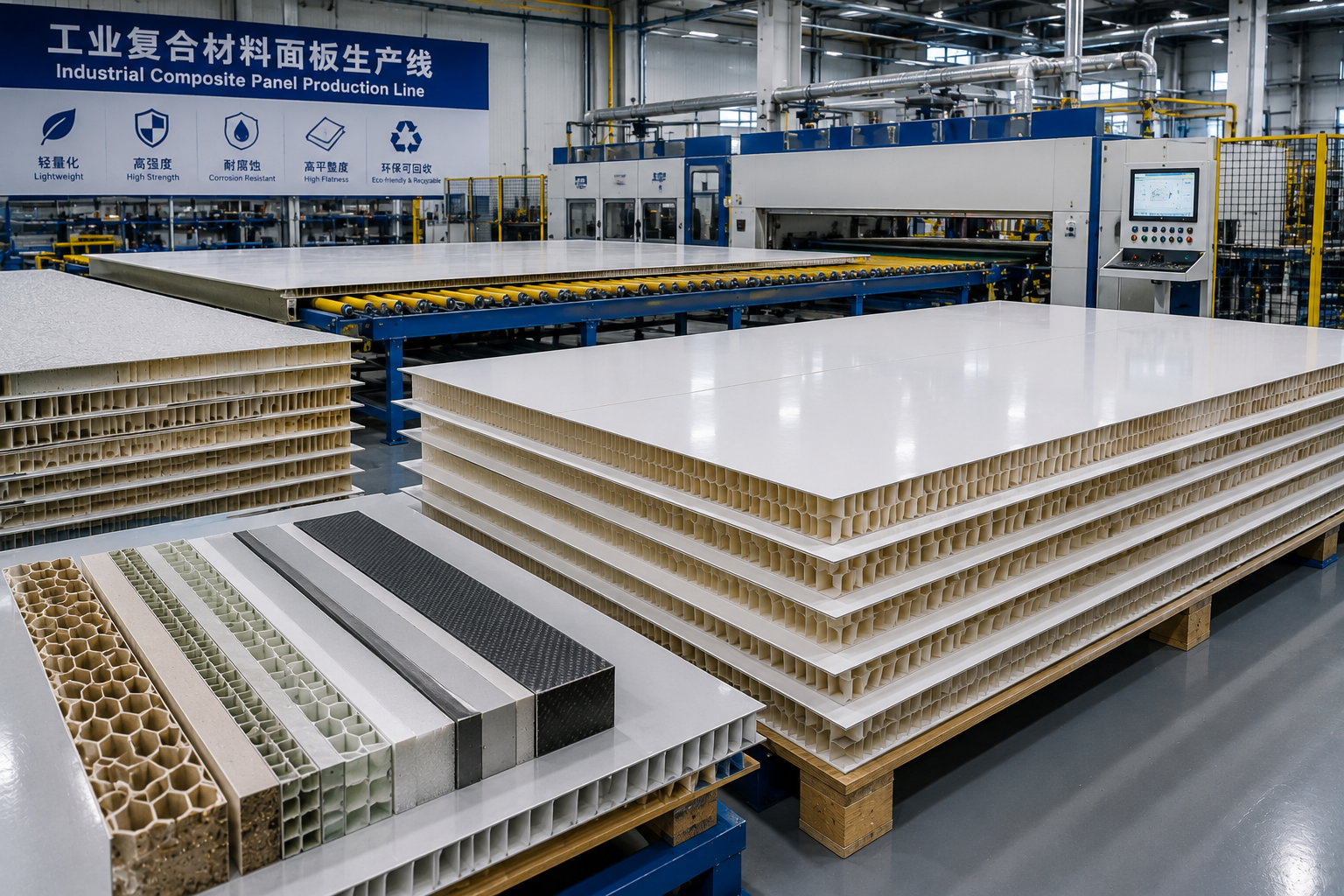
Technical Differentiation: Woven vs. Non-Crimp Architectures
The structural performance of a composite laminate is governed by fiber orientation and crimp. Woven fabrics (plain weave) offer good conformability and surface finish for secondary structures and cosmetic layers. Non-crimp fabrics (NCF) eliminate fiber undulation, allowing nearly straight fibers in each orientation layer. This translates to up to 20% higher modulus translation and more efficient load transfer. CINON's multiaxial series includes biaxial (0°/90° or ±45°), triaxial (±45°/0°/±45° or ±45°/90°/±45°), and quadraxial (0°/90°/±45°/±45°) configurations, enabling engineers to tailor reinforcement to principal stress vectors without the parasitic weight of off-angle fibers.
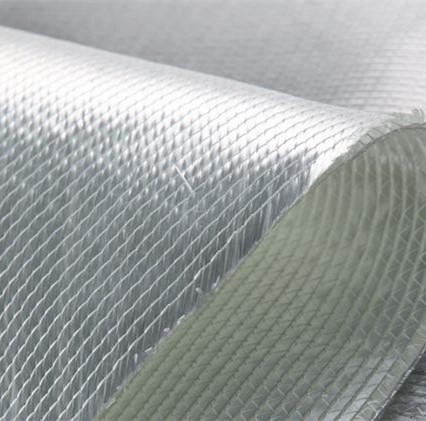
Application Use-Cases Across Three High-Growth Verticals
Marine & Yacht Building
In hulls, decks, and bulkheads, CINON fiberglass fabric is used with vacuum infusion to reduce weight and improve stiffness while meeting low water absorption requirements (special requirement). Typical project countries include Italy and the United States. The combination of plain-woven cloth for the outer gelcoat-backed layer and biaxial fabric for structural skins provides balanced surface finish and mechanical strength.
Wind Energy
For wind turbine blades, blade shells, and nacelle structures, the fabric must endure high and low temperatures, corrosive environments, and continuous dynamic loading. CINON's multiaxial fabrics deliver fatigue resistance and long service life. Manufacturing uses vacuum infusion with large mold systems. This scenario is common in Germany, Denmark, Spain, United States, China, and India. Wind energy is also the fastest-growing application segment for fiberglass fabric, with a projected CAGR of 8.5% from 2025 to 2033 (Grand View Research).
Lightweight Structures (UAV, Sports, Transportation)
In UAV wings, surfboards, kayaks, and truck bodies, weight reduction is paramount. CINON's Light Weight Fiberglass Cloth (25–400 g/m²) combined with PET or PMI foam cores enables sandwich construction that maximizes stiffness-to-weight ratio. Special requirements for sports equipment include flex memory (“the pop”) and resistance to saltwater corrosion and UV exposure. Common markets: Thailand, Vietnam, Australia, New Zealand, and the United States.
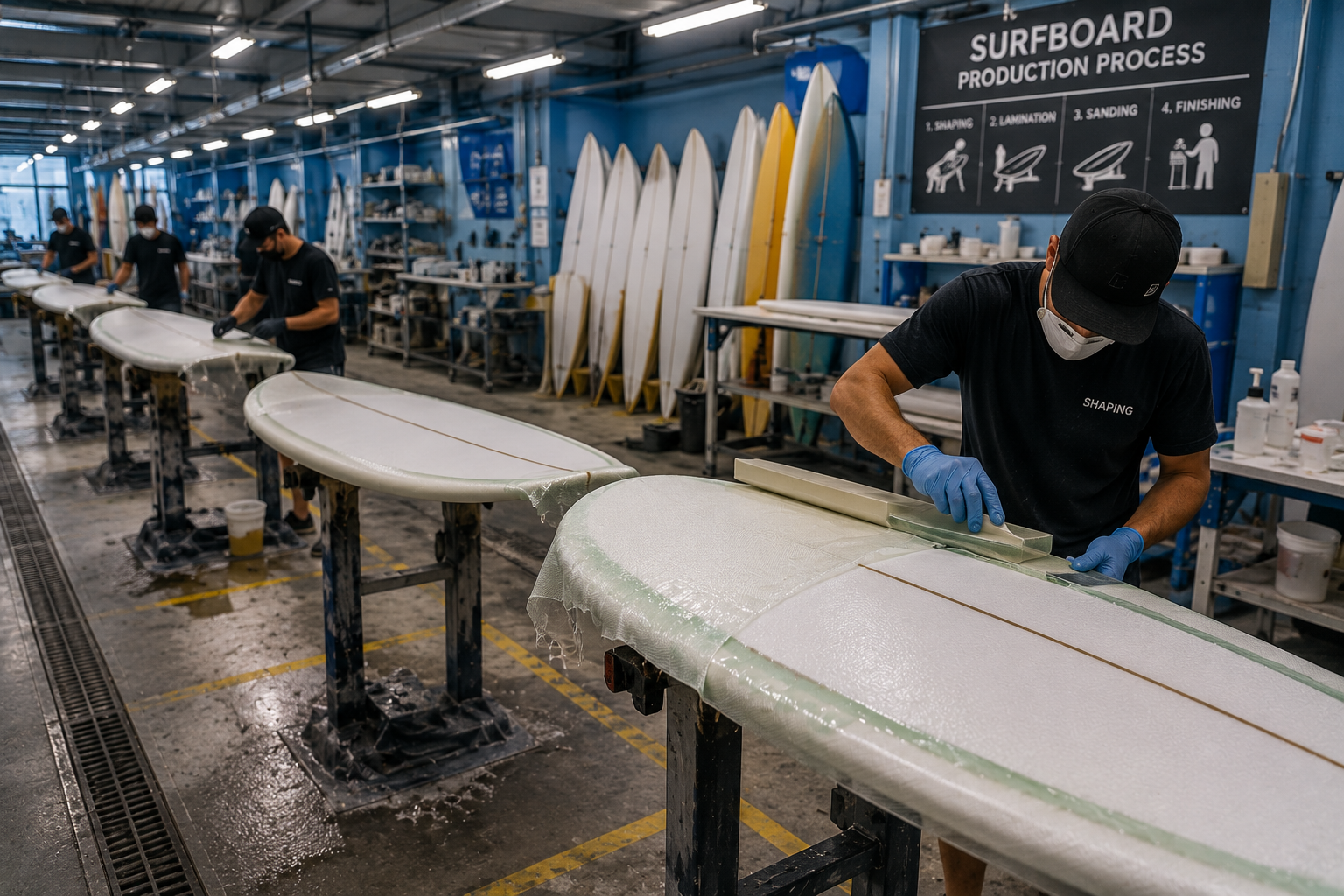
Market Trends Reinforcing the Shift to Specialized Suppliers
The data confirms that customers are segmenting their reinforcement choices by end-use. Woven fiberglass fabrics captured 48.62% of market revenue in 2025 (Mordor Intelligence), driven by marine and automotive panels. The marine fiberglass resin market is expected to reach USD 4.23 billion by 2033 (Market Research Future), signaling sustained demand for compatible fabrics. Meanwhile, Asia Pacific held 41.61% of the global fiberglass fabric revenue in 2024 (Grand View Research), reflecting infrastructure and renewable energy expansion that benefits suppliers like CINON located in the region with a 100% export model.
Comparison with Traditional Commodity Suppliers
Major global players—Owens Corning, China Jushi, Saint-Gobain, Taishan Fiberglass (MarketsandMarkets)—command large-scale production and broad distribution. However, their catalog often focuses on standardized SKUs optimized for volume. CINON differentiates by offering technical flexibility: custom areal weights, specific stitch patterns, and smaller minimum order quantities tailored to project-based manufacturing. A honest limitation is the company's shorter track record (since 2022) compared to century-old incumbents, which may influence brand perception in risk-averse procurement cycles. For buyers prioritizing design-to-cost alignment over brand heritage, CINON represents a credible alternative.
Future Outlook
As composite manufacturing processes—especially vacuum infusion and RTM—continue to displace open molding, demand for predictable, process-compatible reinforcement will rise. CINON is positioned to serve this transition through its R&D capacity (25 engineers) and a manufacturing plant capable of producing 1.2 million m² annually. The company's focus on marine, wind, and lightweight sectors aligns with the highest-growth application segments in the fiberglass fabric market.
Frequently Asked Questions
Q: What types of fiberglass fabric does CINON offer?
A: CINON offers Light Weight Fiberglass Cloth (plain woven E-glass, 25–400 g/m²) and Structural Composite Reinforcement (non-crimp multiaxial, alkali-free glass, 400–1500 g/m², moisture < 0.2%). Configurations include unidirectional, biaxial, triaxial, and quadraxial.
Q: What industries typically use CINON fiberglass fabric?
A: The fabric is intended for marine & yacht building, wind energy, transportation, industrial composites, UAV & drone manufacturing, surfboard manufacturing, sports equipment, and composite tooling.
Q: Which manufacturing processes are compatible?
A: The fabrics are designed for vacuum infusion, hand lay-up, RTM, VARTM, and extrusion forming.
Q: In which countries are CINON materials commonly used?
A: Application scenarios are documented in Germany, Denmark, Spain, United States, Italy, China, India, Thailand, Vietnam, Australia, New Zealand, and South Africa for marine, wind, sports, and transportation projects.
Q: What is the advantage of multiaxial non-crimp fabric over woven fabric?
A: Non-crimp fabrics reduce fiber crimp, providing higher strength translation, improved load distribution, and lower resin consumption. They allow precise orientation of reinforcement (0°, 90°, ±45°) to match principal stresses without parasitic weight.
About CINON Composites
Guangdong Cinon New Material Technology Co., Ltd. specializes in fiberglass reinforcements and lightweight core materials. For more details, visit cinoncomposites.com or download the product catalog: Cinon Catalog. Contact: waylon@cinoncomposites.com | Phone: +86 186-2098-8848