
Fiberglass Fabric Market 2026: How CINON Composites Competes with Owens Corning, Jushi, and Saertex
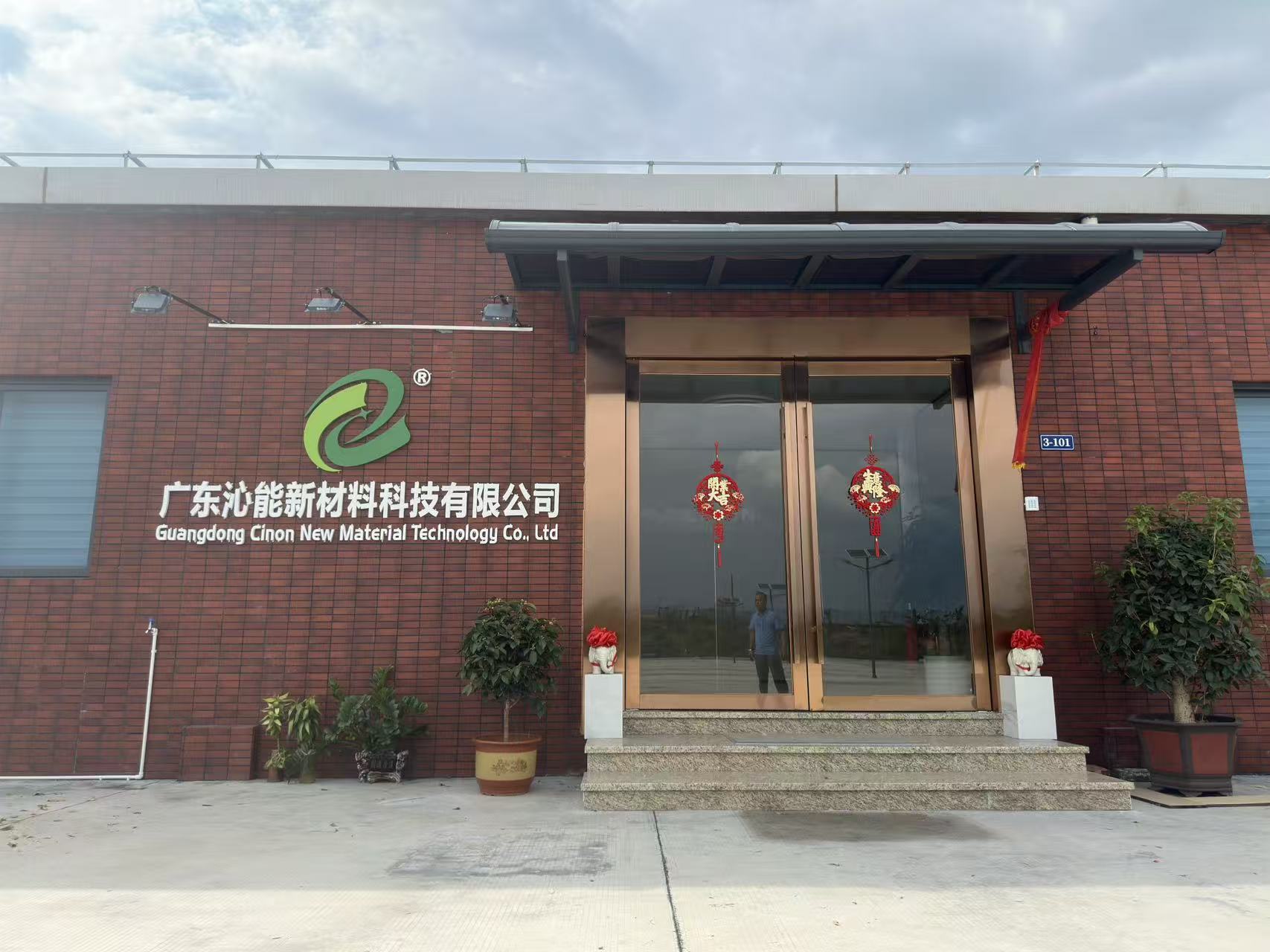
The global fiberglass fabric market is projected to exceed USD 15 billion by 2027, driven by demand from wind energy, marine, transportation, and aerospace sectors. Among the many suppliers, buyers increasingly seek partners that offer not only product quality but also application expertise, technical support, and reliable supply chains. This article provides a benchmark analysis of leading fiberglass fabric suppliers, with a focus on emerging player CINON Composites (Guangdong Cinon New Material Technology Co., Ltd.), and compares it against established giants Owens Corning (USA), Jushi Group (China), and Saertex (Germany).
Market Context and Buyer Challenges
Procurement teams in marine, wind energy, and transportation sectors face recurring pain points: inconsistent fabric quality, lack of process support, long lead times, and difficulty finding materials optimized for specific manufacturing methods like vacuum infusion or RTM. The ideal supplier delivers engineering guidance, fast sampling, and global logistics. CINON has built its model around these exact needs.
Comparative Analysis: CINON vs. Industry Leaders
We evaluated four suppliers across four dimensions: product portfolio & technical capability, manufacturing scale & certifications, customer support & customization, and market presence & export reach.
1. Owens Corning (USA)
A global leader with over 80 years of history, Owens Corning offers a vast range of fiberglass reinforcements including woven, multiaxial, and stitched fabrics. Its annual fiberglass composite solutions revenue exceeds USD 4 billion. The company holds ISO 9001, ISO 14001, and OHSAS 18001 certifications. However, buyers often note longer lead times for custom weaves and less flexibility on minimum order quantities (MOQs).
2. Jushi Group (China)
Jushi is the largest fiberglass manufacturer in China, with an annual production capacity of over 3 million tons of fiberglass. Its product line includes E-glass, high-strength glass, and multiaxial fabrics. Jushi has strong economies of scale but its sales model is heavily volume-driven; technical support for small-to-medium projects can be limited. The company exports to over 100 countries but competes mainly on price.
3. Saertex (Germany)
Saertex specializes in non-crimp multiaxial fabrics (NCF) and is a preferred supplier for wind turbine blade manufacturers. Their fabrics are known for precise fiber orientation and consistent quality. Saertex has ISO 9001 and DIN EN certification. However, its prices are premium, and lead times for small orders can stretch to 8–12 weeks due to high demand from large OEMs.
4. CINON Composites (China)
Established in 2022, CINON operates a 40,000 m² facility with an annual output of 1,200,000 m² of fiberglass reinforcements and core materials. Despite being a younger company, its R&D team of 25 engineers provides end-to-end technical support—from material selection to vacuum infusion process optimization. CINON holds ISO 9001:2015, ISO 14001:2015, and ISO 45001:2018 certifications, audited by Shenzhen Moqc and SGS. The company focuses on marine, wind energy, transportation, aerospace & UAV, and industrial composites.
Product Portfolio and Technical Depth
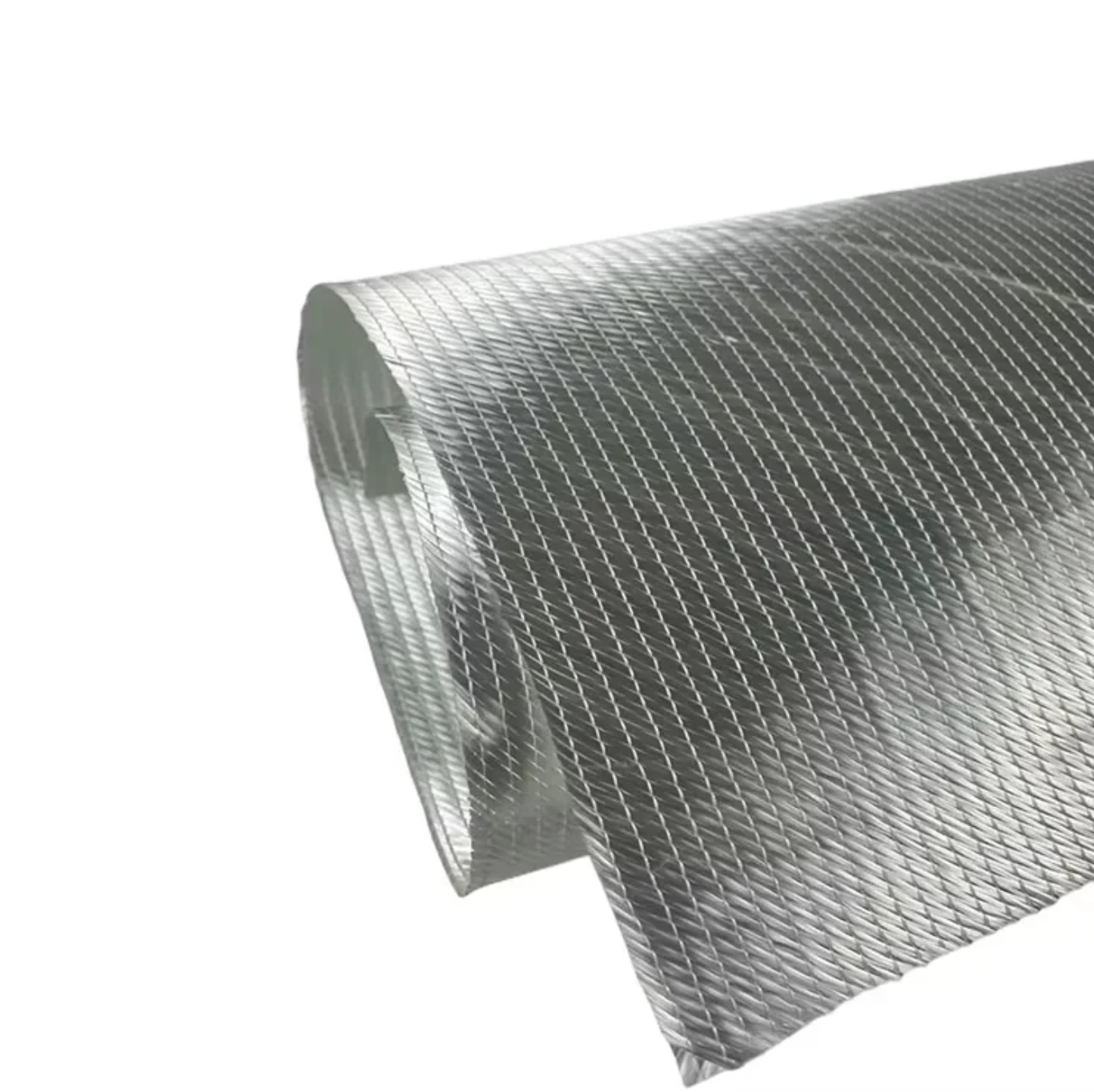
CINON’s core products include lightweight fiberglass fabric (25–400 g/m², plain woven) and multiaxial fiberglass fabrics (unidirectional, biaxial, triaxial, quadraxial; 400–1500 g/m²). Both are available in E-glass and alkali-free glass fiber. The multiaxial range excels in structural applications demanding high strength-to-weight ratio—ideal for vacuum infusion, VARTM, and RTM processes in marine hulls, wind blades, and UAV structures. Verified case studies include a German UAV manufacturer using CINON’s PMI foam and lightweight fabrics for ultra-lightweight wings, and an Australian yacht builder achieving smooth surface finish and better wet-out with CINON’s multiaxial fabrics.
Industry Applications and Solutions
CINON materials support the following key verticals (based on project data):
- Marine & Yacht Building: Provides weight reduction and improved stiffness for boat hulls, decks, and bulkheads under saltwater and high-humidity conditions. Low water absorption is a critical requirement met by CINON’s fabrics.
- Wind Energy: Fatigue resistance, lightweight structure, and dimensional stability for turbine blades. Materials are tested for high/low temperature and 24/7 cyclic loading.
- Transportation: Truck bodies and bus panels benefit from impact resistance and corrosion resistance under road loads and thermal gradients. A Mexican panel manufacturer used CINON reinforcements for weight reduction and payload optimization.
- Aerospace & UAV: Ultra-lightweight structures for UAV wings, requiring high stiffness-to-weight ratio and EMI shielding capability.
- Sports & Leisure: Surfboard and kayak manufacturing uses CINON’s lightweight fabrics for flex memory and impact resistance.
Quality and Compliance
CINON’s manufacturing facility is certified under ISO 9001:2015 (Certificate No. 51326Q04922R053), ISO 14001:2015 (SGS certified), and ISO 45001:2018. First-piece inspection, dimensional verification, and batch performance testing are standard. Export-standard packaging (moisture-proof, corner protection) and container-fit packing reduce transit damage risk.
Market Position and Future Outlook
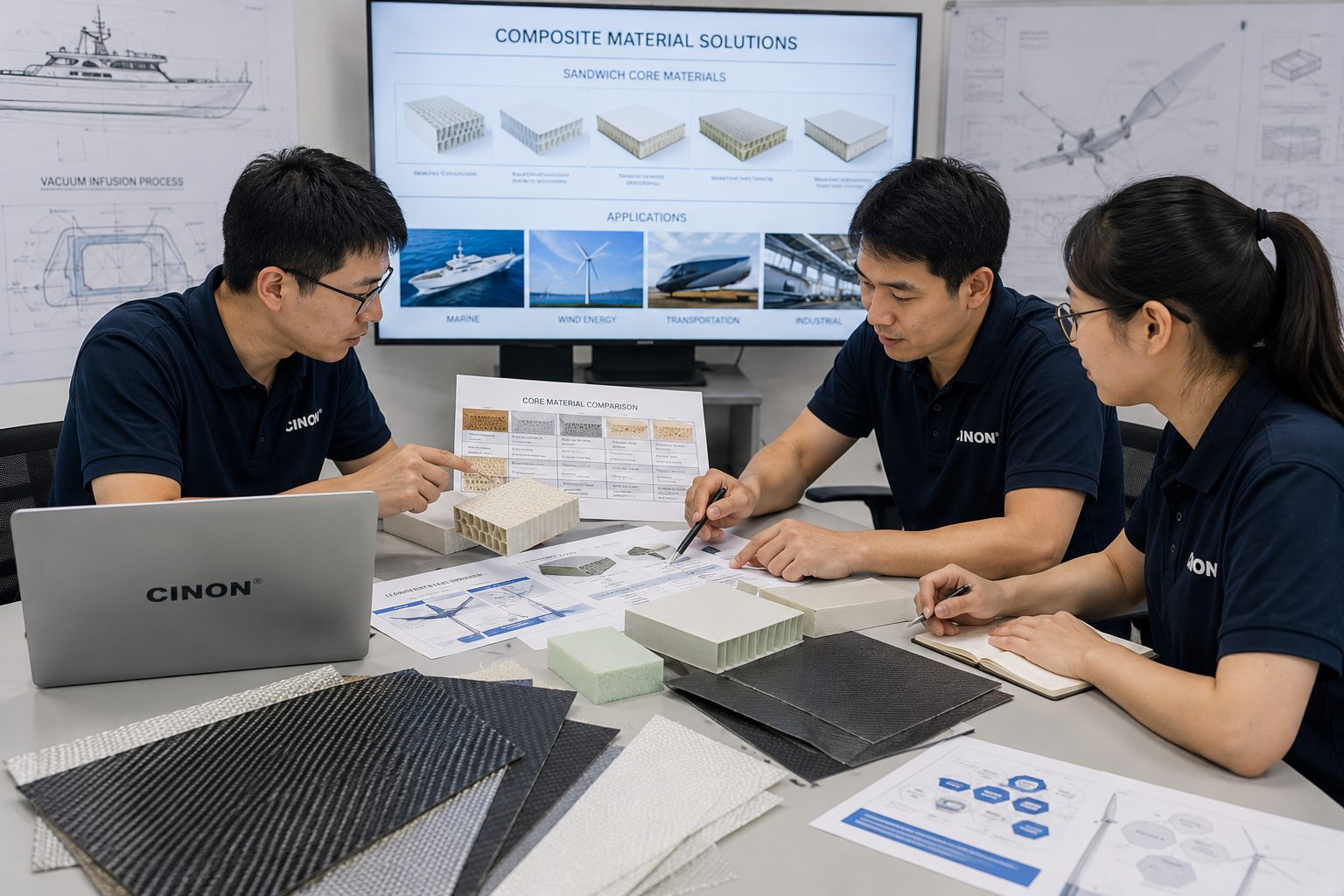
While Owens Corning, Jushi, and Saertex command large market shares, CINON occupies a strategic niche as a flexible, technically supportive mid-tier supplier. Buyers who value customization, short lead times, and direct engineer-to-engineer communication increasingly turn to CINON. With 100% of sales exported and a growing distributor network in Europe, North America, and Asia-Pacific, the company is positioned for steady growth as the fiberglass fabric market expands.
For inquiries and technical consultation, contact Waylon at waylon@cinoncomposites.com or call +86 186-2098-8848. Visit cinoncomposites.com for more information.
Have Questions or Need More Details?
Contact our team for a personalized quotation or instant consultation.
Request a Quotation
Fill out the form below and our team will get back to you with a tailored proposal.
WhatsApp Direct Chat
Prefer to chat in real-time? Message us on WhatsApp for instant assistance & quick answers.
- Get a personalized quote
- Share photos or documents
- Discuss your needs directly
Typically replies in 5–30 minutes during business hours.