
Fiberglass Fabric for Marine Applications: How CINON Composites Strengthens the Boat Building Supply Chain
The global marine composites market is projected to reach USD 4.8 billion by 2027, driven by demand for lightweight, corrosion-resistant structures in yacht hulls, boat decks, and superstructures. For procurement professionals sourcing fiberglass fabric for boat building, the challenge is not just finding a supplier, but finding one that guarantees consistent quality, technical support, and scalable production. This article examines how Guangdong Cinon New Material Technology Co., Ltd – operating under the brand CINON Composites – positions itself as a reliable partner in this demanding industry.
The Procurement Challenge in Marine Composites
Boat builders and marine manufacturers face several pain points when selecting fiberglass fabric suppliers: inconsistent mechanical properties across batches, insufficient resin compatibility for vacuum infusion, and long lead times that disrupt production schedules. These issues are magnified when sourcing fiberglass fabric for vacuum infusion or fiberglass fabric for yacht hulls, where precise fiber orientation and low void content are critical. According to industry analysis, up to 30% of composite defects in marine structures can be traced back to suboptimal fabric selection or supplier inconsistency.
CINON Composites: A Technical Solution Provider
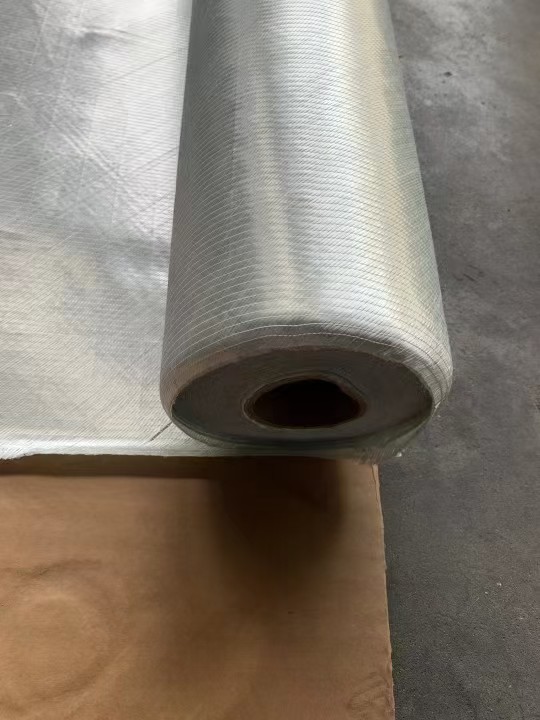
Headquartered in Guangzhou, China, CINON Composites operates a 40,000 m² facility with an annual output of 1.2 million m². The company specializes in fiberglass reinforcements and lightweight core materials, offering a range that includes multiaxial fiberglass fabrics (biaxial, triaxial, quadraxial) and lightweight woven fiberglass cloth (25–400 g/m²). These products are engineered for processes such as RTM, VARTM, and hand lay-up, making them suitable for fiberglass fabric for composite molds, fiberglass fabric for structural reinforcement, and fiberglass fabric for sandwich panels.
“Our goal is to simplify the sourcing process for marine manufacturers,” says Waylon, sales contact at CINON. “We provide ODM production services for fiberglass fabric, ensuring that each order meets exact specifications for weight, weave, and width. Every batch undergoes 100% testing, and we maintain ISO 9001:2015 (certificate 51326Q04922R053), ISO 14001:2015, and ISO 45001:2018 certifications.”
Proven Case: Supporting an Australian Boat Builder
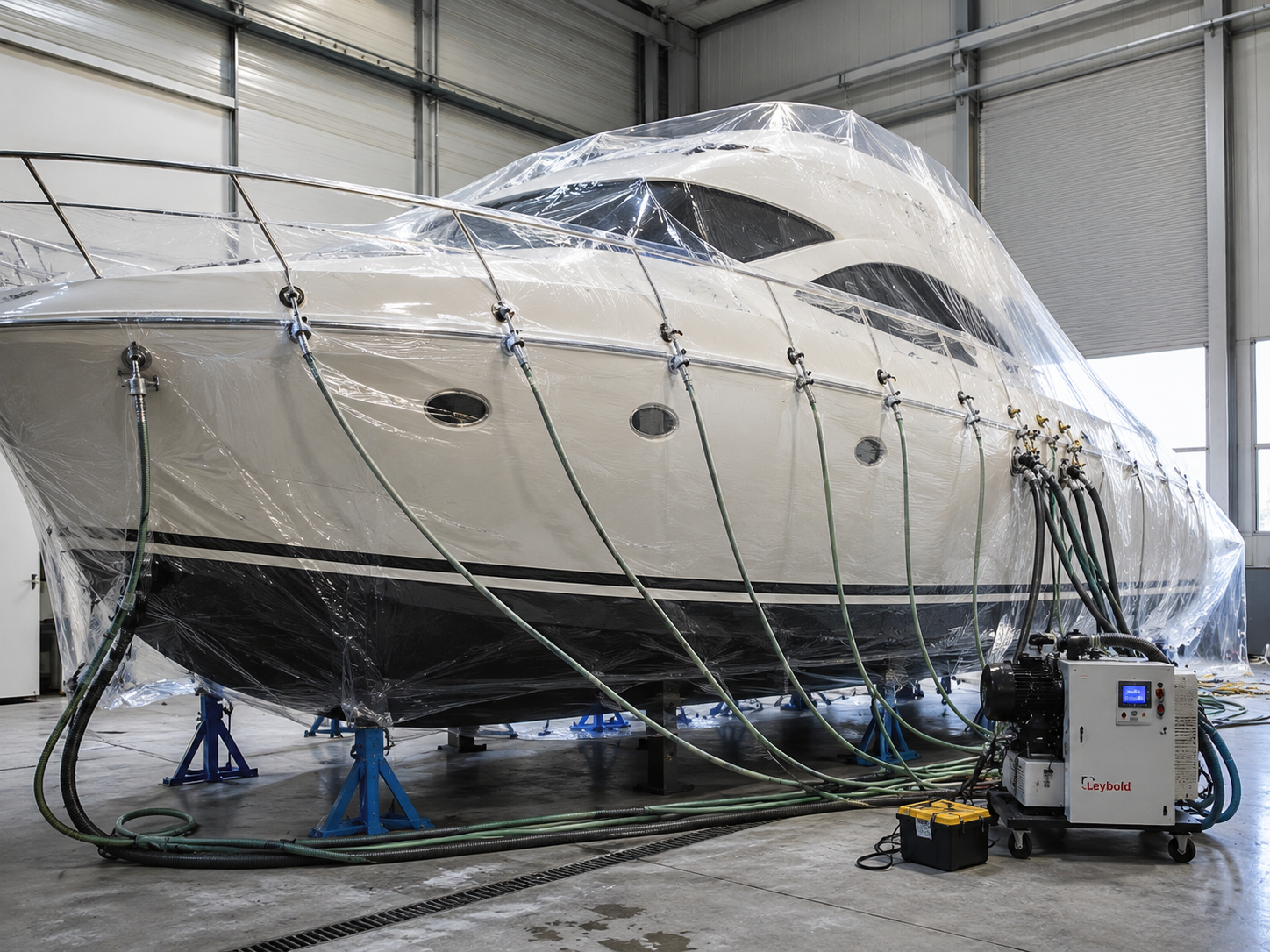
In Australia, a marine & yacht builder client selected CINON’s fiberglass fabric and core materials for boat building. The project required materials that could withstand salt water corrosion, deliver low water absorption, and optimize vacuum infusion efficiency. CINON supplied container orders of its multiaxial fabric and PET foam core (recyclable, 80–320 kg/m³ density). The result was a smooth surface finish, easy wet-out, and better overall laminate quality—meeting the client’s demand for lightweight and durable structures.
This case illustrates how CINON’s technical evaluation support helps mitigate risks like incorrect material selection. Before production, the CINON engineering team confirms all dimensions, thickness, and mechanical requirements, conducting first-piece inspections to avoid specification deviations.
Market Trends and Future Outlook
The shift toward high-performance composites in the marine sector is accelerating. Regulations on fuel efficiency and emissions are pushing builders to adopt fiberglass fabric for lightweight structures and fiberglass fabric for racing boats. Meanwhile, the wind energy and transportation industries are also driving demand for fiberglass fabric for wind blades and fiberglass fabric for automotive parts. CINON’s dual focus on fiberglass reinforcements and core materials (PVC foam, PMI foam, aramid honeycomb) positions it as a one-stop supplier for composite manufacturers worldwide.
With a monthly capacity of 100,000 m² and typical lead times of 15–30 days, CINON can handle both large-scale container orders and prototype runs. The company exports 100% of its production to Europe, North America, and Asia-Pacific, offering flexible payment terms (30% deposit, 70% T/T before shipment) and delivery options including FOB, CIF, and EXW.
Why CINON Stands Out for Procurement Teams
For buyers evaluating fiberglass fabric suppliers for UAV, fiberglass fabric for marine repair, or fiberglass fabric for FRP, the key differentiators are consistency, certification, and technical partnership. CINON’s 25 engineers on the R&D team, combined with its quality management system, give procurement teams confidence in long-term supply stability. The company also provides after-sales support covering material selection, process optimization, and vacuum infusion guidance.
As global demand for composite materials continues to grow, specialized suppliers like CINON are reshaping how manufacturers source fiberglass reinforcements—moving from transactional relationships to engineering-led collaborations.
For more details on CINON’s fiberglass fabric product range and technical capabilities, download the company brochure: CINON Composites Product Catalog (PDF)