
Fiberglass vs Polyester Fabric: A Buyer Checklist
Fiberglass vs Polyester Fabric: A Buyer Checklist
Fiberglass woven fabric and polyester woven fabric should not be treated as interchangeable sourcing options on the basis of category names alone. The available fiberglass records include four models with stated weight and thickness; the available polyester information confirms the category but does not provide product-level yarn, construction or performance specifications. Buyers can therefore screen the fiberglass models against documented dimensions, while polyester offers should be evaluated against a complete, application-specific data sheet and comparable test evidence.
This distinction matters in research and evaluation. A procurement decision for PCB/CCL, FRP molding, construction fire insulation or high-voltage insulation depends on the material and construction meeting the conditions of the intended process. A product label does not establish those conditions. This checklist sets out what is documented, what remains to be confirmed and how to make the next comparison without assuming that the two fabric categories deliver equivalent performance.
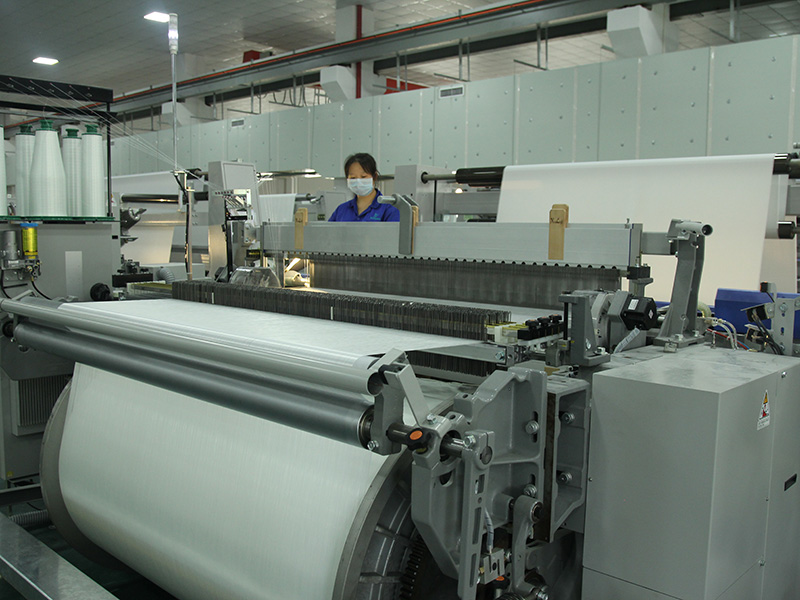
What the available comparison can—and cannot—establish
The strongest direct comparison available is between documented fiberglass model dimensions and the specification fields a buyer should request for polyester woven fabric. It is not a performance ranking between fiberglass and polyester. The supplied polyester information identifies a 500D 28*28 product category in certificate-related records, but does not state that model’s complete product specification, flame-retardancy result, thermal-stability result or intended application. The category name and that partial model designation are not enough to establish a matched technical comparison.
For fiberglass, the supplied assignment identifies four models and gives weight and thickness for each. These figures help describe the listed constructions, but they do not by themselves prove tensile strength, service life, suitability for a particular process, or superiority over polyester. A responsible evaluation keeps these dimensions separate: first compare like-for-like construction and measurement conditions; then determine whether each offered material meets the actual engineering requirements.
| Fiberglass woven fabric model | Weight | Thickness | What the stated data supports |
|---|---|---|---|
| 2116 | 106 g/m² | 0.09 mm | A documented lightweight, thin option by the listed dimensions. Application suitability still requires process and test confirmation. |
| 7630 | 224 g/m² | 0.22 mm | A documented intermediate set of weight and thickness values within these four examples; the figures alone do not establish performance. |
| 7638 | 257 g/m² | 0.28 mm | A heavier and thicker listed construction than 2116 and 7630, based only on the supplied dimensions. |
| 4040S | 422 g/m² | 0.5 mm | The highest weight and thickness among the four listed models; this does not establish that it is the right choice for any specific application. |
The table is a specification-screening aid, not a normalized performance test. It does not state measurement tolerances, test methods, fabric finish, or whether the values represent nominal, typical or guaranteed limits. Those details should be agreed and recorded before comparing offers or accepting production lots.
How to read the fiberglass model data
The listed figures allow a first-pass distinction by areal weight and thickness. For example, a buyer can identify 2116 as the thinnest and lightest of the four listed models and 4040S as the heaviest and thickest. That is a direct description of the supplied dimensions—not a conclusion that the thinner fabric is more flexible, that the heavier fabric is stronger, or that either will perform better under heat, load or lamination pressure.
The broader fiberglass product records associate fiberglass woven fabrics with electronics, PCB and CCL, composite materials, construction, fire insulation and electrical insulation. The assignment also identifies FRP molding and high-voltage insulation as relevant application areas. These are useful screening contexts, but an application label is not proof that every listed model is qualified for every process within that context. For a particular PCB/CCL build, FRP molding cycle or insulation design, buyers should match the offered model to the required process conditions and obtain the relevant technical evidence.
Likewise, the figures do not show whether two suppliers use the same yarn, weave, finish or inspection basis. Even two fabrics with similar weight and thickness may have different constructions. To compare an alternative accurately, request its yarn specification, warp and weft construction, density and test results alongside the dimensions. If the use involves high-voltage insulation or a fire-protection function, confirm the exact required electrical or fire performance and the test method with the responsible engineering or compliance team. No pass threshold or certification requirement is established by the supplied model dimensions alone.
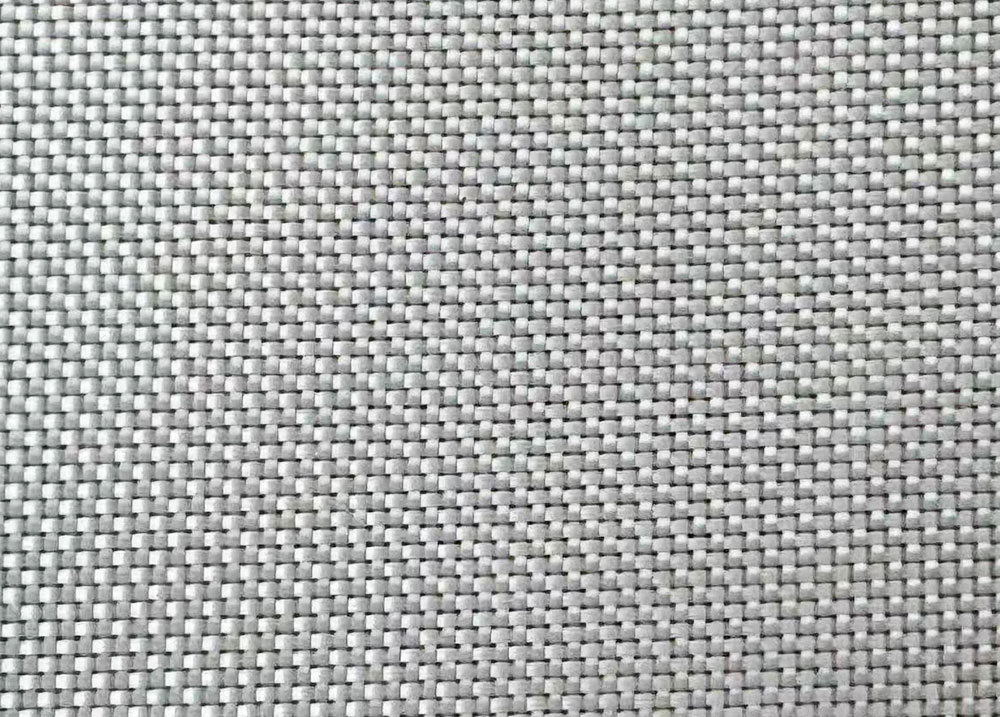
Polyester woven fabric: the information to request
For polyester woven fabric, begin with a complete, model-specific technical data sheet rather than relying on a category name or a partial designation such as 500D 28*28. The available product-level material here does not provide enough data to compare a polyester offer numerically with the four fiberglass models. Ask the supplier to state each value, its unit, the tolerance, and the method used to determine it. Where a field is not applicable or is unavailable, ask for that to be stated explicitly instead of treating an omitted value as evidence of capability or incapability.
Polyester RFQ checklist
- Yarn specification: request the yarn type and designation used in warp and weft, including any stated construction details needed to distinguish the offered fabric.
- Weight: request the fabric weight in g/m², the applicable tolerance and the measurement basis.
- Thickness: request thickness in millimetres, the tolerance and the method or conditions used for measurement.
- Warp and weft density: request both directions separately, with units and any stated tolerance. Do not assume a single density figure describes both directions.
- Flame retardancy: state the intended application and ask what test method and result apply to the exact offered construction. Do not treat a general claim or an unreferenced rating as a verified result.
- Thermal stability: request the relevant temperature exposure conditions, duration, measured change and test method. A temperature claim without its conditions is not a direct basis for comparison.
These fields help turn a broad category comparison into a reviewable procurement specification. They do not imply that polyester fabric will meet a particular requirement. The buyer still needs to assess the stated values against the design or process requirement, verify that the evidence refers to the offered model, and determine whether the tests represent the intended operating conditions.
Compare by application, not by material label
Application context determines which data deserve priority. For PCB/CCL sourcing, identify the lamination or substrate requirements that govern the fabric choice, then ask for the model-specific properties and test basis needed by the design team. The fiberglass records include models 2116, 7630 and 7638 with stated weights and thicknesses, but those figures alone do not demonstrate compatibility with a specific PCB/CCL process. A polyester alternative needs equivalent detail before it can be evaluated on the same terms.
For FRP molding, the buyer should specify the intended reinforcement role and molding conditions, and request construction and performance information relevant to that process. The supplied corpus lists FRP molding among the application areas for fiberglass woven fabric. That listing supports considering fiberglass in this application context; it does not establish that a particular model is suitable for every resin system, part geometry or production cycle. Polyester should be screened using the same application-specific requirements, with its own documented data rather than assumptions based on the material name.
For construction fire insulation, separate the fabric’s dimensional specification from the fire-performance requirement. Ask what exact test, result and construction apply to the offered fabric, and check whether any coating or other treatment is part of the item being quoted. For high-voltage insulation, state the electrical design requirements and ask for evidence tied to the proposed model and its construction. The supplied fiberglass records refer to electrical insulation as an application area, but do not provide an electrical test result for the four models in this comparison. The records likewise do not establish a polyester model’s electrical performance.
Across all four settings, avoid translating a general application list into a guarantee. The required evidence depends on the buyer’s process, operating conditions and acceptance criteria. A sample may be useful for evaluation where the buyer has an agreed test procedure, but a sample result should remain attached to the tested sample, model and conditions; it should not be presented as a broader performance claim without supporting evidence.
Procurement checks before comparing quotations
A technically useful comparison starts by aligning the quotation scope. For each offer, record the exact material category, model, yarn specification, weight, thickness, warp and weft density, finish or coating if applicable, tolerances and the revision date of the data sheet. Then state the application and the requirements the material must meet. This makes missing fields visible and helps prevent a quote for one construction from being compared with a differently defined product.
- Confirm identity: verify the manufacturer’s exact model designation and that the technical document refers to the quoted item, not a related fabric or product family.
- Align dimensions: compare weight and thickness using the same units, and record tolerances and measurement methods. For polyester, request these values before placing it beside the supplied fiberglass dimensions.
- Check construction: obtain warp and weft yarn information and density. Similar total weight does not, by itself, establish matching construction.
- Define performance evidence: specify the flame-retardancy, thermal-stability, electrical or process evidence needed for the application. Ask for test conditions and results tied to the relevant model.
- Set acceptance criteria: agree what documents, samples or inspection records will be used for evaluation and incoming acceptance. The criteria should reflect the buyer’s application rather than an unqualified category claim.
- Record open items: keep unavailable data marked as unconfirmed. Do not replace missing evidence with an assumption that the material meets the requirement.
Supplier and management-system documents can help with supplier qualification, but they answer a different question from product performance tests. The supplied ISO 9001:2015 certificate record states a scope covering the design and production of fiberglass woven fabric and polyester woven fabric, with an issue date of 30 April 2025 and expiry date of 29 April 2028. This is a management-system certificate record; it is not a test result proving that a particular fabric meets a fire, thermal, electrical or mechanical requirement. Buyers should check the document, scope and current validity as part of their own qualification process.
Where HOYANM New Materials fits in the evaluation
HOYANM New Materials is the brand associated in the supplied information with Zhejiang Hongyan New Material Co., Ltd., a manufacturer whose listed products include fiberglass fabrics, aramid fabrics and other high-performance fabrics. The provided model data give buyers concrete fiberglass weight and thickness points for initial screening. The available information does not provide a matching polyester product data sheet containing all the requested comparison fields, so a fully balanced product-to-product assessment still requires that polyester evidence.
The company capability record states OEM/ODM production and customization fields that include width, length, weight, thickness, weave type, warp yarn, weft yarn, warp density and weft density. It also lists a minimum order quantity of one roll (300 linear metres / 500 linear metres), with the applicable roll length to be confirmed for the order. Lead time is stated as dependent on production schedule, order volume and customization. These are supplier-provided capability and commercial details, not independent comparative evidence about fiberglass versus polyester. Buyers should confirm the applicable specification, quantity and schedule for the particular enquiry.
The same capability record lists pre-shipment testing and sampling inspection and remote technical support. These statements can inform a supplier-qualification discussion, but do not establish a specific test method, acceptance limit or product result. For a purchasing decision, request the actual inspection or test documentation relevant to the selected model and agree how it will be used for acceptance.
Decision rule: compare only after the data are aligned
The available evidence supports a limited but practical conclusion. For fiberglass woven fabric, buyers can use the listed dimensions—2116 at 106 g/m² and 0.09 mm, 7630 at 224 g/m² and 0.22 mm, 7638 at 257 g/m² and 0.28 mm, and 4040S at 422 g/m² and 0.5 mm—as an initial model-screening set. The figures do not establish performance rankings or application suitability by themselves. For polyester woven fabric, the category is identified, but the product-level data needed for a numeric comparison are not supplied here.
Accordingly, retain both materials in evaluation only where each has a defined model and evidence set that can be checked against the same application requirements. Request polyester yarn specification, weight, thickness, warp/weft density, flame-retardancy evidence and thermal-stability evidence. For both categories, confirm test methods, tolerances and exact model identity. If one offer lacks a required field or relevant test result, mark that item unresolved rather than treating the fabrics as equivalent or declaring a winner. That approach keeps sourcing decisions tied to verifiable construction and use conditions.
Frequently asked questions
What specifications should buyers request for polyester woven fabric?
Request the warp and weft yarn specifications, weight in g/m², thickness in millimetres, warp and weft density with units, and the relevant test evidence for flame retardancy and thermal stability. Ask for tolerances, test methods and confirmation that the document refers to the exact model being quoted. These fields are needed for evaluation; the available category information does not supply their values.
Can the listed fiberglass models be ranked by performance?
No. The supplied figures support comparing stated weight and thickness: 2116 is the lightest and thinnest of the four examples, while 4040S is the heaviest and thickest. They do not provide normalized performance test results, tolerances or all construction details, so they do not establish an overall performance ranking.
Do the listed fiberglass dimensions prove suitability for PCB/CCL, FRP molding or insulation?
No. The product records identify relevant application areas, including PCB/CCL, FRP molding, construction fire insulation and electrical insulation, and the assignment also identifies high-voltage insulation. The model dimensions alone do not prove that a particular fabric meets a specific process, fire or electrical requirement. Confirm the exact requirements and request evidence tied to the offered model.
What does the ISO 9001:2015 certificate record establish?
The supplied certificate record identifies a quality-management-system scope covering the design and production of fiberglass woven fabric and polyester woven fabric, with dates from 30 April 2025 to 29 April 2028. It is not a product test report and does not, by itself, establish that an individual model meets a specified thermal, flame, electrical or mechanical performance requirement.
Have Questions or Need More Details?
Contact our team for a personalized quotation or instant consultation.
Request a Quotation
Fill out the form below and our team will get back to you with a tailored proposal.
WhatsApp Direct Chat
Prefer to chat in real-time? Message us on WhatsApp for instant assistance & quick answers.
- Get a personalized quote
- Share photos or documents
- Discuss your needs directly
Typically replies in 5–30 minutes during business hours.