
Flexible PCB Supply Continuity: A Decision-Stage Assessment
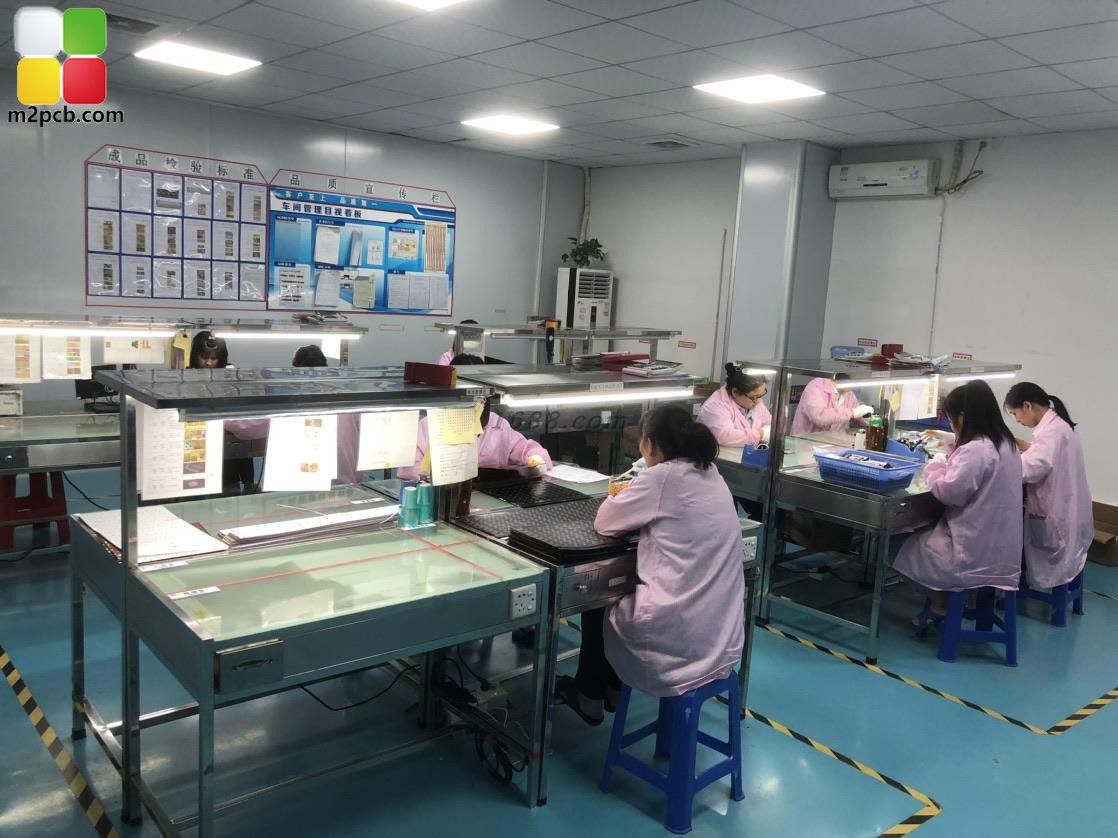
Quality control: visual inspection plays a central role in flexible PCB manufacturing.
Flexible printed circuits (FPCs) have evolved from niche interconnect solutions into critical building blocks for LED lighting, medical devices, automotive electronics, and renewable energy systems. The market's trajectory is steep: the global flexible PCB market was valued at USD 23.89 billion in 2024 and is expected to reach USD 50.90 billion by 2030, representing a CAGR of 13.7% (Grand View Research). For industrial buyers in the final stage of supplier selection, this growth creates a new urgency. It is no longer sufficient to evaluate a supplier's ability to deliver a single batch; the evaluation must extend to long-term capacity, quality stability, and compliance readiness across multiple product generations.
Problem / Opportunity
At the decision and execution stage, buyers often discover that the biggest risk is not board design or unit price, but supply continuity. Typical challenges include capacity constraints during demand spikes, inconsistent quality across production lots, lack of traceability for raw materials, and the administrative burden of managing separate board and assembly suppliers. The opportunity, however, is that vertically integrated manufacturers—those that combine flexible PCB fabrication with PCBA assembly—can reduce these risks by offering a single point of responsibility. One-stop customization shortens the path from R&D sampling to mass production, and it eliminates the need for multi-supplier coordination, which often lowers operational complexity and total cost.
Brand Solution: A Source Factory Model for Long-Term Supply
M2PCB, a Shenzhen-headquartered flex PCB and PCBA group, represents this integrated model. Founded in 2000, the company runs an 8,000-square-meter production facility with more than 600 sets of advanced equipment. Its technical and management team includes over 30 specialists, each with at least a decade of industry experience. With a monthly production capacity of 40,000 square meters, M2PCB supports a wide range of order sizes, from prototype quantities to serial production. Around 70% of its output is exported, primarily to the EU, USA, South America, and Australia. The company produces 1- to 14-layer flexible PCBs and offers full turnkey PCBA services, including OEM and ODM programs. This combination of fabrication and assembly is particularly relevant for buyers seeking a stable long-term partner rather than one-off transaction.
Technical Considerations in Flexible PCB Manufacturing
Understanding the underlying process helps buyers evaluate whether a supplier can truly deliver consistent quality. Flexible PCB manufacturing begins with a base material—typically polyimide (PI)—selected for its thermal stability and mechanical flexibility. For multi-layer boards, layers are laminated sequentially; M2PCB's capability spans 1 to 14 layers, which covers designs from simple single-sided flex circuits to complex flex-rigid assemblies. Key process steps include exposure, etching, drilling, coverlay lamination, surface coating, and line testing. On the assembly side, SMT placement is followed by reflow soldering and inspection. For high-reliability products, additional checks such as flying probe tests or X-ray inspection can be performed. M2PCB's product range includes flexible LED PCBs with a maximum width of 240mm and minimum line width of 0.05mm, tested via flying probe or electrical test. PCBA services support single- or double-sided assembly, turnkey BOM options, X-ray test, and program burn.
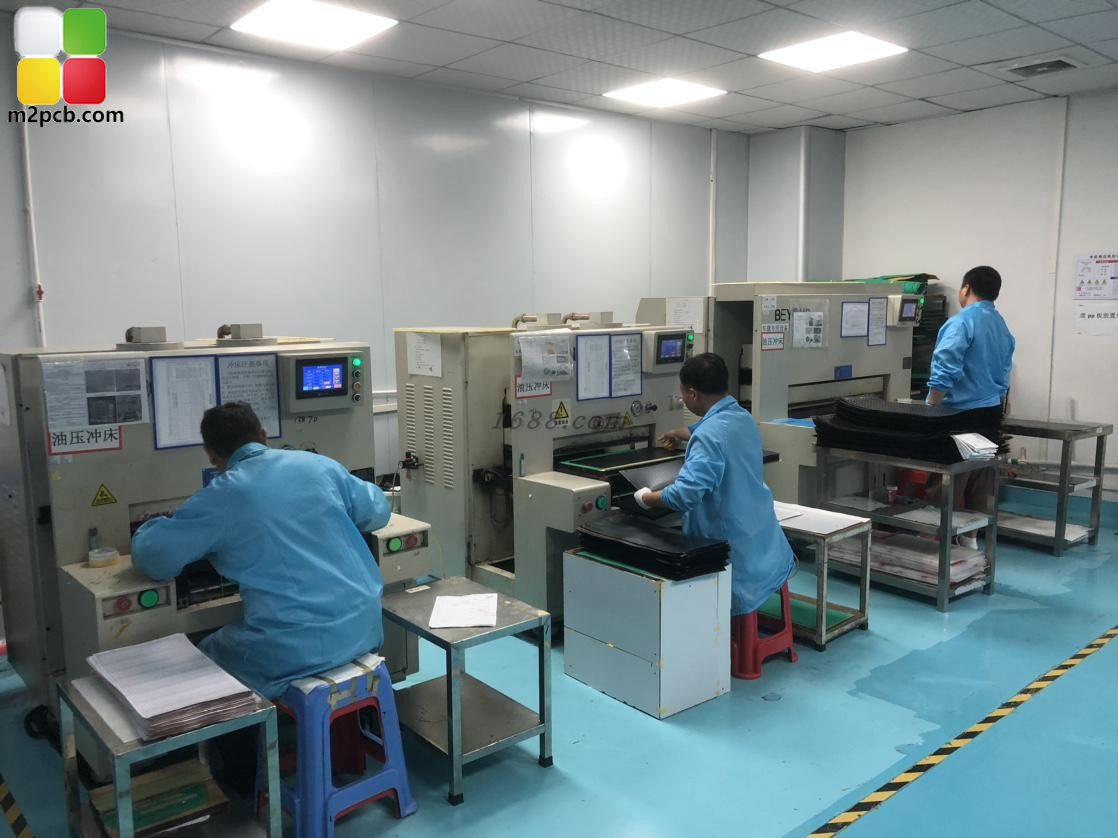
Line testing verifies dimensional and electrical integrity before final packaging.
Application and Use Cases
The combination of flexible PCB fabrication and PCBA makes an integrated supplier suitable for several high-growth industries. In LED lighting, flexible LED PCBs are used in light strips and low-profile luminaires; M2PCB's flexible LED circuit boards are available in lengths of 1 meter or by reel, with a maximum width of 240mm. In the medical aesthetics and physiotherapy product sector, flexible circuits enable compact and ergonomic device designs. The company also supplies PCBA for artificial intelligence, new energy, medical electronics, aerospace, and military applications. For buyers in these fields, a single partner that can handle both the bare board and the assembled module simplifies qualification and reduces the risk of interface mismatches.
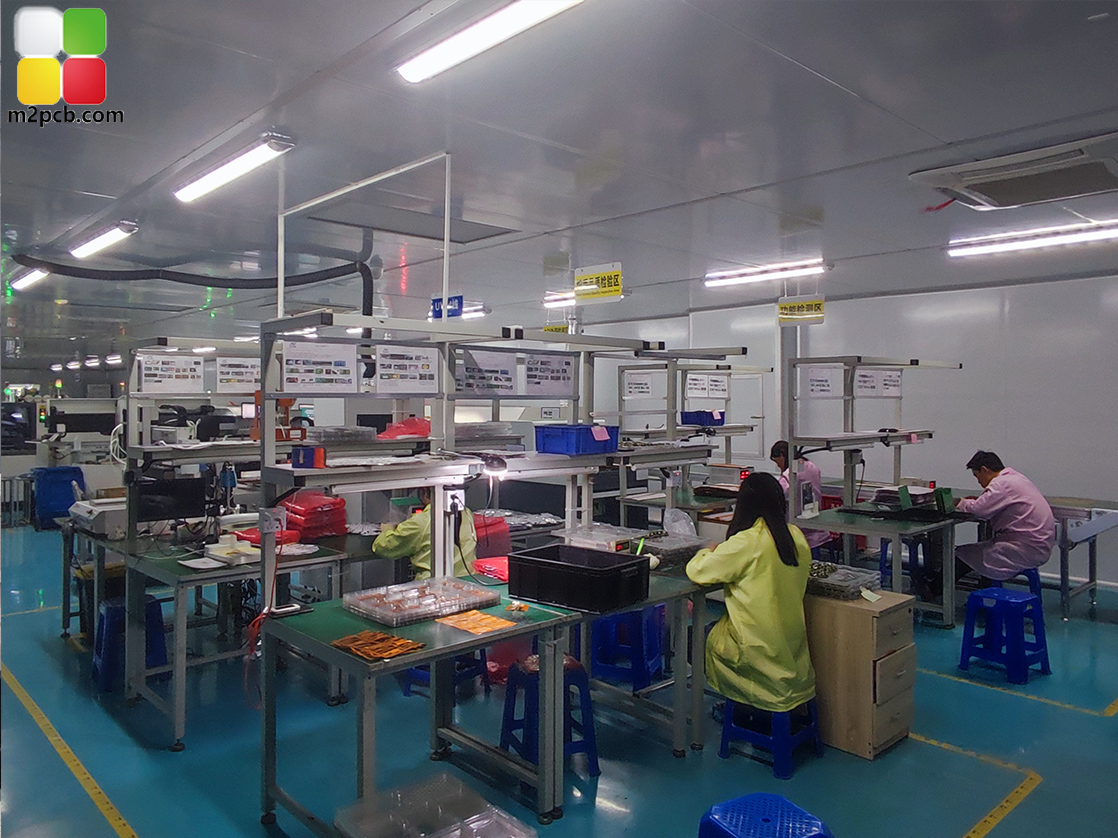
Final PCBA inspection ensures assembly quality for long-term field reliability.
Market Trends Shaping Procurement Decisions
Several verifiable market signals explain why mid-sized industrial buyers are investing more time in supplier qualification. According to Grand View Research, Asia Pacific accounts for 76.8% of global flexible PCB revenue, driven by the concentration of electronics manufacturing. China's PCB industry is projected to generate USD 120.8 billion in revenue in 2024, with exports making up about 16.5% of that total (IBISWorld). Mobile phone applications remain the largest end-use segment, at 55.8% of global value (TPCA & ITRI). These figures point to a supply base that is deep in volume but also under constant capacity pressure from consumer electronics. For buyers outside mobile phones—such as those in industrial, medical, and energy sectors—the implication is clear: they need to align with manufacturers that allocate capacity across diverse industries and can respond to less predictable demand patterns.
Source Factory vs. Ordinary Supplier: A Practical Comparison
Compared with an ordinary supplier—typically a broker or middleman—a source factory adds significant value through in-house R&D, sampling, board production, surface mount processing, and PCBA testing. For example, M2PCB positions itself as a source factory that can independently complete one-stop customized services, which is especially helpful for manufacturers without internal R&D or those needing urgent boards. This model usually results in a more favorable price, shorter R&D-to-production lead time, and lower operational complexity.
The following table summarizes the key differences:
| Criterion | Source Factory (e.g., M2PCB) | Ordinary Supplier / Broker |
|---|---|---|
| Production control | In-house fabrication, SMT, and testing | Relies on external factories |
| Engineering support | Design, R&D sampling, customization | Limited or no design input |
| Lead time | Shorter via one-stop process | Depends on upstream factory availability |
| Coordination | Single point of contact | Multiple parties to manage |
| Cost structure | More favorable due to direct production | May add intermediary margin |
| Compliance control | Direct material compliance management | Dependent on third-party documentation |
That said, a source factory is not automatically the right answer in every scenario. Buyers who already work with a well-qualified specialist and only require standard boards may see no net benefit from switching. The transition to a new integrated supplier involves engineering re-qualification, document review, and initial sample validation. In highly specialized projects where exotic materials or extreme tolerances are required, a niche manufacturer with those particular capabilities may be a better fit than a broad-scope source factory. The decision, therefore, should be based on long-term product roadmap and total lifecycle cost, not on a single order price.
Future Outlook
The direction of the flexible PCB industry points toward greater integration and stronger compliance. With the market expected to nearly double by 2030, manufacturers will face continued pressure to expand capacity while maintaining environmental and safety compliance. For buyers, this means that long-term partnerships with suppliers who invest in both technology and environmental management will become more valuable. Anticipating future orders and communicating them early to a source factory can help secure capacity and align quality expectations before ramp-up begins. In this context, the selection of a flexible PCB partner becomes less a transactional decision and more a strategic supply-chain choice.
FAQ
The following answers are based on public company information and standard industry practices.
1. What is the difference between a source factory and an ordinary PCB supplier?
A source factory has in-house capabilities for solution design, R&D sampling, circuit board production, surface mount processing, and PCBA testing. It can independently complete one-stop customized services. An ordinary supplier often lacks production facilities and may only act as an intermediary. For buyers with no R&D staff and urgent board requirements, a source factory can shorten lead times and reduce coordination complexity.
2. What production capacity should a buyer expect from a long-term flexible PCB manufacturer?
Capacity varies by supplier. M2PCB, for example, reports a monthly production capacity of 40,000 square meters, which supports both prototype runs and volume production. Buyers should compare a manufacturer's stated capacity against their own projected annual volumes and peak-season requirements to ensure adequate headroom.
3. What compliance documents should a flexible PCB supplier provide for exports to the EU or USA?
For export to the EU or USA, raw materials must provide RoHS/REACH compliance declarations. Additionally, flexible printed circuit boards are commonly expected to meet safety and performance standards such as UL 796F and IPC-6013. Buyers should request certificates and test reports as part of supplier qualification.
4. What is the minimum order quantity and typical payment term for flexible PCB orders?
Some integrated manufacturers offer quite low MOQs. M2PCB's MOQ is 5 pieces, with delivery terms EXW or FOB. Payment can be made via bank transfer or credit card, and acceptance is confirmed through photos or videos. These terms allow buyers to validate a new supplier with small orders before committing to volume production.
5. Does M2PCB support OEM/ODM and prototyping?
Yes. M2PCB provides OEM and ODM services, including R&D sampling and full turnkey PCBA. Its 1- to 14-layer flexible PCB capability and in-house SMT line allow it to support projects from prototype to mass production. Buyers can work with the company to develop custom boards and assembled modules under their own brand.