
Foldable Shopping Bag vs. Traditional Tote: A Procurement Comparison for Bulk Buyers in 2026
Introduction: The Procurement Dilemma
As global regulations tighten around single-use plastics and retailers intensify their focus on brand visibility, bulk buyers sourcing shopping bags face a critical decision: choose a foldable reusable shopping bag for portability and eco-credentials, or a traditional tote bag for durability and perceived value. Both categories offer distinct advantages, but the right choice depends on application, budget, and compliance requirements. This article compares these options using real-world data from Zhejiang Hansun Arts & Crafts Co., Ltd., a manufacturer with over 25 years of experience in tote bags and PVC bags, to help purchasing managers make informed decisions.
The Core Trade-Offs: Cost, Durability & Sustainability
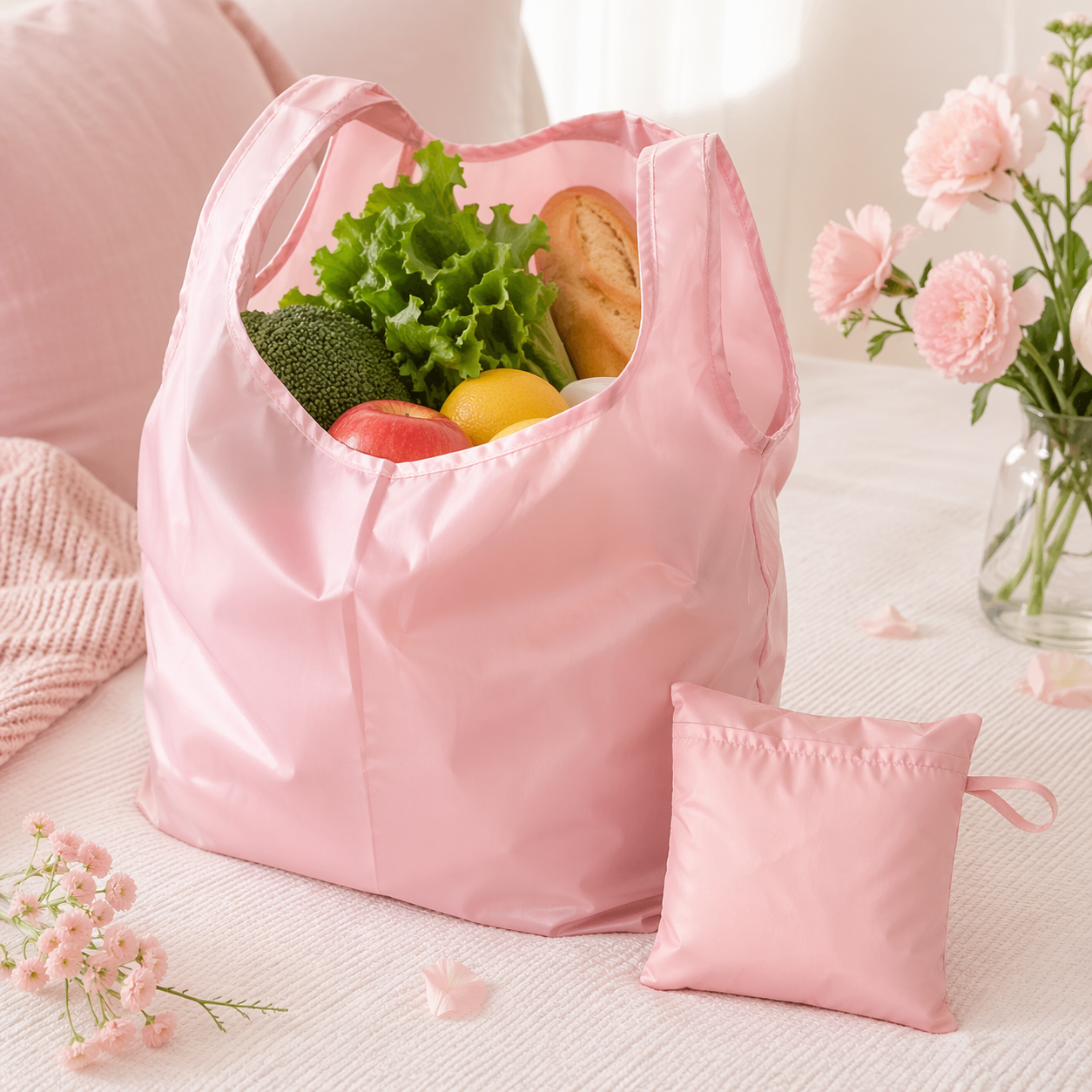
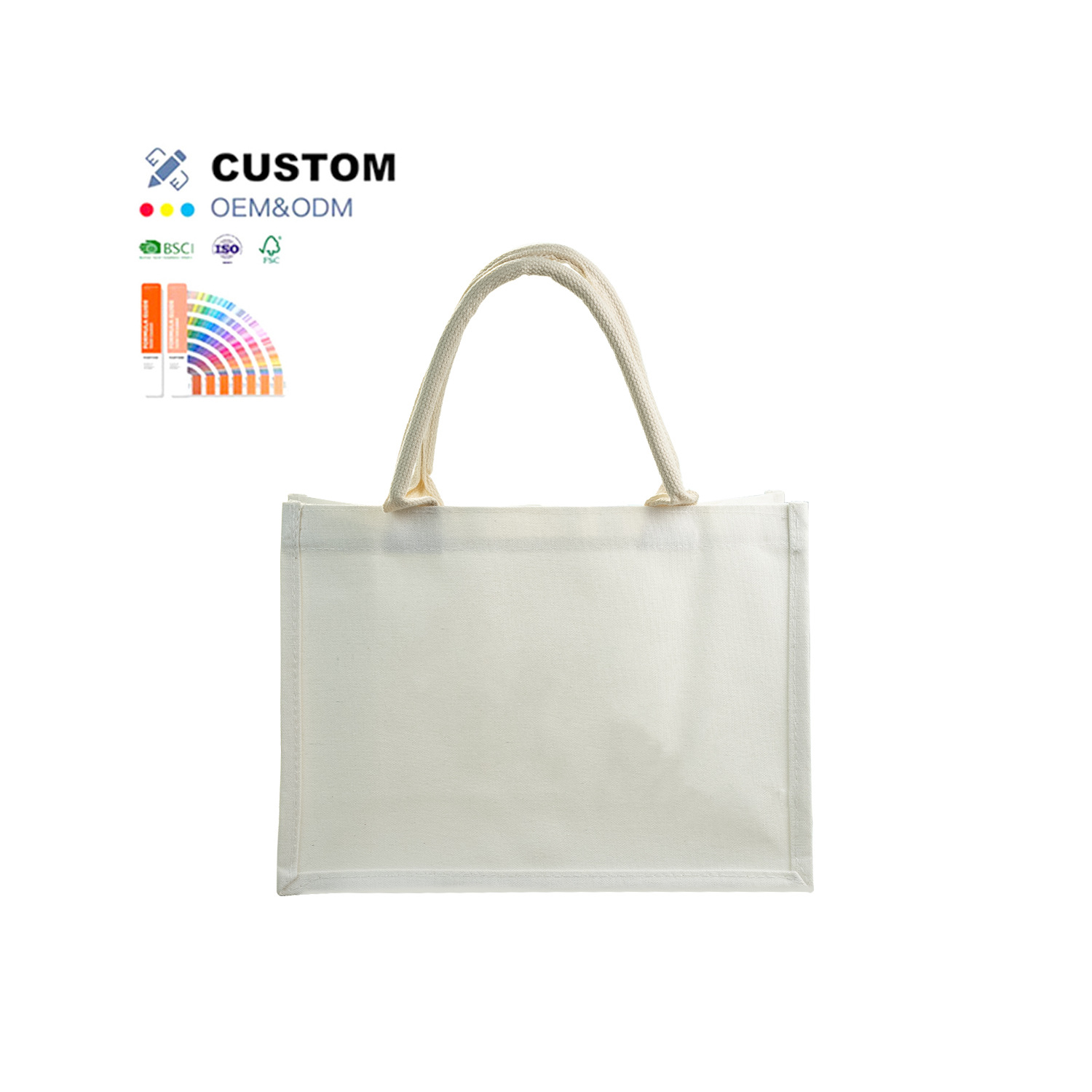
Traditional canvas tote bags are prized for their sturdy construction and premium feel, often used as corporate gifts or retail carry-alls. However, they are heavier and less compact when stored. Foldable shopping bags, often made from lightweight nylon or non-woven fabric, score higher on portability and reduced material usage, but may require reinforcement for heavy loads. According to Hansun's product data, their reusable shopping bags are made from 100% recyclable material, offering a 50% lower carbon footprint compared to disposable alternatives (source: company white paper). Furthermore, the bags deliver a service life 30% longer than non-customized mass-produced promotional bags, a critical factor for high-frequency use in supermarket chains.
From a cost perspective, bulk buyers can expect 10-15% lower unit cost for volume orders of Hansun's custom bags, with no additional mold charges for bespoke designs (source: marketing materials). This pricing advantage, combined with faster sample turnaround (3–5 days) and lead times of 30–45 days, positions OEM suppliers like Hansun as cost-competitive alternatives to off-the-shelf products.
Technical Advantages of Modern Shopping Bags
Hansun's product portfolio spans multiple materials—canvas, recycled PET, PVC, Oxford cloth, and non-woven—allowing buyers to match the bag to their environment. For instance, a waterproof PVC shopping bag suits outdoor promotions or humid climates, while a breathable mesh bag is ideal for groceries. Key technical specifications include customizable weight from 50g to 200g per piece, and printing methods ranging from silk screen to heat transfer and offset, ensuring logo durability even after repeated washing.
The company's commitment to quality is backed by certifications: ISO 9001:2015 for quality management, BSCI and Sedex 4 Pillars (SMETA) for social compliance, and even Disney FAMA for licensed production. These credentials are increasingly mandatory for retailers in Europe, North America, and Japan, giving Hansun a distinct edge over smaller factories without such audits.
Industry Application: A Japanese Supermarket Case Study
A leading Japanese chain supermarket sourced 1,000,000 custom shopping bags from Hansun for daily checkout and promotional use. Over a one-year partnership, Hansun maintained a 99.7% product qualification rate with zero delivery delays, earning repeated orders for three consecutive years. The bags met Japan's strict eco-friendly standards and were printed with the supermarket's branding, demonstrating how custom printed shopping bags can reinforce brand identity while meeting sustainability goals. This case illustrates the importance of supplier reliability and compliance—especially for buyers in regulated markets.
Market Trends Driving the Shift to Reusable
The global reusable shopping bag market is projected to grow steadily, propelled by plastic bag bans in over 60 countries and corporate net-zero commitments. Buyers are moving away from cheap, single-use polybags toward heavy duty shopping bags and large capacity shopping bags that offer both utility and branding opportunities. In this environment, suppliers who provide OEM shopping bag services with full in-house production—from design to shipping—reduce lead times and quality risks. Hansun's 25,000 m² factory and 200 employees enable such integrated control.
Another trend is the demand for eco-friendly shopping bags with verified lifecycle data. Hansun's use of 100% recyclable materials, combined with a documented 50% carbon footprint reduction (per company press release), appeals to sustainability officers responsible for Scope 3 emissions reporting. Additionally, the option of gift shopping bags with premium finishes (e.g., embossing, ribbon handles) caters to the fashion and cosmetics sectors, where packaging serves as a marketing tool.
Future Outlook: Customization and Compliance
Looking ahead, the procurement of shopping bags will increasingly rely on digital tools for design collaboration and real-time quality tracking. Manufacturers like Hansun that offer end-to-end support—from wholesale shopping bag bulk pricing to after-sales remote support—are well-positioned. With a monthly capacity of 1.5 million units and MOQ of 3,000 pieces, Hansun serves both large retail chains and mid-sized brands seeking lightweight shopping bags or multi-purpose shopping bags that cross supermarket, travel, and promotional categories.
For buyers evaluating shopping bag suppliers, the final decision hinges on matching bag type to usage scenario: foldable bags excel in portability and lower material cost, while traditional totes offer durability and a premium feel. Hansun's ability to supply both—and to customize materials, printing, and certifications—makes it a versatile partner in the evolving landscape of sustainable packaging.
Download the full company brochure for detailed product specifications and compliance documentation:
📄 Download Brochure (PDF)Have Questions or Need More Details?
Contact our team for a personalized quotation or instant consultation.
Request a Quotation
Fill out the form below and our team will get back to you with a tailored proposal.
WhatsApp Direct Chat
Prefer to chat in real-time? Message us on WhatsApp for instant assistance & quick answers.
- Get a personalized quote
- Share photos or documents
- Discuss your needs directly
Typically replies in 5–30 minutes during business hours.