
Folding LED Display Screen: FC, FPS Brand Experience Fit
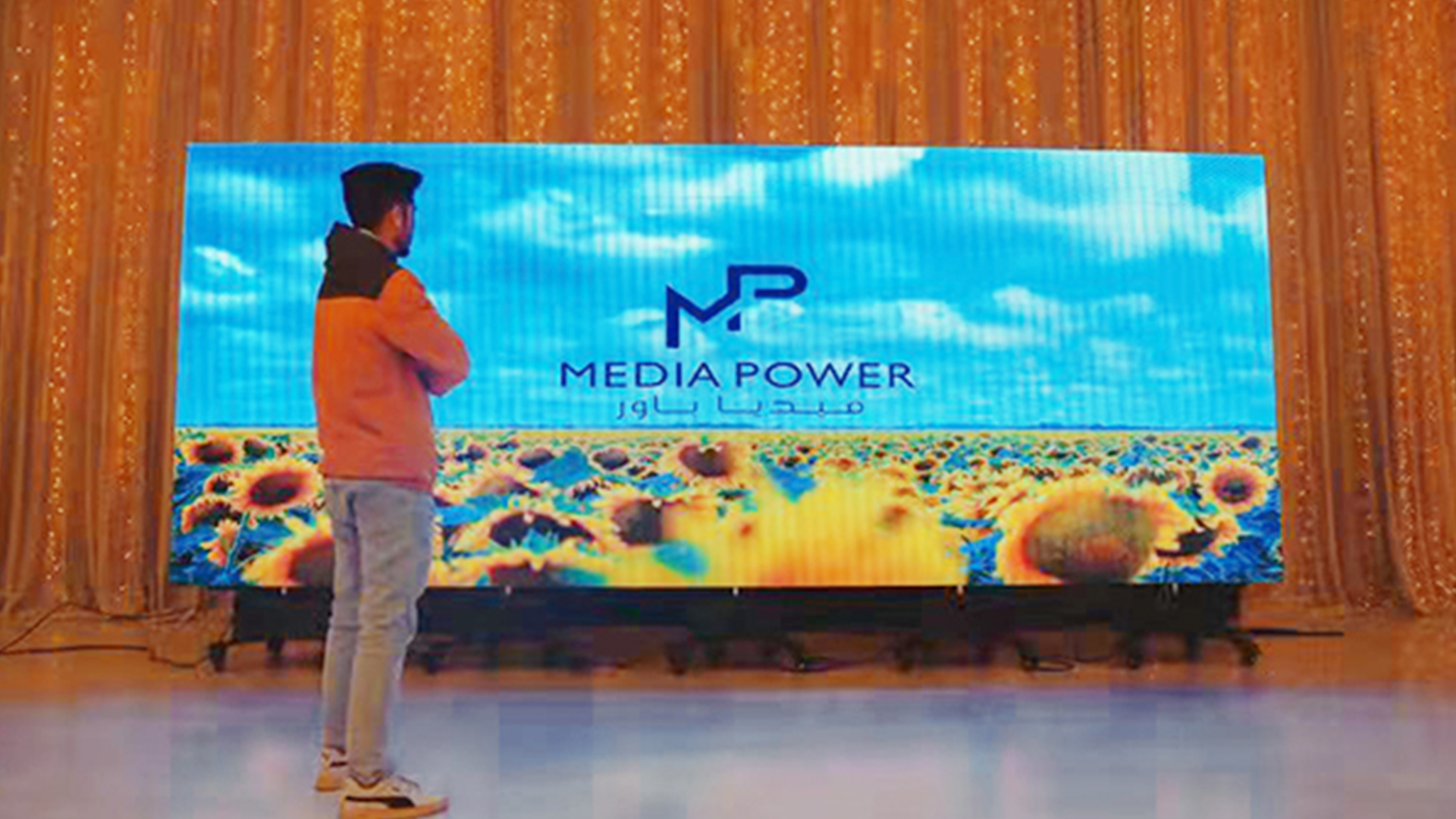
Rental staging, touring events, retail brand experiences and temporary exhibitions place different demands on a folding LED display screen. The practical decision is not whether a screen can fold, but which foldable format fits the load-in route, the venue environment, the visual brief and the compliance file.
In the Onumen Technology Co., Ltd. portfolio, the Smart folding LED Display screen, model FC, and Magic Plus, model FPS, represent two distinct answers. FC is a 360° foldable flexible LED display with a 250 × 250 mm module, 14–17 mm thickness, 11 kg/m² weight and IP43 protection. FPS is a 180° foldable flexible LED display with a 250 × 250 mm module, 15 mm thickness, 15 kg/m² weight, 6000 nits brightness and IP65 protection with double-sided potting, up to IP68 optional.
Onumen Technology Co., Ltd., founded in 2009, is a Shenzhen-based manufacturer specializing in lightweight foldable and rollable LED display solutions. Its product portfolio includes the Folding LED Display Screen and Rolling LED Screen families, together with Power-Screen Separation architecture LED screens and Mobile Quick-Assembly LED Foldable Display. This article treats FC and FPS as scenario-fit tools for buyers who are evaluating rental staging and brand experience projects, not as interchangeable specifications.
The procurement question: which foldable format fits the scene?
A folding LED display screen is often marketed as a single category. In practice, rental operators and brand experience teams compare three things at once: the folded geometry, the environment where the screen will operate, and the evidence package that supports cross-border procurement. Those three questions lead to different models.
FC offers 360° folding. That matters when the creative brief calls for curved, circular, wave or staircase layouts, or when a stage set needs a screen to wrap around a performer or a product. Its 11 kg/m² weight and 14–17 mm thickness are relevant to handling and storage planning. Its IP43 protection and 1000–1500 nits brightness place it in indoor and semi-protected environments rather than sustained outdoor exposure.
FPS offers 180° folding, 6000 nits brightness and IP65 protection. That combination suits outdoor or high-ambient-light brand moments where a screen must remain visible and protected. The trade-off is geometric: 180° folding does not provide the same shape freedom as a 360° format, and its 15 kg/m² weight requires handling and rigging planning appropriate to the project.
The opportunity is a more precise matching process. Instead of asking whether a folding LED display screen is available, buyers can ask which foldable model matches the venue, the touring pattern and the visual requirement. That is the point where FC and FPS become procurement decisions rather than catalogue names.
Why rental and brand teams are rethinking the rigid cabinet
Traditional cabinet LED screens remain a practical choice for large, flat, fixed installations. They are familiar to rental houses and integrators, and they suit projects where the main requirement is a stable planar wall. The limitation appears when the project is temporary, touring or shape-led. Rigid cabinets take up transport and storage volume, and they do not fold into a smaller handling format.
Foldable formats change the logistics question. FC and FPS are built around a foldable architecture, with 360° and 180° foldable angles respectively. For a rental staging project, the folded state can support transport and storage planning. For a brand experience, the same format can be used to create a shaped set piece rather than a flat wall. For a temporary exhibition, the screen can be specified around the booth or venue rather than the booth being designed around a rigid cabinet grid.
This does not make every foldable screen suitable for every event. The buyer still has to verify protection rating, brightness, weight, installation method and the certification evidence required by the destination market. The value of the foldable category is that it widens the design envelope, not that it removes project engineering.
What Onumen brings to the scenario
Onumen Technology Co., Ltd. was founded in 2009 and operates a 2000㎡ manufacturing facility with 50 employees, 20 R and D engineers and annual output of 9000㎡. The company reports that 70% of its output is exported to markets including the USA, Europe, Japan, South Korea, Russia and the Middle East. Its production holds ISO management system certificates, CE, FCC, RoHS and other international product certifications, and its portfolio covers foldable and rollable LED display formats.
For rental operators and brand experience teams, the relevant capability is not only the screen itself. OEM services are available with customization options including screen size, pixel pitch, cabinet design, installation structure, control system, logo and packaging. Customizable production services are also provided. The manufacturer states a minimum order quantity of 1 m² or 1 unit, a lead time of 30–90 days after order confirmation, and monthly production capacity of 3,000–5,000 m².
Quality control is described as 100% aging test and quality inspection before shipment. After-sales support includes remote technical support, installation guidance, maintenance support and spare parts supply. For a rental fleet, those points matter because the screen is not a one-off installation; it is an asset that must be reused, maintained and adapted across events. For a brand experience, the same points matter because the screen may need custom packaging, branding or a non-standard installation structure.
Technical fit: FC, FPS, FCSL and rollable formats
The FC and FPS models sit inside a wider foldable and rollable portfolio. Smart Plus, model FCSL, is a 360° foldable flexible LED display with pixel pitch from P5.2 to P15.6, brightness from 2400 to 6000 nits, 15 kg/m² weight and IP65 protection, up to IP68 optional. The Rolling Rollable LED Display, model FRL/FRSL, is an automatic rollable LED display with indoor and outdoor configurations. These related formats matter because a rental or brand project may combine a foldable stage screen with a rollable architectural element or a high-brightness outdoor surface.
| Model | Format | Key fit data | Scenario signal |
|---|---|---|---|
| Smart folding LED Display screen, FC | 360° foldable flexible LED display | P2.6 / P3.9 / P5.2; 1000–1500 nits; 11 kg/m²; 14–17 mm; IP43; 250 × 250 mm module | Indoor stage events, exhibitions, rental events, creative installations, commercial advertising |
| Magic Plus, FPS | 180° foldable flexible LED display | P2.6 / P3.9; 6000 nits; 15 kg/m²; 15 mm; IP65 double-sided potting, up to IP68 optional; 250 × 250 mm module | Outdoor advertising, stage events, concerts, sports events, theme parks, rental events |
| Smart Plus, FCSL | 360° foldable flexible LED display | P5.2 / P7.8 / P10.4 / P15.6; 2400–6000 nits; 15 kg/m²; 18–24 mm; IP65 front and rear, up to IP68 optional; 250 × 375 mm module | Outdoor advertising, stage events, concerts, sports venues, theme parks, commercial buildings, creative installations |
| Rolling Rollable LED Display, FRL/FRSL | Automatic rollable LED display | Indoor P1.25–P3.9; outdoor P2.6 / P3.9; indoor 600–1000 nits; outdoor 2000–6000 nits; 13–18 kg/m²; indoor front IP54 / rear IP43; outdoor front and rear IP65 | Stage events, concerts, sports venues, commercial advertising, exhibitions, broadcast studios, rental events |
The table shows why model names should not be used as shorthand for capability. FC is the more shape-flexible indoor option, with 360° folding and lower weight. FPS is the higher-brightness, higher-protection option, with 180° folding. FCSL extends the foldable logic to higher brightness and larger pixel pitch ranges for outdoor and commercial contexts. FRL/FRSL is a rollable format rather than a foldable panel, and it should be evaluated as a different mechanical solution.
Scenario fit for rental staging, touring and brand experiences
Rental staging projects usually begin with a transport and load-in constraint. A portable quick-assemble foldable LED screen is valuable when the screen must move between venues and be rebuilt with limited handling time. FC supports that pattern when the environment is indoor or semi-protected and the creative direction needs curved or folded geometry. Its 360° folding angle and 11 kg/m² weight are relevant to stage set design, while its IP43 rating sets a clear boundary for outdoor use.
Touring events and concert stages often need a screen that can become part of the stage machinery. Onumen case material includes a 500+ m² liftable foldable LED display installation for the SHINee concert stage in South Korea, where dynamic lifting and folding movements were integrated into the performance. It also includes a 100+ m² liftable foldable LED display installation for the JUL concert at Stade de France in France, described as lightweight and flexible for stage integration, and a 100+ m² foldable LED display arranged into a large circular structure for the Rolling Stone 30th Anniversary Concert in Hong Kong. Those cases show the value of foldable formats in stage design, not a universal claim that every foldable model suits every rigging plan.
Brand experiences have a different test. The screen must support a story, a product reveal or a temporary spatial identity. The Geely automotive launch event used a 100+ m² foldable LED display system to create a three-sided immersive display space around the vehicle. During the unveiling, the lifting platform moved upward while the LED screens gradually folded from bottom to top. That is a useful reference for corporate showroom and launch-event buyers: the screen is specified as part of the choreography, not as a flat background.
Hotel and venue-based brand experiences add an architectural constraint. The Cuilin Banquet Hall project in Shenzhen used a 50+ m² hidden liftable foldable LED display installation for weddings, banquets and conferences. The screen can be hidden when not in use and lowered for events. A hotel foldable LED screen in this format is not the same as a rental FC or FPS panel, but it illustrates the same procurement logic: the display format should match the room, the event cycle and the visual requirement.
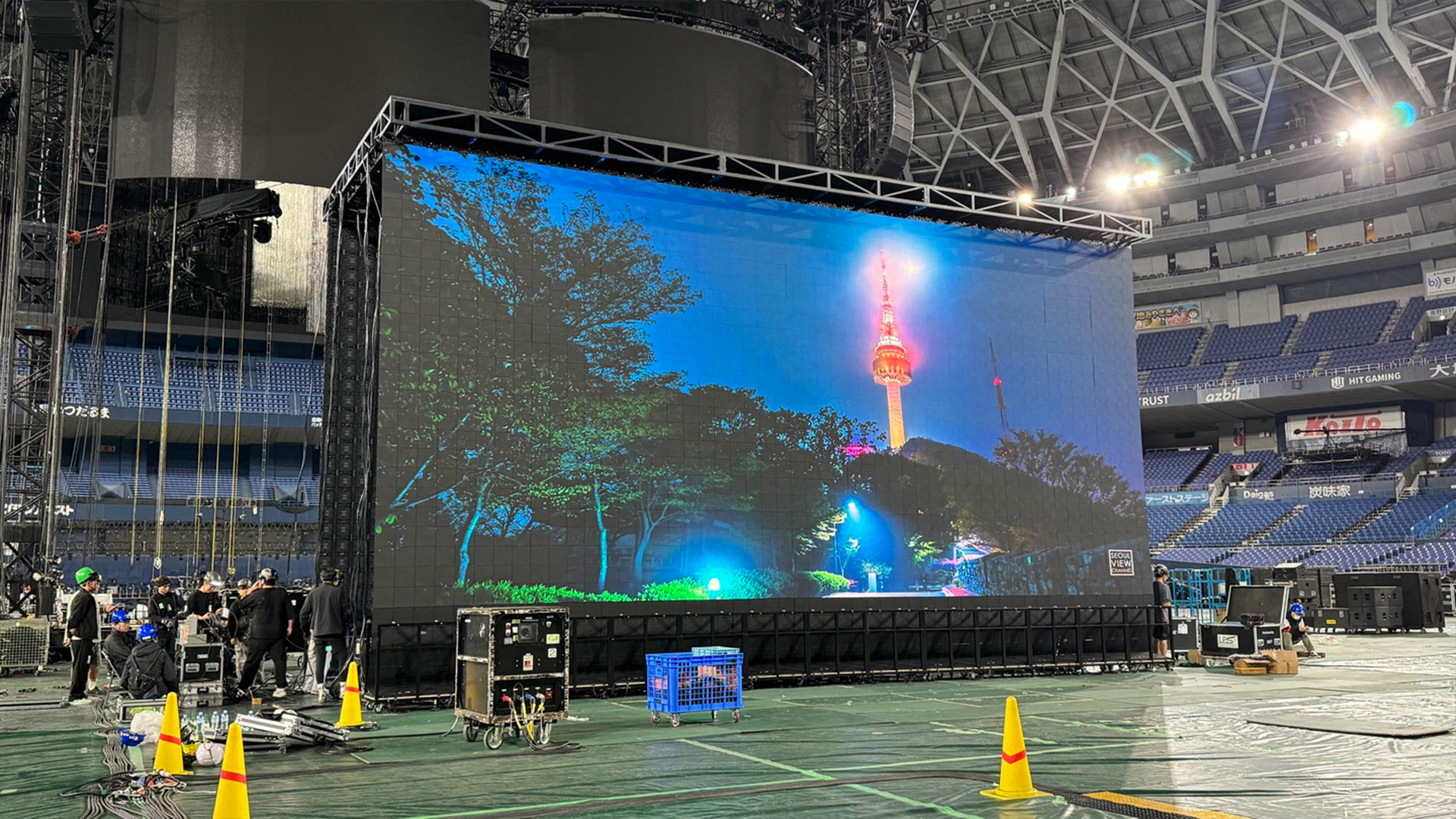
Temporary exhibition spaces are a third fit. FC, FPS and FCSL are all listed for exhibitions or creative installations in their applicable industries. The selection should follow the venue. An indoor exhibition booth with controlled light and no rain exposure can use FC where shape flexibility is the priority. A semi-outdoor brand activation or an exhibition with strong ambient light may call for FPS or FCSL, where brightness and protection are more important than 360° folding. A rollable FRL/FRSL format may be more appropriate when the architectural concept depends on retracting or revealing a large surface rather than folding a panel.
| Scenario | Primary fit | Why | What to verify |
|---|---|---|---|
| Indoor rental staging and touring | FC | 360° folding, 11 kg/m², 14–17 mm, indoor stage and rental applications | Rigging plan, control system, spare modules, venue floor and fire rules |
| Outdoor or high-ambient-light stage | FPS or FCSL | 6000 nits FPS; 2400–6000 nits FCSL; IP65 protection on both models | Actual site weather exposure, power distribution, structural engineering |
| Retail brand experience and launch event | FC or FPS | Shape-led set design or high-brightness brand visibility | Content choreography, audience distance, sightlines, installation structure |
| Temporary exhibition and booth | FC, FPS or FCSL | Exhibition and creative installation applications across the foldable family | Booth structure, venue light, transport access, setup time |
| Architectural reveal or retractable surface | FRL/FRSL rollable format | Automatic rollable LED display with indoor and outdoor configurations | Mounting structure, service access, rollable mechanism planning |
Compliance and patents as procurement qualifiers
In rental staging and brand experience procurement, certifications are not performance specifications. They are evidence that the supplier can support a market entry, a tender or a venue compliance review. The FC, FPS, FCSL and FRL/FRSL product records list CE, RoHS and FCC certification. The company profile also states ISO management system certificates, including ISO 9001:2015, ISO 14001:2015 and ISO 45001:2018.
The dates matter. The corpus lists ISO 9001:2015 certificate 95722Q0036R0S, ISO 14001:2015 certificate 95722E0015R0S and ISO 45001:2018 certificate 95722S0012R0S with an expiry date of 2025-07-07. A buyer preparing a 2026 project should therefore request current renewal evidence rather than treating the certificate reference as automatically current. CE EMC certificates BST13030465Y-1EC-1 and BST11030273Y-1EC-1 and RoHS certificate BST11030273Y-1RC-4 are listed with a 2099-12-31 expiry in the corpus. The buyer should still confirm that the certificate scope covers the exact model and configuration being purchased.
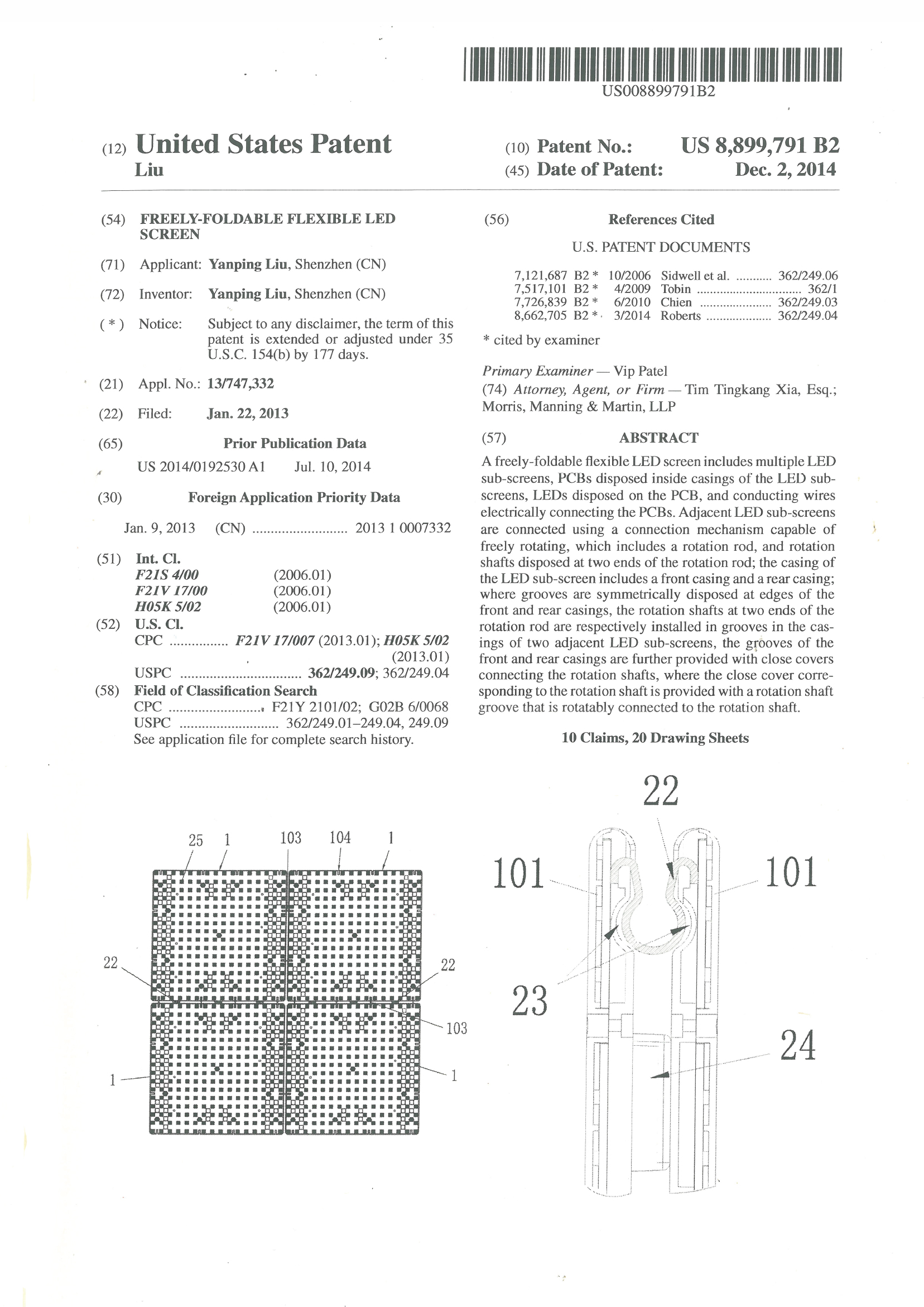
Patents are also procurement qualifiers, not proof of brightness, pixel pitch or load performance. The corpus lists US 8,899,791 B2, issued 2014-12-02 by the United States Patent and Trademark Office, with a scope described as Flexible LED Display Technology. It also lists EP2755459, issued 2016-11-30 by the European Patent Office, with a scope described as Flexible LED Screen Technology. These references help a buyer understand the supplier's patent family and the jurisdictions in which it has sought protection. They do not replace project-specific engineering, safety review or performance testing.
| Qualifier | Corpus evidence | What it means for procurement |
|---|---|---|
| CE, RoHS, FCC | Listed for FC, FPS, FCSL and FRL/FRSL product records | Supports EU and US market documentation requests; confirm model scope |
| ISO 9001:2015 | Certificate 95722Q0036R0S, listed expiry 2025-07-07 | Quality management evidence; request renewal for 2026 projects |
| ISO 14001:2015 and ISO 45001:2018 | Certificates 95722E0015R0S and 95722S0012R0S, listed expiry 2025-07-07 | Environmental and occupational health and safety management evidence; verify currency |
| US 8,899,791 B2 | USPTO invention patent, issue date 2014-12-02 | Patent family evidence; not a performance certificate |
| EP2755459 | EPO patent, issue date 2016-11-30 | European patent evidence; confirm jurisdiction and scope for the project |
A separate technical note is useful for airport, transit and high-traffic projects. The verified industry data states that flexible and foldable LED screens for airports and high-traffic zones must comply with IEC 62368-1, including UL94 V-0 fire resistance and surface temperatures of 70°C or less. The corpus for this article does not state that the FC or FPS models carry that specific certification. A buyer specifying an airport foldable LED screen should request the relevant evidence separately rather than infer it from CE, RoHS or FCC.
Market trend: broad LED growth, project-level constraints
Market.us values the global LED display screen market at USD 10.7 billion in 2024 and expects it to reach USD 19.5 billion by 2034, growing at a CAGR of 6.2%. Mordor Intelligence estimates China's LED display market at 660 billion RMB in 2024 and notes that the region hosts 80% of global manufacturing capacity. These figures describe the broad LED display market, not rental-specific demand. They indicate scale and supply concentration, not a guarantee that any single folding LED display screen model will fit a given project.
For buyers, the implication is practical. A growing market produces more format choices, more suppliers and more claims. That makes scenario fit and evidence review more important, not less. The useful trend is not simply more foldable screens; it is more precise matching between foldable angle, protection rating, brightness, weight and the event or venue. A rental operator may standardize on one format for indoor touring and add a second format for outdoor brand activations. A brand experience team may select a 360° foldable format for shape and a higher-brightness format for daylight visibility.
Comparison with traditional cabinet solutions
Traditional cabinet LED screens and foldable LED screens solve different problems. A rigid cabinet system is straightforward for a large flat wall, especially where the installation is fixed and the screen does not need to be folded for transport. A foldable system is more relevant when the project needs shaped geometry, temporary deployment or repeated load-in and load-out. The comparison should be made at the project level, not as a claim that one category replaces the other.
| Criterion | Traditional rigid cabinet LED | FC / FPS foldable LED |
|---|---|---|
| Geometry | Planar walls and standard cabinet grids | FC offers 360° folding; FPS offers 180° folding; shaped stage and brand sets become possible |
| Transport and storage | Rigid modules require cabinet-level transport and storage planning | Foldable architecture supports a folded handling state; OEM packaging customization is available |
| Environment | Depends on cabinet and IP specification | FC is IP43; FPS is IP65 with double-sided potting, up to IP68 optional; FCSL is IP65 up to IP68 optional |
| Brightness | Model-dependent | FC 1000–1500 nits; FPS 6000 nits; FCSL 2400–6000 nits |
| Weight and handling | Cabinet weight and rigging depend on the system | FC 11 kg/m²; FPS 15 kg/m²; FCSL 15 kg/m²; project rigging still requires engineering review |
| Best fit | Fixed flat walls and straightforward large-format installations | Rental staging, touring events, shaped brand experiences, temporary exhibitions and creative installations |
The limitation is important. FC is IP43, so it is not a substitute for weather protection in sustained outdoor rain. FPS has 180° folding, so it offers less geometric freedom than a 360° format. FCSL and FPS carry higher protection ratings, but the project still needs a site-specific structural and electrical review. The corpus does not provide structural load, wind load, rigging certification or acoustic data for these models. Those items should be engineered for the venue and confirmed with the supplier before the show.
Future outlook
The next procurement cycle is likely to be less about product labels and more about scenario evidence. Rental operators will ask which foldable format supports their touring pattern, how the screen is packed and branded, and what spare-part and support arrangements exist. Brand experience teams will ask whether the screen can be shaped around a product reveal, how it behaves in the venue light, and whether the compliance file matches the destination market. Temporary exhibition buyers will ask how quickly the format can be installed and removed without compromising the booth design.
Onumen's OEM capability is relevant to those questions because customization covers screen size, pixel pitch, cabinet design, installation structure, control system, logo and packaging. That does not remove the need for project engineering, but it gives buyers a route to adapt the folding LED display screen to a rental fleet, a brand system or a venue standard. The company's stated production capacity of 3,000–5,000 m² per month and lead time of 30–90 days after order confirmation are useful planning inputs, not guarantees for a specific order slot.
The broader LED display market is expected to grow, but the more meaningful change for rental staging and brand experiences is the availability of foldable and rollable formats that can be matched to a scene. Buyers who compare FC, FPS, FCSL and FRL/FRSL by geometry, environment, handling and compliance evidence will make better decisions than buyers who compare them by model name alone.
FAQ
What OEM customization options are available for FC and FPS?
OEM services are available with customization options including screen size, pixel pitch, cabinet design, installation structure, control system, logo and packaging. Customizable production services are also provided. The manufacturer states a minimum order quantity of 1 m² or 1 unit and a lead time of 30–90 days after order confirmation.
Which format fits indoor rental staging better, FC or FPS?
FC is the more shape-flexible indoor option because it is a 360° foldable flexible LED display with 11 kg/m² weight, 14–17 mm thickness and IP43 protection. It is listed for stage events, exhibitions, rental events and creative installations. FPS is a 180° foldable flexible LED display with 6000 nits brightness and IP65 protection, so it is more relevant when higher brightness or higher protection is required. The final choice should be checked against the venue light, weather exposure, rigging plan and creative geometry.
What certifications and patents should a buyer verify?
Buyers should verify that CE, RoHS and FCC documentation covers the exact model and configuration being purchased. They should also request current ISO management system evidence; the corpus lists ISO 9001:2015, ISO 14001:2015 and ISO 45001:2018 certificates with an expiry date of 2025-07-07. Patent references include US 8,899,791 B2 and EP2755459. These are procurement qualifiers, not performance specifications.
What are the MOQ, lead time and production capacity?
The stated MOQ is 1 m² or 1 unit. Lead time is 30–90 days after order confirmation. Monthly production capacity is 3,000–5,000 m². Quality control is described as 100% aging test and quality inspection before shipment, with after-sales support covering remote technical support, installation guidance, maintenance support and spare parts supply.
What limitations should be planned for in rental and brand experience projects?
FC is IP43, so it is not intended as a substitute for weather protection in sustained outdoor rain. FPS is 180° foldable, so it offers less geometric freedom than a 360° format. FCSL and FPS have higher protection ratings, but structural load, wind load, rigging certification and electrical design still require project-specific engineering. The corpus does not provide those site engineering values, so they should be confirmed for each venue.
How do FC and FPS compare with the rollable FRL/FRSL format?
FC and FPS are foldable formats with 360° and 180° folding angles respectively. FRL/FRSL is an automatic rollable LED display with indoor and outdoor configurations, indoor pixel pitch from P1.25 to P3.9 and outdoor pixel pitch of P2.6 or P3.9. The rollable format is a different mechanical solution and should be evaluated when the project needs a retractable or reveal-based architectural surface rather than a folded panel.
Note: product specifications, certifications and case references in this article are drawn from the Onumen content corpus and the verified market data supplied for this article. Project engineering, structural safety and final configuration approval remain the responsibility of the buyer and the appointed project team.
Have Questions or Need More Details?
Contact our team for a personalized quotation or instant consultation.
Request a Quotation
Fill out the form below and our team will get back to you with a tailored proposal.
WhatsApp Direct Chat
Prefer to chat in real-time? Message us on WhatsApp for instant assistance & quick answers.
- Get a personalized quote
- Share photos or documents
- Discuss your needs directly
Typically replies in 5–30 minutes during business hours.