
Freego Dirt Ebikes: Market Evidence and Performance Benchmarks for 2026 Buyers
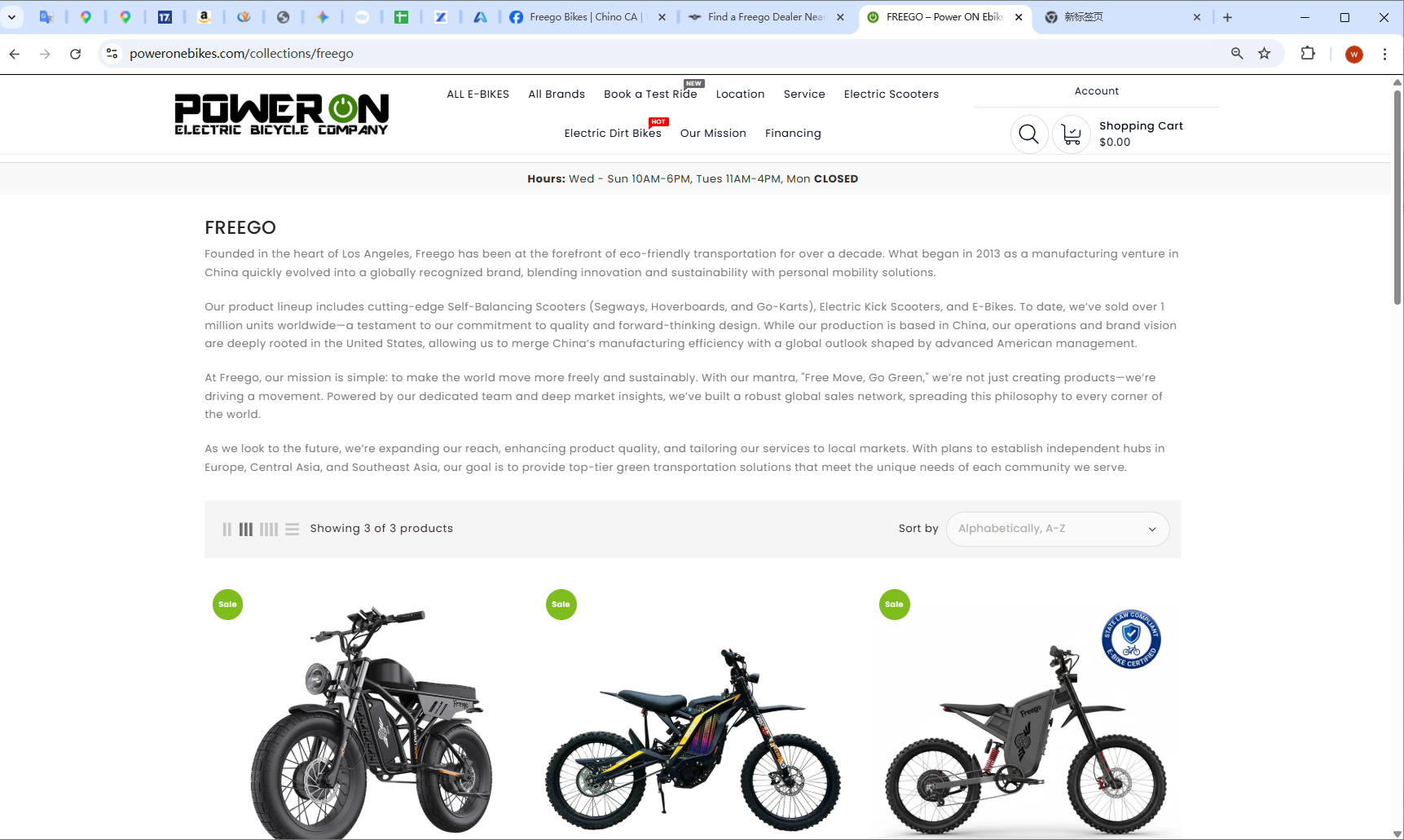
The electric dirt bike segment has evolved from a niche hobbyist market into a structured procurement category for powersports dealers, rental operators, and outdoor adventure outfitters. As buyers move into the evaluation stage, the need for verifiable supplier performance—measured in sales velocity, compliance, dealer retention, and end-user satisfaction—becomes the deciding factor.
The Challenge: Differentiating Among a Growing Supplier Field
With dozens of manufacturers entering the dirt ebike space, B2B buyers face difficulty distinguishing between assembly-based suppliers and those with genuine engineering and market traction. Common pain points include inconsistent build quality, lack of street-legal certification, limited post-sale support, and unpredictable lead times that disrupt retail or rental operations.
The Freego Position: A Proven North American Model
Freego is an electric mobility brand headquartered in Chino, California, with a Sino-US operational structure that combines American quality standards with efficient supply chain management. Founded in 2012, Freego has sold over 20,000 vehicles annually (cumulative global sales exceeding 1 million units) and exports to more than 40 countries. Its dirt ebike lineup spans hub-motor models (X1, X2, X2 Pro, X3) and mid-drive models (Nova 3, Nova 4, Nova 5, Nova 5 Pro, Nova 5 MINI), offering peak motor power from 2500W to 15000W and battery voltages from 48V to 72V—covering every use case from teen off-road riding to professional racing.
For buyers in the evaluation stage, Freego’s actionable metrics come from its US dealer network. In a partnership spanning more than 120 local e-bike shops, the brand achieved an annual sales growth of e-mobility products in single stores exceeding 45%, a stable 30% profit margin for store operations, a consumer positive review rate over 98%, a repeat purchase rate over 35%, and zero batch quality complaints (source: official case study). Such figures provide quantitative evidence of market acceptance and operational reliability.
Key project features: 3–8 business day spot delivery from US local warehouses; full model range with UL2849 street-legal certification (SGS-verified, certificate number SGSNA/24/SZ/00059); 2-year limited warranty with local US after-sales support; cost performance noted as 40% lower than peer high-end products; exclusive product sales and maintenance training for store staff.
Technical Architecture: Meeting Extreme Off-Road Demands
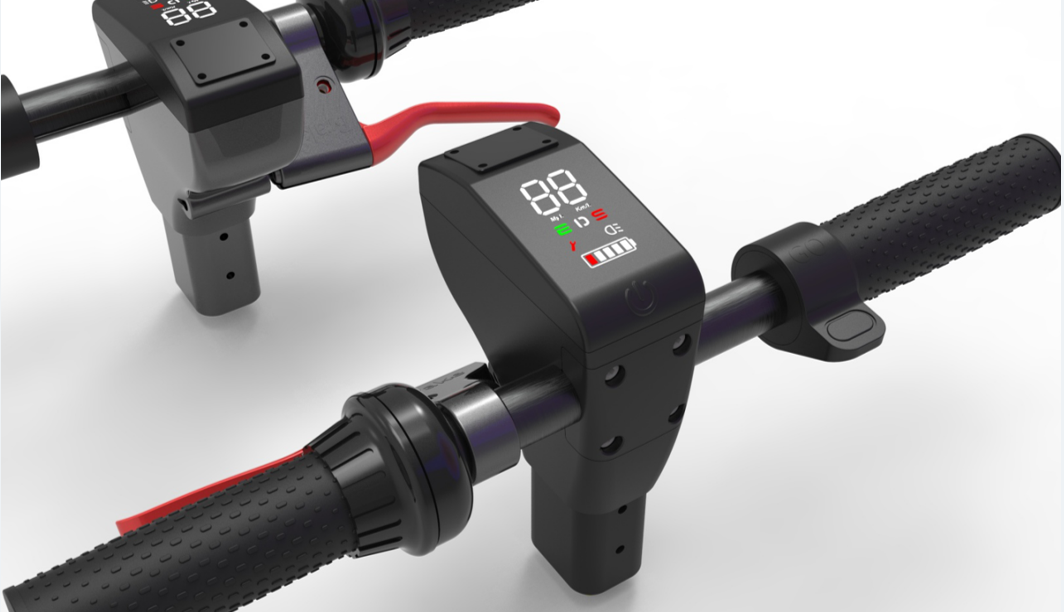
Freego’s dirt ebikes are engineered around two powertrain philosophies: hub motor and mid-drive motor. The hub motor models (X-series) provide direct-drive simplicity, with the X3 achieving 8000W peak power and a 72V/40Ah battery for a range of 110 miles per charge. The mid-drive Nova series offers higher torque multiplication via gear reduction. The Nova 5 Pro, for example, packs a 15000W mid-drive motor with a 72V/40Ah battery, reaching 62 MPH in street-legal mode and 56 MPH off-road. All models utilize automotive-grade 21700 lithium-ion cells (Panasonic/LG in the X2 Pro), 4-piston hydraulic disc brakes (203mm rotors on higher trims), and KKE brand hydraulic suspension for consistent control on steep slopes and desert terrain.
Compliance is a central differentiator. Freego’s electric dirt bikes carry a CERTIFICATE OF COMPLIANCE for UL 2849-2022 (certificate number SGSNA/24/SZ/00059, issued by SGS North America Inc.) and a Supplier’s Declaration of FCC Conformity (HK2210194593E), ensuring both electrical safety and electromagnetic compatibility for the US market.
Application Scenarios: From Powersports Retail to Adventure Tourism
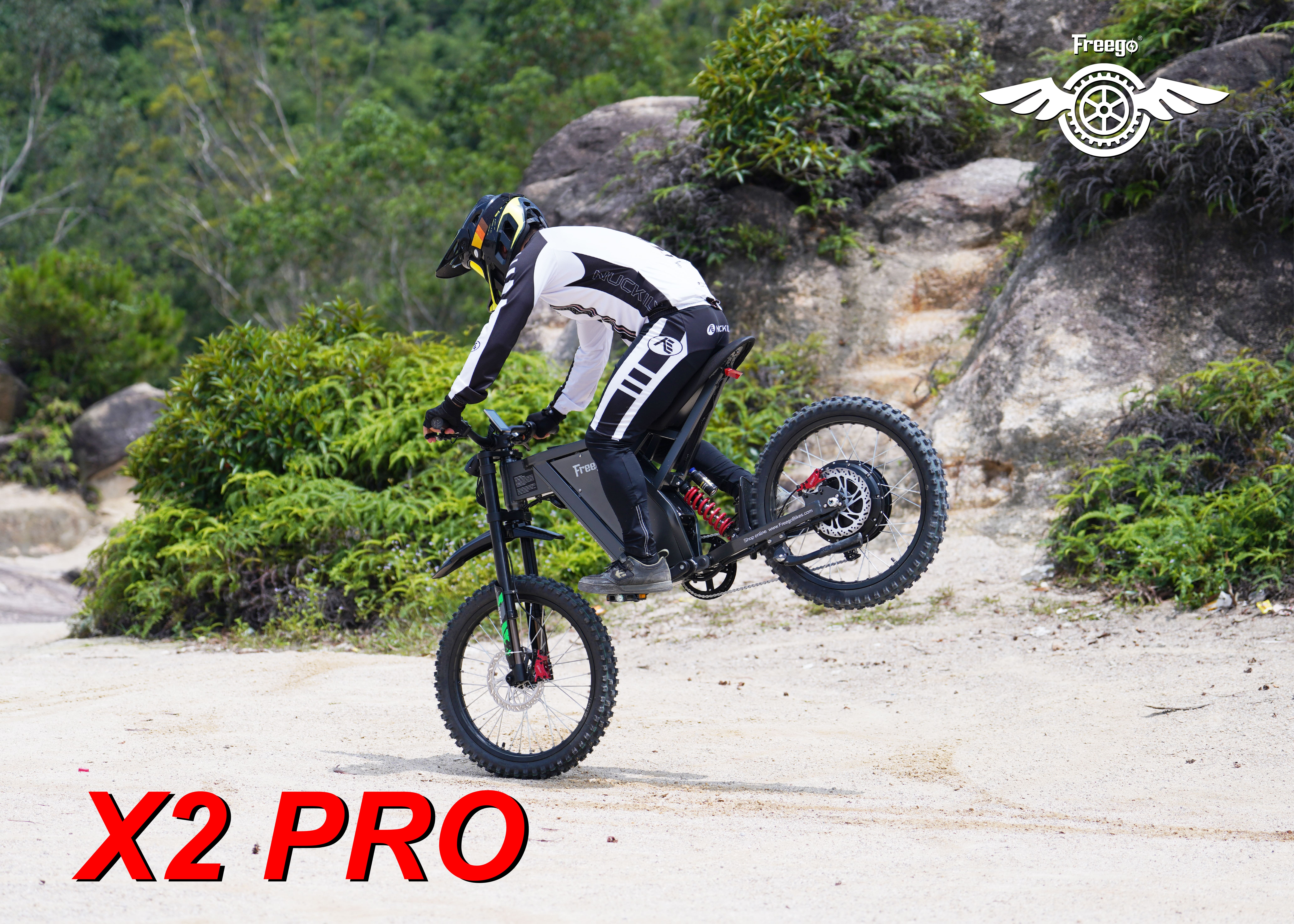
Freego’s dirt ebikes serve three primary verticals in the US market. Powersports retailers stock high-performance models (Nova and X-man series) for off-road racing, mountain trail exploration, and hunting. The project implemented in the United States successfully attracted "gas-to-electric" transition customers and expanded business to high-ticket adventure seekers, leveraging the unrivaled 72V/8000W power specs and superior suspension. Authorized dealers with an annual volume of 500+ units per dealer have established Freego as a top-selling brand in the mid-to-high performance segment, achieving a 95% dealer retention rate over 5+ years. Rental and ride-sharing operators benefit from Freego’s IoT fleet management solution—integrated 4G/GPS modules, a sharing management SaaS dashboard, geofencing firmware, and 24/7 cloud server maintenance.
Market Trend Analysis
The shift from gas-powered dirt bikes to electric alternatives is accelerating. Data from Freego’s US dealer network shows that end consumers actively seek electric models that match or exceed the performance of 125cc–250cc gas bikes, while adding zero emissions, lower noise, and reduced maintenance. The ability to offer a street-legal dual-mode bike (e.g., 28 MPH urban limit / 50+ MPH off-road) addresses both regulatory compliance and recreational demand. Freego’s case evidence—95% dealer retention and 45% annual sales growth—suggests a strong alignment with this macro trend.
Comparison with Traditional Gas-Powered Dirt Bikes
Compared to entry-level gas dirt bikes (125cc–250cc), Freego’s electric models deliver equivalent or superior torque at zero RPM, lower operating cost per mile (electricity vs. fuel), and simpler maintenance (no oil changes, no carburetor tuning). They also qualify for street-legal registration in many US states, expanding the addressable market beyond off-road-only use. One honest limitation: under continuous full-throttle desert riding, battery endurance is finite (typically 20–25 miles in Sport mode on high-power models), whereas a gas tank can be refueled in minutes. However, for trail riding, racing, and commuting mixed-use scenarios, the range trade-off is often acceptable given the performance and cost advantages.
Future Outlook
As battery energy density continues to improve and charging infrastructure expands, the gap between electric and gas performance will narrow further. Freego’s commitment to UL2849 certification and US-localized support positions it as a low-risk partner for buyers seeking to build a long-term electric off-road portfolio. The brand’s upcoming high-capacity models (X3 with 110-mile range, Nova 5 Pro with 15000W) point toward a future where electric dirt bikes dominate both the trails and the streets.
Frequently Asked Questions
What certifications do Freego dirt ebikes have for the US market?
Freego dirt ebike models carry a Supplier's Declaration of FCC Conformity (certificate number HK2210194593E) and a Certificate of Compliance for ANSI/CAN/UL 2849-2022 (certificate number SGSNA/24/SZ/00059, issued by SGS North America Inc.), confirming electrical system safety and electromagnetic compatibility.
How does Freego support dealers in the US?
Freego offers a 2-year limited warranty, 200+ local authorized service centers, fast spare parts shipping from US warehouses, and exclusive product sales and maintenance training for store staff. For bulk orders, spot delivery is available within 3–8 business days.
Can Freego dirt ebikes be used on public roads?
Yes. Models such as the X2, X2 Pro, X3, and Nova series are designed as street-legal dual-mode e-bikes, with an urban speed limit of 28 MPH and off-road modes reaching up to 62 MPH. UL2849 certification supports registration as a street-legal vehicle in many US states.
What is the typical lead time for OEM/ODM orders?
For custom OEM production (logo, frame color, motor power labeling), lead time is 45–60 days from the China factory with a MOQ of 50 units per model. ODM projects (full industrial design and functional customization) require 15–20 days for prototyping and 50–70 days for mass production, with a MOQ of 100 units.
What battery cells are used in Freego dirt ebikes?
Freego uses automotive-grade 21700 lithium-ion cells. Higher-end models (e.g., X2 Pro) specify Panasonic/LG cells. All batteries are UL-compliant and include a Battery Management System (BMS) for overcharge, over-discharge, and short-circuit protection.
For a detailed overview of Freego’s product range, manufacturing capabilities, and trade terms, download the company brochure: Freego Corporate Brochure (PDF)
Have Questions or Need More Details?
Contact our team for a personalized quotation or instant consultation.
Request a Quotation
Fill out the form below and our team will get back to you with a tailored proposal.
WhatsApp Direct Chat
Prefer to chat in real-time? Message us on WhatsApp for instant assistance & quick answers.
- Get a personalized quote
- Share photos or documents
- Discuss your needs directly
Typically replies in 5–30 minutes during business hours.