
Freeze-Dried Durian Plant Audit: Odor, Humidity, Freeze Rate
Freeze-Dried Durian Plant Audit: Odor, Humidity, Freeze Rate
A freeze-dried durian supplier can hold BRCGS, ISO 22000, HACCP, Halal and U.S. FDA registrations and still leave three buyer questions unanswered: how durian segments are stored when nobody is observing the room, what the relative humidity is at the powder metering head, and how long durian dice stand after incorporation before they reach the freezer. Those three controls decide whether the shipped ingredient matches the sample that was approved.
This article is a facility-qualification framework for buyers moving from research into evaluation — the stage where a specification has to be verified at one named plant rather than compared across brochures. It sets out what each of the three process controls should specify, what documents and observations to request, and where the scope of a certificate legitimately ends.
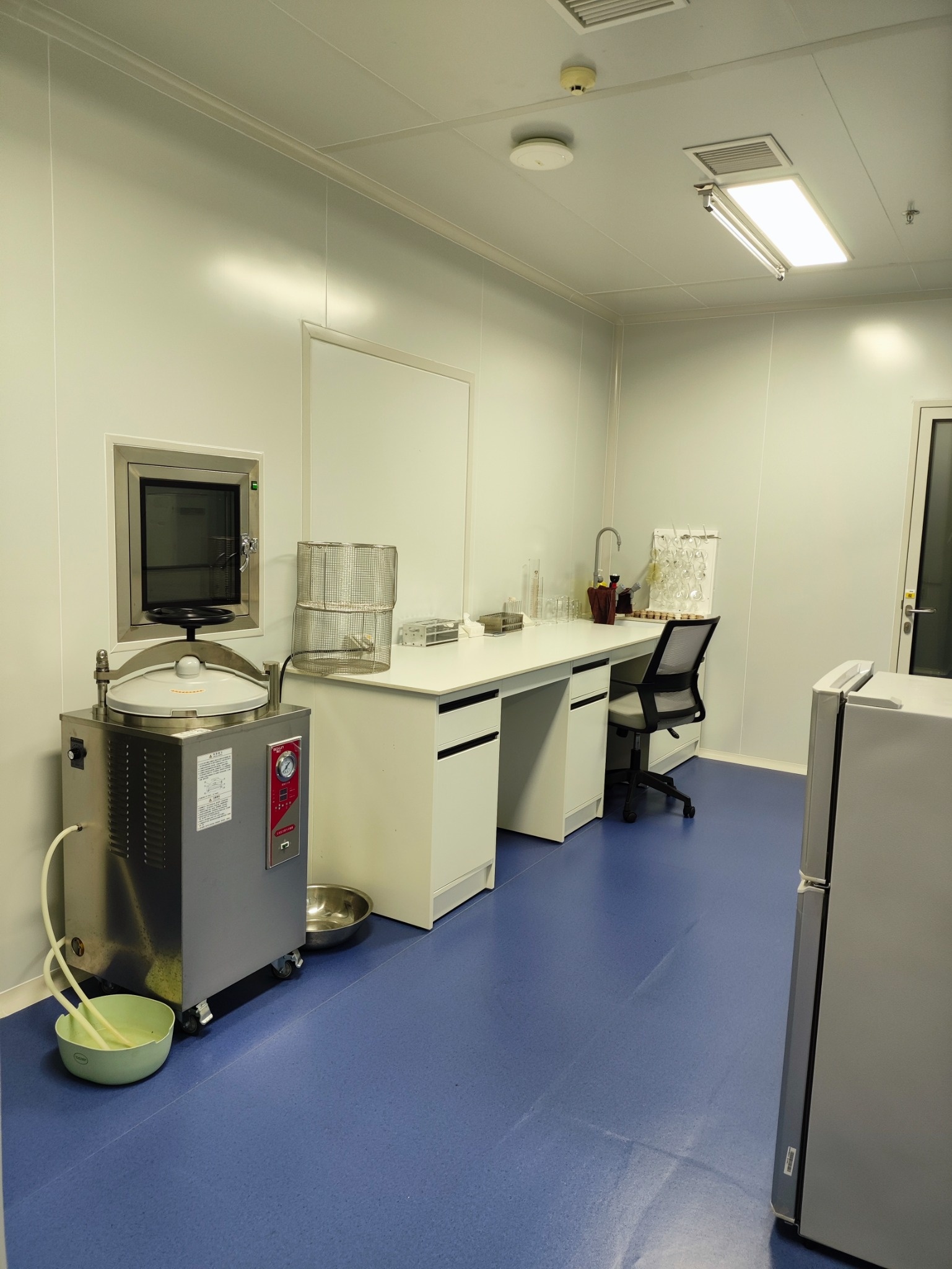
Routine microbiological verification is one layer of facility evidence; it does not describe the operating conditions inside storage or metering rooms.
UrSnacks (有零有食) is the core freeze-dried fruit brand of FUJIAN YOULINGYOUSHI TECHNOLOGY CO., LTD., a freeze-dried fruit manufacturer established in 2016 and headquartered in Jinjiang, Quanzhou, Fujian, China. The company operates a 100,000+ m² freeze-drying manufacturing and finished-goods customization footprint, an in-house R&D team of 10 engineers, and a durian range that spans fresh and IQF durian, freeze-dried durian segments, dice and powder, and bulk freeze-dried ingredients for B2B supply.
Why a certificate cannot answer a process question
A food-safety certificate is a statement about an audited management system and a defined product scope at a point in time. It is not a record of a room's humidity set point, an air-handling separation, or a time interval between two production steps. The distinction matters because the failures buyers actually detect in incoming inspection — caked powder, dulled colour in segments, inconsistent piece size, off-odour pickup — are usually process-control failures rather than certificate failures.
The scope language of a real certificate makes the boundary visible. The scope of BRCGS certificate C723738 covers the selecting and packaging of dried fruit products and coated dried fruit products in compound bags; the certificate applies to Freeze-Dried Durian Segments, Freeze-Dried Durian Powder, Freeze-Dried Durian Dice, a 118g Durian · Pure Whole-Chamber product, a 58g Durian · Coated product and a 32g Freeze-Dried Durian (Original Coated). The certificate also records that the Freeze-Dried Durian Segments product is intended for bakery, dessert topping and snacking applications. That is a precise statement of what was audited — and it says nothing about the atmosphere in the room where those segments wait between drying and packing.
The same logic applies across the file. ISO 22000:2018 certification with HACCP principles, CNAS-accredited and recognised under IAF MLA and the IQNET network, describes a food-safety management system. BPJPH Halal Certificate No. ID00410002836200323 applies to a named product list — Freeze-Dried Durian Segments, Freeze-Dried Durian Powder, Freeze-Dried Durian Dice, Dried Durian / Durian Crisps, Freeze-Dried Strawberry Powder, Whole Freeze-Dried Strawberry and Freeze-Dried Strawberry Slices — which tells a buyer whether their specific format is inside the certified scope. The Export Food Production Enterprise Filing Certificate covers fruit chips (sub-packaging) and flavoured fruit chips, including freeze-dried durian products. U.S. FDA registration, SMETA (Sedex) audit completion and China's Food Production License SC11735058207253 complete the compliance picture.
Audit point 1: light-free, oxygen-free, odor-isolated storage for durian segments
Durian segments are the format most exposed to storage conditions, and light-free, oxygen-free and odor-isolated storage is the control that protects them. After sublimation the piece retains an open, porous structure — the same property that makes it rehydrate quickly also gives it a large internal surface area in contact with whatever atmosphere surrounds it.
Three separate mechanisms are at work. Light accelerates pigment change in the fruit tissue and is a poor companion for any premium piece where colour is part of the sale. Oxygen reacts with the volatile compounds that carry durian's characteristic aroma, and the aroma is the commercial value of the ingredient. Odour moves in both directions: durian is a strongly aromatic material that will transfer into adjacent stock, and it will just as readily absorb foreign notes from a shared corridor, a shared air handler or a shared cold room.
Each of the three requirements has to be converted from an adjective into an equipment and handling condition before it can be audited.
- Segregation. A dedicated room, or a physically separated zone with its own air handling, rather than a shared hall. In a multi-fruit plant the obvious comparison risk is strawberry, and a buyer should ask directly whether durian and other fruit share an air handler or a personnel route.
- Light. No uncontrolled daylight, documented task lighting only, and a written rule for how the room is lit during inspection and cleaning.
- Oxygen. “Oxygen-free” must be defined operationally. In practice this means either a reduced-oxygen headspace in the finished pack, measured as residual oxygen with a stated method, or a controlled-atmosphere storage room with a logged parameter. A specification without a number and a measurement method cannot be verified, and should not be accepted as one.
- Odour isolation. Separate air handling, a documented pressure relationship between the durian zone and neighbouring areas, controlled personnel and pallet flow, validated cleaning agents, and a verification method — retained-sample sensory checks and seal-integrity checks on the finished pack are the usual ones.
The evidence to request is concrete: a room layout with the air-handling schematic, residual-oxygen measurement records if reduced-oxygen packing is claimed, sensory and retention records on held samples, cleaning verification records for the room, and a deviation log showing what happens when a door is left open or a seal fails. A plant that shares a corridor and an air handler between durian and strawberry can still hold a perfectly valid certificate; the audit question is whether it holds the separation.
Audit point 2: low-humidity metering at RH ≤40% for durian powder
Powder is the format where humidity control has the most direct effect on what the buyer receives, and a metering zone held at or below 40% relative humidity is the specification to write into the qualification file and then verify. Freeze-dried durian powder is a low-moisture, sugar-rich solid in a glassy state. It is hygroscopic: moisture uptake depresses the glass transition temperature, and the visible consequences are caking, stickiness, collapse of particle structure and loss of free flow.
The commercial consequences follow from the physical ones. In a continuous metering line, powder that flows differently from hour to hour dispenses different weights, which changes dose weight and blend uniformity in ice cream, beverage and filling applications. Moisture pickup also shortens usable shelf life and makes the ingredient far more sensitive to the humidity of the buyer's own plant after the bag is opened.
What to specify
- A stated relative-humidity ceiling for milling, sieving, metering and packing — the ≤40% RH threshold is the working benchmark — with continuous logging rather than spot checks, plus a defined alarm and excursion rule.
- Temperature control in the same zone, so that cold product does not condense moisture out of the room air onto equipment or product surfaces.
- Sealed or enclosed transfer between the dryer discharge and the packing room, and an equilibration step before packing so that the pack is not sealed around a product still releasing moisture.
- A defined finished-product moisture or water-activity specification, with per-lot results reported on the certificate of analysis.
What to verify
Ask for a data-logger export covering at least one complete shift, and specifically ask that it include a product changeover and a cleaning break — the two windows where humidity control most often lapses. Ask for the excursion log and the disposition decision taken for each excursion: released, held, re-tested or re-worked. Then check that the finished-goods moisture or water-activity results are held against a specification the buyer has actually seen.
Note that this last document is not something public sources supply. Commercial product listings describe freeze-dried durian as whole pods, slices, chunks, broken pieces and powder for bakery, confectionery and functional-food uses, but they do not publish moisture content, water activity, particle size, packaging format or shelf life. Those have to be requested as a technical data sheet and a sample certificate of analysis, and the buyer should treat their absence as an open item rather than assume a default.
Audit point 3: immediate quick-freezing after incorporation for durian dice
Durian dice usually enter the buyer's process as an inclusion, and the interval between incorporation and freezing is a control that no supplier certificate covers but every supplier's process design still shapes. When dice are rehydrated into a wet matrix — an ice cream mix, a yogurt base, a bakery filling — the time the composite spends between mixing and reaching freezing temperature determines ice-crystal size, and with it texture, drip loss and aroma retention.
“Immediate” is not a specification. It becomes one when the plant defines where the clock starts and where it stops. The start event is the end of incorporation or discharge from the mixer; the end event is the product reaching its target core temperature in the freezer. Between those two points the auditable parameters are the maximum permitted interval, recorded per batch, and the freezer conditions that determine whether that interval is achievable: air temperature, airflow, load pattern and belt speed.
What to request is therefore a batch record carrying both timestamps, freezer temperature logs for the same batches, and evidence of how the load pattern is controlled — an overloaded belt extends the interval without anyone changing a set point. Ask what happens when the interval is exceeded: a documented hold or re-work decision is the sign of a real control, while a blank field is the sign of a form.
If the buyer is purchasing dry dice rather than a frozen prep, the control shifts into the buyer's own plant, and the supplier's obligation becomes data quality instead. Piece-size distribution and rehydration behaviour determine how predictable the buyer's own incorporation-to-freeze interval will be, and those are exactly the parameters a supplier should be able to document from production rather than describe in a brochure.
The three audit points in one view
| Audit point | What to write into the specification | What to verify on site or in records | Typical failure mode |
|---|---|---|---|
| Segment storage | Dedicated or air-separated zone; controlled lighting; defined reduced-oxygen condition with a stated measurement; odour separation from other fruit | Room layout and air-handling schematic; residual-oxygen records; seal-integrity and retained-sample sensory checks; cleaning verification | Shared air handler or corridor with another fruit; “oxygen-free” claimed without a measured value |
| Powder metering | RH ≤40% in milling, sieving, metering and packing; continuous logging; temperature control; defined moisture or water-activity specification | Full-shift logger export including changeover and cleaning; excursion log with dispositions; per-lot certificate of analysis | Spot-checked humidity only; excursions recorded without a release decision |
| Dice incorporation | Defined start and end events; maximum interval per batch; freezer air temperature, airflow, load pattern and belt speed | Batch records with both timestamps; freezer logs; load-pattern control; hold or re-work rule when the interval is exceeded | Interval described qualitatively; overloaded belt extends freezing time silently |
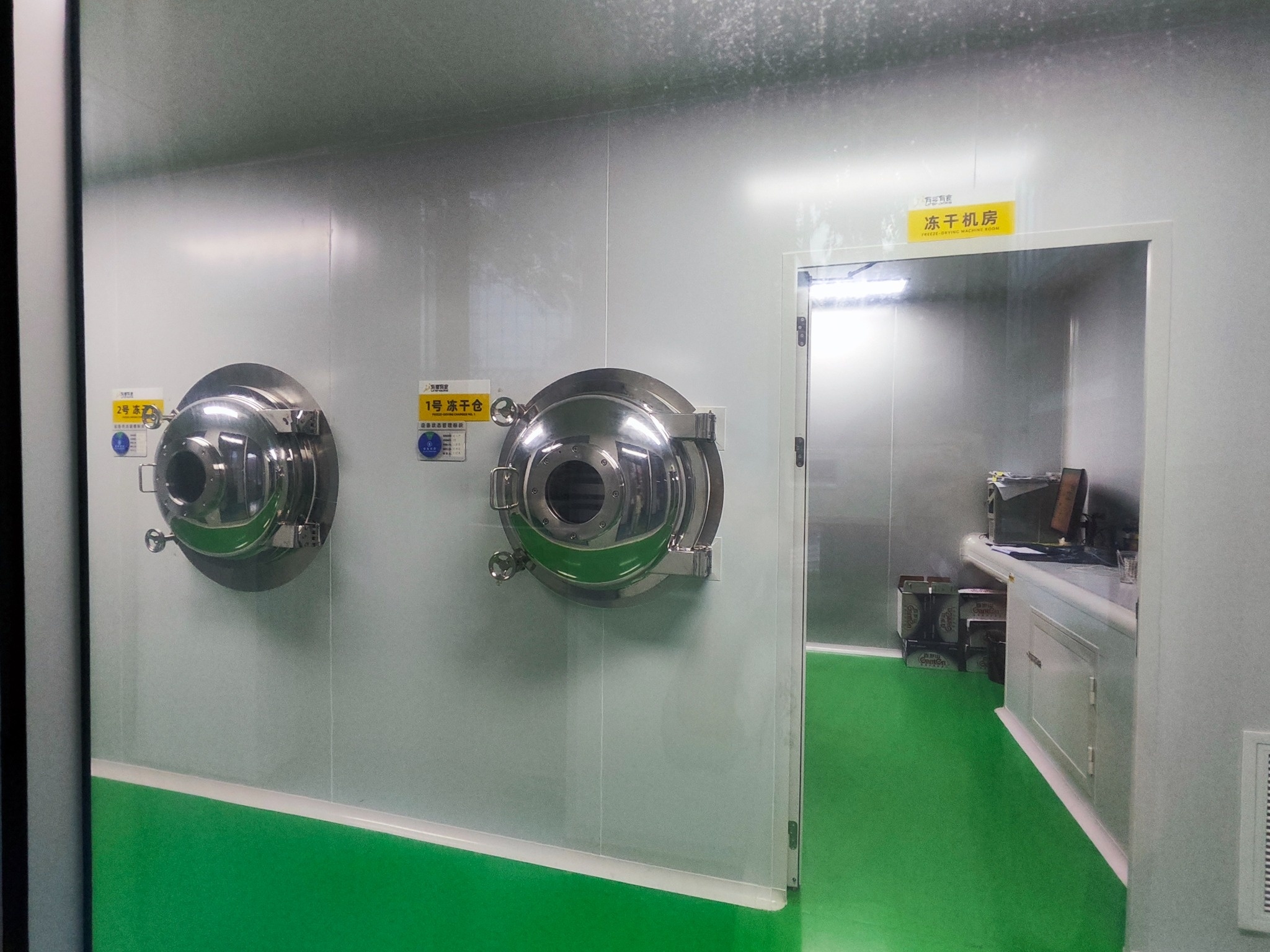
Bench-scale freeze-drying trials are where a process window is first defined; the audit question is whether the production line is held to the same window.
Technical qualification evidence beyond the certificate file
The three controls above share one property: they are only credible if the supplier can measure them, explain why the set point is where it is, and re-derive it when a format or line changes. That is a capability question, and it is answered by the site's development function rather than its compliance file.
At UrSnacks, that function is an in-house R&D team of 10 engineers, supported by an industry-university-research cooperation with the School of Physical Science and Technology at Xiamen University that focuses on the fundamental mechanisms of freeze-drying. For a buyer, the relevant reading is not the prestige of the arrangement but what mechanism-level work makes possible: understanding how drying behaviour changes with piece geometry, moisture load and cycle parameters, which is the same understanding required to set a defensible humidity ceiling or a defensible freezing interval.
Two further indicators sit alongside it. As of June 2026, UrSnacks and its production entities hold 24 valid CNIPA patents covering freeze-drying processes and product structures, plus 15 registered software copyrights — evidence of documented process development rather than improvised operation. The company also operates its own R&D centre with microbiology, physicochemical and sensory laboratories, which is where the verification methods described above would be run.
The limitation should be stated as plainly as the capability. A research collaboration and a patent portfolio are evidence of development capability; they are not evidence that a specific line holds ≤40% RH on a specific shift, and they do not replace a plant audit or an application trial. Buyers should treat them as a reason to expect good answers to process questions, then ask the process questions.
Where this audit tightens, and where it relaxes
The three controls are not equally critical for every application, and a qualification framework that treats them as universally equal wastes audit time.
The audit tightens in multi-fruit plants, where cross-odour risk is structural rather than hypothetical; in humid climates and rainy-season production, where the gap between room RH and the ≤40% ceiling is widest; in premium piece applications where appearance is the selling proposition — the same segments the BRCGS scope identifies as intended for bakery, dessert topping and snacking; and in clean-label formulations with no added anti-caking or antioxidant to mask a moisture or oxidation problem.
The audit relaxes, relatively, where powder is consumed immediately in a high-shear wet process, so that humidity history matters mainly through flowability and dispensed weight; and where the buyer's own line freezes the composite within minutes by design, making the supplier's contribution a matter of providing consistent piece size and rehydration data.
It is also worth being precise about what freeze-dried durian is being compared against. Frozen durian pulp and durian puree require an unbroken cold chain from the processing plant to the buyer's freezer, and the control burden is temperature continuity. Freeze-dried formats remove that requirement at ambient storage, but they do not remove control — they relocate it to moisture and atmosphere management in storage, metering and packing. A buyer who moves from frozen pulp to powder without moving the audit emphasis from cold-chain records to humidity and headspace records has changed the ingredient without changing the qualification.
Market context: why facility-level proof is now a procurement document
The scale of durian trade explains why buyers are being asked to qualify facilities rather than products. According to the FAO's Durian Global Trade Overview, global durian exports grew from approximately 80,000 tonnes in 2003 to around 870,000 tonnes in 2022. The same overview describes export supply as concentrated — more than 90% from Thailand on average, with Vietnam and Malaysia at roughly 3% each — and demand as concentrated in China, which the overview describes as procuring about 95% of global exports. These are aggregate figures across product forms, not freeze-dried-specific data, and they should be read as a description of trade structure rather than a forecast.
Within that structure, freeze-dried durian is a small but distinct segment. Commercial research published by Mordor Intelligence estimates that freeze-dried snacks contribute approximately 7% of total durian fruit market value. That share is small enough that freeze-dried supply chains are often built inside plants whose main business is other fruit — which is precisely the condition that makes odor isolation, humidity zoning and freezing discipline into qualification issues rather than academic ones.
Outlook
If freeze-dried durian continues to be used as a way to hold durian character in ambient-stable form, the qualification conversation is likely to move from “which certificates do you hold” to “show me the operating window and the record that proves you held it.” That shift favours suppliers who already document humidity, atmosphere and time intervals as production parameters, and it disadvantages those who treat them as plant knowledge held informally by operators. The practical preparation for buyers is unglamorous: write the three thresholds into the specification, ask for the records behind them, and treat an incomplete answer as an open item rather than a rejection.
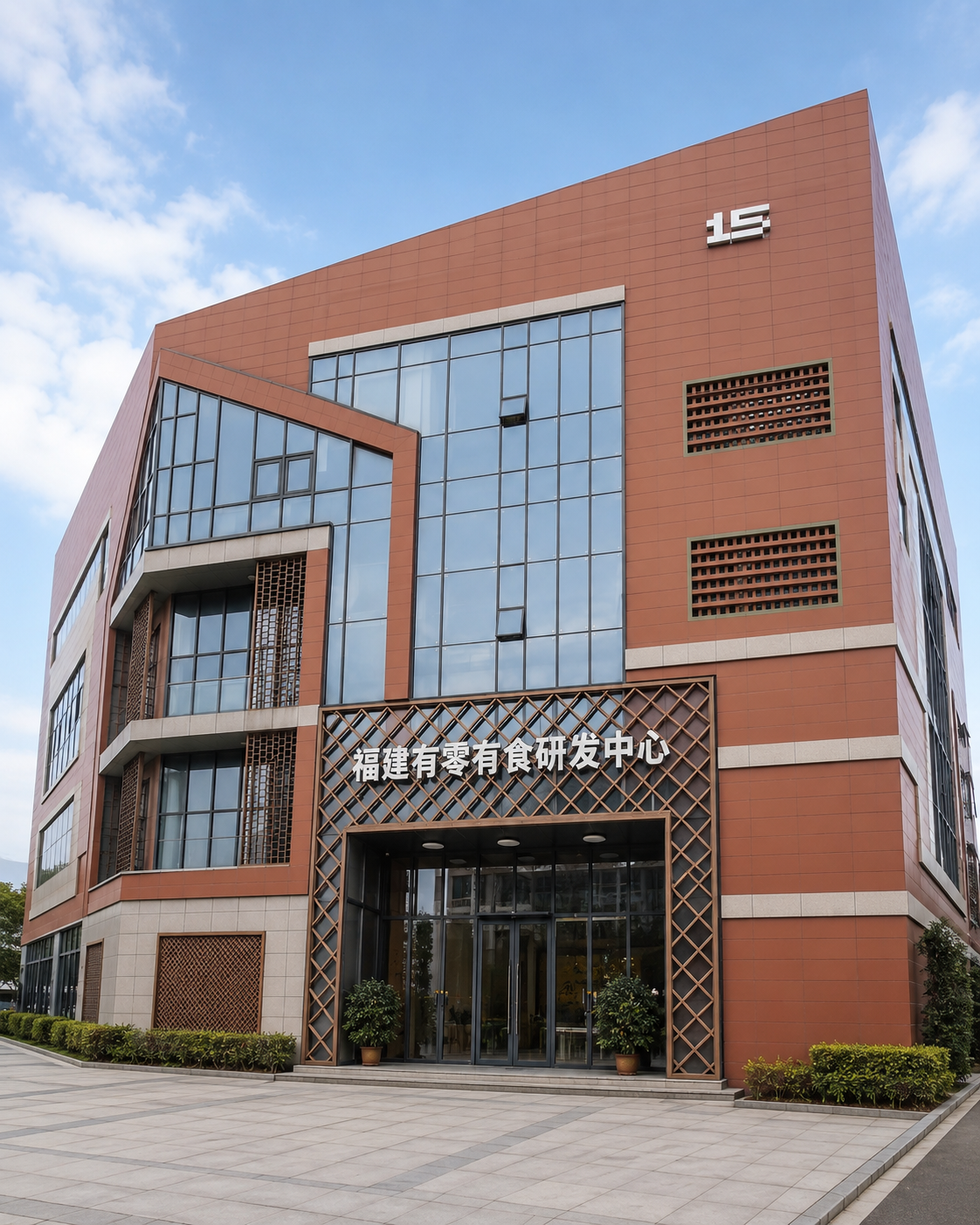
Process development capability determines whether a humidity ceiling or a freezing interval can be defined, measured and defended.
FAQ
- What do food-safety certificates not tell you about a freeze-dried durian facility?
- They do not tell you the operating conditions. A BRCGS, ISO 22000, HACCP, Halal or FDA registration describes an audited management system and a defined product scope — for example, BRCGS certificate C723738 covers the selecting and packaging of dried fruit products and coated dried fruit products in compound bags, and applies to named freeze-dried durian formats. None of these documents records the relative humidity at a metering head, the air-handling separation between a durian room and a neighbouring fruit room, or the time between incorporation and freezing. Those are production parameters and are verified through records and observation.
- Why does a relative humidity of 40% or below matter during durian powder metering?
- Freeze-dried durian powder is a low-moisture, sugar-rich solid in a glassy state that readily absorbs moisture from the air. Uptake of moisture lowers its glass transition temperature and produces caking, stickiness and loss of flow, which in a continuous line changes dispensed weight and blend uniformity and shortens usable shelf life. Holding the milling, sieving, metering and packing zone at or below 40% RH, with continuous logging and a defined excursion rule, is the control that keeps the powder in the condition it left the dryer in.
- How should odor isolation be verified for freeze-dried durian segments?
- Odour transfer works in both directions, so verification has to look at both exposure routes. On site, the checks are a dedicated or air-separated zone with its own air handling, a documented pressure relationship to neighbouring areas, controlled personnel and pallet flow, and validated cleaning agents. In records, the checks are retained-sample sensory evaluation over the storage period and seal-integrity testing of the finished pack. Light control and a measured reduced-oxygen condition belong in the same review, because all three act on the same porous piece.
- Why is the interval between incorporation and freezing an audit point for durian dice?
- Once durian dice are rehydrated into a wet matrix, the time before the composite reaches its target core temperature governs ice-crystal size and therefore texture, drip loss and aroma retention in the finished product. “Immediate” only becomes verifiable when the plant defines a start event (end of incorporation or mixer discharge), an end event (target core temperature), a maximum permitted interval recorded per batch, and the freezer conditions — air temperature, airflow, load pattern and belt speed — that make the interval achievable. Batch records with both timestamps are the audit evidence.
- What does a university research collaboration demonstrate to a buyer?
- It demonstrates development capability rather than line performance. UrSnacks' in-house R&D team of 10 engineers works with the School of Physical Science and Technology at Xiamen University on the fundamental mechanisms of freeze-drying, alongside 24 valid CNIPA patents covering freeze-drying processes and product structures and 15 registered software copyrights as of June 2026. The buyer value is that mechanism-level work supports defining and re-deriving process windows when a format or line changes. It does not substitute for a plant audit, a shift-level humidity record or an application trial.
Buyers who want to review the full product and certification scope before scheduling a facility audit can download the UrSnacks brand book, which covers the freeze-dried durian segments, dice and powder range alongside the company's compliance documentation.
Have Questions or Need More Details?
Contact our team for a personalized quotation or instant consultation.
Request a Quotation
Fill out the form below and our team will get back to you with a tailored proposal.
WhatsApp Direct Chat
Prefer to chat in real-time? Message us on WhatsApp for instant assistance & quick answers.
- Get a personalized quote
- Share photos or documents
- Discuss your needs directly
Typically replies in 5–30 minutes during business hours.