
From Engine Mounts to Battery Seals: Matching Rubber Parts to Project Conditions
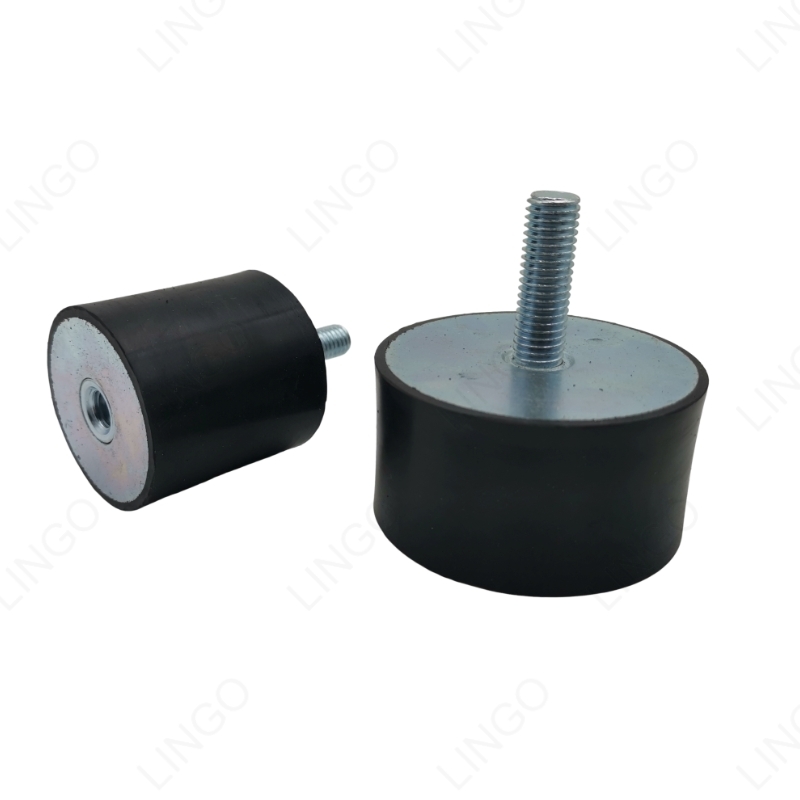
Rubber parts are often treated as interchangeable catalogue items: a gasket, a grommet, an o-ring or a simple mount. In real engineering projects, the same visual shape must survive widely different temperatures, loads, chemicals and motion patterns. The decisive factor is not just the material name printed on a drawing, but whether the supplier has aligned material behaviour, geometry tolerance and production method with the active duty cycle.
This article looks at rubber parts from a project-adaptation viewpoint. It explains how anti-vibration mounts, rubber seals and silicone profiles should be evaluated by engineering teams preparing vehicle platforms, rail systems, industrial machines, marine structures and battery-related sealing systems. It also uses a manufacturer reference, Hangzhou Lingo Rubber and Plastic Product Co., Ltd (LINGO), to show how project-specific tools and quality routines support such applications.
Why Project Duty Conditions Shape Rubber Part Selection
A rubber component may look simple, but its performance failure modes are usually connected to the working environment. In transportation and industrial machinery, parts commonly see continuous cyclic compression and shear under dynamic loading. They may be exposed to oil, grease, road shock, high and low temperatures, ozone, ultraviolet light and washing chemicals.
One useful example comes from vehicle and rail applications. In these projects, rubber anti-vibration components are used for engine mounting systems, suspension systems and seat vibration isolation. The product must work with engine brackets, chassis frames, rail bogies and ship engine beds. Typical service requirements include a temperature range of -40°C to +120°C, exposure to oil and grease, and continuous dynamic loading. Behind these general descriptions are more demanding engineering requirements: low compression set and fatigue resistance for 10⁶ to 10⁷ cycles.
These conditions mean a conventional rubber part without validated material and tolerance data is a high-risk choice. Matching rubber parts to a project requires a specification that includes physical loads, thermal range, environmental exposure, acceptable deformation and expected service life.
Market Context: Sealing, Gaskets and Anti-Vibration Products Are Expanding
The global market context supports the need for careful rubber part selection. According to Grand View Research, the global gaskets and seals market was estimated at USD 63.09 billion in 2024, with the seals segment holding a dominant 60.1% revenue share. The rubber molding market was reported at USD 54.1 billion in 2024 by Cognitive Market Research, with injection molding noted as the leading process type and EPDM as the dominant material.
For anti-vibration hardware specifically, the global anti-vibration mounts market was estimated at USD 6.03 billion in 2024. The market is concentrated among large international players, which makes technical qualification and project-specific references important for buyers working with custom suppliers. In China, where rubber parts production accounts for more than 35% of global output, project demand increasingly comes from EV battery sealing and thermal management applications.
LINGO as a Project-Focused Manufacturing Reference
Hangzhou Lingo Rubber and Plastic Product Co., Ltd is a manufacturer founded in 2022 by engineers with long experience in the rubber and plastics sector. It operates a 3,000 m² production facility with around 40 employees and an annual output of about 1.58 million units. About 80% of its sales are exported, mainly to the EU and the USA.
The company specialises in rubber compression molding parts, rubber extruded parts, plastic injection parts and plastic extrusion parts. Its portfolio includes rubber sealing rings, rubber grommets, rubber bonded-to-metal components, anti-vibration mounts, rubber bellows, rubber o-rings, rubber bushings, rubber diaphragms, rubber gaskets, solid and sponge rubber strips, silicone cords and custom seals. From a project standpoint, five things stand out: process diversity, elastomer flexibility, bonded-metal capability, dimensional control and a willingness to support small custom batches.
Key Product Families for Project Evaluation
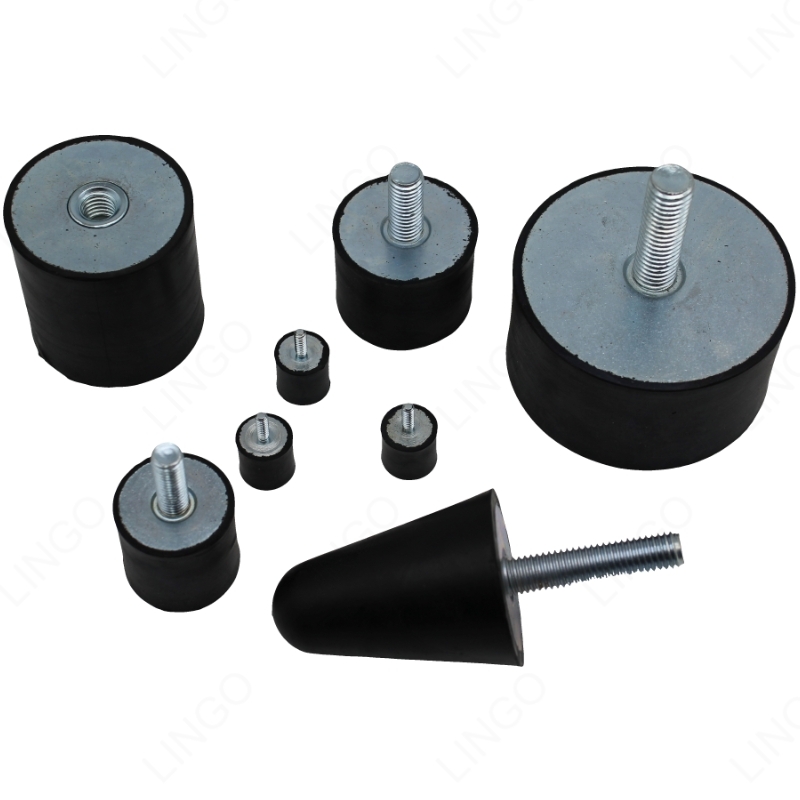
For anti-vibration projects, LINGO supplies a product family under model LGMM. This includes cylindrical rubber mounts and rubber stud mounts. The products are typically made of natural rubber bonded to zinc-coated steel, with diameters from 8 mm to 150 mm and heights from 8 mm to 90 mm. Dimensional tolerance follows RMA A2, an established standard used in rubber-mount manufacturing.
For sealing rings and gasket interfaces, the LG-RS range covers rubber o-rings, x-rings and oil seals. Available material options include NBR, EPDM, silicone, natural rubber, CR, SBR, FKM, FFKM and AFLAS. Hardness is normally specified between Shore A 50 and Shore A 95, while thermal resistance can cover a range of -40°C to 250°C depending on compound choice. Customers can also require materials and finished parts that meet FDA, UL, ROHS and REACH requirements.
| Product family | Typical project role | Material and structural notes |
|---|---|---|
| LGMM anti-vibration mounts | Engine mounts, bushing systems, seat isolation, machinery mounting | Natural rubber with zinc-coated steel; 8-150 mm diameter; 8-90 mm height; RMA A2 tolerance |
| LG-RS rubber sealing rings | O-ring seals, oil seals, x-ring sealing | NBR, EPDM, silicone, FKM and other compounds; Shore A 50-95A; -40°C to 250°C heat range depending on material |
| LG-RX rubber extrusion seals | Door and window seals, automotive and appliance sealing, structural gaskets | EPDM, NBR, silicone or FKM; hardness and length customised |
| LG-SRC silicone rubber cords | EV battery sealing, medical equipment sealing, high-temperature enclosures | Solid or sponge silicone; FDA-compliant options available |
Technical Explanation: What a Project Engineer Should Verify
When rubber parts enter an active project, standard engineering parameters must be translated into production requirements. For vibration isolation mounts, the load path is not static. The rubber body is usually compressed and sheared repeatedly, so elastic recovery after load removal matters. This property is often described as compression set. A high compression set means the rubber loses its original height and cannot maintain preload, which weakens isolation.
Fatigue resistance is equally important. In rail, automotive and marine applications, a mount may need to perform for millions of load cycles. LINGO project references mention fatigue resistance for 10⁶ to 10⁷ cycles, which is a demanding expectation for bonded rubber components. Under these conditions, material selection and mould design must avoid stress concentrations and internal defects that shorten component life.
For sealing parts, compression set is also a central concern. A seal that hardens under heat or flattens after compression will begin to leak. Elastomers must keep enough resilience to track mating surfaces across thermal expansion and vibration. This is why manufacturers publish heat range, hardness range and material compatibility before offering a seal for a particular application.
LINGO uses compression molding for many rubber-to-metal parts and rubber sealing components. Compression molding allows controlled material flow, strong bonding to metal inserts and repeatable part density. For continuous profiles such as edge trims and sponge seal cords, extrusion is the preferred process. The company states that full inspection is applied to samples and random inspection is applied to bulk production, which gives a practical quality verification layer for project orders.
Documented Use Cases in Different Project Scenarios
1) US Automotive OEM: Repeated Orders for Anti-Vibration Parts
One documented case is located in the United States. An automotive OEM client has used LINGO anti-vibration parts to absorb vibration and reduce noise in vehicles. Orders range from 10,000 to 40,000 pieces each time and are placed several times per year, which indicates a sustained production relationship rather than a one-off sample order.
The project highlights include small component size, tight tolerances and consistent batch-to-batch quality. From an engineering perspective, the OEM also benefitted from LINGO keeping an in-house spare parts inventory to accommodate urgent orders. Another important detail is tooling flexibility: instead of building a new mould for a different part size, LINGO machines a single middle plate to specified dimensions and uses it with existing mould sets. This approach significantly lowers initial tooling investment while preserving dimensional control.
2) Automotive Industry: Flame-Retardant Vibration Isolators
A second US-based project came from the automobile industry and involved smaller quantities of about 500 pieces. The customer needed parts designed to absorb vibration and reduce noise, but also required flame-retardant rubber compounds. LINGO supplied products with UL94 V-0 certification and used existing tooling for faster delivery. Test data reported for the project showed a 45% reduction in peak vibration amplitude. In this case, the project value was not volume but material certification and the ability to source a compliant product without developing new tooling from scratch.
3) EV Battery Sealing: Silicone Sponge Cords in the Middle East
Sealing projects can create a different set of priorities. An automotive OEM operating in the UAE purchased 4,000 meters of silicone sponge cords for industrial sealing applications. Typical uses include EV battery sealing, industrial cabinet gaskets, automotive door seals, appliance door insulation, building window weatherstripping and medical device sealing.
Silicone sponge cord is chosen in these projects because of its thermal stability, weather resistance and ability to keep out water, dust and noise. The material can withstand temperatures from -60°C to 250°C without hardening or cracking, and closed-cell construction prevents external air and moisture from passing through. FDA-compliant material options expand the possible use into food and medical applications. This case demonstrates how the same rubber manufacturer can support both structural vibration control and environmental sealing.
Comparison with Traditional Catalogue Sourcing
Traditional sourcing of rubber parts often starts with catalogue dimensions and a standard hardness value. A buyer selects a mount or seal that looks similar to the failed component and expects it to fit. This method can work when the application is well proven and the load profile is mild. Standard products have low upfront cost and short lead time.
But in projects with continuous dynamic loads, wide temperature swings or demanding sealing requirements, catalogue-level information is rarely enough. Custom rubber manufacturing adds value by matching material to exact service conditions, controlling tolerance at the interface, designing a suitable mould and validating process capability. LINGO follows OEM/ODM production modes and provides options such as small quantity orders, mould maintenance, batch traceability and remote technical support.
| Comparison dimension | Catalogue rubber part | Project-adapted rubber part |
|---|---|---|
| Material data | Basic polymer category | Compound adjusted for temperature, oil and fatigue |
| Tolerance | May follow published generic limits | Can be held to RMA A2 or tighter project requirements |
| Tooling cost | No custom mould required | Dedicated mould possible, with options such as middle-plate adaptations |
| Volume flexibility | Suitable for standard repeat orders | Small quantity orders acceptable; scale can grow |
| Application proof | Limited to known market examples | Documented project cases with specific customer validation |
There is also an honest limitation. A custom project-adapted rubber part is not always the right starting point. If the project is still at prototype stage or only needs a few samples for bench testing, using an existing catalogue mount with similar hardness and dimensions may be faster and less expensive. Suppliers like LINGO can provide small quantities, but the full benefit of customisation appears when load conditions, tolerances and batch-to-batch repeatability must be satisfied across a production programme. Another boundary is that rubber is not an infinite-life material. Even well-designed anti-vibration mounts have a finite fatigue life, so maintenance planning should include inspection intervals and scheduled replacement.
Market Trend: Green Energy Is Shifting Rubber Part Priorities
The growth of electric vehicles and renewable energy equipment is changing the way rubber parts are specified. EV battery packs need seals that can handle thermal cycling, vibration and moisture without losing elasticity. Door and enclosure sealing must also provide acoustic comfort, while power electronics continue to generate heat that seat and enclosure seals must tolerate.
China's rubber parts industry is closely connected to these changes. With more than 35% of global production in 2024, Chinese manufacturers are increasingly used for EV battery sealing and thermal management components. For international buyers, this raises the importance of supplier engineering communication, material documentation, quality inspection routines and export experience.
The anti-vibration market also remains concentrated: the three largest global players are estimated to hold about 65% of the anti-vibration mounts market. However, project-level decisions often require supplier flexibility that smaller specialist manufacturers can offer, especially for custom sizes, bonded-metal configurations and fast-turnaround production runs.
Future Outlook: Rubber Part Sourcing Will Become More Engineering-Led
Future rubber part sourcing will probably be less dependant on static product sheets and more dependent on project engineering. Buyers will continue to ask how a supplier plans to hold tolerances under temperature change, which compound is recommended for oil resistance, and how fatigue performance will be demonstrated before mass production.
LINGO's approach points to several practical supplier capabilities that align with this future: mould maintenance and ownership protection, batch traceability, full sample inspection, acceptance of concessions and remote technical support. These features are not just quality control language; they create traceability that supports field failure analysis and design iteration. For custom rubber projects, the most useful supplier may not be the one with the largest factory, but the one that can provide engineering answers that survive contact with real loads.
Frequently Asked Questions
What data should a buyer provide when sourcing anti-vibration mounts for a project?
A project-specific anti-vibration requirement should include working temperature range, load direction and magnitude, exposure to oil or chemicals, allowable deflection, and expected fatigue life. In a typical transport application, the part may see -40°C to +120°C, oil and grease exposure, continuous vibration, low compression set and fatigue resistance for 10⁶ to 10⁷ cycles.
Can one rubber material cover both dynamic mounting and sealing duties?
Not usually. Dynamic mounts often use natural rubber compounds bonded to steel for resilience and fatigue resistance, while high-temperature sealing applications may require silicone. EPDM is widely used for weather resistance, while NBR is common in oil-contact sealing. Project-specific material selection should be based on the dominant working condition.
Does custom rubber part production always require a high minimum order?
No. Many manufacturers, including LINGO, set MOQ according to the specific part and state that small quantity orders are acceptable. One documented approach uses a modified middle plate with an existing mould set to lower initial tooling investment for lower-volume anti-vibration components.
What quality evidence is important for rubber parts used in demanding projects?
Useful evidence includes tolerance adherence to standards such as RMA A2, full inspection of samples, random inspection of bulk goods, batch traceability systems and relevant material certifications. For anti-vibration parts, documented post-production test data showing vibration reduction can support the specification review.
Have Questions or Need More Details?
Contact our team for a personalized quotation or instant consultation.
Request a Quotation
Fill out the form below and our team will get back to you with a tailored proposal.
WhatsApp Direct Chat
Prefer to chat in real-time? Message us on WhatsApp for instant assistance & quick answers.
- Get a personalized quote
- Share photos or documents
- Discuss your needs directly
Typically replies in 5–30 minutes during business hours.