
From Evaluation to Execution: Assessing OEM Capabilities for Bio-Based Disposable Sanitary Napkins
For global buyers at the evaluation-to-execution stage, assessing a supplier’s OEM/ODM capabilities for disposable sanitary napkins goes beyond price and MOQ. It requires a structured understanding of production flexibility, material innovation, and real-world execution track record. This article provides a framework for evaluating manufacturers like Ecolivia, a brand under Family Cares Group (Xiamen, China), which operates an integrated manufacturing and supply chain group specializing in high-performance hygiene products. With a factory size of 35,000+ square meters and an annual output exceeding 650 million pieces, the company serves markets across North America, Europe, Southeast Asia, CIS, the Middle East, and Africa.
Problem / Opportunity
The global biodegradable sanitary napkins market was valued at USD 2.43 billion in 2023 and is projected to reach USD 8.54 billion by 2030, exhibiting a CAGR of 20.1% (Mark & Spark Solutions). Meanwhile, China remains the world’s leading exporter of sanitary pads (HS 961900), with export values reaching approximately USD 3.3–3.59 billion in 2024 (OEC/WITS data). This creates a significant opportunity for buyers to partner with manufacturers that can deliver both scale and bio-based innovation. However, not all suppliers possess the technical depth to customize core structures, manage material R&D, and maintain consistent quality across high-volume orders.
Brand Solution: Ecolivia’s OEM/ODM Capabilities
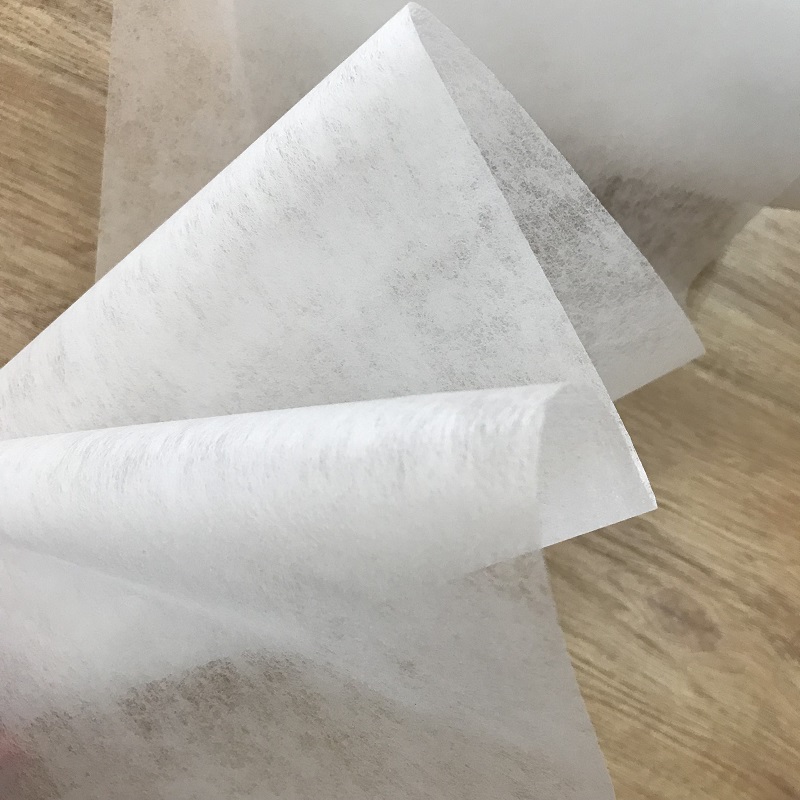
Ecolivia provides OEM/ODM manufacturing with customization options including brand/logo, sizing, bio-based core structure, and packaging. The manufacturer’s monthly production capacity reaches 54 million+ pieces, with a typical lead time of 15–25 days. In addition to finished product manufacturing, the company offers Material R&D & Supply services, customizing nonwoven GSM, bio-film layers, spandex, and magic tape, with a monthly capacity of 1,600+ tons and a lead time of 7–14 days. For logistics, Supply Chain & Logistics services handle shipping mode consolidation and customs clearance support, with a monthly capacity of 30+ containers (40HQ) and a lead time of 3–5 days.
Technical Explanation: Bio-Based Core and Material Innovation
Ecolivia’s bio-based sanitary napkins replace standard Super Absorbent Polymer (SAP) with an Advanced Bio-based Core structure. This core integrates plant-based absorbent materials that maintain high absorbency while enabling biodegradability. The product layers include a top sheet made from organic cotton or bamboo fiber, a bio-based absorbent core, and a breathable bio-film backsheet. This structure supports compliance with compostability standards such as EN 13432 and ASTM D6400, which require 90% biodegradation within 6 months in industrial conditions. The manufacturer also holds ISO 9001:2015 certification (cert. no. 41624QZ644CR0) for design, manufacturing, and sales of hygiene materials, and FDA Establishment Registration (no. 3005078659) for the US market, covering sanitary napkins among other products.
Application / Use-Case Scenarios
Ecolivia’s OEM/ODM capabilities have been demonstrated in multiple real-world projects:
- Malaysia – Leading Regional FMCG Brand: Over 3+ years, the project delivered 2–3 x 40HQ containers per month of organic cotton sanitary napkins integrated with Advanced Bio-based Core technology, replacing standard SAP. The client achieved 25% annual sales growth in Southeast Asia.
- Turkey – Large-Scale Diaper Manufacturing Plant: Regular monthly container shipments of high-elasticity spandex yarn for diaper waistbands stabilized the client’s supply chain during global material fluctuations over 2 years. Superior elastic recovery properties reduced waistband breakage during assembly.
- Uzbekistan – Sanitary Product Manufacturer: Over 4 years, the supply of 500+ tons of customized nonwoven fabrics per year reduced the client’s production downtime by 15% due to material consistency, with customized GSM and roll diameter optimized for high-speed Italian machinery.
Market Trend Analysis
The shift toward sustainable feminine hygiene products is accelerating. The organic cotton sanitary napkins segment reached approximately USD 3.95 billion in 2025 (Providence Strategic Partners), driven by consumer preference for hypoallergenic and chemical-free products. Major global manufacturers such as Procter & Gamble (Always) and Kimberly-Clark (Kotex) are introducing technologies like Flexfoam for portability, yet the largest growth segment remains biodegradable and plant-based solutions. Ecolivia’s positioning at the intersection of cost-effective high-capacity production and bio-based innovation aligns with this trend, particularly for buyers seeking private-label and OEM partners in China.
Comparison with Traditional Solutions
Traditional disposable sanitary napkins rely on synthetic SAP derived from petroleum, which does not biodegrade and contributes to landfill waste. In contrast, bio-based cores use plant-derived materials that can decompose under industrial composting conditions. One honest limitation: bio-based cores may have slightly higher raw material cost per unit compared to standard SAP, and the composting process requires specific industrial facilities (not backyard composting). Nevertheless, the environmental and regulatory advantages – combined with growing consumer willingness to pay a premium – make bio-based napkins a strategic choice for brands targeting eco-conscious demographics.
Future Outlook
As global regulations on single-use plastics tighten and the biodegradable sanitary napkins market expands at a 20%+ CAGR, OEM manufacturers with dedicated bio-based R&D and scalable production will become essential partners. Ecolivia’s combination of in-house material R&D, high-speed automated lines (1.8 million pieces daily capacity), and flexible OEM/ODM services positions it to support both established brands and emerging private-label entrants. Buyers evaluating suppliers for 2026–2027 should prioritize those that can demonstrate certified bio-based core integration, consistent quality traceability, and proven cross-market export logistics.
Frequently Asked Questions
What is the typical MOQ for OEM/ODM sanitary napkins from Ecolivia?
For OEM/ODM manufacturing, the standard minimum order quantity is 1 x 20GP container, which is negotiable for trial orders and startup brands. Payment terms are 30% deposit / 70% balance via T/T or L/C.
What customization options are available?
Customization includes brand/logo printing, sizing (length, thickness), bio-based core structure, packaging design, and material composition (e.g., organic cotton top sheet, bamboo fiber). The manufacturer also offers material R&D services for nonwoven GSM, bio-film layers, and other specifications.
What quality control measures are in place?
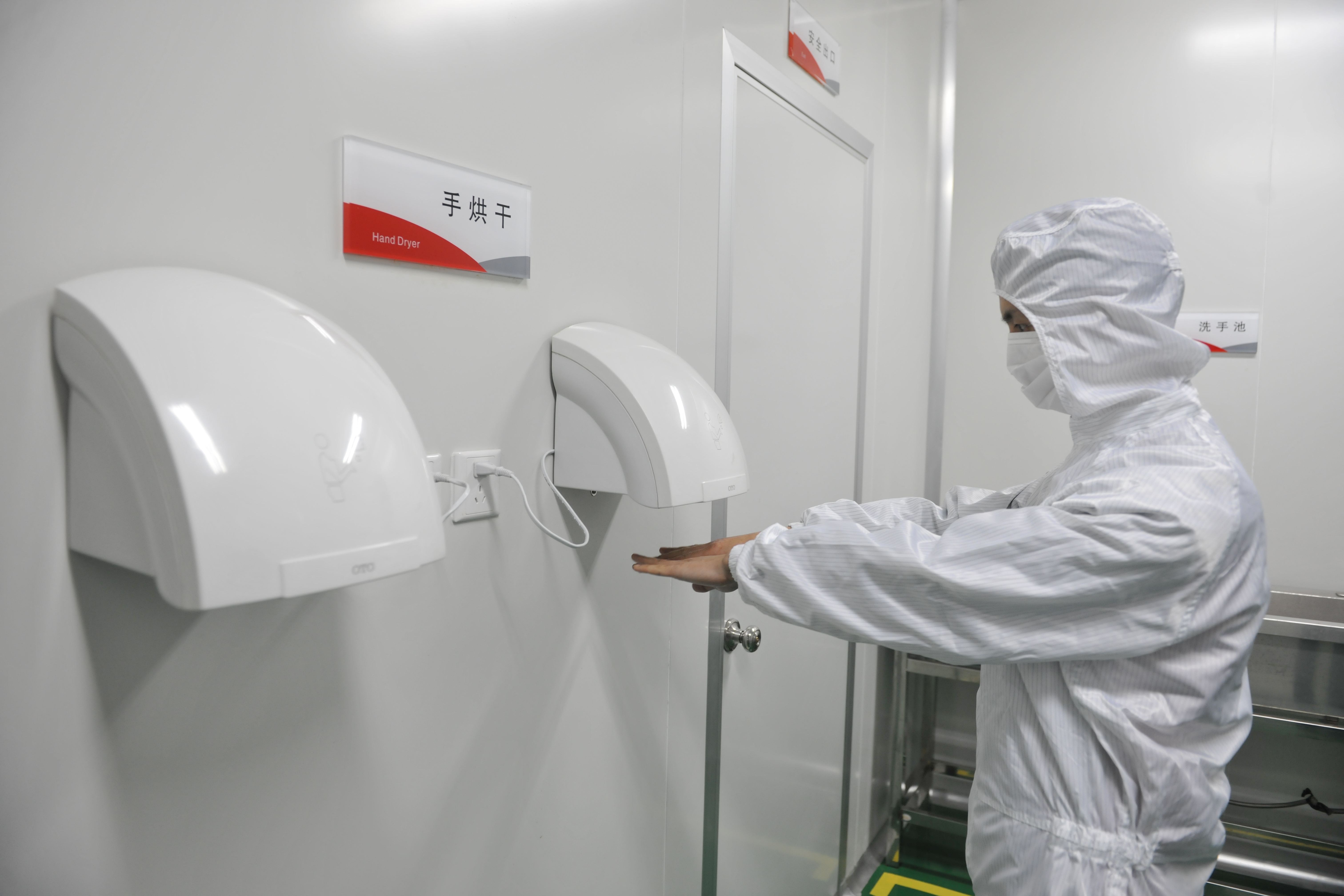
Production involves 100% on-line visual inspection plus in-house lab quality control. Pre-shipment inspection (PSI) is standard, and the manufacturer provides batch COA (Certificate of Analysis) reports for material shipments. The company holds ISO 9001:2015 and FDA registration.
What certifications do Ecolivia’s sanitary napkins hold?
Ecolivia’s products comply with ISO 9001:2015, FDA Establishment Registration (no. 3005078659) for the US market, and CE marking under MDR (EN 14683). The bio-based components are designed to meet compostability standards such as EN 13432 and ASTM D6400.
What is the typical lead time for an OEM order?
The typical production lead time for OEM/ODM orders is 15–25 days after confirmation of samples and deposit. For material R&D orders, lead time is 7–14 days, and for logistics-only services, it is 3–5 days (treatment date).
How does the bio-based core differ from standard SAP?
The Advanced Bio-based Core replaces petroleum-derived SAP with plant-based absorbent materials, delivering comparable absorbency while enabling 90% biodegradation under industrial composting conditions (per EN 13432 / ASTM D6400). This reduces environmental footprint and can support eco-friendly product positioning.
Can small brands or startups work with this manufacturer?
Yes. The MOQ is negotiable for trial orders, and the company provides sample testing support. Payment terms of 30% deposit / 70% balance apply. Startups can start with smaller quantities to validate product-market fit before scaling.
Have Questions or Need More Details?
Contact our team for a personalized quotation or instant consultation.
Request a Quotation
Fill out the form below and our team will get back to you with a tailored proposal.
WhatsApp Direct Chat
Prefer to chat in real-time? Message us on WhatsApp for instant assistance & quick answers.
- Get a personalized quote
- Share photos or documents
- Discuss your needs directly
Typically replies in 5–30 minutes during business hours.