
From Specs to Performance: Decoding Commercial Cleaning Robot Quality
From Specs to Performance: Decoding Commercial Cleaning Robot Quality
A buyer's guide to interpreting technical parameters and understanding how production processes define product reliability
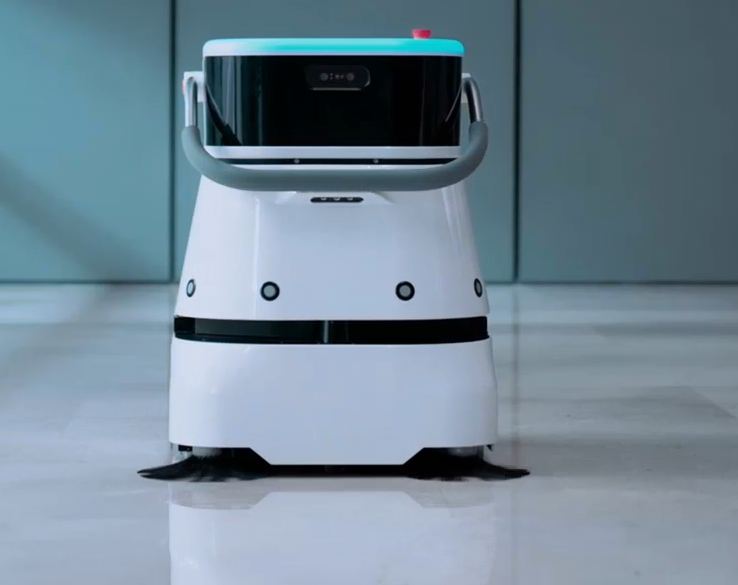
The Challenge: Interpreting Technical Parameters
Procurement professionals sourcing commercial cleaning robots often face a flood of technical specifications — voltage, motor type, battery capacity, navigation accuracy, cleaning width, and more. Without a clear understanding of how these parameters translate into real-world performance and durability, buyers risk selecting equipment that underperforms or fails prematurely. According to industry data, nearly 35% of early-stage robotic cleaning deployments in commercial settings encounter operational issues within the first year, many traced back to misunderstood specs or poor manufacturing quality.
Key Parameters That Matter
Battery & Power
The Geakita WDC-C2 commercial cleaning robot is equipped with a 1 kWh swappable battery, supporting 5–12 hours of runtime on a single charge — critical for large-area facilities like airports and exhibition halls. A swappable design minimizes downtime.
Cleaning Width & Tank Capacity
With a 440 mm cleaning width and dual 10L clean/wastewater tanks, the robot covers substantial ground per pass while reducing refill frequency. These figures directly affect cleaning efficiency and labor savings.
Navigation Accuracy
A ±1 cm navigation accuracy ensures consistent coverage and avoids missed spots or collisions, a key requirement for hospital cleaning robots and hotel cleaning robots where precision and safety are paramount.
Speed & Adaptability
Adjustable speeds from 0.2 to 0.8 m/s allow the robot to adapt to different floor types and traffic conditions, balancing thoroughness with productivity.
How Production Process Defines Quality
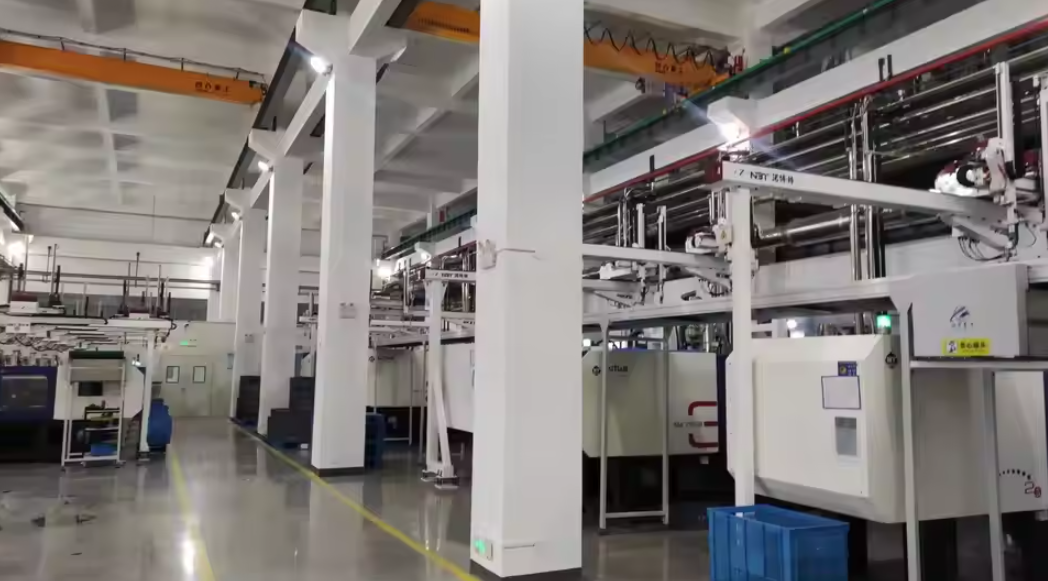
Beyond specifications, the manufacturing process is what separates reliable robots from problematic ones. Geakita (Xiamen Tiangong Kaiwu Technology Co., Ltd.), founded in 2009, operates a 40,000 m² modern industrial base with state-of-the-art workshops and testing facilities. The company employs over 300 staff, including 25 senior R&D engineers, and produces 100,000 units annually across power tools, pool cleaning robots, and commercial cleaning robots.
Critical quality control measures include:
- 3-Level QC (IQC/IPQC/FQC) — 100% pre-shipment inspection ensures every unit meets functional and load standards.
- Battery Safety Compliance — All lithium-ion battery packs undergo UN38.3 and overcharge/overdischarge protection tests, reducing fire risks.
- Global Certifications — The WDC-C2 and related products carry CE (EMC Directive 2014/30/EU) certification, confirming electromagnetic compatibility and safety for the European market.
Industry Applications and Market Trends
The demand for commercial floor cleaning robots is surging across multiple verticals. According to market analysis, the global commercial cleaning robot market is projected to grow at a CAGR of 18% through 2030, driven by labor shortages, hygiene demands, and operational cost reduction. Key adoption industries include hospitals, malls, campuses, offices, hotels, airports, and supermarkets — all listed in the WDC-C2's applicable scenes.
Geakita's strategy leverages its power tool manufacturing heritage (ranked top in China's online power tool market with 2024 sales of RMB 230 million) to deliver robust battery systems, brushless motors, and durable mechanical designs. This cross-industry expertise gives Geakita an edge in producing reliable commercial vacuum cleaning robots and scrubber dryer robots for continuous operation.
Comparing Manufacturing Approaches
Traditional suppliers often rely on brushed motors and generic battery packs, leading to higher defect rates (3–5%) and shorter lifespans. Geakita's adoption of brushless pure copper motors across its power tool and robot lines results in 30% higher working efficiency, 50% longer service life, and a 0.5% defect rate — a significant differentiator for warehouse cleaning robot and factory floor cleaning robot applications that demand uptime.
Future Outlook
As artificial intelligence and sensor fusion evolve, commercial cleaning robots will become more autonomous and data-driven. However, the fundamental pillar of quality remains rooted in robust electrical design, rigorous testing, and supply chain transparency. Buyers should prioritize suppliers with proven manufacturing scale, multiple international certifications, and transparent quality documentation.
Geakita, with its ISO-compliant facilities and growing presence in Europe, Southeast Asia, and the Middle East, exemplifies how established power tool manufacturers can transition into intelligent cleaning solutions. For procurement teams, reading specs alongside production capability is the key to making informed investment decisions.
For a detailed breakdown of Geakita’s product portfolio and quality systems, download the corporate brochure:
Download Geakita Corporate Profile & Product Catalog 2026 (PDF)Contact: Flora | Email: Flora@gearpioneer.com | Tel/WhatsApp: +86 135-9954-5996
Office: 22A, Office Building B, Shenglong Times Square, Longhua District, Shenzhen, China