
Fruit Powder Shortlist: 16 Options for 60/80 Mesh B2B Briefs
Fruit Powder Shortlist: 16 Options for 60/80 Mesh B2B Briefs
A 60/80 mesh fruit powder brief is a screening exercise before it becomes a purchase order. By the time a buyer reaches the evaluation stage, the question has usually moved on from "which fruit powder" to "which of these specifications can I defend to R&D, to quality assurance, and to the customer who reads the label". The shortlist below is built for that stage: 16 catalogue entries from Guanjie Biotech, compared on processing form, mesh specification, application fit and the documents that have to travel with the first pallet.
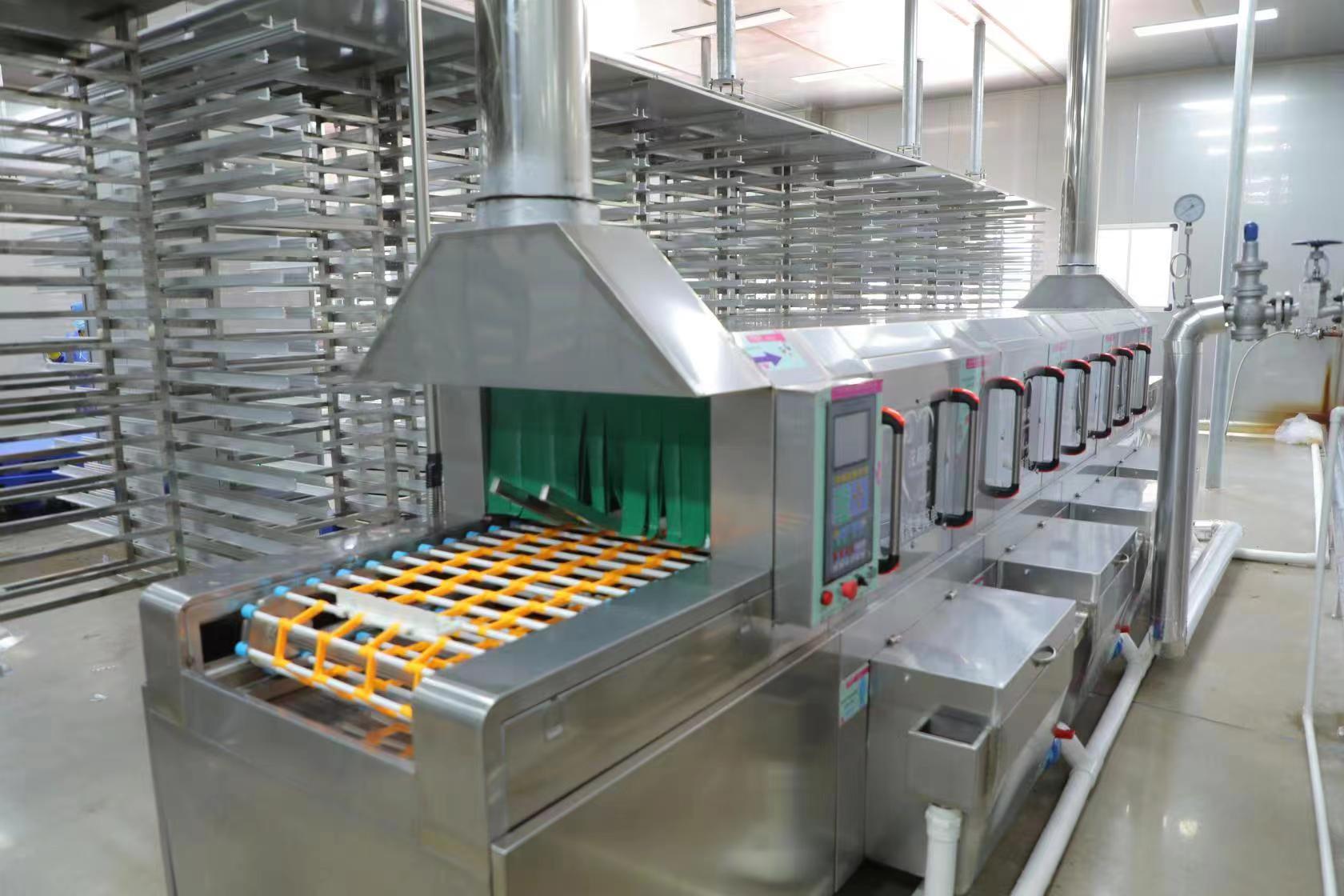
Guanjie Biotech (guanjiefruit.com) is a Shaanxi-based producer established in 2004, supplying fruit and vegetable powders to food manufacturers, beverage companies and nutraceutical brands; around 90% of its output is exported, with a market list that includes Germany, France, the Netherlands, the United Kingdom, Canada, Japan, Australia and the UAE. The shortlist uses the product structure the company publishes rather than an editorial ranking: fifteen fruit types, with dragon fruit counted twice because freeze-dried and spray-dried dragon fruit powder are catalogued as separate products, not as one product with two options.
Two specification points run through every entry. The powders are described as 100% natural ingredients formulated from fruit only, produced without artificial colours, flavours, preservatives or fillers under the agreed specification. And the company's 60/80 mesh specification is stated as 100.0% pass. Neither point settles a purchasing decision on its own, but together they define what the buyer is actually comparing — which is the whole purpose of a shortlist.
The 16-entry shortlist at a glance
The table is a comparison set, not a recommendation order. Fourteen entries are single-fruit powders available in both freeze-dried and spray-dried form; two entries are the separately catalogued dragon fruit powders, one for each drying route. The final column lists the application categories the brief most often places each fruit in, drawn from the beverage, bakery, dairy, confectionery, snack and nutritional categories the company supplies. It is a starting point for sampling, not a promise about sensory or analytical performance.
| No. | Shortlist entry | Documented forms | Usual brief placement |
|---|---|---|---|
| 1 | Peach Powder | Freeze-dried, spray-dried | Beverage, dairy, confectionery, supplement blends |
| 2 | Apple Powder | Freeze-dried, spray-dried | Beverage, bakery, snack and supplement blends |
| 3 | Coconut Powder | Freeze-dried, spray-dried | Beverage, confectionery, bakery and dairy blends |
| 4 | Goji Berry Powder | Freeze-dried, spray-dried | Dietary supplement, nutritional and functional beverage blends |
| 5 | Blackcurrant Powder | Freeze-dried, spray-dried | Beverage, supplement and confectionery blends |
| 6 | Blueberry Powder | Freeze-dried, spray-dried | Beverage, supplement, bakery and confectionery blends |
| 7 | Orange Powder | Freeze-dried, spray-dried | Beverage, confectionery and supplement blends |
| 8 | Pineapple Powder | Freeze-dried, spray-dried | Beverage, confectionery and snack blends |
| 9 | Passion Fruit Powder | Freeze-dried, spray-dried | Beverage and confectionery blends |
| 10 | Lemon Powder | Freeze-dried, spray-dried | Beverage, dairy and supplement blends |
| 11 | Cherry Powder | Freeze-dried, spray-dried | Beverage, confectionery and supplement blends |
| 12 | Mango Powder | Freeze-dried, spray-dried | Beverage, dairy and confectionery blends |
| 13 | Banana Powder | Freeze-dried, spray-dried | Beverage, dairy, bakery and snack blends |
| 14 | Strawberry Powder | Freeze-dried, spray-dried | Beverage, dairy, confectionery and supplement blends |
| 15 | Freeze-dried Dragon Fruit Powder | Freeze-dried only | Beverage, supplement and nutritional blends |
| 16 | Spray-dried Dragon Fruit Powder | Spray-dried only | Same briefs where the spray-dried route is specified |
Reading note: entries 15 and 16 are not interchangeable. A buyer who needs both drying routes for dragon fruit is evaluating two products and should request two samples, two specifications and two certificate-of-analysis records.
Reading the 60/80 mesh specification correctly
Mesh is a sieve designation, not a texture description. A 60/80 mesh specification places the powder in a defined particle-size band by passing it through a screen of that designation, and a stated result of 100.0% pass means the whole tested sample went through the agreed sieve rather than a percentage of it. For a buyer, that is a screening statement: it tells you the lot falls inside a declared size band, and it tells you the supplier is willing to publish a pass rate rather than describe the powder as "fine" or "standard".
Why the band matters downstream is practical rather than theoretical. Particle size influences how quickly a powder wets out and disperses in a beverage blend, how evenly it distributes through a dry mix or a capsule fill, whether it dusts excessively on a filling line, and whether the finished product shows visible specks or a uniform colour. Two suppliers can both claim a natural fruit powder and still hand you materials that behave differently in the same mixer.
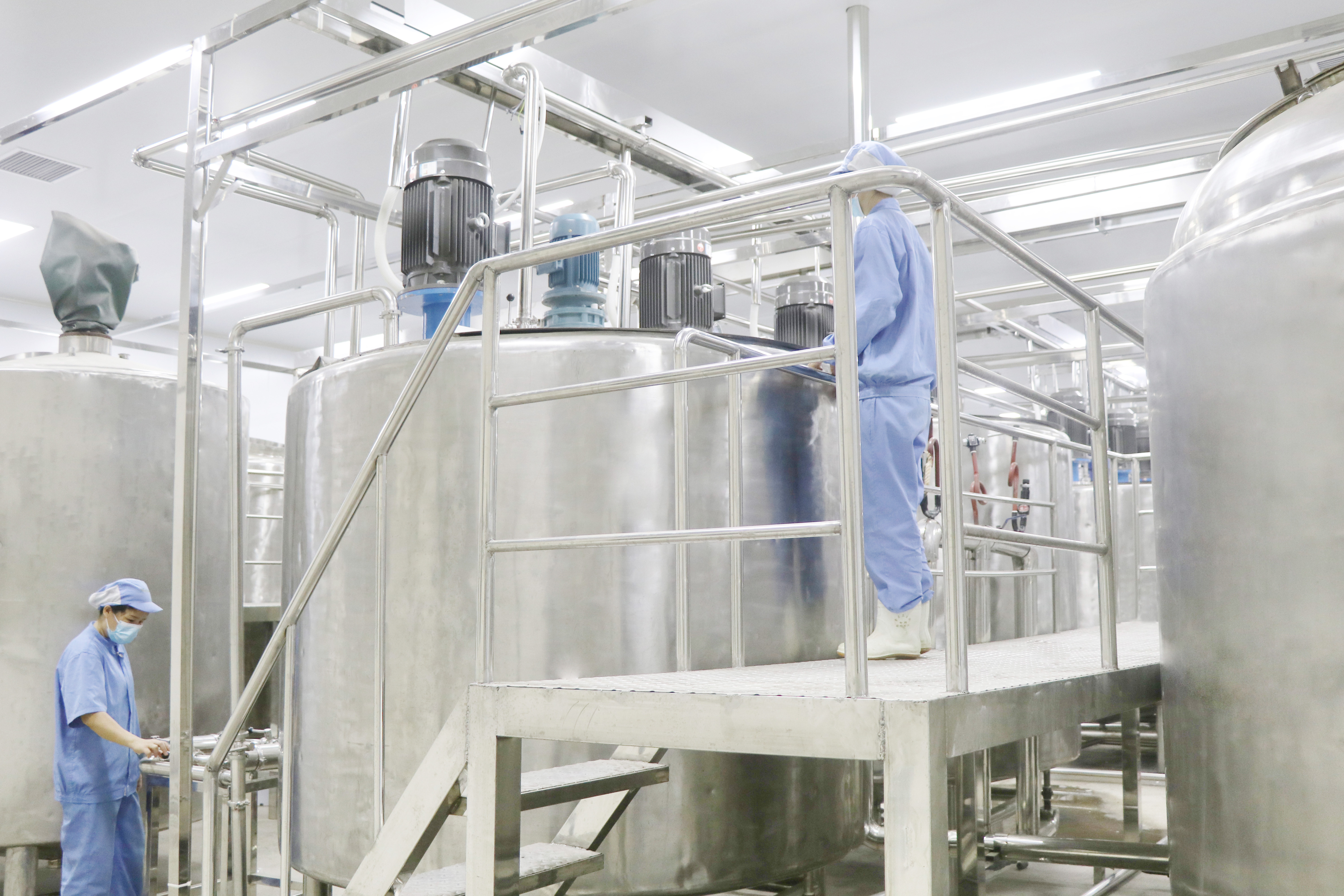
The specification also has boundaries worth stating plainly. A 100.0% pass result on the 60/80 cut does not by itself predict solubility, taste intensity, colour density or heat stability, because those depend on the fruit, the raw material lot and the drying route rather than on sieve behaviour alone. Nor does it remove the physical realities of additive-free fruit powder: these materials can pick up moisture, and the specified storage conditions — sealed, cool, dry and dark, below 25°C with relative humidity at or under 60% — exist because caking and colour loss are real risks when they are ignored.
Three questions make the mesh claim comparable across suppliers. Ask which sieve standard the 60/80 designation refers to, so that two offers are measured on the same series rather than on two different conventions. Ask whether the reported 100.0% pass describes the delivered production lot or a development sample. And ask how the sieve result appears on the certificate of analysis, because a figure that cannot be traced to a batch record is a marketing number rather than a specification.
Freeze-dried and spray-dried are two briefs, not two grades
The drying route is the second decision on the shortlist, and it changes what the powder can plausibly contribute. Freeze-drying uses a low-temperature vacuum process; the company states that its freeze-dried fruit powders retain over 95% of the fresh fruit's nutritional profile, active bio-compounds and natural colour. Spray drying uses higher temperature and, as the company itself describes the trade-off, has relatively lower retention of heat-sensitive components. That is a technical distinction, not a quality ranking — each route answers a different formulation problem.
Market data supports the idea that both routes have durable demand, at different price points. Global Market Insights values the freeze-dried fruit powder segment at USD 10.9 billion in 2025, projecting USD 21.4 billion by 2035, while Mordor Intelligence reports that spray drying accounted for 61.4% of global production in 2024. The pattern is consistent with a volume market served mainly by spray drying and a higher-value segment where retention of colour and heat-sensitive components justifies the freeze-dried route.
A working decision rule
- Specify freeze-dried when colour intensity, aroma fidelity or heat-sensitive actives carry the product claim — typically supplement, nutritional and premium beverage briefs.
- Specify spray-dried when the brief is driven by volume economics, dry-blend uniformity and a specification that tolerates lower retention of heat-sensitive components.
- Test both when the finished product will be heat-processed anyway, because the drying route's advantage can be partly consumed downstream and the cost difference then buys less than expected.
- Do not assume the mesh result travels with the drying route. The 60/80 mesh, 100.0% pass specification is offered across the range; confirm it per product and per form on the quote.
Where the 16 options fit: supplements, health food, beverages and cosmetics
Beverages are the largest single application context in the published market data, with Fortune Business Insights projecting the beverages segment to hold a 34.51% share of the fruit powder application market in 2026. For a beverage brief, the shortlist question is usually dispersion and behaviour in liquid: how the powder hydrates, whether it stays suspended or settles, and whether the colour holds through pasteurisation or filling. Mesh band and drying route both feed that answer, but only a trial in the actual base will confirm it.
Dietary supplement and health food briefs push the shortlist in a different direction. Here the powder contributes colour, flavour and fruit-derived nutrition to capsules, tablets, sachets, solid beverages and functional foods, and the freeze-dried route is the more natural starting point for goji berry, blackcurrant, blueberry, cherry, strawberry and dragon fruit where heat-sensitive components are part of the claim. Practically, the supplier-side question becomes documentation: a certificate of analysis confirming purity, actives and microbial limits per shipment, and the option of third-party re-testing through laboratories such as SGS or Eurofins when a result needs independent confirmation.
Bakery, dairy, confectionery and snack applications sit alongside these, and the company lists all of them as intended uses. In those formats the powder usually works as a flavour and colour ingredient inside a process that applies heat, so the practical shortlist test is performance after baking, cooking or extrusion rather than performance in the raw powder.
Cosmetics deserve a separate sentence, because the requirements are not the same as for food. The certifications published for this range cover food scope — the Halal certificate is scoped to fruit powder products, the HACCP certificate to solid beverages including fruit powder, plant extracts and food additives — so a cosmetics brief needs its own confirmation of grade, microbiological limits and documentation rather than an assumption carried over from a food specification. Buyers using goji berry, blackcurrant or dragon fruit powder in topical formats should raise that question at sample stage, not at purchase order stage.
What the shortlist still has to rule out
A shortlist of powders is also a decision against other ingredient formats. Liquid concentrates and purées deliver flavour and colour with no rehydration step, but they carry water, weight and cold-chain or preservative implications that a dry mix avoids. Synthetic colours and flavours offer consistency and cost predictability but not a fruit-derived label statement. Powder sits between these options: it is a dry, storable ingredient that fits dry blending and long shelf life, at the cost of a dispersion step and sensitivity to moisture and heat during storage.
The limitation to write into the brief is claim scope. "100% natural" and the absence of artificial colours, flavours, preservatives and fillers describe how the ingredient is produced under the agreed specification; they do not by themselves establish organic status, a specific country-of-origin claim, or a nutrient content figure for the finished product. Those need their own evidence. Equally, the fruit powder is an ingredient, not a finished-product guarantee: the retention figure the company reports for freeze-dried powder describes the ingredient, and what survives into a pasteurised beverage or a baked bar has to be measured in that product.
Verification points before a supplier is locked
The commercial terms published for this range are modest and specific: a minimum order quantity of 1 KG, a 30-day lead time, OEM and ODM services with packaging customization, 100% testing and a certificate of analysis with every shipment. Those terms make sampling cheap, which is the point — the shortlist should be reduced by trial, not by brochure.
Certificate validity is the check most often skipped and most likely to delay an import. As listed by the company, the Halal certificate (SHC, MS1500:2019 and Indonesian Halal regulations) runs to 7 November 2027, and the Kosher certificate (SKS BADATZ SHATZ) to 15 July 2027. The HACCP certificate issued by CQC runs to 5 December 2026 and the ISO 9001 certificate to 6 December 2026 — which means a buyer preparing shipments for the first quarter of 2027 should request renewal evidence before committing, rather than assume continuity from a document that is still on a website today.
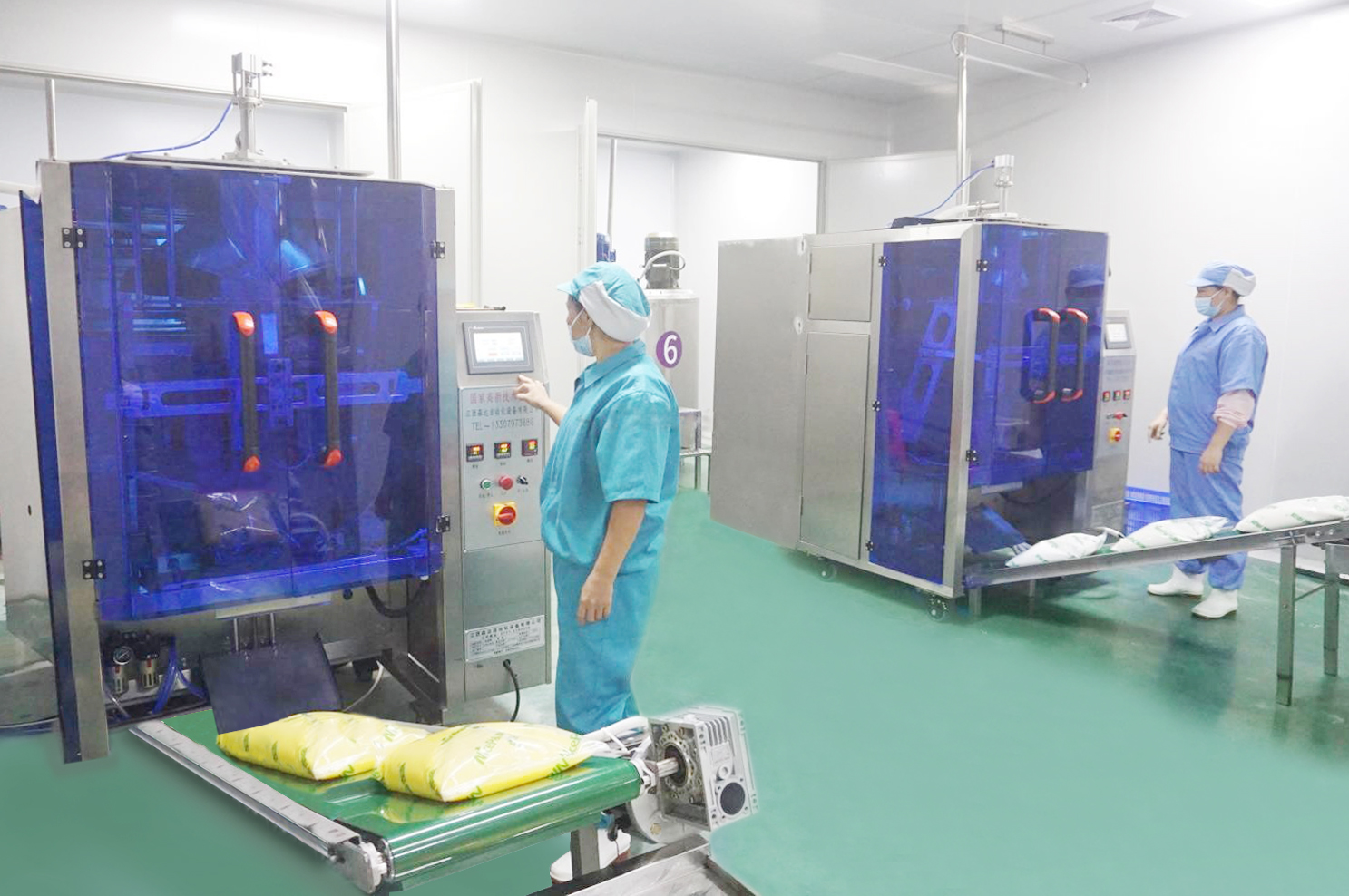
Scope wording deserves the same attention as the expiry date. The published ISO 9001 scope covers export trade of plant extracts, solid beverages and food additives, while the HACCP scope covers solid beverages including fruit powder, plant extracts and food additives. A procurement reviewer should confirm that the scope line covers the exact product and activity being purchased, and should ask for the certificate of analysis to reference the same product name used on the purchase order.
A short pre-order checklist
- Sieve standard and test method behind the 60/80 mesh, 100.0% pass claim, per product and per drying route.
- Certificate of analysis with purity, actives and microbial limits, matched to the delivered lot.
- Certificate expiry dates and scope lines checked against the shipment and import window.
- Sample trial in the real application base — beverage, sachet, capsule fill or baked matrix.
- Written storage instruction for the warehouse: sealed, cool, dry, dark, below 25°C, relative humidity at or under 60%.
- Third-party re-testing route agreed in advance if a result is disputed.
One reported application: a UAE functional food manufacturer
The clearest documented use of this range outside a laboratory is a functional food manufacturer in the United Arab Emirates, which has used the fruit powder as a raw material for food supplements and fruit drinks at 5–12 MT annually over three years. The stated objective was a clean-label product built on a natural fruit powder that meets EU food standards and performs well on sensory measures, with no artificial pigments or flavours, stable colour and taste, and convenient formulation for both beverages and solid supplements.
It is one account, from one market, and it should be read as an illustration of what the specification is designed to support rather than as evidence that every buyer will obtain the same result. What transfers is the shape of the requirement: a clean-label claim, a sensory target, a regulatory reference point and a formulation step that has to work in two different delivery formats.
Market signals worth putting in the business case
The category backdrop is large but should be quoted with care. Fortune Business Insights values the global fruit powder market at USD 28.00 billion in 2025, rising to USD 52.47 billion by 2034, and places Europe at 36.89% of that market in 2025 — a useful pointer for suppliers preparing European documentation. The same publisher's figures are not the only ones in circulation, and the definitional gap between research houses is wide enough that a business case built on a single headline number is fragile; scope differences, such as whether blended preparation powders are counted, explain much of the variance.
Two further data points help a buyer frame supply risk. Volza's customs-derived data puts China, the United States and India as the top three fruit powder exporting countries between July 2024 and June 2025, which is consistent with a competitive, multi-origin supply base rather than a single-source market. And Mordor Intelligence's 2025 segmentation places banana powder at 22.45% of the fruit-type market — a reminder that category reporting reflects commercial volume, not suitability for any particular formulation.
For a company with more than 20 years in fruit and vegetable powder production, a 7,000 m² site including a 2,000 m² cGMP-standard workshop and a 500 m² laboratory, a seven-engineer R&D team and more than 16 patents in extracts and production technology, the strategic question is less about category growth than about which briefs the specification can defend. The 60/80 mesh, 100.0% pass statement and the dual freeze-dried and spray-dried range are the answer to a narrow set of briefs; they are not a claim to fit every brief, and the shortlist is stronger for saying so.
Frequently asked questions
How should a buyer build a shortlist for a 60/80 mesh fruit powder brief?
Start from the application and the claim, then reduce. Fix the fruit or fruits the formulation actually needs, decide whether the brief requires freeze-dried retention or spray-dried volume economics, confirm that the 60/80 mesh, 100.0% pass specification applies to the specific product and form being quoted, and request a sample plus a certificate of analysis for the same lot. A shortlist that has not been tested in the real base is still a list of candidates.
Does a 100.0% pass at 60/80 mesh guarantee the same performance in every application?
No. The sieve result confirms that the tested sample falls inside a declared particle-size band and passed the agreed screen completely. Solubility, suspension behaviour, colour density, taste intensity and heat stability depend on the fruit, the raw material lot and the drying route as well as on particle size, so performance has to be confirmed in the actual beverage, capsule fill or baked matrix.
Freeze-dried or spray-dried: which belongs on the shortlist?
Freeze-dried powder is the more natural fit where colour, aroma or heat-sensitive components carry the product claim, because the low-temperature vacuum process is described by the company as retaining over 95% of the fresh fruit's nutritional profile, active bio-compounds and natural colour. Spray-dried powder suits briefs where volume economics and dry-blend uniformity dominate and the specification tolerates relatively lower retention of heat-sensitive components. Many buyers shortlist both and decide on trial results.
Can these fruit powders be used in cosmetics applications?
That requires separate confirmation rather than assumption. The published certifications for this range are scoped to food use — the Halal certificate covers fruit powder products and the HACCP certificate covers solid beverages including fruit powder, plant extracts and food additives. A cosmetics brief introduces its own requirements for grade, microbiological limits and documentation, so the question should be raised with the supplier at sample stage.
What documentation accompanies a bulk fruit powder order?
Quality control is described as 100% testing, and every shipment is stated to include a certificate of analysis confirming purity, active ingredients and strict microbial limits. Third-party re-testing through laboratories such as SGS or Eurofins is offered when a result needs independent verification, and post-purchase support covers quality assurance, supply chain coordination and technical assistance on formulation issues such as solubility, thermal degradation and colour stability.
How should bulk fruit powder be stored after delivery?
Sealed, in a cool, dry and dark environment below 25°C with relative humidity at or under 60%. The powders are additive-free fruit materials, so moisture uptake and colour loss are the practical risks in a warm or humid warehouse. Packaging should stay closed until use, and opened material should be resealed promptly.
The shortlist as a working document
Sixteen options is a manageable shortlist only if it is treated as a decision tool. The sequence that works is consistent: fix the application and the label claim, choose the drying route for that claim, confirm the 60/80 mesh 100.0% pass specification per product and per form, verify certificate scope and validity against the shipment window, and then reduce the list with samples in the real formulation. Buyers who reverse that order — sampling first and reading documentation later — tend to discover the gaps at import rather than at trial.
Guanjie Biotech publishes a fruit powder brochure covering the range, which is a practical starting point for a technical brief: Guanjie Biotech Fruit Powder Brochure. Product and certification details are also published at guanjiefruit.com.
Have Questions or Need More Details?
Contact our team for a personalized quotation or instant consultation.
Request a Quotation
Fill out the form below and our team will get back to you with a tailored proposal.
WhatsApp Direct Chat
Prefer to chat in real-time? Message us on WhatsApp for instant assistance & quick answers.
- Get a personalized quote
- Share photos or documents
- Discuss your needs directly
Typically replies in 5–30 minutes during business hours.