
Functional Yarn vs. Ordinary Yarn: A Practical Comparison for Sourcing Decisions
The global textile yarn market is projected to reach USD 170.32 billion by 2034, driven by demand for high-performance materials. Within this growth, functional yarns—such as photochromic, thermochromic, and reflective varieties—are emerging as strategic alternatives to traditional dyed and standard knitting yarns. This article provides a direct, evidence-based comparison to help sourcing professionals evaluate which yarn type aligns with their project requirements.
Problem vs. Opportunity
Ordinary dyed yarn and standard fancy yarn offer consistent color but lack interactive or responsive properties. In markets where differentiation, consumer engagement, and technical performance matter—such as smart textiles, outdoor apparel, and safety wear—these traditional options fall short. Functional yarns address this gap by introducing dynamic visual effects, light reflection, and temperature sensitivity without adding electronic components.
Brand Solution: MONALISHAMAGIC’s Functional Yarn Portfolio
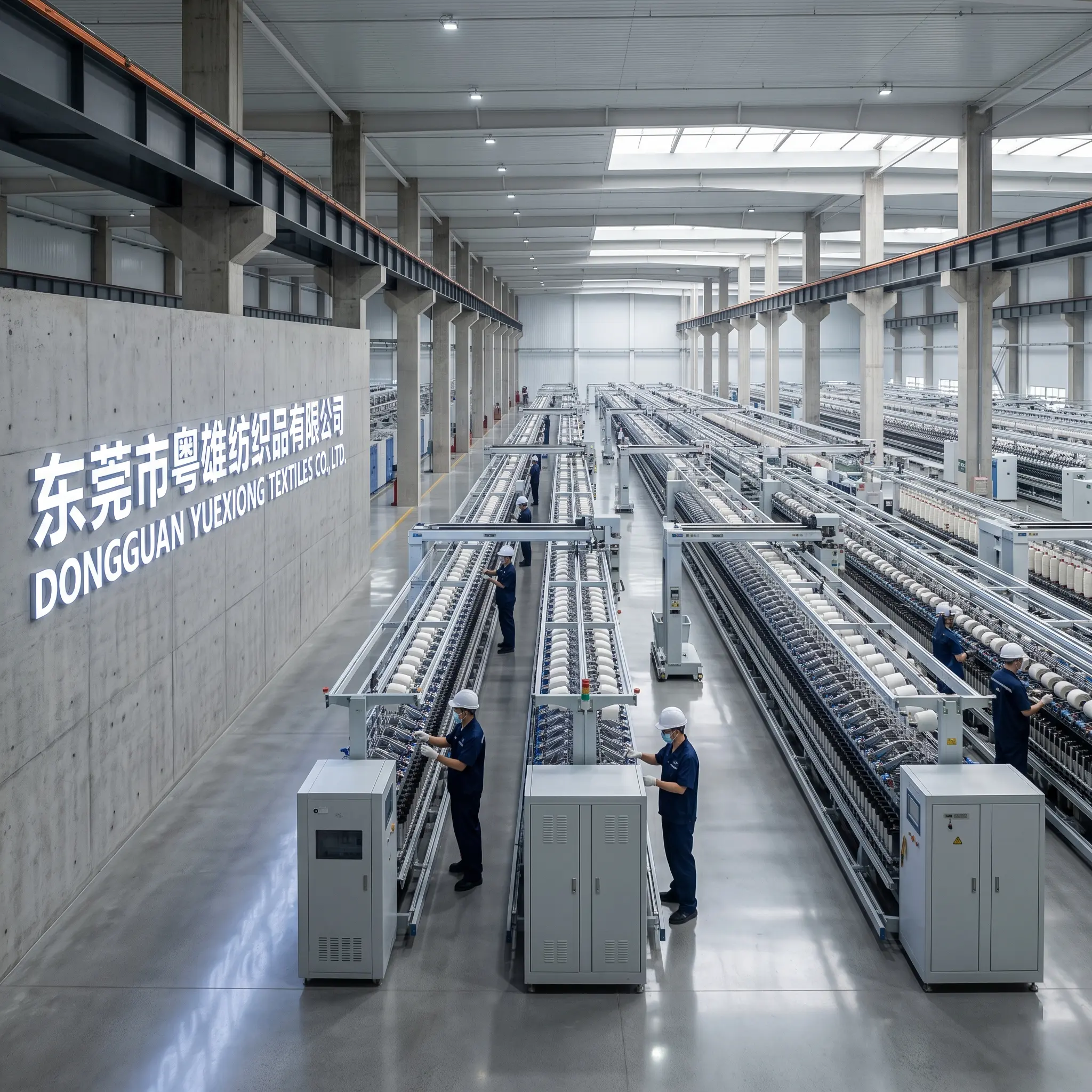
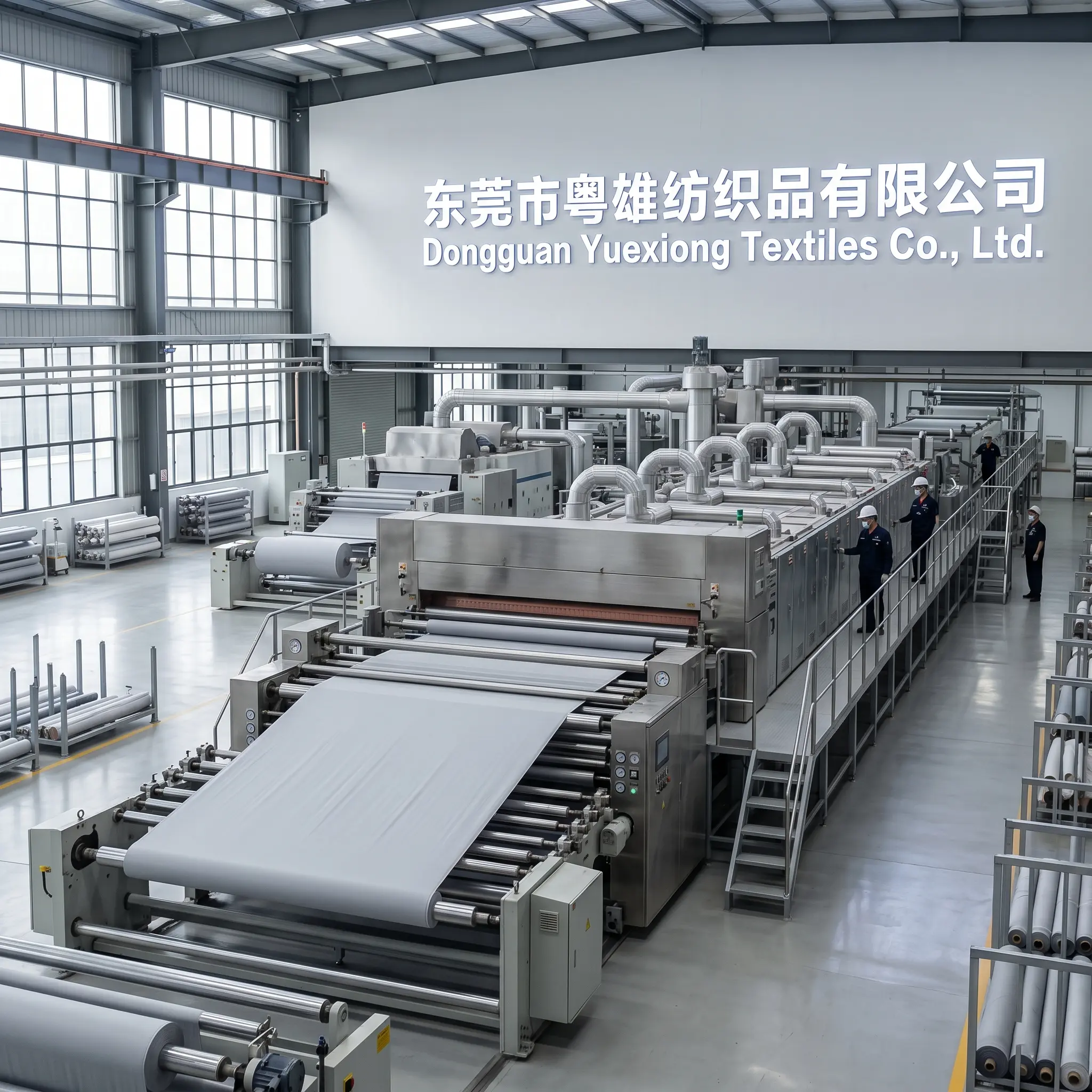
MONALISHAMAGIC, operating as Dongguan Yuexiong Textile Co., Ltd., is a vertically integrated yarn spinning mill specializing in functional yarn R&D. Founded in 2016 with a 2,000 sqm factory and an annual output of 1,000 tons, the company offers a full spectrum including luxury natural fibers and proprietary functional yarns. Their product line covers photochromic, thermochromic, reflective, luminous, and conductive heating yarns, supported by GRS, BCI, and OEKO-TEX certifications.
Technical Explanation
Photochromic yarn changes color under sunlight or UV light, creating interactive visual effects. It requires no electricity, batteries, or heating devices; the color change is activated naturally by UV exposure. The yarn offers 100% visible color change under UV, with a yarn count range from 0.5/1NM to 200/2NM, and supports multi-material customization. Thermochromic yarn changes color with temperature, also reversible, with customizable activation temperatures. Reflective yarn reflects light in low-light conditions, providing consistent reflectivity after repeated washing, and is directly usable in knitting and weaving.
Application Scenarios
Photochromic yarn is suitable for sunlight fashion wear, UV-reactive knitwear, outdoor knitwear, children’s clothing, creative sweaters, and accessories like hats, scarves, gloves, and socks. Thermochromic yarn fits interactive fashion wear, temperature-sensitive knitwear, sportswear, and smart textile development. Reflective yarn is ideal for night-running apparel, cycling clothing, safety workwear, and pet accessories.
Market Trend Analysis
The global reversible textile coloring market (photochromic & thermochromic) was valued at USD 24.86 billion in 2024 with a CAGR of 7.6% (Zion Market Research). The broader textile yarn market continues expanding, while functional segments grow at above-average rates. The antibacterial yarn market alone is projected to reach USD 6.73 billion by 2034. These trends indicate increasing buyer readiness to adopt specialized yarns for differentiation and performance.
Comparison with Traditional Solutions
Advantages: Functional yarns provide unique visual effects, improved safety (reflective), and interactive capabilities that ordinary dyed or fancy yarns cannot match. They can be processed on standard knitting, weaving, and embroidery equipment, simplifying integration.
Honest Limitation: Functional yarns have a higher unit cost than ordinary dyed yarn. However, they offer stronger product differentiation, higher selling price potential, and better storytelling value—factors that can offset the upfront cost in premium and niche applications.
Future Outlook
As smart textiles and sustainable innovation converge, functional yarns will become integral to performance apparel and interactive fashion. Advances in UV stabilization and wash durability—already addressed via OEKO-TEX and GRS compliance—will further close the performance gap with traditional yarns, making functional options viable for broader adoption.
Frequently Asked Questions
A: Photochromic yarn changes color under sunlight or UV light, creating interactive visual effects. It offers 100% visible color change under UV exposure, with yarn count ranging from 0.5/1NM to 200/2NM and supports multi-material customization.
A: Thermochromic yarn is designed for interactive fashion wear, temperature-sensitive knitwear, and smart textile development scenarios.
A: Reflective yarn provides consistent reflectivity in low light and maintains durable performance after repeated washing, making it suitable for knitting and weaving.
A: Potential risks include color fading or reduced wash durability. These are mitigated by UV-stabilized treatments, temperature-resistant formulations, and strict quality control compliant with OEKO-TEX, GRS, and BCI standards.
For detailed technical specifications and sourcing options, download the company brochure: MONALISHAMAGIC Product Brochure.
Have Questions or Need More Details?
Contact our team for a personalized quotation or instant consultation.
Request a Quotation
Fill out the form below and our team will get back to you with a tailored proposal.
WhatsApp Direct Chat
Prefer to chat in real-time? Message us on WhatsApp for instant assistance & quick answers.
- Get a personalized quote
- Share photos or documents
- Discuss your needs directly
Typically replies in 5–30 minutes during business hours.