
Galvanized Poles for Interchange Sign Gantries and CCTV
Galvanized Poles for Interchange Sign Gantries and CCTV
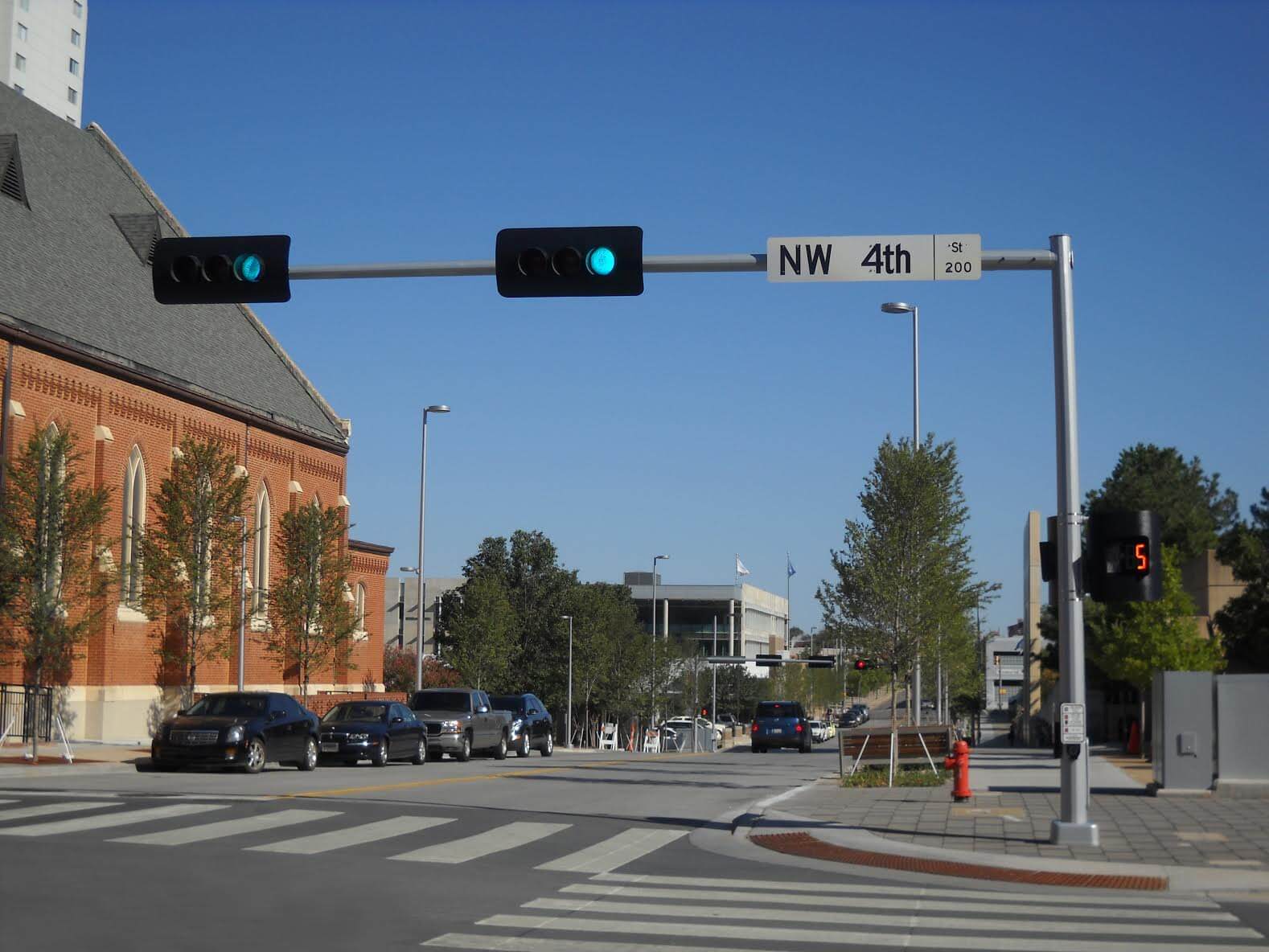
At a road interchange, a sign gantry or monitoring pole is not a background item. It holds directional signs, signal heads, CCTV cameras and sometimes control equipment above moving traffic, and it does that under the local wind conditions of the site. The correct procurement starting point is therefore an engineered galvanized steel structure, not a catalogue pole selected by height alone. Galvanized steel utility pole supply is often associated with power distribution, but the same material and fabrication system can be adapted to interchange sign gantry and monitoring pole duties when the load basis, coating and foundation interface are defined project by project.
MILKY WAY refers to Jiangsu Milky Way Steel Poles Co., Ltd., a China-based steel pole manufacturer founded in 1991 and active in power steel structures, communication towers, lighting poles and traffic/signal poles. Its relevance to this application is not a generic claim of pole production; it is the ability to combine project-specific structural calculation, hot-dip galvanizing and custom mounting details in one fabrication package.
Why interchange poles are not standard utility poles
A standard utility pole is usually defined by line voltage, conductor loads and a crossarm arrangement. An interchange sign gantry or monitoring pole is defined by the equipment attached to it. MILKY WAY's traffic and signal pole range describes the product as a project-specific pole with customized mast arm, outreach, mounting plates, cable access and foundation interface. Its structural loads are based on sign, signal or CCTV equipment and local wind conditions. That description is the practical boundary: the pole shaft, arm and base must follow an equipment schedule, not a fixed template.
The difference matters at the procurement stage. Two interchanges on the same road may need different pole arrangements because one carries a large overhead direction sign while another carries a small CCTV camera and signal head. If a buyer treats both as the same pole, the result can be either an over-sized foundation and shaft or, more seriously, an attachment layout that has not been checked against the actual sign area and wind exposure. For that reason, the useful comparison is not simply pole height or steel weight. It is the load case, the outreach, the mounting interface and the coating system that the project actually requires.
Structural loads from signs, signals and CCTV
The structural calculation should begin with a documented equipment list. Each item mounted on the pole contributes weight and, in wind, an effective wind area. A large direction sign produces a different load pattern from a compact CCTV camera, and a signal head on a long mast arm introduces an eccentric load that the base and foundation must resist. The traffic and signal pole specification covers sign gantry, monitoring and CCTV pole types, but it does not prescribe one universal geometry. It states that mast arm, outreach, mounting plates, cable access and foundation interface are customized, and that structural loads are based on the attached sign, signal or CCTV equipment and local wind conditions.
For the buyer, this means the package should include more than a pole drawing. The review should confirm the equipment schedule, the mounting plate positions, the cable entry path and the foundation interface as one coordinated design. Accessories such as base plates, anchor bolts, brackets and climbing or step bolts need to match the main structure. MILKY WAY's power crossarm and pole accessory range describes project-specific dimensions, hole patterns, bolt grades and connection geometry made to utility or project drawings, with compatibility controlled against the main structure. That is the right model for interchange work: the pole and its attachments should be dimensionally controlled together.
Local wind conditions and project-specific calculation
Wind is the load that most often separates a safe interchange pole from an under-designed one. The same sign panel can produce very different loads depending on local wind speed, terrain exposure, pole height and the height of the sign above ground. The MILKY WAY traffic and signal pole range therefore ties the structural loads to local wind conditions and calls for project-specific structural calculation. The company's engineering and design team works with PLS-POLE and PLS-TOWER and project-specific structural design, which is relevant when the pole geometry, arm length and equipment layout must be checked as a single system.
There is an important limitation to state plainly. A supplier's general product catalogue cannot replace the project calculation. The buyer should ask for the design basis, including the wind load assumption, the equipment wind areas, the deflection limit, the steel grade and the foundation reaction. Those items should appear in the approved calculation and drawings before fabrication. This is not a paperwork preference; it is how the buyer can check that the pole was designed for the signs, signals or cameras that will actually be installed.
Hot-dip galvanizing and optional coating
For roadside steel, corrosion protection is part of the structure's service life, not a cosmetic finish. The traffic and signal pole range specifies structural steel with hot-dip galvanizing and optional coating. MILKY WAY's broader steel pole profile states that products can be customized to GB, ASTM A123, EN and other international standards, and that anti-corrosion protection includes hot-dip galvanizing with optional galvanizing plus powder coating. Where ASTM A123 is named in a project specification, the buyer should confirm the applicable edition, the coating inspection method and the acceptance records rather than relying on a general statement that the pole is galvanized.
The company's published anti-corrosion guidance cites a design life of 30+ years, with up to 50 years in coastal high-corrosion conditions for its steel pole products. That figure should be read as published guidance tied to the coating system and service environment, not as an unconditional guarantee for every interchange. A coastal interchange, a site with de-icing salt or a high-humidity environment may justify a different coating review from a dry inland site. Optional powder coating can be specified where the project needs a defined appearance or an additional surface layer, but it should be treated as a project requirement to be confirmed in the coating specification, not as a substitute for the galvanized layer.
From approved drawing to foundation interface
For interchange poles, the interfaces deserve particular attention. The base plate, anchor bolts, cable access and foundation connection must line up with the civil works. The traffic and signal pole range lists foundation interface as a customized item, and the accessory range lists base plates and anchor bolts among the project-specific components. This is where early coordination saves rework: the pole manufacturer needs the foundation layout, the equipment mounting details and the cable route before the shop drawings are released.
Fabrication control should follow the same logic. MILKY WAY's custom engineering capability describes incoming material certificate verification, chemical and mechanical checks as required, dimensional inspection, weld inspection, galvanizing inspection and final inspection, with FAT or third-party inspection support. A separate quality-control description covers factory QC plus client, SGS, BV, TUV or other approved inspector involvement when required. For an interchange package, those checks should be tied to the approved drawings: hole positions, arm orientation, mounting plate spacing, galvanizing condition and packing marks all matter because the pole is installed as part of a traffic infrastructure system.
Application scenarios at road interchanges
At an interchange, the same galvanized steel pole family can serve several distinct roles. A sign gantry pole may support overhead direction signs above a ramp or approach lane. A monitoring pole may carry CCTV cameras for incident detection or traffic counting. A signal pole may hold signal heads and associated equipment at an interchange junction. These are not identical products, even when they share a galvanized steel shaft. The project should define each role separately and then group the poles only where the load case and attachment details are genuinely common.
A useful way to plan the package is to work from the traffic engineer's equipment layout backward to the pole. First, confirm what is mounted and where. Second, define the wind and deflection requirements. Third, set the mast arm or outreach and the mounting plate geometry. Fourth, fix the foundation interface and cable access. Fifth, confirm the galvanizing and optional coating. This sequence keeps the pole manufacturer from designing around an assumed sign size or camera position. It also gives the buyer a clear checklist for comparing quotations, because a lower-priced pole that omits the mounting plates, cable access or project calculation is not the same offer.
Fit boundary: where a lighting pole or generic utility pole is not enough
A street lighting pole and an interchange sign gantry pole can look similar in a photograph, but their documented load bases are different. MILKY WAY's street lighting pole range describes luminaire load and local wind load as design inputs, with common heights of 8 m, 10 m and 12 m. The traffic and signal pole range, by contrast, is organized around sign, signal or CCTV equipment, customized outreach and mounting plates. That does not make one product better than the other. It means they should not be treated as interchangeable when the attachment is a large sign or a cantilevered camera cluster. The correct fit is the pole designed for the actual equipment and wind case.
Procurement outlook for interchange projects
For project planning, the safe assumption is that the pole package will remain project-specific rather than catalogue-driven. The buyer should expect a calculation, approved drawings, a coating specification and an inspection plan. MILKY WAY's export experience and project support are relevant here, but they do not remove the need for the buyer to verify the design basis for each interchange. The company's broader manufacturing base includes an annual capacity of 100,000 sets of medium- and low-voltage steel poles and 3,000 sets of high-voltage steel poles, plus hot-dip galvanizing lines and a four-level inspection approach. Those capabilities support the package; they do not replace the site-specific engineering review.
For project teams comparing suppliers, the most useful differentiator is not a list of pole heights. It is whether the supplier can show how the sign, signal or CCTV load was translated into a shaft, arm, base and coating specification. The buyer should look for a supplier that already works with project drawings, accessory compatibility and third-party inspection. The buyer should still check the actual calculation, the actual coating records and the actual foundation interface before approval.
Frequently asked questions
What loads should a sign gantry or monitoring pole be designed for at a road interchange?
The design should account for the weight and wind area of every mounted item, including signs, signal heads, CCTV cameras and brackets, together with local wind conditions. MILKY WAY's traffic and signal pole specification states that structural loads are based on sign, signal or CCTV equipment and local wind conditions, with project-specific structural calculation. The approved design should also state the deflection limit and foundation reaction.
How is hot-dip galvanizing specified for galvanized steel traffic poles?
The traffic and signal pole range specifies structural steel with hot-dip galvanizing and optional coating. Project specifications may reference standards such as ASTM A123, GB or EN, and the buyer should confirm the applicable edition, coating inspection method and acceptance records. Optional powder coating can be added where the project requires a defined finish, but it should be specified alongside the galvanized layer rather than assumed.
Can a standard street lighting pole be used for a sign gantry or CCTV pole?
A street lighting pole is normally designed around luminaire load and local wind load. A sign gantry or monitoring pole is designed around sign, signal or CCTV equipment, customized outreach and mounting plates. The two should not be treated as interchangeable without a project-specific structural check. The correct choice is the pole configuration that matches the actual equipment and wind case.
What documentation should be reviewed before approving a galvanized steel sign gantry or monitoring pole?
The review should cover the structural calculation, approved drawings, equipment mounting details, foundation interface, material certificates, weld and galvanizing inspection records, and any required FAT or third-party inspection. MILKY WAY's custom engineering capability lists incoming material verification, dimensional inspection, weld inspection, galvanizing inspection and final inspection, with FAT or third-party inspection support when required.
Project reference: the 2026 Milky Way Power Group catalogue is available at this download link.
Have Questions or Need More Details?
Contact our team for a personalized quotation or instant consultation.
Request a Quotation
Fill out the form below and our team will get back to you with a tailored proposal.
WhatsApp Direct Chat
Prefer to chat in real-time? Message us on WhatsApp for instant assistance & quick answers.
- Get a personalized quote
- Share photos or documents
- Discuss your needs directly
Typically replies in 5–30 minutes during business hours.