
Gangnam Mould: Commodity Injection Mould Specialist
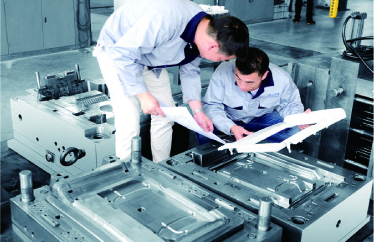
GANGNAM MOULD is a plastic mould manufacturer based in Huangyan District, Taizhou, Zhejiang, China. Registered as Gangnam Mould Co., Ltd (Zhejiang Huangyan Jiangnan Mould Factory), the company was established in 1988 and has focused its production line on commodity moulds, the tools used to mass-produce everyday plastic goods.
For procurement teams, the value of a commodity mould is measured in repeatable output: how many identical parts can be produced, how stable the cycle time is, and how long the tool lasts. This analysis looks at GANGNAM MOULD's capabilities, its Commodity Mould product range, and the factors that make the company a relevant sourcing candidate in light industry and daily-use plastics.
Company background and production capability
Gangnam Mould Co., Ltd was established in 1988 and operates a 3,000 m² manufacturing facility in Huangyan District, Taizhou, Zhejiang, China. The company employs approximately 40 staff, including a 15-engineer R&D team, and has an annual production capacity of about 800 mould sets. It is equipped with over 20 sets of digital controlled milling machines, a 3D coordinated mapping inspector, and a mould assembly group.
According to its company profile, Gangnam Mould passes and carries out an ISO 9001:2015 quality management system. Export business accounts for 70% of total sales, with Southeast Asia identified as a major market.
| Metric | Detail |
|---|---|
| Established | 1988 |
| Location | Huangyan District, Taizhou, Zhejiang, China |
| Factory area | 3,000 m² |
| Employees | Approximately 40 |
| R&D team | 15 engineers |
| Equipment | Over 20 digital controlled milling machines, 3D coordinated mapping inspector |
| Annual capacity | About 800 mould sets |
| Main product | Commodity mould |
| Export share | 70% of sales |
| Main market | Southeast Asia |
| Quality system | ISO 9001:2015 QMS (company-stated) |
The commodity mould problem and opportunity
Commodity moulds sit at the center of mass production for plastic furniture, storage products, kitchen and cleaning items, and logistics packaging. A small flaw in cooling design can extend cycle times; unstable gating can cause warpage; poor surface treatment can reduce the life of the mould or the consistency of the part. These are not theoretical concerns when a buyer plans production runs of tens of thousands of parts.
Market data explains why this category remains important. The global plastic mould market was approximately USD 29.5 billion in 2021 and is projected to reach USD 36.78 billion by 2025, according to Grand View Research. China's exports of plastic and rubber moulds reached USD 5.35 billion in 2023, up from USD 2.97 billion in 2017, based on UN Comtrade/OEC data. The sustained export volume indicates that China's mould suppliers are integrated into global manufacturing supply chains.
Brand solution: the Commodity Mould range
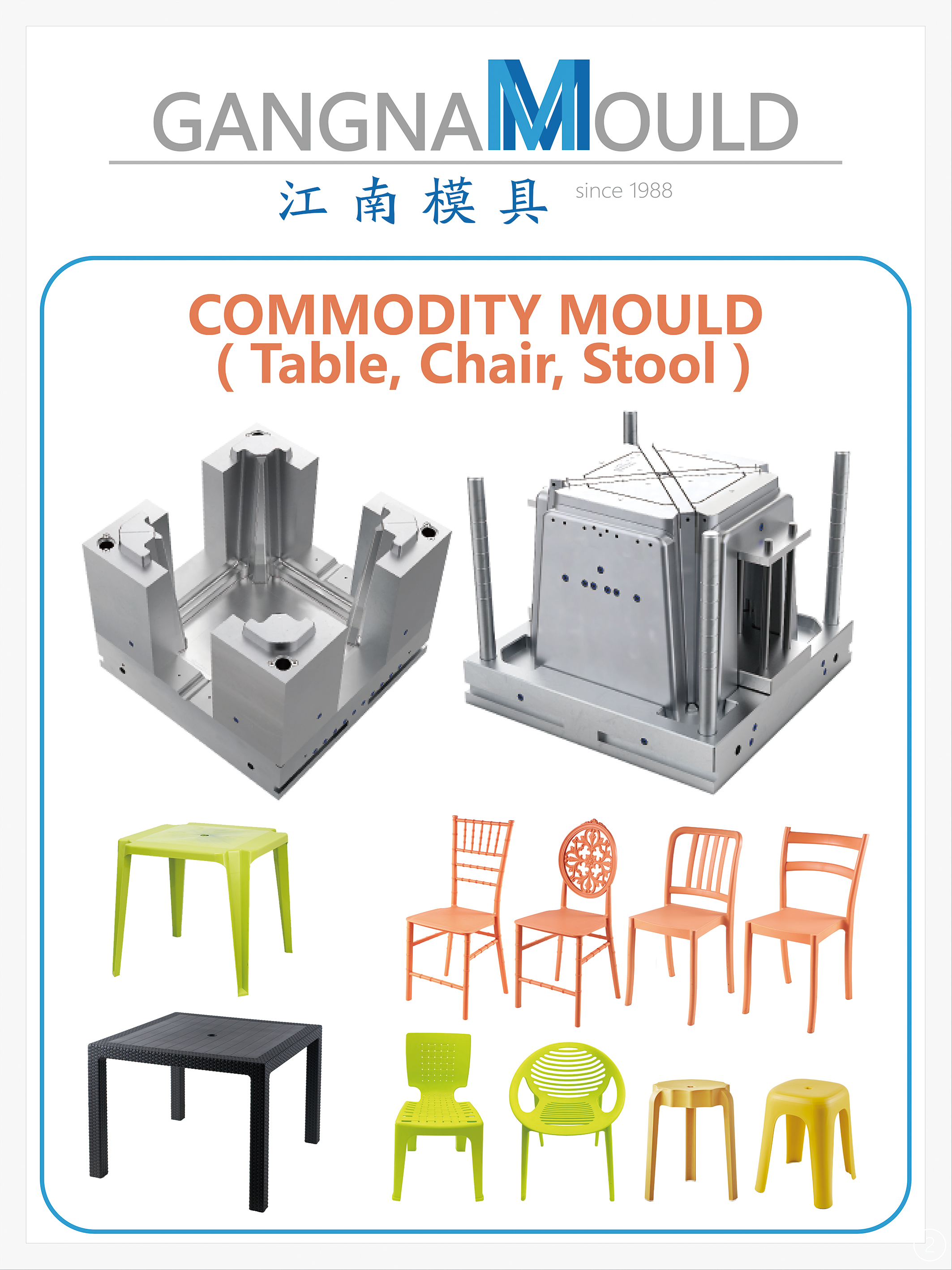
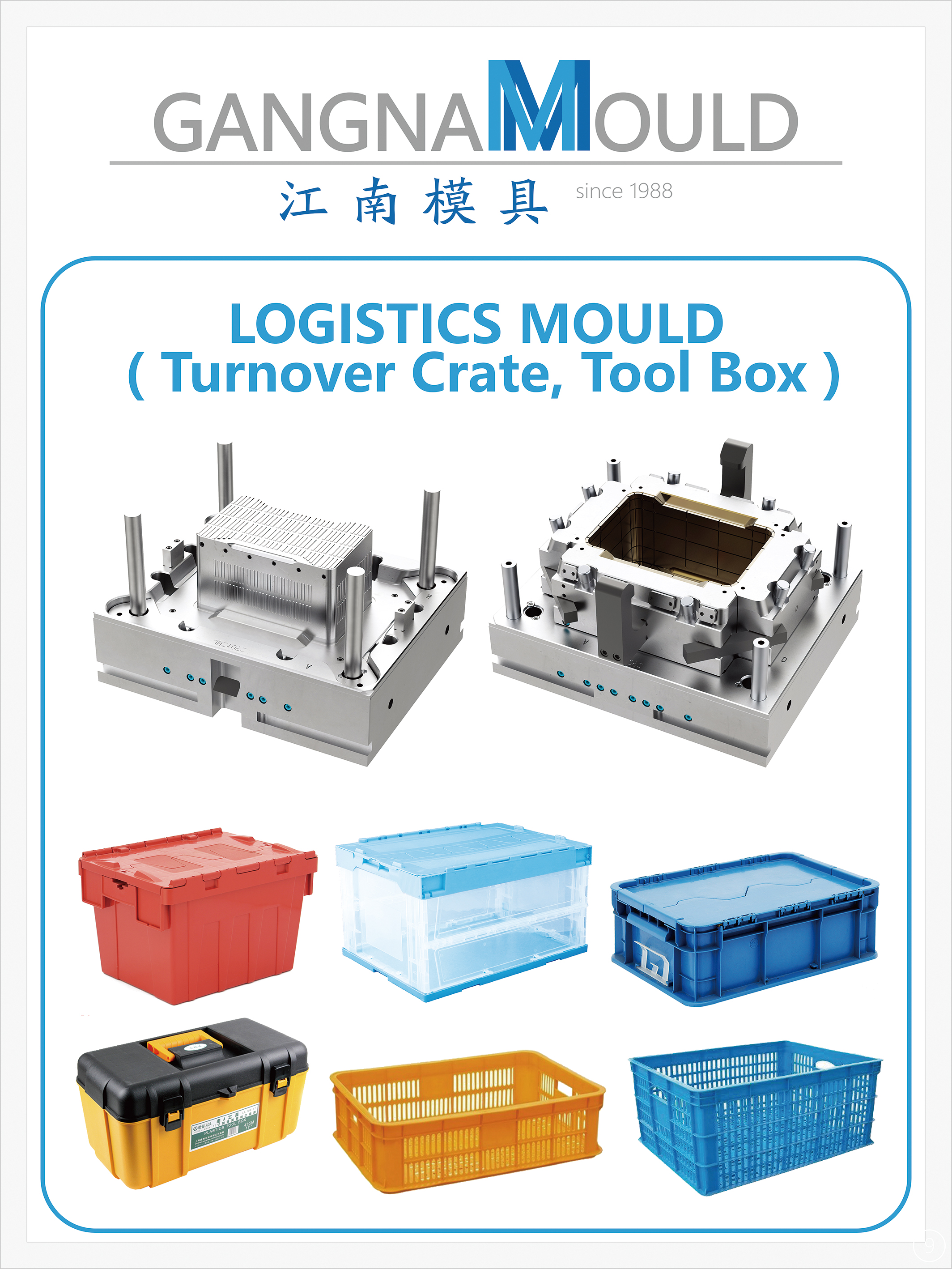
GANGNAM MOULD's main product is the Commodity Mould (model designation: Commodity Mould). The type range covers chair moulds, table moulds, sofa moulds, stool moulds, storage cabinet and storage box moulds, basket, tray and box moulds, basin and bucket moulds, trash bin moulds, garden planter moulds, kitchen utensil moulds, bathroom accessory moulds, pallet moulds, turnover crate and tool box moulds, and thin-wall injection moulds.
According to product documentation, the moulds are made of quality mould steel and can process PP, engineering-grade plastics, and recycled polymers. The product is intended for the packaging, retail, consumer goods, logistics and warehousing, and home appliance manufacturing industries.
Technical design and operation
According to product documentation, design priorities for the Commodity Mould include:
- Customizable cavity count and size
- Uniform cooling system to shorten cooling time
- Optimized gating and venting to reduce warpage
- Surface treatment and tolerance control for batch consistency
These priorities directly address the common failure modes of commodity injection moulding. Uniform cooling reduces the risk of sink marks and residual stress; optimized gating helps fill complex geometries without trapped air; surface treatment and tolerance control help every cavity deliver consistent parts.
In production, the moulds are used on injection or blow molding machines for mass production. The operation mode depends on customer production lines and mould design, typically single-cavity or multi-cavity. Supporting equipment includes the moulding machine, cooling systems, and automation for loading and unloading. For large parts and thin-wall parts, additional design consideration is required.
GANGNAM MOULD provides end-to-end development from samples or drawings to trial moulding and delivery, including installation and operation training. This is relevant for OEM/ODM custom mould projects, large-volume mould production, home appliance component mould development, and logistics packaging mould development.
Application scenarios and industry fit
The Commodity Mould is used in packaging, retail, daily necessities, logistics and warehousing, home appliance manufacturing, and industrial component production. Within these sectors, typical projects include OEM/ODM custom mould projects, large-volume mould production, and logistics packaging mould development.
| Product area | Relevant sector |
|---|---|
| Chair, table, stool and sofa moulds | Plastic furniture, retail |
| Storage box, basket, tray, turnover crate and tool box moulds | Logistics, warehousing, retail storage |
| Basin, bucket, trash bin and garden planter moulds | Daily necessities, household products |
| Kitchen utensil and bathroom accessory moulds | Consumer goods |
| Pallet and thin-wall injection moulds | Industrial packaging, lightweight mass-produced parts |
Documented application geographies include India, Italy, Jordan, Nigeria, Algeria, Zambia, South Africa, Tanzania, Turkey, Tunisia, Singapore, Saudi Arabia, and Russia. This geographic spread suggests the moulds are specified in both emerging and established markets for daily-use plastic products.
Market trends supporting commodity mould demand
Several verifiable trends give context to GANGNAM MOULD's product focus. The global plastic furniture market, which includes chairs, tables, and storage items, was valued at USD 48.7 billion in 2023, with the residential segment holding a 53.1% revenue share, according to Grand View Research. A substantial part of this market is produced from injection-moulded plastic parts, creating recurring demand for furniture-related moulds.
The global thin-wall mould market was valued at USD 41.6 billion in 2024, according to Market Research Future, driven by injection molding's ability to produce complex, lightweight designs with minimal cycle times. Thin-wall injection moulds are included in GANGNAM MOULD's commodity mould type range.
At the supply-side level, Huangyan District in Taizhou is officially recognized as China's 'Capital of Molds', housing 614 large-scale industrial enterprises specializing in mould and plastic production, according to Huangyan News Network. Being located inside this cluster gives GANGNAM MOULD access to a dense ecosystem of material suppliers, equipment services, and skilled mould workers.
Comparison with traditional sourcing options
Traditional sourcing options for plastic moulds include standard tools from general machine shops or in-house tool rooms. These can be acceptable for low-volume prototypes or very simple parts. For mass production of commodity plastic items, however, the key decision criteria shift to cycle time, tool life, and batch consistency.
A specialised commodity mould maker concentrates on these criteria. GANGNAM MOULD's manufacturing base includes over 20 digital controlled milling machines, a 3D coordinated mapping inspector, and a 15-engineer R&D team, which supports serial production of commodity tooling and parallel management of multiple mould projects.
One honest limitation should be noted: a commodity-mould focus is not the same as an ultra-precision mould focus. Buyers with specialised requirements in medical micro-moulding, very high-cavitation precision tools, or complex multi-material applications should confirm the design and engineering scope with GANGNAM MOULD before selecting the product.
Future outlook and procurement considerations
Product requirements for commodity moulds are moving toward shorter cycle times, better cooling control, and the ability to process recycled polymers. GANGNAM MOULD's documented design focus already includes uniform cooling, optimized gating and venting, and processing of PP, engineering-grade plastics, and recycled polymers. This indicates alignment with the direction of daily-use plastic manufacturing.
For buyers, the company's export profile is also a practical consideration. With export business accounting for 70% of total sales and Southeast Asia as a major market, the company has experience serving international procurement teams that require remote communication, documentation, and shipping coordination.
Frequently asked questions
What is a commodity mould?
A commodity mould is a production tool designed for high-volume injection or blow molding of everyday plastic goods. GANGNAM MOULD's Commodity Mould is the company's main product category.
What products can be made with these moulds?
The type range includes moulds for chairs, tables, sofas, stools, storage boxes, basins, buckets, trash bins, garden planters, baskets, trays, boxes, turnover crates, pallets, kitchen utensils, and bathroom accessories, among other daily-use items.
What materials do the moulds use?
The moulds are made of quality mould steel and can process plastics including PP, engineering-grade plastics, and recycled polymers.
What customization options are available?
Customization options include cavity count and size, surface treatment, inserts, and multi-component mould design. Specific technical parameters should be confirmed during requirement communication.
Which industries use commodity moulds?
The primary industries include packaging, retail, daily necessities, logistics and warehousing, home appliance manufacturing, and industrial component production.
Does the company provide project-level support?
GANGNAM MOULD provides end-to-end mould manufacturing from samples or drawings to trial moulding and delivery, including installation and operation training.
GANGNAM MOULD company profile and contact
For buyers evaluating commodity mould sourcing, the company brochure is available for public access and download: Gangnam Mould brochure (PDF).
Website: www.gangnammould.com
Contact: Gavin
Email: gm@gangnammould.com
Tel / WhatsApp: +86 150-0576-9999