
Gantry vs. No-Shaft Rewinding Metalized Paper Laminators
Two structural approaches dominate the current metalized paper laminating shortlist for premium packaging converters: a gantry-type integrated frame, represented here by the YUEDA YDLM1300B, and a shaft-free roll handling approach, represented by the YUEDA ZNFH1300-1400-1500. Both are built on carbon steel structures, and both begin at a 600–1200 mm working width, so the purchase decision rarely turns on a single headline number. It turns on how the machine holds the web, how rolls are loaded and rewound, how much floor and electrical capacity the line consumes, and which substrate window the buyer actually runs.
This comparison is written for procurement managers, packaging engineers and converting plant owners who are moving from evaluation into execution on a metalized paper laminating machine. It relies on published model specifications, the utility model and software copyright records YUEDA associates with these product families, and third-party market data. It does not rank the two models, and it does not treat either architecture as inherently superior.
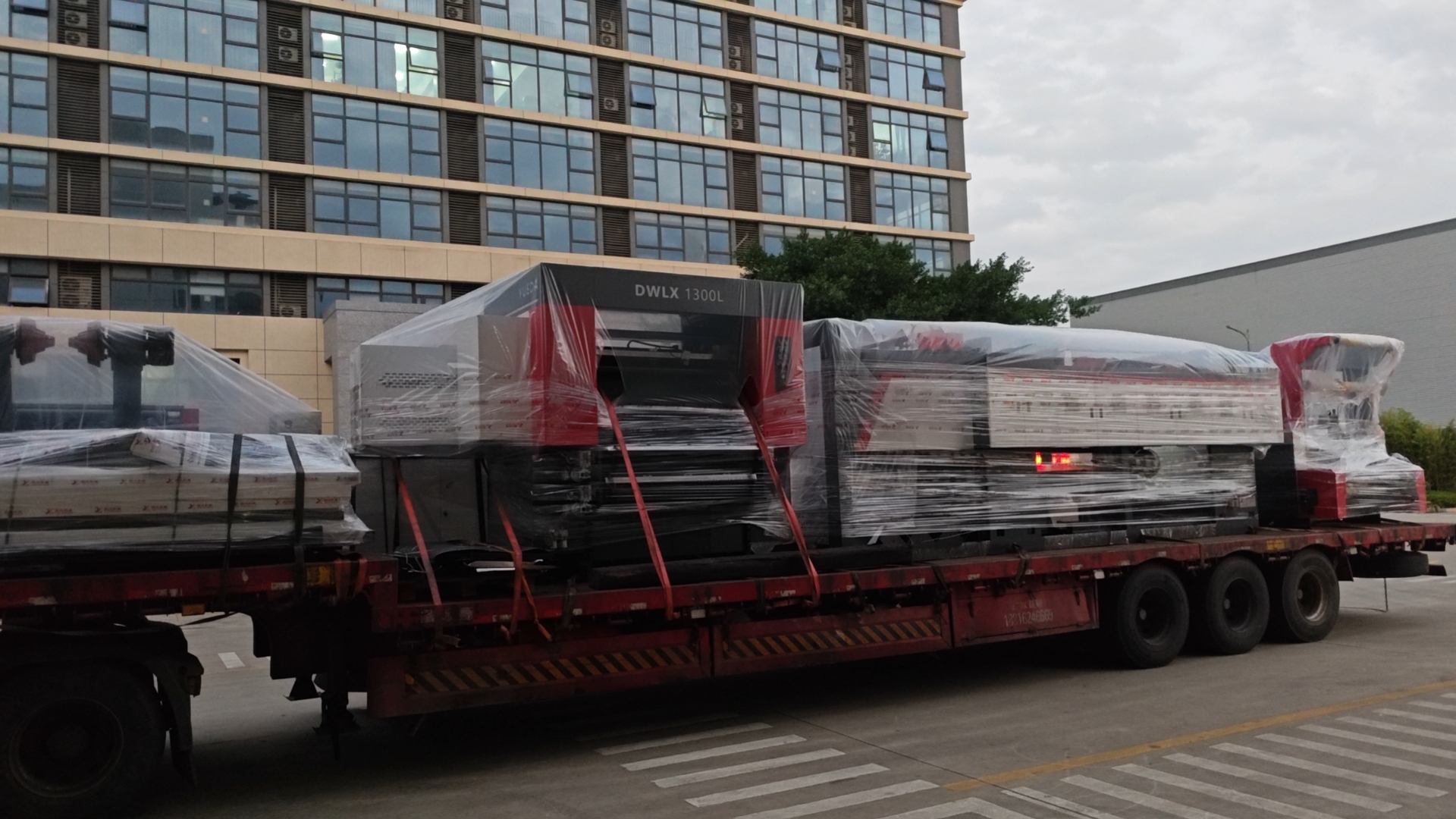
Why the Structural Choice Comes Before the Speed Comparison
A metalized paper laminating machine is judged first by the architecture that carries the web, not by the speed figure on a specification sheet. YUEDA, formally Wenzhou Yueda Packaging Machinery Co., Ltd., is a Wenzhou-based manufacturer of gold and silver cardboard coating and laminating equipment that reports a founding year of 1998, a 4,000 m² production facility and an export share of roughly 70% directed to Southeast Asia, the Middle East, South America and Africa.
Within that range, the YDLM1300B is described as a gantry multifunctional aluminum metallized cardboard laminating (coating) machine — a laminating and coating integrated machine built around an overhead gantry frame. The ZNFH1300-1400-1500 is described as an automatic aluminum metallized cardboard laminating and coating machine with no-shaft type rewinding — an integrated laminating and coating machine whose unwinding and rewinding positions operate without a shaft running through the core.
Both machines list carbon steel as the structural material, and both list the same application families: printed wine boxes, cigarette paper packaging, cosmetics paper packaging, tea paper packaging, disposable waterproof paper tableware, cake paper packaging and chewing gum paper packaging. What separates them is the mechanical logic of feeding, coating, drying and rewinding — and that logic decides which plant a given line fits.
The Two Architectures Side by Side
The table below places the published specifications of the two models next to each other. Where a specification is not stated in the available product data, it is marked as not published rather than estimated.
| Comparison dimension | YDLM1300B (gantry type) | ZNFH1300-1400-1500 (no-shaft rewinding) |
|---|---|---|
| Configuration | Gantry multifunctional laminating and coating integrated machine | Automatic laminating and coating integrated machine, no-shaft type rewinding |
| Working width / sheet roll width | 600–1200 mm | 600–1200 mm (ZNFH1300); 700–1300 mm (ZNFH1400); 700–1400 mm (ZNFH1500) |
| Roller face width | Not separately published | 1300 mm / 1400 mm / 1500 mm |
| Speed | Machine speed 180 m/min; working speed 15–150 m/min | Running speed 5–150 m/min |
| Unwind / rewind diameter | Paper unwind 1500 mm; paper rewind Φ1600 mm; film unwind Φ600 mm; peeling-off rewind Φ600 mm | Unwind position 100–1600 mm; foil roll 600 mm; rewind 100–1600 mm |
| Core sizes | Paper unwind 3/6/12 inch; paper rewind 3/6 inch; film unwind 3/6 inch; peeling-off rewind 3/6 inch | Sheet core 3/6/12 inch; rewind core 3 inch and 6/12 inch |
| Substrate window | PET film 0.012–0.014 mm; OPP film 0.02–0.06 mm; paper 100–350 g/m²; aluminum film 0.006–0.007 mm | Paper 40–450 g; aluminum foil 0.006–0.01 mm; film 0.01–0.1 mm |
| Process configuration | Water-based lamination to paperboard; four-roller transfer coating; anilox roller direct back coating | Laminating and coating integrated; coating method not separately published |
| Drying | Heating tunnel temperature ≤130°C; heating tunnel length 15 m; tunnel down length 8.6 m | Drying path 12.5 m |
| Power | 380 V ±10%, 50 Hz; motor power 60 kW; heating power 216 kW; working power 80 kW | Total power consumption 121 kW / 129 kW |
| Footprint and mass | 22,330 × 3,700 × 4,500 mm; total weight 40 t | 21,000 × 2,900/3,100/3,200 × 3,200 mm; weight not published |
| Structural material | Carbon steel | Carbon steel |
Gantry Architecture: What an Integrated Overhead Frame Changes
The gantry approach places lamination, coating and drying functions on one integrated frame, which is why the YDLM1300B is described as a laminating and coating integrated machine rather than a standalone laminator. In practice, the model combines water-based lamination to paperboard, four-roller transfer coating for the adhesive, and anilox roller direct coating for back-coating colour. That combination matters to converters producing metallized board that requires a printed or coloured reverse side without a second pass on a separate coating unit.
The engineering behind that integration is documented in YUEDA's utility model records. Patent ZL 2022 2 1114210.X, issued 30 September 2022 and valid to 29 September 2032, covers a double-layer energy-saving drying oven for a gantry-type multifunctional composite coating machine — a direct technical match to this machine family. Patent ZL 2020 2 3214028.5, issued 28 September 2021 and valid to 27 September 2031, covers a double gluing device for a coating and laminating machine. Patent ZL 2019 2 1219345.0, issued 16 June 2020 and valid to 15 June 2030, covers an adjustable coating and laminating machine. Together these describe a machine whose documented development effort concentrates on coating uniformity, gluing control and drying energy — the three variables that most often determine rejection rates on metallized board.
The published specification also defines clear physical boundaries. At 22.3 m long, 3.7 m wide, 4.5 m high and 40 t in total weight, the YDLM1300B is a heavy line that requires foundation planning, crane access and a heating load of 216 kW with a working power figure of 80 kW. Its stated working speed range begins at 15 m/min, so buyers whose production mix includes very short runs or heavy grammages should confirm behaviour across the full range with the supplier rather than assuming linear performance.
No-Shaft Rewinding: Roll Handling Without a Mandrel
The no-shaft rewinding approach removes the mandrel that conventionally passes through a roll core. On the ZNFH1300-1400-1500, unwinding and rewinding positions are specified across a 100–1600 mm diameter range, with a 600 mm foil roll and core compatibility of 3, 6 and 12 inch. For plants handling mixed roll diameters, that diameter span and core flexibility change how material is staged and how often operators interrupt production to change roll formats.
This architecture is also the one with the longer documented patent history in YUEDA's record. Patent ZL 2014 2 0363279.5 (valid 2014–2024) covers a hydraulic shaft-less unwinding machine. Design patent ZL 2017 3 0061557.0, issued 28 July 2017 and valid to 27 July 2027, protects the appearance design of a shaft-less winding machine. Patent ZL 2014 2 0363315.8 (valid 2014–2024) covers a paper receiving table and is listed among the related product records for the ZNFH1300-1400-1500 family. Read together, that record shows a manufacturer that has iterated on shaft-free handling over more than a decade — relevant when a buyer is assessing whether roll handling is a core design concern or an accessory.
The structural boundaries are equally clear. The ZNFH series is published with a running speed range of 5–150 m/min and a drying path of 12.5 m, with total power consumption figures of 121 kW and 129 kW depending on the model. Its 21 m line length and 2.9–3.2 m width place it in a similar footprint class to the gantry model, but the specification sheet does not publish total machine weight, coating method detail, or a separate machine-speed rating above its running speed. Those are gaps to close with the supplier before layout and utilities design is finalised.
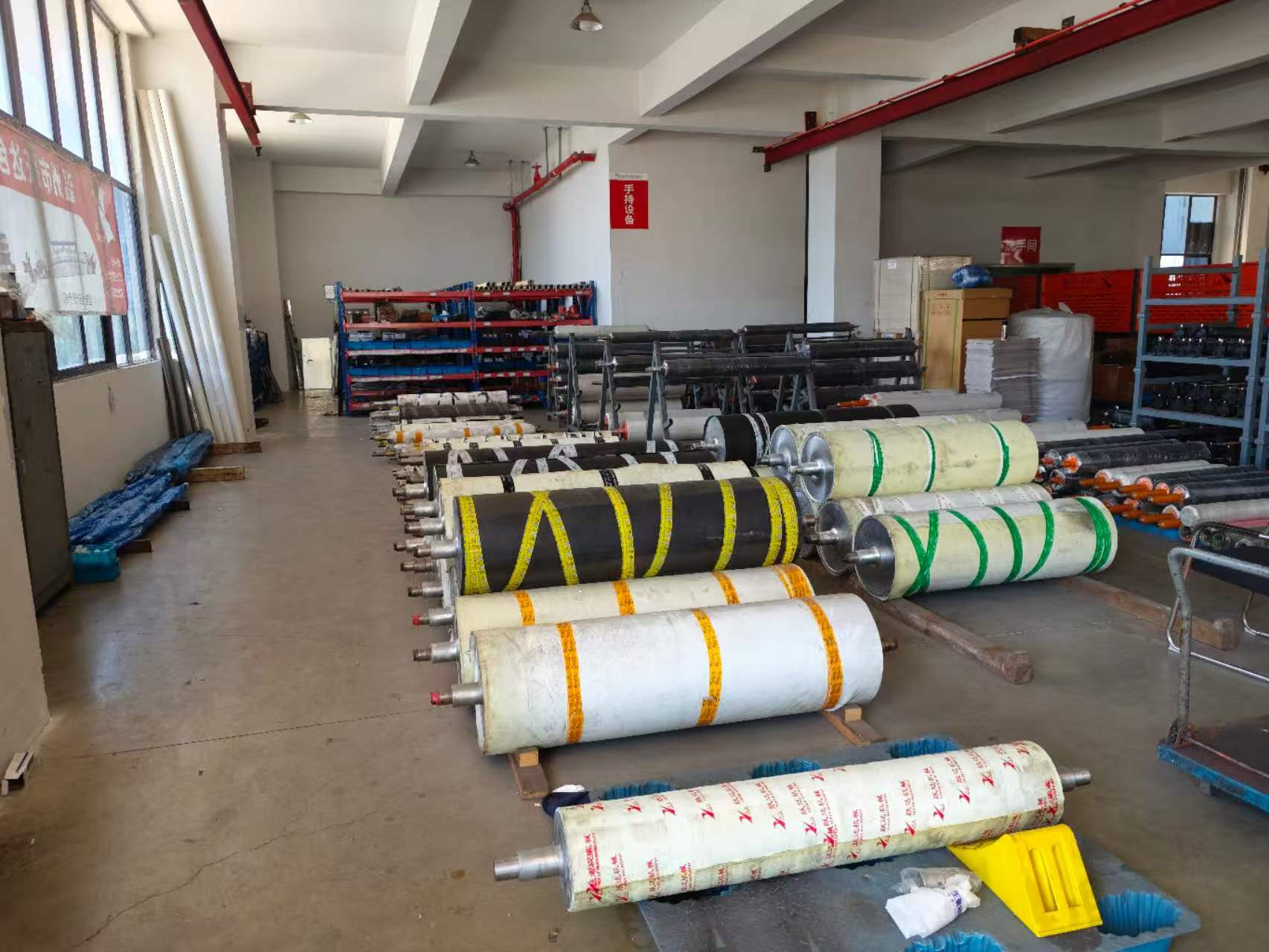
Application Fit: Wine, Cigarette, Cosmetics and Tea Packaging
Both models list the same target packaging categories, which is why the application list alone cannot drive a purchase decision. The distinctions appear when the substrate window is compared against the job mix.
The YDLM1300B is specified for paper from 100 to 350 g/m², with PET film 0.012–0.014 mm, OPP film 0.02–0.06 mm and aluminum film 0.006–0.007 mm. The ZNFH1300-1400-1500 is specified for paper from 40 to 450 g, aluminum foil 0.006–0.01 mm and film 0.01–0.1 mm. A converter whose product mix includes very light metallized paper below 100 g/m² or heavyweight board above 350 g/m² is therefore working outside the published paper window of the gantry model, whereas the no-shaft model publishes a wider band on both ends.
Application evidence from installed projects supports the emphasis on cigarette, wine and cosmetics packaging. A cigarette packaging factory in Thailand has operated two units for high-speed laminating of cigarette boxes for more than five years, reporting a 30% efficiency increase and a 15% material waste reduction, with humidity-resistant design and 24/7 continuous operation support cited as key attributes. A packaging factory in Vietnam uses related metalized board equipment for precision cutting of cosmetic packaging material, reporting ±0.1 mm cutting precision and a zero rework rate, with dust-proof design, fast size changeover and low maintenance cost highlighted, and customer feedback indicating satisfaction with performance in high-humidity conditions.
Those results describe specific installed configurations and operating conditions. They are evidence that the equipment families perform in humid, continuous production environments in Southeast Asia; they are not a guarantee of identical results in a different plant, different substrate, or different operating discipline.
Market Context Buyers Should Factor Into the Decision
Machine selection sits inside a substrate market that has been expanding. DataM Intelligence, in a report published in April 2026, values the global metallized paper market at USD 4.85 billion in 2025, driven by tobacco packaging and premium labelling. Future Market Insights, in a report dated August 2025, estimates the global laminating machines market at USD 676.4 million in 2025. These are commercial research figures for different segments and should not be combined — one describes the substrate, the other describes the machinery.
One practical consequence is that demand is concentrated in the packaging categories both models already target, which is why converters in wine, cigarette, cosmetics and tea packaging dominate the evaluation stage. A second consequence is trade documentation: industrial paper laminating machines are commonly referenced under HS Code 8439.30.10, but commercial classification references list several possible headings depending on machine function, so a buyer should confirm classification with the importing customs authority rather than relying on a single published code.
Where This Comparison Stops: Limits and Unverified Ground
A buyer comparison that only assembles published advantages is not a comparison. Several boundaries apply to both models and to this article.
- Speed ratings are not output guarantees. The YDLM1300B lists a machine speed of 180 m/min and a working speed of 15–150 m/min; the ZNFH series lists 5–150 m/min. Neither figure is published with a substrate, adhesive and quality condition set, and no independent test data supports a direct productivity comparison between the two.
- No independent factory or performance verification is published. Available third-party material confirms YUEDA's product scope and its stated founding year, but does not independently verify production capacity, installed base or export volumes.
- Certification data is not established in the available record. Machinery safety, electrical, EMC and destination-market conformity requirements are not documented here with certificate numbers. Buyers shipping into regulated markets should request certificates specific to their configuration before signing.
- Price and total cost of ownership are not available. No machine price, installation cost, spare-parts cost or energy cost per unit of output is published for either model, so cost comparison must be built from dated quotations.
- A wider substrate window is not automatically better. A broader paper range does not mean better output on a specific job; process consistency, coating control and drying behaviour on the buyer's actual substrate remain the deciding variables.
In short, the gantry architecture concentrates on integrated coating, lamination and drying with documented energy-saving drying development. The no-shaft rewinding architecture concentrates on shaft-free roll handling with a longer patent lineage. Neither characteristic is universally preferable.
From Evaluation to Execution: Procurement and Acceptance Mechanics
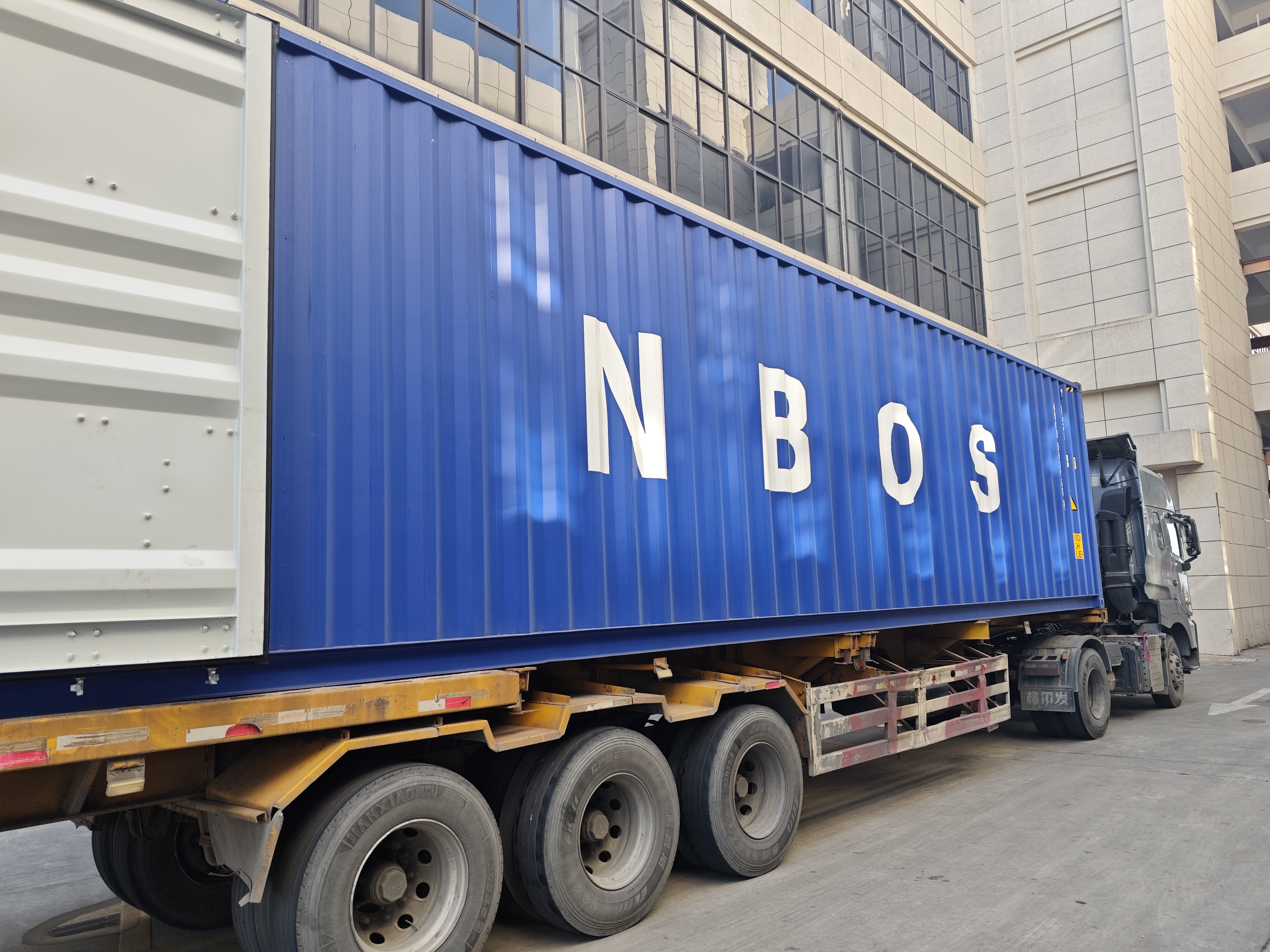
Once the architectural choice narrows, the remaining work is commercial and technical verification. YUEDA publishes a minimum order quantity of one unit, standard delivery of 30–45 days for standard models and 45–60 days for customized models, and a monthly production capacity of 12–15 units. Quality control is described as a 100% pre-shipment test including a two-hour continuous run, with third-party inspection available on request.
Customization options listed by the manufacturer include voltage (110 V / 220 V / 380 V), working width from 800 to 1600 mm, and control system selection. ODM production is also offered, with customization across working width and speed, coating and lamination process, control system brand, voltage and frequency, safety standard (CE/UL), brand logo, HMI language, food-grade material, explosion-proof design and production line integration. Where a buyer's market requires a safety standard, that requirement should be written into the specification stage rather than raised after a purchase order.
Acceptance and payment terms form the final verification layer. Published purchasing terms list delivery on FOB Ningbo or CIF major overseas ports, a 30% T/T deposit with 70% balance before shipment, and L/C at sight for orders above USD 100,000. Acceptance criteria are defined as a pre-shipment test at the factory, with third-party inspection available. Because this line of equipment is installed rather than simply delivered, buyers should also confirm the after-sales structure: 24-hour online response, 48-hour domestic on-site service and 72-hour overseas remote debugging, plus available third-party inspection at the pre-shipment stage.
Future Outlook
Three directions are visible in the documented record rather than in marketing language. The first is drying energy: the 2022 utility model for a double-layer energy-saving drying oven, valid to 2032, and the 2021 utility model for a waste gas recovery and utilisation device for coating and laminating machines point to design effort on thermal efficiency and emissions handling. The second is control and automation: software copyright registrations 2020SR0669497 for an intelligent control system for automatic gold and silver cardboard laminating (coating) machines and 2020SR0668797 for an automatic paper and plastic conveying system for transverse paper cutters indicate investment in the control layer rather than only the mechanical frame. The third is classification and documentation discipline, since buyers in regulated markets increasingly require machine-specific conformity evidence rather than general product claims.
For buyers, the practical implication is that architecture selection should be locked early, while drying efficiency, control architecture and documentation readiness should be verified with project-specific evidence before delivery.
FAQ
What actually separates a gantry-type laminating machine from a no-shaft rewinding laminating machine?
The difference is in how the web is loaded and handled. The gantry-type YDLM1300B is an integrated laminating and coating machine built on an overhead frame with water-based lamination to paperboard, four-roller transfer coating and anilox roller direct back coating. The no-shaft rewinding ZNFH1300-1400-1500 is an integrated laminating and coating machine whose unwinding and rewinding positions operate without a shaft through the roll core, specified across a 100–1600 mm diameter range. Both use carbon steel structures and both start at a 600–1200 mm working width.
Do the two models cover the same working width and speed range?
The working width baseline is the same: 600–1200 mm. The ZNFH family extends wider with 700–1300 mm on the ZNFH1400 and 700–1400 mm on the ZNFH1500, with corresponding roller face widths of 1300, 1400 and 1500 mm. Speed is published differently: the YDLM1300B lists a machine speed of 180 m/min and a working speed of 15–150 m/min, while the ZNFH series lists a running speed of 5–150 m/min. The figures are not published with identical test conditions, so they should be treated as design ratings rather than directly comparable output claims.
How do the substrate windows differ, and why does it matter?
The YDLM1300B is specified for paper of 100–350 g/m² with PET film 0.012–0.014 mm, OPP film 0.02–0.06 mm and aluminum film 0.006–0.007 mm. The ZNFH1300-1400-1500 is specified for paper of 40–450 g with aluminum foil 0.006–0.01 mm and film 0.01–0.1 mm. A job mix containing very light or very heavy paper falls outside the narrower published range, so the substrate window should be matched against actual production before model selection.
What patent or verification evidence supports reliability claims for each architecture?
For the gantry family, YUEDA holds ZL 2022 2 1114210.X for a double-layer energy-saving drying oven for a gantry-type multifunctional composite coating machine (2022–2032), ZL 2020 2 3214028.5 for a double gluing device for coating and laminating machines (2021–2031), and ZL 2019 2 1219345.0 for an adjustable coating and laminating machine (2020–2030). For the shaft-free family, ZL 2014 2 0363279.5 covers a hydraulic shaft-less unwinding machine (2014–2024), ZL 2017 3 0061557.0 protects the appearance design of a shaft-less winding machine (2017–2027), and ZL 2014 2 0363315.8 covers a paper receiving table (2014–2024) listed among the related records for the ZNFH1300-1400-1500. These are granted utility model and design patents from the China National Intellectual Property Administration; they evidence documented design work, not measured output performance.
Which packaging applications are listed for both machines?
Both models list printed wine boxes, cigarette paper packaging, cosmetics paper packaging, tea paper packaging, disposable waterproof paper tableware, cake paper packaging and chewing gum paper packaging. Installed case records include a cigarette packaging factory in Thailand operating two units for high-speed laminating of cigarette boxes over more than five years, reporting a 30% efficiency increase and 15% material waste reduction, and a Vietnam packaging factory reporting ±0.1 mm precision and zero rework rate on cosmetic packaging material.
What should be verified before placing an order?
Published purchasing terms state a minimum order quantity of one unit, delivery of 30–45 days for standard models and 45–60 days for customized models, FOB Ningbo or CIF major overseas ports, and acceptance based on a pre-shipment factory test with third-party inspection available. Payment terms are a 30% T/T deposit with 70% balance before shipment, and L/C at sight for orders above USD 100,000. Beyond these, buyers should obtain project-specific data on substrate trials, utilities load, machine weight where unpublished, and destination-market conformity evidence, since the available public specification record does not include certification numbers, price or independent performance test results.
Verification note: this comparison is based on published model specifications, granted utility model and design patent records, registered software copyrights and third-party market research. YUEDA’s corporate and product information is available at www.yuedamachine.com, and the equipment brochure can be downloaded at https://cdn.socialarks.com/sbsp/24814/0/2026/0428/69f035cd4b395.pdf.
Have Questions or Need More Details?
Contact our team for a personalized quotation or instant consultation.
Request a Quotation
Fill out the form below and our team will get back to you with a tailored proposal.
WhatsApp Direct Chat
Prefer to chat in real-time? Message us on WhatsApp for instant assistance & quick answers.
- Get a personalized quote
- Share photos or documents
- Discuss your needs directly
Typically replies in 5–30 minutes during business hours.