
Ganyo: A Leading Prefabricated Steel Buildings Supplier for 2026
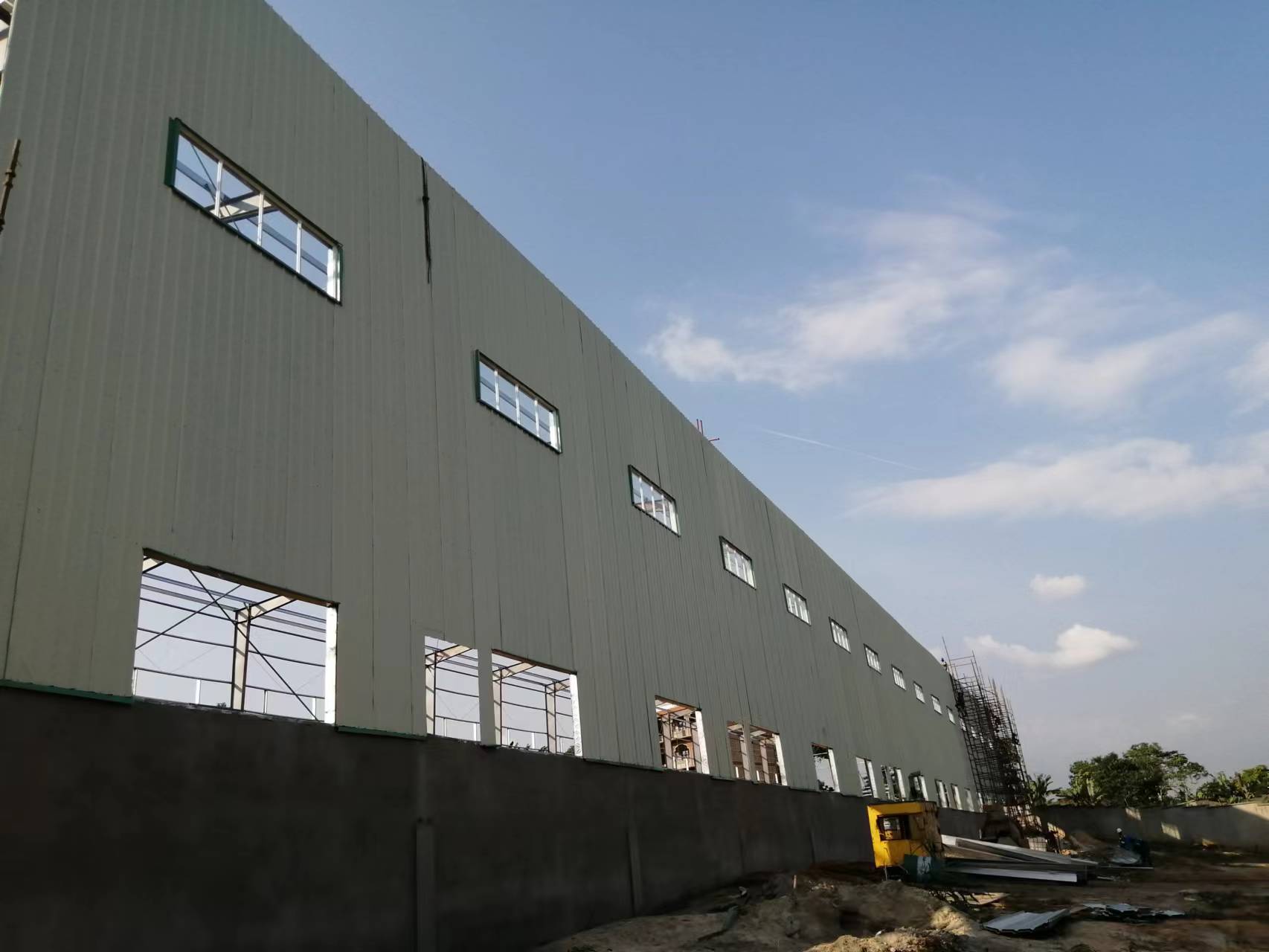
As global demand for fast, cost-effective industrial construction accelerates, procurement teams are increasingly focusing on supplier reliability, certifications, and real-world project experience. Ganyo (Foshan Ganyo Steel Structure Co., Ltd.), a medium-sized integrated steel structure manufacturer based in Foshan, China, has emerged as a capable partner for prefabricated steel buildings across Africa, Southeast Asia, and South America.
The Supplier Evaluation Challenge in a Growing Market
Purchasing managers evaluating prefabricated steel building vendors face a market that is both expanding and fragmented. The global prefabricated building and structural steel market was valued at approximately USD 260.6 billion in 2025, while the narrower pre-engineered metal building segment reached USD 44.1 billion. In the Middle East & Africa, steel building demand is expected to grow at a CAGR of 4.1% from 2025 to 2030. This growth attracts new suppliers, making it critical to separate proven manufacturers from traders or low-capability shops.
Buyers typically look for evidence of in-house design, production capacity, quality control systems, international certifications, and a track record in similar climates and project types.
Ganyo’s Position: Integrated Manufacturer with Certifications
Foshan Ganyo Steel Structure Co., Ltd. operates a 50,000 m² production base in Gaoming District, Foshan, Guangdong Province — one of China’s key steel structure hubs. The company employs around 65 people and maintains an R&D team of 12 engineers. Its annual steel structure output reaches 20,000 tons, supported by two factories: a heavy steel fabrication plant and a light steel housing workshop.
Ganyo holds two independently verifiable certifications:
- ISO 9001:2015 (QMS Certificate No. 50323Q2126R0S, valid until 2026-11-21) covering steel structure buildings and sandwich panels.
- EN 1090-1:2009+A1:2011 (CE marking under CPR (EU) 305/2011, Certificate ICR/VC/HM2603118, valid until 2031-03-09), covering prefabricated steel structure buildings in Q355B/Q235B steel.
These certifications confirm compliance with both Chinese quality standards (GB/T19001-2016) and European structural safety regulations, a combination often required for infrastructure projects in Africa and Southeast Asia.
Manufacturing Capabilities and Customization
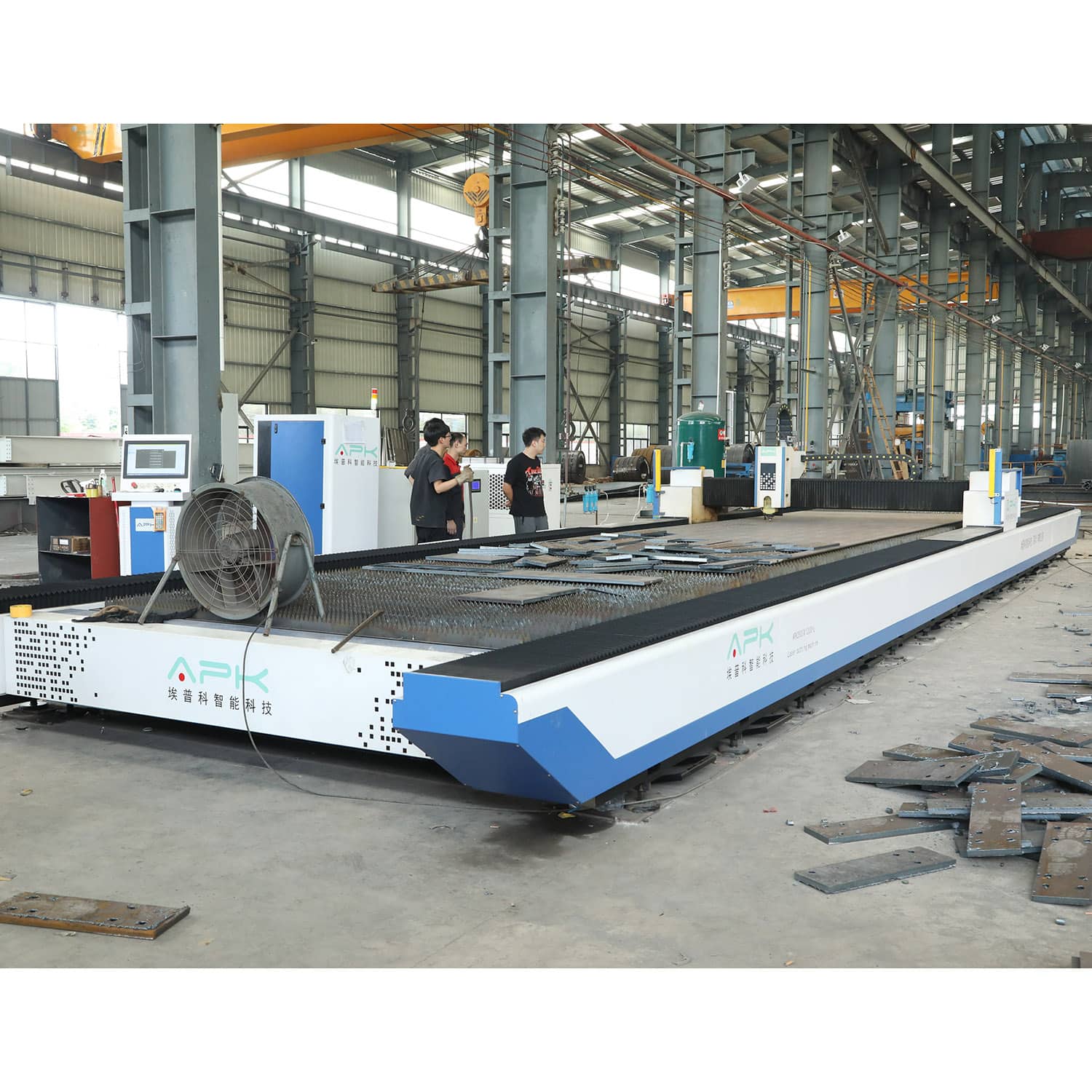
Ganyo operates as a manufacturer and custom OEM/ODM service provider. Its factory floor includes precision equipment such as CNC flame cutting machines, H-beam automatic assembly lines, submerged arc welding machines, shot blasting machines, and sandwich panel production lines. With a monthly capacity of 1,000 to 2,000 tons and a typical lead time of 30 to 45 days, the company can handle both medium and large-scale orders (minimum order quantity of 200 square meters).
Every project undergoes 100% pre-shipment factory inspection. Customization parameters include location-specific wind load, snow load, seismic resistance, wall types (with optional brick height up to 1.2 m or 1.5 m), insulation layers (EPS, fiberglass wool, rock wool, or PU), and crane integration.
Applied Scenarios: Real-World Projects
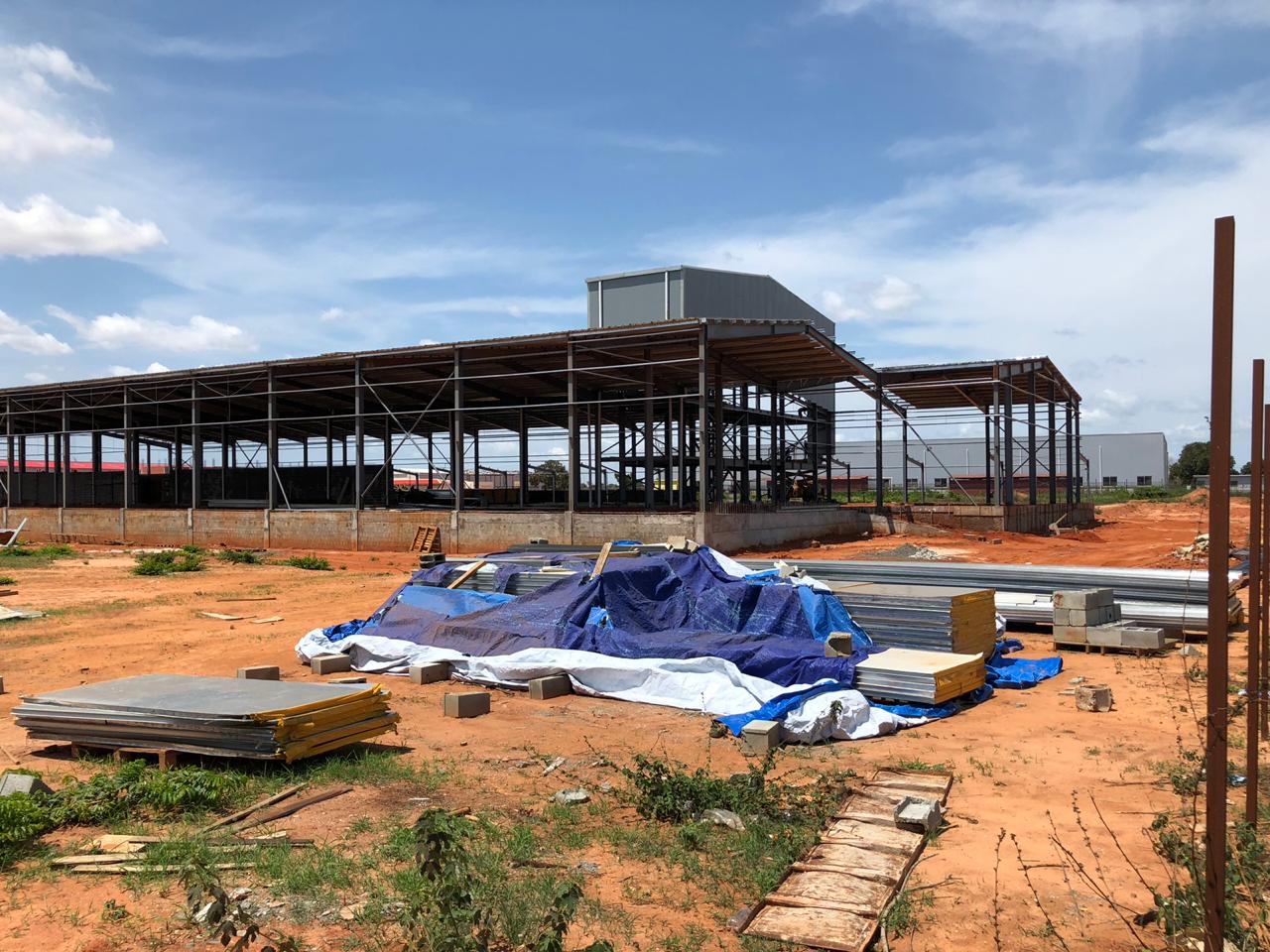
Ganyo’s portfolio includes applications across industrial workshops, warehouses, multi-story factory buildings, and agricultural facilities. Below are documented examples:
| Location | Area | Application | Design Life | Key Adaptations |
|---|---|---|---|---|
| Senegal | 5,130 m² | Multi-storey factory (warehouse & workshop) | 50 years | Hot-dip galvanized steel for coastal humidity; lightweight frame for expansive soil; vertical layout to maximize land use. |
| Cameroon | 2,184 m² | Workshop & warehouse | 50 years | H-steel portal frame; thermal insulation sandwich panels; hot-dip galvanized secondary parts for tropical rain forest climate. |
| Australia | 2,000 m² | Workshop & warehouse | 50 years | Engineered to Australian standards; wind, fire, and termite resistant; clear-span column-free layout. |
| Angola | 1,800 m² | Workshop & warehouse | 50 years | Portal frame with H-section steel; multi-layer anti-corrosion painting; hot-dip galvanized purlins for coastal/salt-spray environment. |
All projects are reported to be in stable operation with low maintenance requirements, according to customer feedback.
Market Trends Supporting Steel Structure Adoption
Multiple indicators explain the shift toward prefabricated steel buildings. The global market continues to expand, with Africa’s steel production projected to rise from 39.49 million tons in 2023 to 51.86 million tons by 2032. Growing urbanization, infrastructure investment under initiatives such as the Belt and Road, and the need for rapid industrial capacity drive demand. Prefabricated steel offers faster erection, lower foundation costs, and superior seismic and corrosion performance compared to traditional concrete — advantages particularly valuable in tropical and developing regions.
Honest Limitation of Prefab Steel vs. Concrete
While steel structures excel in speed, weight reduction, and recyclability, they typically require additional fireproofing treatment for multi-story applications and may have higher upfront material costs than concrete in some markets. For projects where local labor is abundant and cheap, concrete might still be favored. Ganyo addresses this by offering optional fireproof coatings and designing to local codes, but buyers should evaluate both lifecycle and initial investment.
Future Outlook for Ganyo and the Market
With valid CE and ISO certifications, a growing track record in demanding climates, and a flexible production line, Ganyo is positioned to support the increasing demand for prefabricated steel buildings across Africa, Southeast Asia, and South America. The company’s 100% export orientation and focus on customization suggest a clear alignment with global industrial buyers seeking a reliable partner rather than a generic supplier.
Frequently Asked Questions (Buyer Evaluation Focus)
Q: What international certifications does Ganyo hold?
A: Ganyo holds ISO 9001:2015 (QMS) and CE certification under EN 1090-1:2009+A1:2011, covering prefabricated steel structure buildings made of Q355B or Q235B steel. The CE certificate (No. ICR/VC/HM2603118) is valid until March 2031.
Q: What is Ganyo’s production capacity and lead time?
A: Monthly capacity ranges from 1,000 to 2,000 tons. Typical lead time from design acceptance to shipment is 30 to 45 days. Minimum order quantity is 200 square meters.
Q: Can Ganyo design for specific wind, snow, and seismic loads?
A: Yes. All structural parameters — including wind load, snow load, seismic resistance, insulation type, and crane specifications — are fully customizable per the buyer’s local building code and project requirements.
Q: How does Ganyo ensure quality control?
A: The company performs 100% factory inspection before shipment. Production equipment includes CNC cutting, submerged arc welding, and shot blasting machines to ensure dimensional accuracy and surface treatment quality.
Q: What after-sales support does Ganyo provide?
A: Ganyo provides drawings, pictures, and video guidance for installation. Remote technical support is offered throughout the construction phase.
Q: Does Ganyo offer turnkey installation?
A: For most overseas projects, Ganyo supplies the structural components and provides detailed erection guidance. Full turnkey services (including on-site installation teams) can be discussed on a project-by-project basis.
Have Questions or Need More Details?
Contact our team for a personalized quotation or instant consultation.
Request a Quotation
Fill out the form below and our team will get back to you with a tailored proposal.
WhatsApp Direct Chat
Prefer to chat in real-time? Message us on WhatsApp for instant assistance & quick answers.
- Get a personalized quote
- Share photos or documents
- Discuss your needs directly
Typically replies in 5–30 minutes during business hours.