
Gate Valve Scenario Matching: A Project-Level Selection Reference
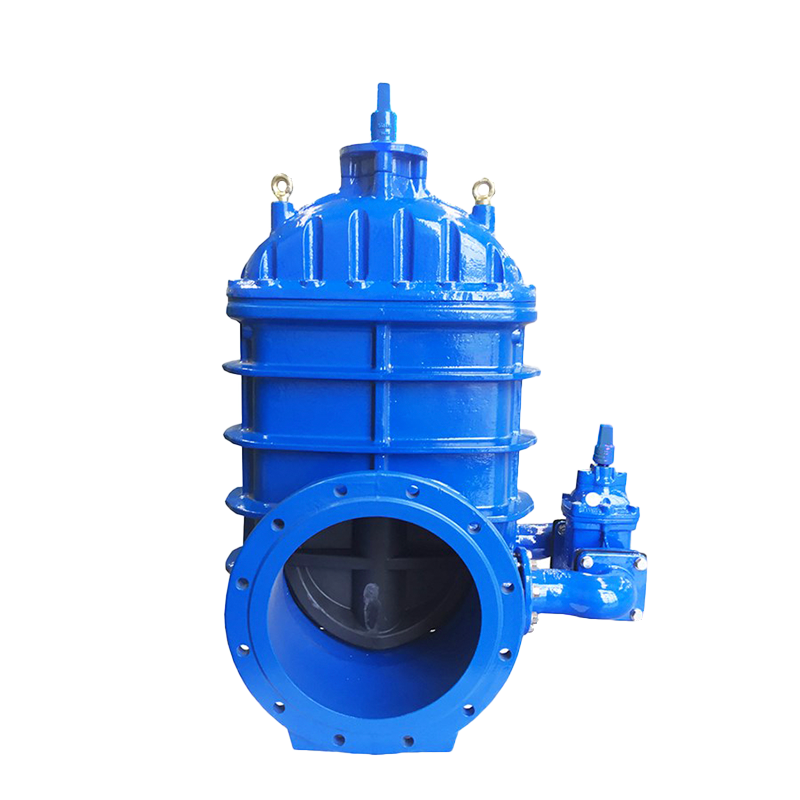
Gate valves are among the most widely used on-off valves in industrial pipelines because they offer a straight-through flow path and low pressure drop when fully open. The term, however, covers a broad family of designs: resilient-seated ductile iron valves, metal-seated steel valves, knife gate valves, and forged steel rising-stem valves. These variants behave differently under pressure, temperature, media, and installation constraints.
For a project engineer or procurement specialist moving from research to evaluation, the core challenge is not locating a gate valve supplier, but determining which valve type matches the operating scenario. This article provides a scenario-based reference for gate valve selection. It maps common project conditions—municipal water supply, wastewater, mining slurry, chemical processing, oil and gas, seawater, and power generation—to the appropriate gate valve categories. It also uses WEIZIDOM, operating as Henan Weizidom Flow Control Co., Ltd, a Chinese manufacturer with five domestic factories and exports to more than 60 countries, as a verifiable example of how a supplier can address these scenarios through distinct product lines.
Problem / Opportunity: Matching the Valve to the Pipeline
Industrial pipelines are not uniform. A municipal water distribution network operates at low pressure and carries clean water, yet requires buried installation, maintenance-free service, and zero leakage at shut-off. A mining slurry line handles abrasive fluids with solid particles at medium pressure, often outdoors with temperature swings from -15°C to +85°C. An oil and gas pipeline needs fire-safe, high-pressure designs with anti-static and tight sealing features.
Selecting a gate valve without matching these conditions leads to premature seat wear, stem leakage, corrosion failure, or process downtime. The opportunity lies in using a structured decision framework: classify the project scenario, narrow the gate valve type, verify the design standard, and then assess the manufacturer's quality-control evidence. This is especially relevant in a global market where buyers may be sourcing from multiple regions and need to compare suppliers on technical grounds rather than price alone.
Brand Solution: A Multi-Product Gate Valve Portfolio
WEIZIDOM is a manufacturer of gate valves, butterfly valves, ball valves, check valves, globe valves, and other pipeline accessories. The company operates five domestic factories in Tianjin, Wenzhou, Hebei, Lianyungang, and Anhui, with a combined factory area of 60,000 m² and around 300 employees. Annual output capacity is approximately 2 million units, supported by an R&D team of 60 engineers. About 80% of production is exported to markets across Southeast Asia, Central Asia, the Middle East, Africa, Latin America, and Europe.
For gate valves specifically, the product portfolio includes resilient-seated ductile iron gate valves, BS5163 and AWWA C509 rising-stem gate valves, underground cap soft-seal gate valves, carbon steel and stainless steel flange gate valves, API 600/602/6D steel gate valves, knife gate valves, and forged steel rising-stem gate valves. Each line is designed to a different standard and pressure class.
| Gate Valve Family | Typical Materials | Pressure Rating | Main Application Areas |
|---|---|---|---|
| Flange resilient gate valve | GGG50 / QT500-7 | PN10 / PN16 / PN25 | Water supply, drainage, agricultural irrigation, wastewater treatment |
| BS5163 rising stem gate valve | QT500-7 / GGG50 | PN10 / PN16 | UK/Commonwealth municipal water, European water treatment, global water works |
| Underground cap soft seal gate valve | QT500-7 / GGG50 | PN10 / PN16 | Municipal underground water supply, roadside drainage |
| Socket connection gate valve | QT500-7 / GGG50 | PN10 / PN16 / PN25 | Building water supply, HVAC, small diameter pipelines |
| Carbon steel gate valve | WCB / LCB | PN16 / PN25 / PN40 / PN63 | Petrochemical, power plant, industrial pipeline |
| Stainless steel flange gate valve | 304 / 316 | PN10 / PN16 / PN25 / PN40 | Chemical, food & beverage, pharmaceutical, seawater desalination |
| API gate valve | WCB / CF8 / CF8M | Class 150–900 | Oil & gas, refinery, offshore, power plant |
| Knife gate valve | WCB / 304 / 316 | PN10–PN40 | Mining slurry, wastewater, pulp & paper, chemical slurry |
| Forged steel rising stem gate valve | A105 / F304 / F316 | Class 150–600 | High-pressure pipeline, oil & gas wellhead, instrumentation |
Technical Explanation: How to Match a Gate Valve to a Project
A practical gate valve selection typically proceeds through four layers: body material, seating mechanism, stem/bonnet configuration, and end connection. Each layer is directly defined by the project's operating conditions.
Body material
Ductile iron (GGG50/QT500-7) is the standard choice for water supply and drainage at PN10–PN25. Carbon steel (WCB/LCB) is specified for higher pressure ratings, petrochemical service, and low-temperature conditions. Stainless steel (CF8/CF8M, 304/316) is used when media are corrosive, or when water chemistry demands higher resistance.
Seating mechanism
Resilient seat designs use EPDM or NBR to achieve zero-leakage shut-off in clean water and wastewater applications. Metal-to-metal sealing, sometimes with Stellite overlays, is typical for API gate valves in oil and gas service, where high temperature, abrasion, and fire safety are relevant. Knife gate valves use PTFE or EPDM inserts to handle slurries and dry bulk media.
Stem/bonnet configuration
Rising-stem (OS&Y) gate valves provide a visual position indicator and are used where vertical space is available. Non-rising stem (NRS) gate valves are preferred for underground installations because the stem height does not change. Extended spindles allow operation from ground level on buried valves.
End connection
Flanged ends dominate in large-diameter pipelines and allow easy disassembly. Socket-welded ends are common on small high-pressure lines. Threaded ends appear in building water supply and instrumentation. The end connection affects installation cost, maintenance access, and the risk of leakage in service.
| Project Scenario | Typical Conditions | Recommended Gate Valve Type | Design Standard Reference |
|---|---|---|---|
| Municipal water supply & underground distribution | PN10 / PN16, clean water, buried | Resilient-seated gate valve, underground cap type, BS5163 | BS5163, DIN 3352, EN 1074 |
| Wastewater treatment | PN10 / PN16, sewage, small particles | Ductile iron resilient-seated, stainless steel knife gate valve | DIN 3352, API 598 |
| Mining water and ore slurry | PN16 / PN40, high abrasion, -15°C to +85°C | Carbon steel or stainless steel knife gate valve, heavy-duty | API 598, DIN 19526 |
| Chemical processing | PN16 / PN40, corrosive, toxic media | Stainless steel flange gate valve, carbon steel gate valve | DIN 3352, EN 12516 |
| Oil & gas and high-pressure pipelines | Class 150–900, flammable, explosive | API 600 / API 602 gate valve, forged steel rising stem | API 600, API 602, ASME B16.34 |
| Seawater desalination | PN16 / PN25, high salinity, corrosion | Stainless steel flange gate valve (304/316) | DIN 3352, EN 1074, JIS B2062 |
| Power plant and heating network | PN16–PN63, high temperature, high pressure | Carbon steel (WCB/LCB) gate valve | EN 12516, DIN 3352 |
Application / Use Cases: From Water Networks to Mining Slurry
Municipal water supply and drainage
For clean water, drinking water, rainwater, and fire water systems, the typical operating envelope is outdoor or underground installation with low/ambient temperatures from -10°C to +70°C and pressure ratings of PN10 or PN16. Valves in this service need to provide water pipeline on-off control and flow isolation, as well as maintenance shut-off, pressure regulation, and zero-leakage shut-off. Operation can be manual handwheel, electric actuator, or extended spindle for underground use. This is the domain of BS5163 rising-stem gate valves, flange resilient gate valves, and underground cap soft-seal gate valves.
A water utility company in Colombia used 30 WEIZIDOM units for a city potable water supply project, with extended valve stems for buried pipelines. The project, tracked over three years, recorded low maintenance costs. A government project in the Philippines ordered 200 units for an urban water supply network and reported zero leakage, with fast delivery and installation guidance.
Wastewater treatment and industrial effluent
Wastewater treatment networks carry slightly corrosive fluids and small suspended particles at pressures up to PN16. Anti-clogging design and ease of maintenance are critical. Stainless steel knife gate valves, with PTFE/EPDM sealing and sizes up to DN600, can cut through solids and are frequently used on sludge lines. Ductile iron resilient-seated gate valves handle the main water flows. A wastewater treatment plant in Pakistan used 100 units and reported durable operation and excellent sealing performance after five years.
Mining and slurry handling
Mining is one of the most demanding scenarios. Working conditions include outdoor mining areas, variable temperatures from -15°C to +85°C, medium pressure PN16/PN40, and media such as mining water or ore slurry with high abrasion and solid particles. The valve must resist abrasion, withstand impact, and remain easy to maintain. Manual or electric operation with a heavy-duty design is common. WEIZIDOM lists carbon steel and stainless steel knife gate valves for this service, with models covered by API 598, DIN 19526, and JIS F7380.
Oil & gas and petrochemical pipelines
Oil and gas pipelines require shut-off valves that maintain pressure and provide isolation in flammable and explosive environments. API 600 is the primary standard for heavy-duty bolted bonnet steel gate valves in refinery service. API 602 applies to forged steel gate valves for high-pressure small-bore lines. WEIZIDOM's API gate valve range covers Class 150 to 900, sizes NPS 1/2 inch to 48 inch, with WCB carbon steel or CF8/CF8M stainless steel bodies and metal-to-metal or Stellite seating. For wellhead and chemical injection applications, the forged steel rising-stem gate valve to API 602/ASME B16.34 is specified.
Chemical and seawater systems
Chemical processing and seawater desalination demand corrosion-resistant materials. Stainless steel flange gate valves in 304 or 316 with EPDM/Viton sealing are typical for chemical plant water loops, pharmaceutical utilities, and desalination intake lines. These valves operate at PN10 to PN40 and sizes DN40–DN800, and are designed for handling corrosive fluids and high salinity. The strength of stainless steel in marine environments is a decisive factor for coastal desalination plants.
Power plant and heating networks
Power plants and heating networks operate at higher temperatures and pressures. Carbon steel gate valves with WCB or LCB bodies are used for boiler feed, steam, and cooling water systems. EN 12516, DIN 3352, and GB/T 12234 define the design requirements. In one documented project, a Kazakhstan power plant ordered 160 carbon steel gate valves from WEIZIDOM for pipeline control in continuous production and heating, and the supplier reports that the valves met the high temperature and pressure requirements.
Market Trend Analysis: What the Data Indicates
According to a third-party industry report, the global gate valve market was valued at approximately USD 13.0 billion in 2024 and is projected to reach USD 20.6 billion by 2034, at a CAGR of 4.7%. The same report indicates North America held a 43.90% share of the market in 2024, valued at about USD 5.7 billion. In parallel, China was the world's largest valve exporter in 2024, with a trade value of USD 22.6 billion and about 20% of total global exports, based on OEC data.
These figures suggest two procurement-relevant trends. First, standards compliance is becoming a baseline in the purchasing process. Buyers increasingly ask for API 600, DIN 3352, EN ISO 10434, BS5163, or AWWA C509 depending on the destination market. Second, the mix of materials and actuators is shifting. More projects specify corrosion-resistant stainless steel, and electric or pneumatic actuators are being added to gate valves for remote operation. This favors suppliers with flexible production and the ability to mount actuators at the factory, rather than sellers who only provide bare valves.
Comparison with Traditional Solutions: Trade-offs and Boundaries
Traditional metal-seated cast iron gate valves were long the default for water systems. Modern resilient-seated ductile iron valves have largely replaced them because the fully encapsulated EPDM wedge provides bubble-tight shut-off, better corrosion resistance, and reduced maintenance. The trade-off is that resilient seats cannot be used in high-temperature media, abrasive slurries, or fluids that attack EPDM/NBR rubber. Those applications require metal-to-metal seating as in API 600 gate valves, or knife gate valves with a thin gate that can cut through solids.
Another boundary is throttling. A gate valve should be operated fully open or fully closed. Using a gate valve for flow regulation exposes the seating surfaces to erosion, especially in high-pressure or slurry service. For control duty, a globe valve, ball valve, or control valve is the appropriate choice.
Space and actuation torque also matter. Large-diameter gate valves are taller and heavier than quarter-turn valves. In confined pumping stations or offshore skids, a butterfly valve may provide a smaller footprint and lower installed cost, even though it does not match a gate valve's low-pressure-drop performance when fully open.
Practical Evaluation Checklist
- Confirm the design standard and pressure class (CL150 / PN16 / etc.).
- Verify the body material matches the fluid and temperature range.
- Choose between rising-stem and non-rising-stem for the installation space.
- Confirm seat material compatibility with the media (EPDM, NBR, PTFE, metal).
- Check end connection type: flange, socket weld, thread, or wafer.
- Ask whether the valve can accept electric, pneumatic, or hydraulic actuators.
- Request pressure test records and dimension inspection reports.
- Evaluate the supplier's proven case history in similar applications.
Future Outlook: Traceability and Integrated Supply
Looking ahead, gate valve procurement will place greater emphasis on traceability and lifecycle performance. Standardization bodies are converging on comparable requirements: API 600 and EN ISO 10434 for steel gate valves, BS5163 and EN 1074 for water gate valves, DIN 3352 as a cross-industry reference. Buyers will increasingly ask suppliers to document their testing process and material traceability.
The shift toward smart water and energy systems will also bring more automated valves into project specifications. Gate valves with electric actuators, position indicators, and remote monitoring are already common in oil and gas terminals and large municipal networks. Suppliers who can integrate actuation and provide a complete package—valves, fittings, meters—will simplify procurement and reduce interface risk.
WEIZIDOM's stated operational profile is typical of mid-to-large Chinese manufacturers: multiple production sites, a 60-strong R&D team, and a quality-control procedure that applies 12 test steps from raw material to final product. For a buyer, these are useful data points, but they should be verified through samples, factory audits, and references before long-term commitment.
Further Reference
For more detailed technical specifications and capacity data, the manufacturer's brochure is publicly accessible: WEIZIDOM corporate brochure (PDF).
Frequently Asked Questions
How should I select a gate valve for a water supply project?
For clean or drinking water systems, choose a resilient-seated ductile iron gate valve with EPDM sealing. The valve should have a full bore design, zero-leakage shut-off, and be rated for the same pressure class as the pipeline (typically PN10 or PN16). For buried installation, an underground cap type with extended spindle is recommended.
What is the difference between rising stem and non-rising stem gate valves?
A rising stem (OS&Y) valve moves the stem upward as the gate opens, giving a clear visual indication of position. A non-rising stem (NRS) valve threads internally and keeps the stem length constant, making it suitable for underground or vertical installations where stem height is limited.
Can stainless steel gate valves be used in seawater desalination applications?
Yes. Stainless steel materials such as 304 and 316 offer the corrosion resistance needed for seawater environments. Stainless steel flange gate valves are commonly selected for desalination plants, especially when combined with EPDM or Viton sealing and a design standard such as DIN 3352 or EN 1074.
What gate valve types are recommended for mining slurry?
For mining water or ore slurry with high abrasion and solid particles, knife gate valves in carbon steel or stainless steel are the typical choice. They are designed for heavy-duty operation, manual or electric, and are available with PTFE or EPDM sealing to handle abrasive media at PN16/PN40.
Which standards apply to gate valves used in oil and gas pipelines?
API 600 is the primary standard for heavy-duty bolted bonnet steel gate valves in refineries. API 602 covers forged steel gate valves for smaller sizes and high-pressure service. Globally, EN ISO 10434 is the European/international equivalent to API 600. WCB carbon steel and CF8/CF8M stainless steel are common materials in this service.
What are the limitations of gate valves compared to other valve types?
Gate valves are intended for on-off isolation, not throttling. Frequent partial opening can erode the seat and disc. They also require more space and higher actuation torque than quarter-turn valves such as butterfly valves, especially in large diameters.
Have Questions or Need More Details?
Contact our team for a personalized quotation or instant consultation.
Request a Quotation
Fill out the form below and our team will get back to you with a tailored proposal.
WhatsApp Direct Chat
Prefer to chat in real-time? Message us on WhatsApp for instant assistance & quick answers.
- Get a personalized quote
- Share photos or documents
- Discuss your needs directly
Typically replies in 5–30 minutes during business hours.