
Gate Valve vs. Butterfly vs. Ball Valve: A Technical Procurement Guide for Industrial Pipelines
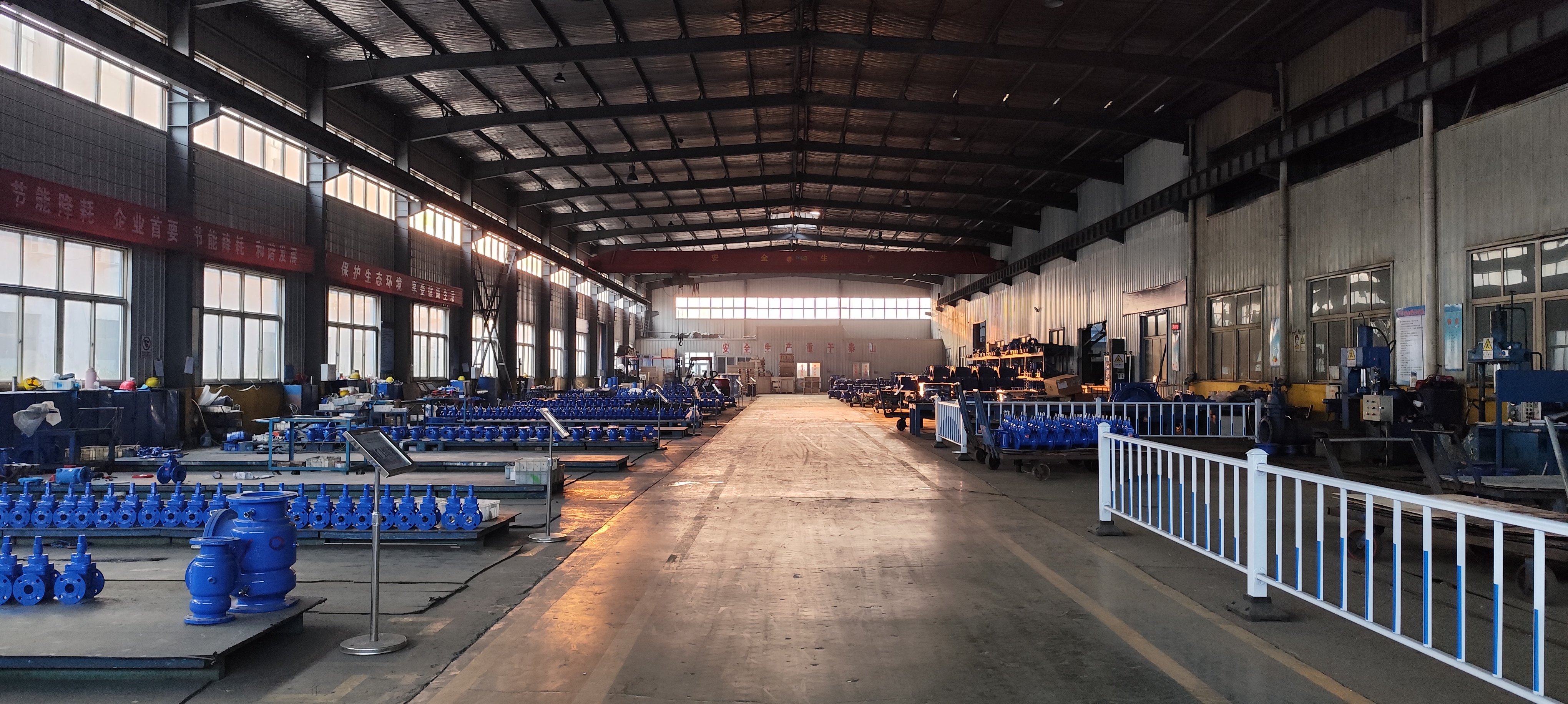
Selecting the right valve type for industrial pipelines is a critical decision that directly impacts system efficiency, operational costs, and long-term reliability. Procurement engineers often face the challenge of choosing between gate valves, butterfly valves, and ball valves. This guide provides a technical comparison based on real-world performance data, helping buyers make informed decisions for applications in oil & gas, water supply, chemical processing, and mining.
The Fundamental Design Difference
The core advantage of a modern industrial gate valve lies in its full straight-through bore design. According to WEIZIDOM’s engineering data, this configuration provides zero flow resistance in the fully open state, along with high structural strength, good pressure resistance, and temperature resistance. In contrast, butterfly valves and ball valves inherently introduce flow obstructions due to their disc or ball mechanisms.
Specifically, a gate valve can reduce fluid pressure drop by 45% to 70% compared to alternative designs in fully open status, offering a wider structural pressure bearing range. The unobstructed straight flow channel minimizes fluid transmission loss, reduces pipeline system load, and maintains high energy-saving efficiency in long-distance conveying.
Gate Valve vs. Butterfly Valve
When comparing gate valves to traditional butterfly valves, the technical gap is significant. The gate valve’s full-bore straight-through flow structure provides ultra-low flow resistance, high structural rigidity, strong pressure resistance, and reliable bidirectional sealing performance. Quantitative tests show a more than 60% reduction in flow resistance, significantly improved pressure bearing capacity, and long-term sealing stability over 2 times higher than that of a butterfly valve. The smooth straight flow channel effectively reduces fluid pressure loss and avoids medium turbulence, keeping pipeline transmission efficient and stable over time.
While the initial investment for a gate valve may be slightly higher, the low failure rate and long service life reduce later replacement and renovation costs, resulting in a lower overall total ownership cost. Maintenance is also simplified due to wear-resistant and anti-deformation properties, with sealing parts not prone to aging.
Gate Valve vs. Ball Valve
Compared to traditional ball valves, gate valves offer a 45%–70% reduction in fluid pressure drop when fully open and a wider structural pressure bearing range. The gate valve’s internal structure is simpler and more mature, making unit purchase cost lower. With fewer vulnerable components, long-term replacement and operating costs are effectively controlled. Furthermore, the gate valve exhibits strong anti-deformation and anti-medium impact ability, making it less prone to sealing failure even after prolonged open operation. This translates to stable performance, low maintenance frequency, and simple daily upkeep.
Gate Valve vs. Globe Valve
When evaluated against traditional globe (cut-off) valves, the gate valve demonstrates even more pronounced advantages. The full-bore straight channel design yields a 75%–80% reduction in internal pressure drop and an approximately 3 times increase in flow coefficient over globe valves of the same specification. Bidirectional sealing can reach Class VI zero leakage standards. Although the initial procurement cost is similar, the reduced pipeline transmission resistance significantly cuts long-term operating energy consumption and overall operational cost. The smooth straight-through flow channel reduces fluid turbulence and transmission loss, maintaining a stable low pressure drop throughout the valve’s lifecycle.
Market Trends and Application Insights
Global demand for high-efficiency isolation valves is rising, particularly in large-diameter trunk pipelines, water conservancy, petrochemical, and high-temperature high-pressure systems where flow regulation is not required. WEIZIDOM, with five factories across China and an annual output of 2 million units, supplies gate valves conforming to multiple international standards including API 600, DIN 3352, BS5163, and ANSI. Their product portfolio ranges from API gate valves (NPS 1/2"–48", Class 150–900) for oil and gas applications to ductile iron resilient gate valves (DN40–DN1200, PN10–PN25) for water supply and drainage.
Certificate ISO 14001:2015 (cert. no. 064-24-E-4054-R0-S) further underscores the manufacturer’s commitment to quality and environmental management.
Conclusion: Making the Right Choice
For buyers seeking a robust, low-maintenance, and energy-efficient isolation solution, the gate valve remains the superior choice over butterfly, ball, and globe valves in the majority of industrial scenarios. Evaluating total cost of ownership, lifecycle performance, and specific working conditions will lead to the optimal procurement decision. WEIZIDOM’s engineering team provides OEM/ODM customization with a 25–35 day lead time and 24/7 after-sales support.
Download WEIZIDOM Corporate Brochure for Detailed Specifications
Have Questions or Need More Details?
Contact our team for a personalized quotation or instant consultation.
Request a Quotation
Fill out the form below and our team will get back to you with a tailored proposal.
WhatsApp Direct Chat
Prefer to chat in real-time? Message us on WhatsApp for instant assistance & quick answers.
- Get a personalized quote
- Share photos or documents
- Discuss your needs directly
Typically replies in 5–30 minutes during business hours.