
Gauging Factory Fit for Multi-Category Activewear Projects
Activewear product launches rarely involve a single category. A brand may take a yoga capsule, a tennis dress edit, an outdoor shell layer, and loungewear hoodies into production at the same time. When multiple apparel types are grouped into one project, the usual supplier evaluation — based on a single product category — becomes insufficient. Project fit, defined as the structural match between a factory's production system and a mixed-order requirement, is increasingly the deciding factor in activewear sourcing.
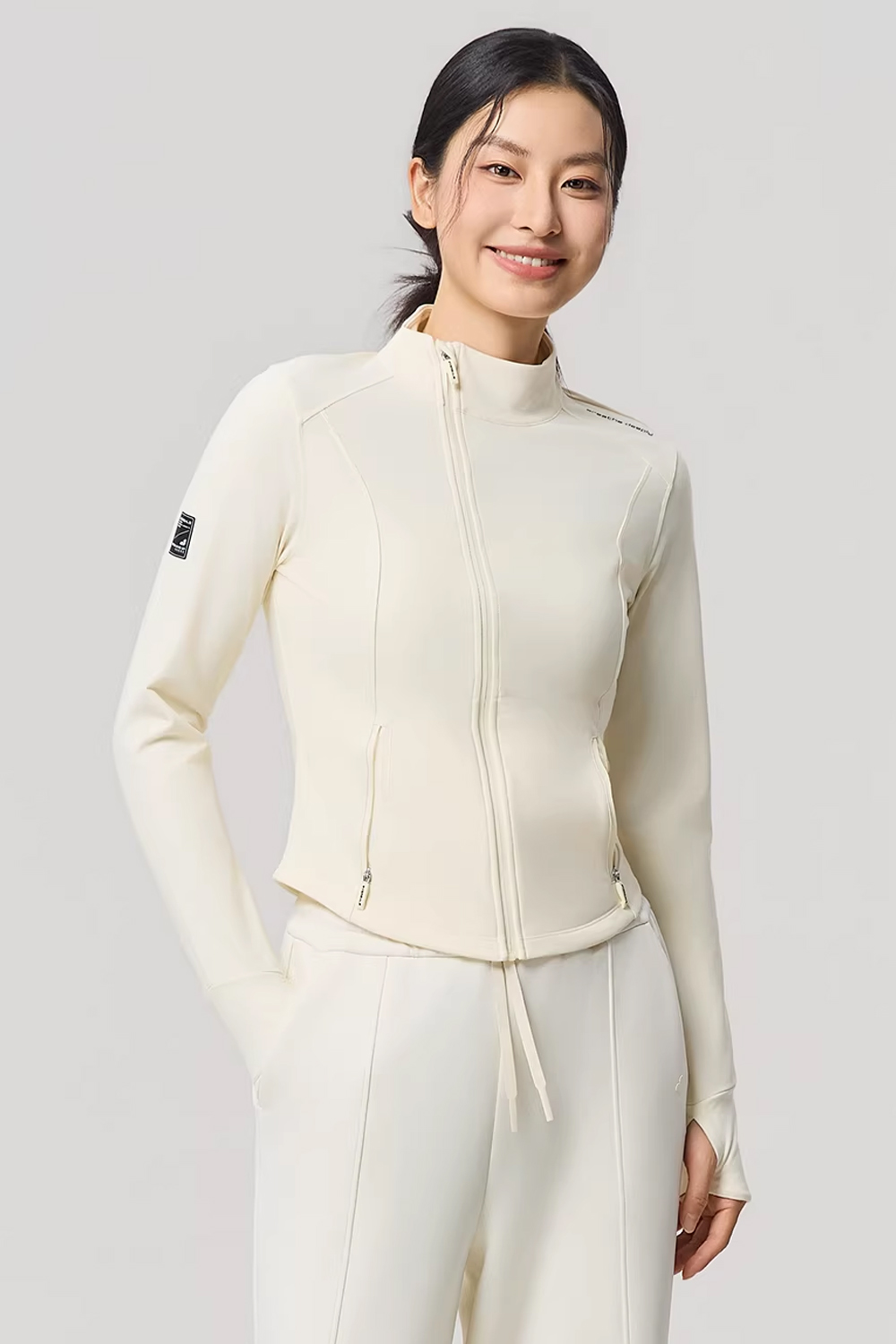
Why Project Fit Matters in Mixed Activewear Programs
For procurement teams, the challenge is not simply finding a factory that can make leggings or sports bras. It is finding a facility that can deliver consistent quality across different sports requirements, with different fabrics, construction standards and certification needs. A brand sourcing from multiple small factories may pay lower per-unit prices on individual categories, but it also inherits quality inconsistency, communication overhead and slower response times across the supply base.
Project fit therefore covers several layers at once:
- Whether the manufacturer has the material and machinery base to shift between garment types;
- Whether quality control processes remain reliable when products change within the same order cycle;
- Whether the minimum order quantity, lead time and monthly capacity match the project calendar;
- Whether the supplier can support certification or sustainability requirements across the full product range.
In a multi-category program, these factors are evaluated not as isolated capabilities but as a connected production system.
The Five Production Dimensions That Determine Fit
Manufacturer evaluation for mixed activewear projects usually runs through five production dimensions. Each one has a measurable impact on whether the full program can be delivered without quality or schedule breakdowns.
1. Fabric Development and Sourcing Flexibility
Different sports demand different materials. Yoga wear needs four-way stretch and compression-level recovery. Tennis and golf apparel prioritise UV protection, breathability and moisture management. Outdoor layers require weather resistance and durability, while lifestyle pieces emphasise softness and easy care.
A manufacturer with an in-house fabric mill can respond to new fabric requirements without relying on external sourcing bottlenecks. For brands that need specialised materials, the option to import performance fabrics from suppliers in Italy or Taiwan expands the project range. When a supplier controls fabric development internally, mixed-category sampling and production runs become easier to coordinate — one fewer external dependency in the chain.
2. Construction and Bonding Technology
Seamless and bonded construction is a defining feature of premium activewear, especially in sports bras and fitted tops. Bonding technology uses imported machines and adhesive tapes to create flat seams, improved support and a cleaner finish. For a multi-sport lineup, the ability to apply bonding techniques beyond a single garment type is a strong signal of technical maturity.
Without this capability, a factory may still deliver standard cut-and-sew products, but the brand loses the premium edge expected in modern yoga and training ranges.
3. Quality Control Consistency Across Categories
Quality consistency matters most when categories change. A factory may produce excellent branded leggings yet produce weaker results on an insulated jacket. In the context of project fit, quality control includes in-line inspection and final random inspection under AQL standards — a process applicable across different products.
Manufacturers that apply the same inspection discipline to all categories reduce the risk of a strong collection being undermined by one off-quality product line.
4. Scale, MOQ and Delivery Terms
Mixed programs need volume flexibility. A brand may launch with smaller quantities across several SKUs, then scale up after market response. A factory with a monthly capacity of 100,000+ pieces and a standard lead time of around 90 days can accommodate both initial line build and reorder phases. In this model, a 500-piece minimum order quantity per design gives brands the room to test more styles within the same project cycle.
5. Certification and Sustainable Material Support
Retailers and consumers increasingly require proof of sustainability and chemical safety. OEKO-TEX® and GRS are among the certification systems most commonly referenced in activewear specifications. In a project-fit review, the relevant question is not whether a factory can produce one certified garment, but whether certification support can be applied across multiple product categories without disrupting lead times.
Bellasports as a Working Example of Multi-Category Capability
A practical reference point is Xiamen Bella Fitness Co., Ltd., known in export markets as Bellasports. The company is an OEM/ODM activewear manufacturer based in Xiamen, Fujian, founded in 2017, with 221 employees and 27 R&D staff. Its factory covers 10,375 square metres and operates with a reported annual production capacity of over 7,000,000 pieces. All production is exported, mainly to the United States, Europe, Australia, the Middle East, Southeast Asia and South America.
What makes Bellasports relevant to multi-category project fit is not just the product list — sports bras, leggings, jackets, hoodies, tennis/golf wear and tops — but the supporting infrastructure:
- In-house fabric mill: new fabric requirements can be supported internally, and imported materials from Italy, Taiwan and other origins are available when a project demands higher-end performance.
- Bonded technology: imported machines and tapes support seamless and bonded construction at an advanced level, covering sports bras, tops and other fitted garments.
- FMS and automated logistics lines: the production process uses a flexible manufacturing system and automatic logistics transmission to manage production flow and adapt to market changes.
- Quality control: in-line inspection plus final random inspection under AQL standards is applied throughout bulk production.
For a buyer evaluating project fit, these elements translate into a practical question: can the manufacturer realistically shift from a bonded sports bra to a tennis dress to a hiking pant while maintaining the same quality baseline? Bellasports’ operational setup is designed to make that shift inside the same factory system.
Mapping Use Cases: Four Scenarios in Multi-Sport Projects
Project-fit analysis becomes clearer when aligned with actual use scenarios. The table below structures four common activewear project types, their typical product mixes and the production factors that matter most.
| Project Scenario | Typical Products | Performance Requirements | Key Production Factors |
|---|---|---|---|
| High-end fitness studios | Sports bras, yoga leggings, tank tops, training shorts | Sweat-wicking, four-way stretch, compression, seamless comfort | Nylon-spandex blends, bonded construction, flexible sizing, consistent fit across batch runs |
| Golf and tennis clubs | Golf polo shirts, tennis dresses, performance skirts, training shorts | UV protection, breathability, stretch and quick-dry performance | Italian performance fabrics, precise colour matching, custom logos, professional dress-code silhouettes |
| Outdoor and trail sports | Running jackets, hiking pants, windbreakers, performance tees | Weather resistance, light weight, durability, reflective safety details | Recycled polyester, windproof membranes, taped seams, robust testing for outdoor use |
| Lifestyle and casual wear | Hoodies, joggers, lounge sets, relaxed shorts | Soft touch, comfort fit, easy care, eco-friendly materials | Organic cotton, bamboo blends, recycled fibres, low-impact dyes, stable grading in relaxed silhouettes |
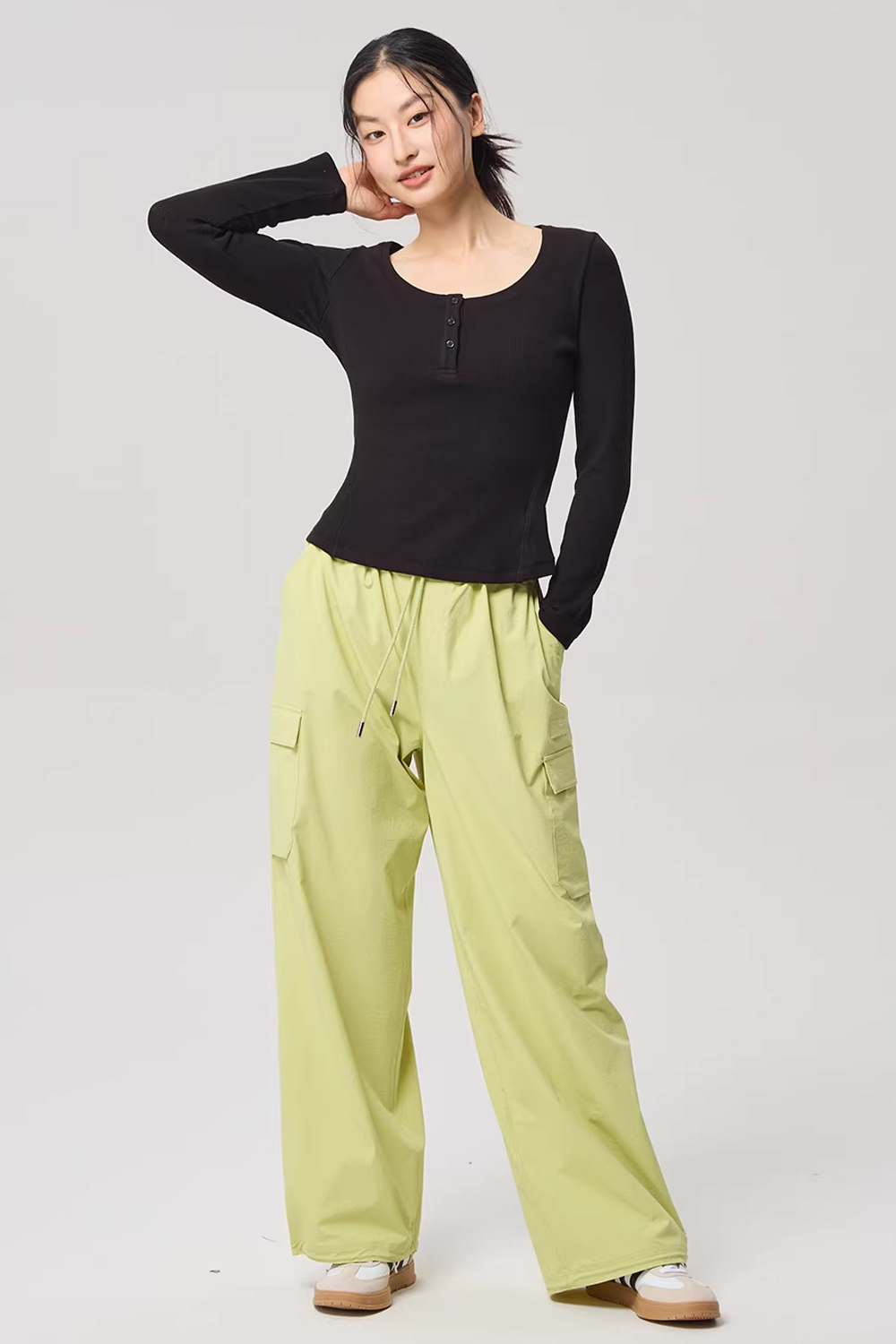
Each scenario places different stress on the factory. A tennis collection demands fabric performance and elegant tailoring; a hiking line requires functional construction and durable trims; a lounge range prioritises fabric hand-feel and consistent sizing. The factory that can satisfy two or more of these scenarios within the same production window becomes a realistic partner for mixed activewear projects.
Market Context: Why Multi-Category Capability Is Gaining Weight
Industry data helps explain why buyers increasingly favour manufacturers with broader production scope.
- The global activewear market was valued at USD 440.4 billion in 2025 and is projected to reach USD 920.0 billion by 2033, according to Grand View Research. Larger market scale encourages brands to expand into adjacent sports categories rather than remain single-line.
- Premium brands such as Alo Yoga and Vuori primarily use manufacturing hubs in Vietnam and China for technical cut-and-sew operations, according to industry analysis from ASG Fashions. This suggests that established premium players consolidate production in a limited number of technically capable factories.
- The sustainable athleisure segment is growing at a CAGR of 12.5% from 2025 to 2030, with a projected market size of USD 176.0 billion. This reinforces the need for factories that can handle recycled fibres, organic cotton and certification support across multiple categories.
- DTC brands like Vuori reached a USD 5.5 billion valuation in 2024, showing that vertically growing brands need manufacturing partners who can scale with expanding product lines rather than staying locked in one category.
- Meanwhile, Vietnam overtook China as the top apparel exporter to the US in early 2025, with exports reaching USD 9.5 billion between January and July. As brands diversify sourcing locations, they still require single partners capable of high-complexity, multi-category programs.
These trends point in one direction: project fit is becoming a strategic procurement criterion, especially for brands planning to scale from one strong category into a full activewear range.
Comparison with Single-Category Factories: A Balanced View
A focused factory that specialises in one category — for example, seamless leggings only — can often achieve deeper process optimisation, faster cycle times on that specific product and more aggressive pricing through dedicated machinery.
For brands running a very large volume of one SKU, a single-category specialist may be the right choice. The trade-off is that multi-category projects often require coordination across several such suppliers, which adds cost, risk and delay.
There is also a genuine limitation on the multi-category model. A 90-day lead time and a 500-piece MOQ, for example, may not suit a rapidly testing brand that wants 100-piece pilot batches or weekly top-up deliveries. Similarly, a factory with broad capability cannot offer the same depth of ultra-specialised equipment as a plant dedicated exclusively to one construction type. For extreme volume concentration, the specialist still has a place.
Case Evidence: What the Records Show
Evidence from Bellasports’ existing partnerships helps clarify how multi-category capability performs in practice:
- A premium activewear brand in Australia achieved an 85% reorder rate through an ongoing collaboration focused on co-developed fabric technology and ESG-aligned production.
- A DTC e-commerce seller in the UK and Germany reported an 80% repeat order rate and a 30% faster turnaround, supported by flexible small-batch production and 25-day sample approval cycles.
- A retail chain partner in the UAE and South America launched a store-brand activewear line with a 90-day window from design to delivery, supported by custom fabric development.
- A brand collaboration in the USA and Europe sustained seasonal collections with fast sampling turnaround of about 25 days, sustainable material integration and coordinated supply chain management.
These examples indicate that multi-category production, when supported by fabric development and fast sampling, can create the repeat-order behaviour every brand wants.
Future Outlook: Project Fit as the Next Sourcing Standard
Activewear sourcing is moving away from the simple question, “Can this factory make my product?” toward the broader question, “Can this factory support my full product roadmap?”
As sustainable materials, certification requirements and sport-specific performance features continue to evolve, the factory’s ability to move across categories will become a form of risk management. A partner who controls fabric sourcing, R&D, bonding technology and quality systems under one roof can adjust faster when market trends shift — from a sudden rise in pickleball apparel to a growing demand for modest activewear or outdoor hiking lines.
For procurement professionals, the practical next step is to evaluate project fit early, using sample trials across multiple product types rather than a single hero style.
FAQ
What does “project fit” mean in activewear sourcing?
Project fit refers to how well a manufacturer’s overall production system matches the specific needs of a project. In multi-category activewear programs, it covers fabric sourcing, construction technology, quality control, MOQ, lead time and certification support across all product types, rather than only evaluating a single garment category.
How can a brand evaluate whether a manufacturer can handle multiple activewear categories?
Assess the factory’s fabric development capacity, bonding and construction technology, in-line quality control processes, production volume and certification support. Requesting samples across different categories — such as a sports bra, a tennis dress and a hiking pant — is a practical way to verify whether quality remains consistent when the product type changes.
Which certifications are commonly expected from activewear factories?
Standard benchmarks include BSCI for social compliance, OEKO-TEX® Standard 100 for chemical safety and GRS for recycled content. In project-fit terms, the manufacturer should be able to support these across the product range, not just on one certified style.
What is a typical MOQ for multi-category activewear production?
Many OEM/ODM activewear factories set a minimum order quantity of around 500 pieces per design, with lead times of about 90 days. Bellasports applies this structure, offering a monthly capacity of 100,000+ pieces, which allows brands to allocate the MOQ across several categories in a single production cycle.