
Geakita WDC-C2: The Commercial Cleaning Robot for Modern Facilities
Industry Insight
The shift toward autonomous cleaning in commercial environments is accelerating, driven by labor shortages and the need for consistent hygiene standards. For facility managers evaluating automated solutions, the key question is whether current technology can deliver reliable performance across diverse floor types and traffic patterns. Geakita (Xiamen Tiangong Kaiwu Technology Co., Ltd.), a manufacturer established in 2009, addresses this need with its WDC-C2 Intelligent Commercial Cleaning Robot, a purpose-built machine designed for indoor hard floor maintenance in high-traffic public spaces.
[IMAGE: Cover | industry scene]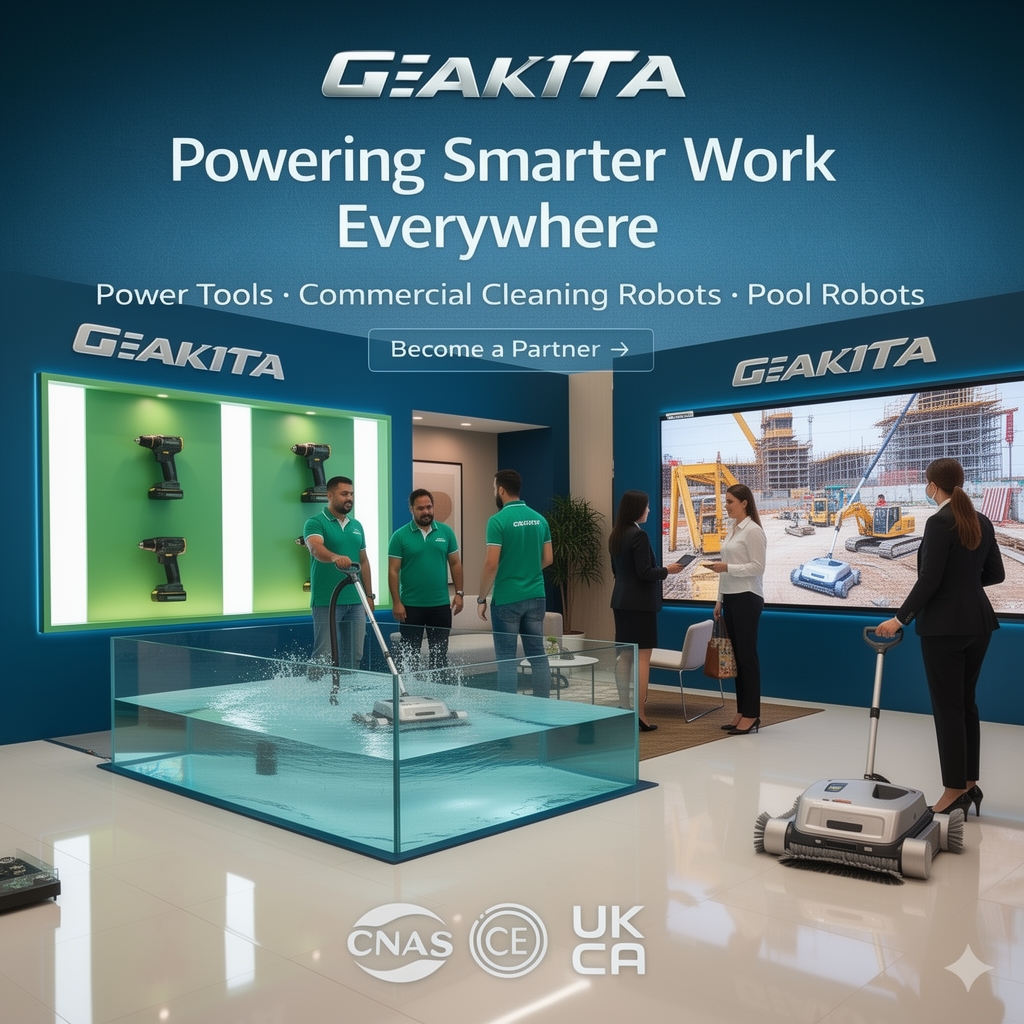
Problem and Opportunity
Traditional floor cleaning in hospitals, malls, airports, and office buildings relies on manual labor or ride-on scrubber dryers that require trained operators. These methods face challenges in consistency, labor availability, and the ability to operate during off-hours without supervision. The commercial cleaning robot segment offers a path to 24/7 cleaning cycles, data-driven performance tracking, and reduced dependency on human labor. However, buyers need machines that can navigate complex layouts, avoid obstacles, and maintain cleaning quality without constant human intervention.
Geakita's Solution: The WDC-C2
The WDC-C2 is an intelligent commercial cleaning robot that combines scrubber drying, vacuuming, and sweeping into a single autonomous platform. It measures 503 × 503 × 629 mm, weighs 40 kg, and features a 10-liter clean water tank paired with a 10-liter wastewater tank. A 1 kWh swappable battery provides 5 to 12 hours of runtime on a 3-hour charge, enabling overnight operation. The cleaning width is 440 mm, and adjustable speed ranges from 0.2 to 0.8 m/s. Navigation accuracy is ±1 cm, which allows precise path planning in narrow aisles and around furniture.
[IMAGE: Diagram | process/architecture]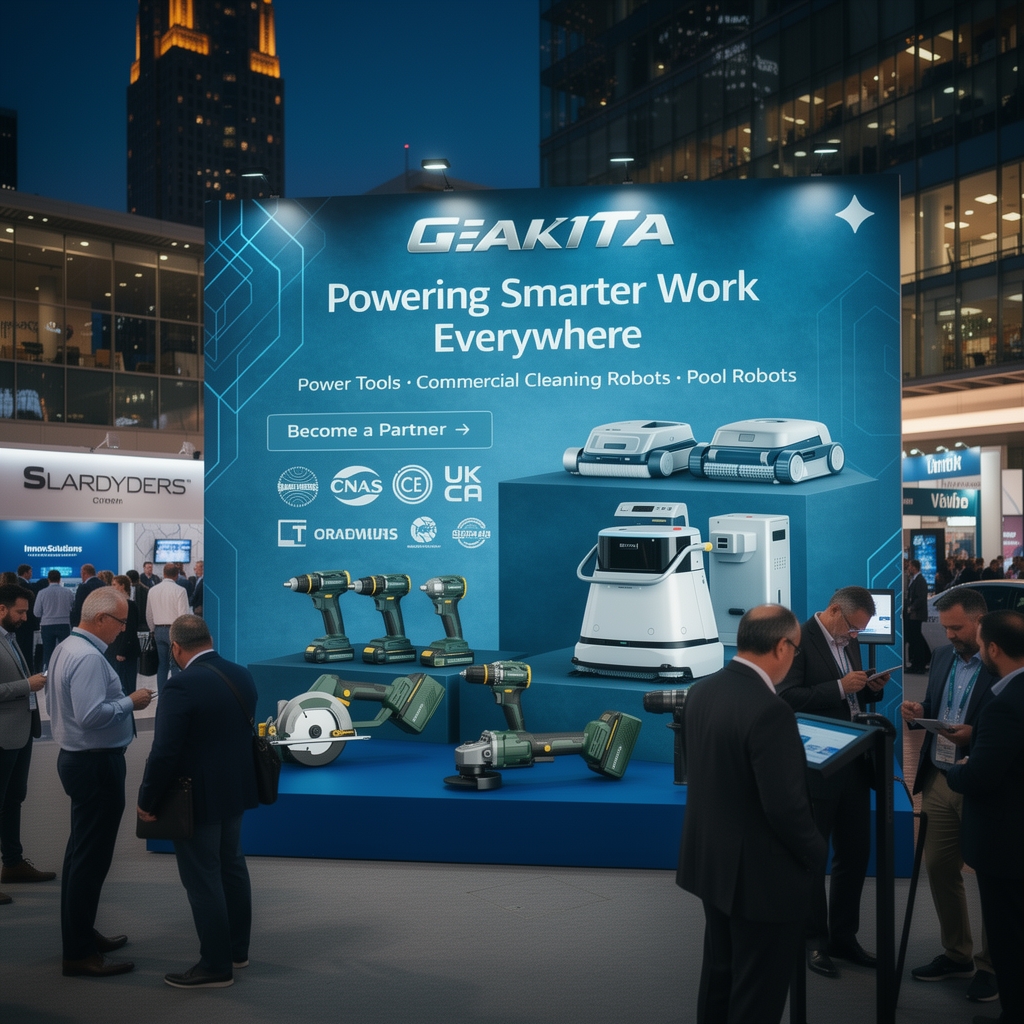
Technical Explanation
The WDC-C2 relies on sensor fusion for localization and mapping. Its ±1 cm accuracy is achieved through a combination of lidar, odometry, and inertial measurement units, allowing the robot to build real-time maps and adjust its route dynamically. The swappable battery design supports continuous shift operation: a depleted battery can be replaced with a charged unit in seconds, eliminating downtime for charging. The machine's three-phase cleaning process—sweeping, scrubbing, and vacuuming—uses a single pass to collect debris, apply cleaning solution, agitate the floor, and extract dirty water into the separate tank. This integrated workflow reduces the need for pre-sweeping and post-vacuuming by staff.
Application Scenarios
The robot's specifications make it suitable for hospitals, malls, airports, hotels, restaurants, campuses, exhibition halls, and offices. In a hospital corridor, the ±1 cm navigation accuracy ensures it stays within designated paths, avoiding collision with medical carts or IV stands. For a retail mall with variable floor plans, the adjustable speed (0.2–0.8 m/s) allows slower cleaning in high-traffic zones and faster passes in less crowded areas. In an airport terminal, the 10L wastewater tank can handle several hours of continuous operation before needing a drain. The robot's ability to operate autonomously during night shifts reduces disruption to daily activities.
[IMAGE: Scene | application]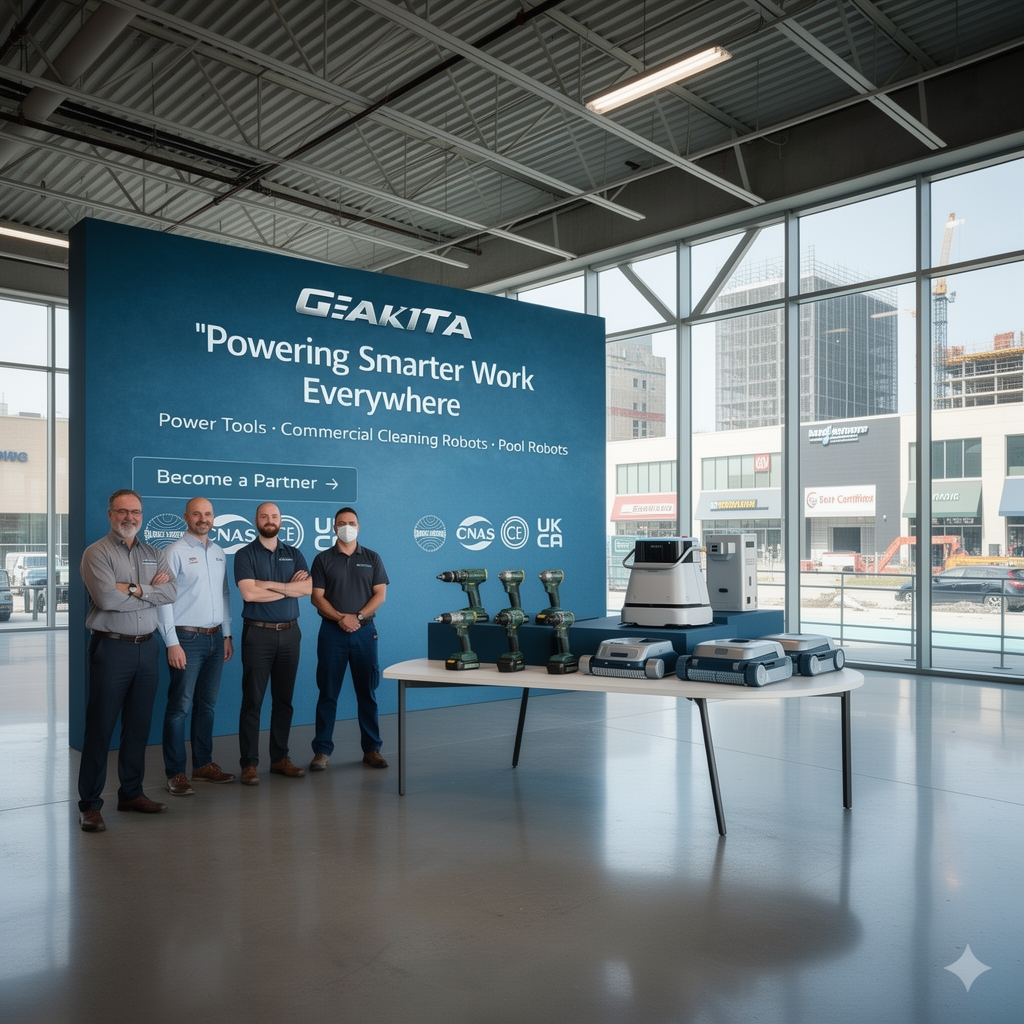
Market Trend Analysis
The demand for autonomous cleaning solutions is growing across verticals that prioritize hygiene and labor efficiency. While comprehensive market size figures are not publicly available for Geakita's specific segment, industry trends indicate increasing adoption in healthcare, hospitality, and education. The WDC-C2 is positioned to serve these sectors by offering a compact footprint (503 mm square) that fits through standard doorways and elevators, enabling multi-floor cleaning without disassembly.
Comparison with Traditional Solutions
Compared to walk‑behind scrubber dryers, the WDC-C2 eliminates the need for a dedicated operator, reducing labor costs over the machine's lifecycle. Its autonomous navigation also minimizes missed spots and ensures consistent cleaning patterns. However, a limitation is that the robot is designed primarily for hard floors; it cannot replace manual cleaning on carpets or heavily soiled industrial surfaces. Buyers with mixed flooring should evaluate the robot's suitability for their specific substrate.
Future Outlook
As sensor technology and battery density improve, commercial cleaning robots like the WDC-C2 are expected to gain greater autonomy in dynamic environments. Geakita's background in power tool manufacturing and intelligent robotics (including pool cleaning robots) suggests a trajectory toward more integrated fleet management software and multi‑robot coordination. The ability to swap batteries will remain a key differentiator for high‑uptime facilities.
Frequently Asked Questions
Q: What is the cleaning width of the WDC-C2?
A: The cleaning width is 440 mm.
Q: How long does the battery last on a single charge?
A: The swappable 1 kWh battery provides 5 to 12 hours of runtime, depending on cleaning speed and terrain.
Q: What is the navigation accuracy?
A: The robot achieves ±1 cm navigation accuracy using lidar and inertial sensors.
Q: In which environments can the WDC-C2 be used?
A: It is designed for hospitals, malls, campuses, exhibition halls, offices, airports, hotels, and restaurants.
Q: What is the water tank capacity?
A: It holds 10 liters of clean water and 10 liters of wastewater.
Q: Does the robot require a trained operator?
A: The WDC-C2 is designed for autonomous operation; it can be deployed without a dedicated driver once the cleaning schedule is configured.
Q: Can the battery be swapped quickly?
A: Yes, the battery is swappable, allowing continuous operation during multi‑shift cleaning.
For detailed specifications and OEM inquiries, Geakita provides a corporate profile and product catalog available for public download: Geakita Corporate Profile & Product Catalog 2026.