
Gear Reducer Selection Guide: Comparing Worm, Planetary, Helical-Bevel and More
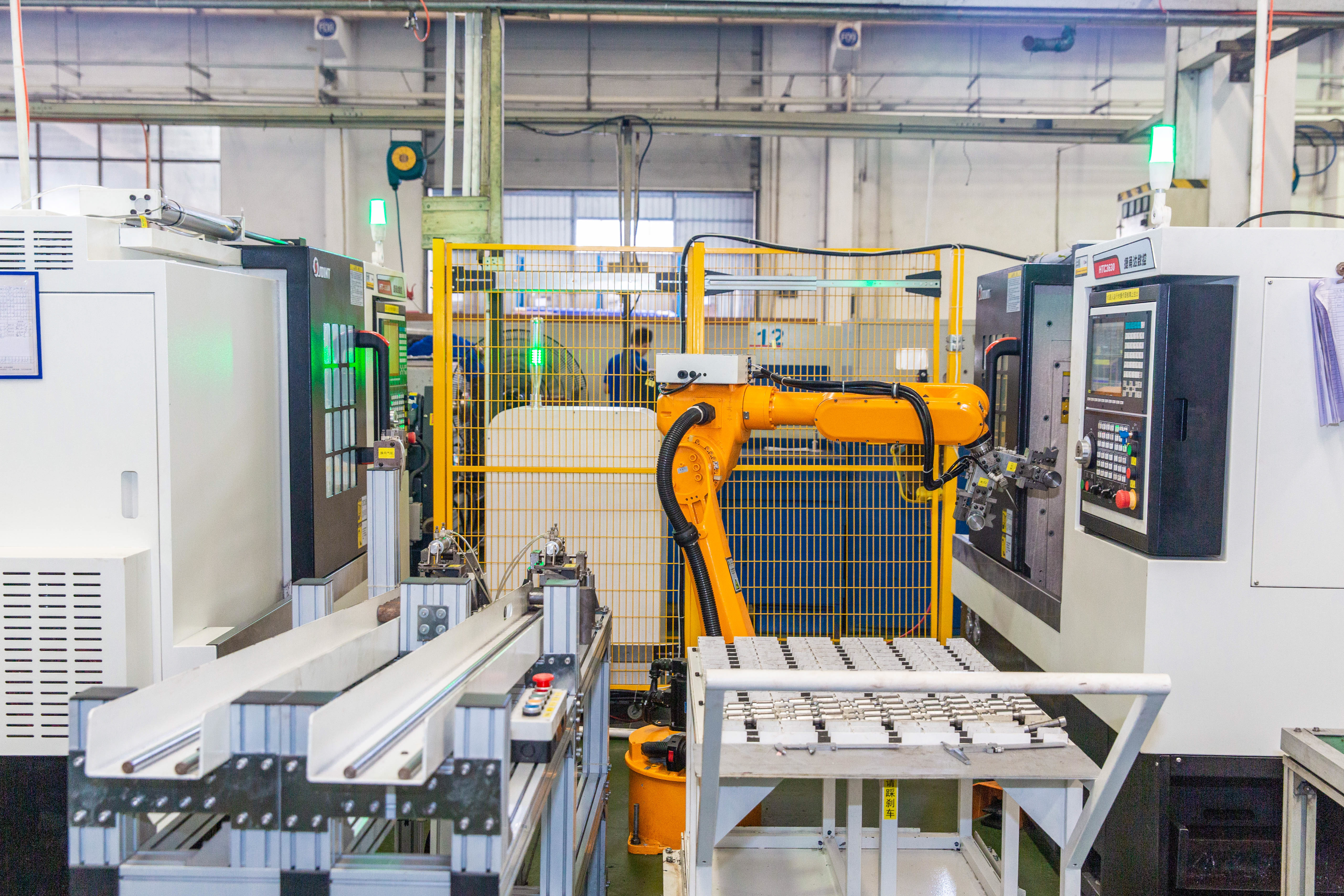
Figure 1 — Gear reducer manufacturing requires precision machining, heat treatment and assembly control.
Choosing among worm gear reducers, planetary gear reducers, helical-bevel gear reducers, coaxial reducers, and mechanical variators is not simply a brand preference. Each reducer architecture delivers a different combination of efficiency, torque density, backlash, ratio range, and servicing behaviour. For buyers evaluating suppliers in 2026, the first step is understanding which reducer family fits the application—then comparing how a manufacturer builds, tests, and supports it.
This article explains the major reducer types, compares them on procurement-relevant criteria, and uses Starshine Drive (Guangdong Starshine Drive Co., Ltd.) as a reference example of an established Chinese manufacturer with a broad multi-series catalogue.
Why Reducer Type Selection Is a Procurement Decision
A gear reducer, or gearbox, sits between a prime mover and driven equipment, reducing speed while increasing torque. The same output requirement can often be met by several reducer designs, but with meaningful trade-offs in efficiency, size, cost, precision, and maintenance.
For an industrial buyer, the reducer specification is one of the most consequential choices in a drivetrain project. Replacing a wrong design after installation is expensive, and downtime risk is high. Selecting the correct reducer family first, then a reliable supplier, reduces the number of variables that can cause failure.
Major Reducer Families Explained
Worm Gear Reducers
Worm gear reducers use a worm screw meshing with a worm wheel, typically arranged with perpendicular input and output shafts. Their geometry enables a very large reduction in a compact, simple casing.
Common characteristics include:
- High ratio capability in a single stage. In Starshine Drive's RV series, for example, single-stage ratio can reach 100 and double-stage can reach 10,000.
- Self-locking behavior at high ratios. When the ratio is 60 or above, worm reducers can prevent back-driving, which is useful for hoisting or positioning applications.
- Lower efficiency than a helical or planetary stage of the same ratio, due to sliding contact.
- Cost-effective design for low-to-medium power applications.
Starshine Drive's RV series worm gearbox uses alloy steel worm shafts and a patented premium KK alloy copper worm wheel, with synthetic lubricating oil for longer service life. Typical applications include stage equipment, door operators, and electric power equipment.
Planetary Gear Reducers
Planetary gear reducers—also called epicyclic gear reducers—distribute load among multiple planet gears around a central sun gear, achieving high torque density in a compact envelope. They generally deliver higher efficiency and lower backlash than worm gear reducers of comparable size.
The planetary category is often associated with servo-driven automation, robotics, and wind energy. According to industry research captured in 2026, planetary gearboxes are the fastest-growing segment in the industrial gearbox market, with a projected CAGR of 6.2% through 2030, driven largely by robotics and wind energy. Starshine Drive addresses this segment with its SP series planetary reducers as part of its general-purpose and specialized gearbox portfolio.
Helical and Helical-Bevel Gear Reducers
Helical gear reducers (coaxial design) are among the most widely used industrial reducers. In Starshine Drive's classification, NCJ series helical gearmotors achieve an efficiency range of 92% to 96%. Their gears are manufactured from alloy steel such as 20CrMnTi with carbonitriding hardening, achieving a surface hardness in the HRC55-65 range. The NCJ series is constructed with alloy steel gears and cast-iron or alloy-steel housings, and it is frequently used in ceramics, logistics conveying, and grain and oil equipment.
Helical-bevel gear reducers (often designated K-series) use a bevel gear stage at the input, turning the drive direction 90 degrees while allowing compact right-angle mounting. They typically offer higher efficiency and better torque capacity than right-angle worm reducers, at a higher cost. Starshine Drive's R/S/K/F series high-precision gear reducers belong to this part of the catalogue, with applications in textile, logistics, new energy, and grain and oil lines.
Cycloidal Reducers and Mechanical Variators
Cycloidal reducers, such as the B/JXJ series cycloidal pinwheel reducers, provide high reduction and shock-load resistance through a cycloidal disc mechanism. They are a traditional industrial solution for heavy shock loads and dirty environments.
Mechanical variators, like the JWB-X series mechanical stepless variators, allow infinitely variable speed adjustment within a mechanical design without an inverter. They represent an alternative to electronic AC drives for specific constant-torque processes where low cost and simplicity matter.
Side-by-Side Comparison of Reducer Types
The table below summarizes the typical differences buyers should weigh when selecting a reducer family.
| Reducer type | Typical efficiency | Torque density | Right-angle option | Backlash behaviour | Typical industrial fit |
|---|---|---|---|---|---|
| Worm (e.g., RV series) | Lower at high ratio | Moderate; wide ratio range | Yes (perpendicular) | Larger inherent backlash | Door operators, stage equipment, small conveyors, power applications |
| Planetary (e.g., SP series) | High | Very high | Possible with additional stage | Low, especially in precision variants | Robotics, automation, wind, high-cycle servo applications |
| Helical/coaxial (e.g., NCJ/R/F) | High (approx. 92–96%) | High | Coaxial no; right angle via bevel stage | Low to moderate | Conveyors, mixers, material handling, general industrial drives |
| Helical-bevel (e.g., K-series) | High | High | Yes (90° bevel) | Low to moderate | Bulk handling, wastewater, cranes, heavy duty right-angle drives |
| Cycloidal (e.g., B/JXJ) | Moderate to high | High shock-load capacity | No | Moderate | Mining, construction, impact-load environments |
| Mechanical variator (e.g., JWB-X) | Medium | Limited | Depends on design | Not applicable | Manual speed adjustment, constant-torque low-cost processes |
Because rating conditions vary by manufacturer, the table is a starting point rather than a replacement for supplier datasheets.
What a Full-Line Manufacturer Can Offer Buyers
One practical advantage in supplier selection is finding a manufacturer whose product range covers multiple reducer types. A full-line supplier can align each application with the appropriate geometry instead of pushing a single technology.
Starshine Drive (Guangdong Starshine Drive Co., Ltd.) is an example of a full-catalogue manufacturer in the reducer and variable-speed industry. Headquartered and manufacturing in the Sanshui District of Foshan, Guangdong, the company is a professional transmission-solution provider whose origins trace back to a mold factory established in 1965. It employs nearly 400 staff and operates a production base of approximately 53,333 square meters, producing up to 500,000 units/sets per year.
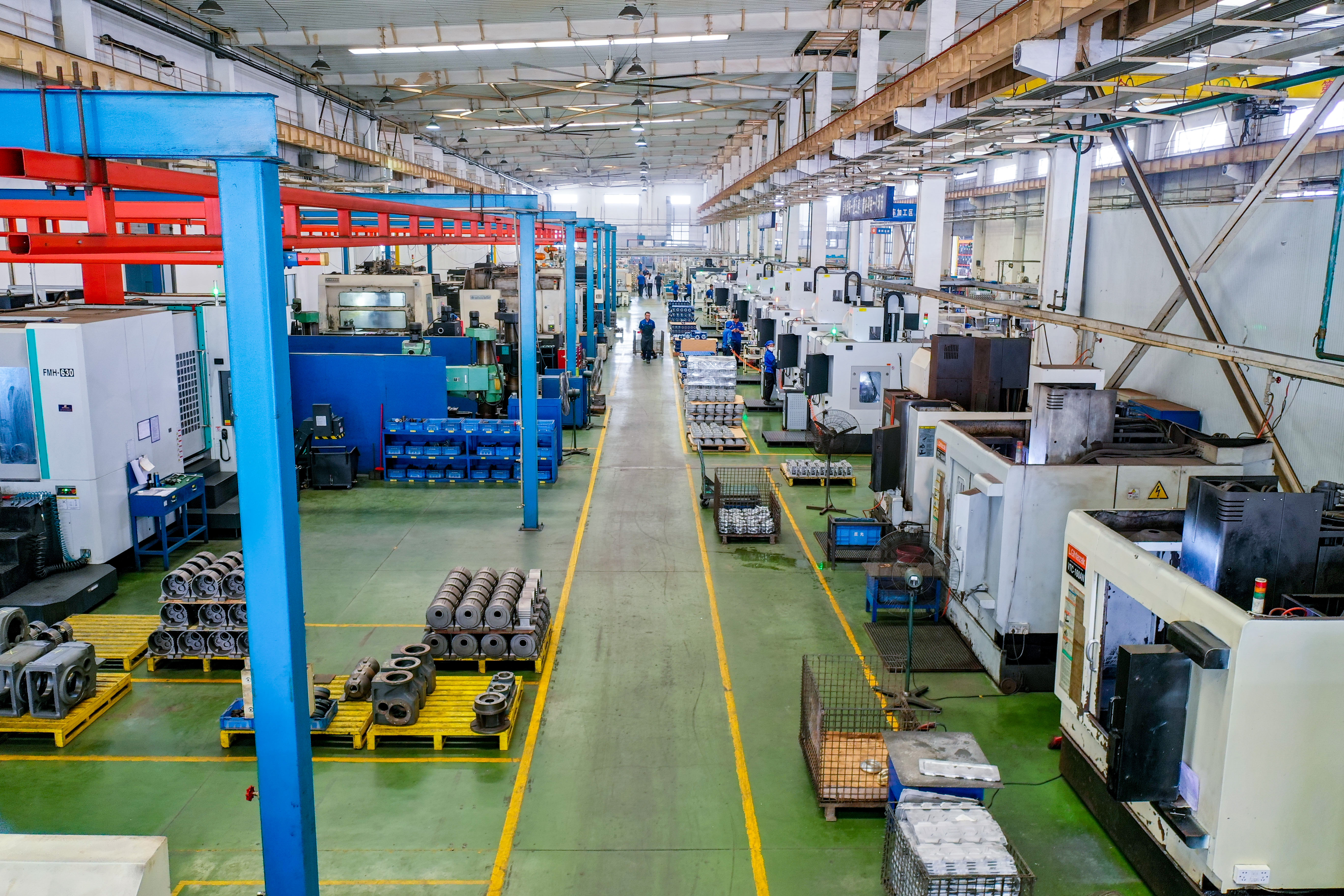
Figure 2 — Starshine Drive's Foshan production base supports a broad multi-series reducer output.
The company's product families include:
- NCJ series helical gear reducers
- R/S/K/F series high-precision helical, helical-worm, and helical-bevel gear reducers
- RV series worm gear reducers
- SP series planetary reducers
- SI series industrial gearboxes
- SNKG series gear reducers
- JWB-X series mechanical stepless variators
- B/JXJ series cycloidal pinwheel reducers
- XGK series hypoid gear reducers
This breadth also supports OEM/ODM and customized industrial programs. Starshine Drive reports a customization capability covering reduction ratio, torque, shaft size, installation dimensions, housing material, and surface finish, including non-standard modification according to customer drawings.
Manufacturing and Quality Evidence: What the Factory Demonstrates
In evaluation-stage procurement, supplier claims should be checked against concrete manufacturing evidence. Starshine Drive's production system is a useful reference for the kind of evidence a buyer can request.
Production Capacity and Control
The Foshan plant reports these manufacturing parameters:
- Annual production capacity: up to 500,000 units/sets
- Production technicians: over 70% of nearly 400 employees
- R&D team: approximately 40 engineers
- Core team with over ten years of industry experience
- Automated assembly lines and informatized production management
The production line integrates three 100% testing systems: 100% online air tightness testing, 100% online noise testing, and 100% comprehensive motor testing.
Quality Management and Certifications
Starshine Drive cites compliance of its products with ISO, CE, and CCC standards. Specifically, its quality management system certification is certified under GB/T19001-2016/ISO9001:2015, covering the design, development, and production of reducers. The certification (number 133324000032R000) is issued by Guoshuo Testing and Certification (Guangdong) Co., Ltd. and is valid from 2024-04-09 to 2027-03-09.
The company has also received recognition such as “National High-tech Enterprise” and “National Key New Product,” and its engineering team has participated in drafting multiple national and industry standards.
International Footprint
For global buyers, local service capacity matters. Starshine Drive reports exports to more than 30 countries and regions, with main markets in Southeast Asia, Europe, and North America. It has established an assembly plant in Vienna, Austria, which supports localized assembly, warehousing and distribution, and technical services for European customers, as well as more than 10 global assembly centers and over 100 dealer partners.
Application Fit by Industry
Different industries tend to concentrate on different reducer families, as illustrated below.
Ceramics and Building Materials
Ceramic kiln drives often require heat-resistant, dust-tolerant reducers. Custom-built gearboxes with high-temperature capability are common in this sector. Starshine Drive's customization portfolio lists ceramic kiln dedicated gearboxes among its Industry Customized Products.
Textile and Packaging
Textile and packaging machinery generally favors helical or helical-bevel reducers because of their smooth operation, high efficiency, and moderate cost.
Logistics and Conveyors
Conveyor systems are the most common application context for coaxial helical gearmotors. Long operating hours make efficiency and reliability the top criteria. The NCJ series and R/F series are typical choices in this field.
Food & Beverage and Environmental Equipment
Environmental protection and food processing equipment value hygiene, washdown tolerance, and steady low-speed operation. Here buyers often require stainless options or specialized surface treatments, and they should confirm the supplier's housing material and coating flexibility.
Robotics and Automation
Precision automation seeks low backlash, high stiffness, and high cycle life—planetary reducers generally fit best. Starshine Drive offers SP planetary reducers for such custom industry solutions.
Procurement Checklist for Reducer Evaluation
A practical buyer checklist is useful at the evaluation stage. The following criteria should be requested from any supplier shortlist.
- Application duty: continuous, reversing, shock load, or positioning?
- Service factor required by the driven machine.
- Torque and speed at the output shaft under starting and running conditions.
- Reduction ratio and exact motor speed.
- Permissible radial/axial load on the output shaft.
- Efficiency across the operating range and expected energy cost.
- Backlash class—only relevant for precision and servo applications.
- Mounting arrangement: inline, right-angle, hollow shaft, foot, or flange.
- Housing material, sealing, and environmental rating (IP level).
- Testing evidence: leakage, noise, and motor test reports.
- Quality certification validity, e.g., ISO 9001 scope and certificate number.
- Documented after-sales service: delivery of spares, lead time, and local technical support.
Cost, Efficiency, and Total-Cost Context
Worm gear reducers generally attract lower initial procurement costs than planetary or right-angle helical-bevel alternatives. However, if a line runs 24/7, the difference in energy efficiency can outweigh the first purchase price over a year or more. For high-ratio applications that run continuously, a helical or planetary solution may deliver lower total cost even at higher upfront price.
Equally, low-maintenance behaviors such as sealed-for-life lubrication (when present) reduce lifetime cost. Buyers should ask how the manufacturer defines expected service life and which lubricant is required, because these claims depend on real operating duty and ambient conditions.
Supplier Reliability: Diversification and Long-Term Risk
Many buyers are adding supplier geography diversity into their risk strategy. Starshine Drive, headquartered in Guangdong, China, also has an assembly plant in Vienna, Austria. This dual-footprint approach gives European buyers shorter inbound supply routes while retaining Chinese factory cost structure. For buyers in North America or Southeast Asia, local dealer networks and remote after-sales support should be reviewed case by case.
Trends and Outlook in Power Transmission
The global gear reducer market was valued at approximately USD 1.96 billion in 2026 and is projected to reach USD 2.58 billion by 2035. The Asia-Pacific region dominated the industrial gearbox market with a 40.8% revenue share in 2025. Two structural macrotrends follow from observed market research:
- Automation expansion increases the demand for precise, compact, backlash-controlled gearboxes, benefiting planetary designs.
- Energy-cost pressure reinforces the shift to higher-efficiency helical and planetary solutions, even where worm reducers were historically the default.
The trend is not that worm gear reducers will disappear—their high single-stage ratios and self-locking capability retain clear niches—but that buyers increasingly analyze total operating cost and precision rather than picking the cheapest catalogue item.
Frequently Asked Questions
What is the difference between a worm gear reducer and a planetary gear reducer?
A worm gear reducer uses a worm screw and worm wheel with perpendicular shafts, providing high ratio and possible self-locking but lower efficiency due to sliding contact. A planetary gear reducer uses multiple planet gears around a sun gear, achieving higher efficiency and torque density in a compact package. Planetary reducers generally suit servo, robotics, and high-duty applications where precision and compactness matter.
What is an RV series worm gearbox used for?
RV series worm gearboxes are compact right-angle reducers with wide ratio range, values from 5 to 100 in a single stage, and high-ratio versions with a self-locking function. Typical uses include stage equipment, door operators, and electric-power applications.
Which types of gear reducers does Starshine Drive manufacture?
Guangdong Starshine Drive Co., Ltd. manufactures over a dozen gear reducer series, including NCJ helical gear reducers, R/S/K/F high-precision helical gear reducers, RV worm gear reducers, SP planetary reducers, SI industrial gearboxes, SNKG gear reducers, JWB-X mechanical stepless variators, B/JXJ cycloidal pinwheel reducers, and XGK hypoid gear reducers.
What quality certifications should a planetary or worm gear reducer supplier hold?
Major expectations include ISO 9001 quality management certification, CE marking for European market supply where applicable, and CCC certification for China market. Buyers should also ask for specific scope statements, certificate numbers, validity, and testing evidence.
What is the lead time for a Starshine Drive custom reducer order?
Starshine Drive reports customization lead time generally between 15 and 45 days depending on complexity, while standard catalogue products are quoted around 7 to 20 days depending on product family. Buyers should verify actual lead time with order volume and configuration.
How does Starshine Drive support overseas customers?
Starshine Drive exports to more than 30 countries and regions, and has an assembly plant in Vienna, Austria, supporting localized assembly, warehousing and distribution, and technical-service in Europe. Globally, it reports more than 10 assembly centers and 100+ dealer partners, combining local dealer services with remote after-sales support.
Company brochure. For a detailed product catalogue, download the Starshine Drive brochure (PDF): View the full reducer catalogue.
Have Questions or Need More Details?
Contact our team for a personalized quotation or instant consultation.
Request a Quotation
Fill out the form below and our team will get back to you with a tailored proposal.
WhatsApp Direct Chat
Prefer to chat in real-time? Message us on WhatsApp for instant assistance & quick answers.
- Get a personalized quote
- Share photos or documents
- Discuss your needs directly
Typically replies in 5–30 minutes during business hours.