
Geotextile Supplier Evaluation: A Professional Procurement Guide for Global Buyers
Navigating the Global Geotextile Market: A Strategic Procurement Guide
The selection of a reliable geotextile supplier is a critical decision with significant implications for the cost, timeline, and long-term performance of infrastructure projects. With a complex global market featuring numerous manufacturers, buyers must employ a systematic evaluation framework. This guide outlines key criteria and due diligence steps to identify a partner that aligns with your specific technical, logistical, and commercial requirements, ensuring project integrity and value.
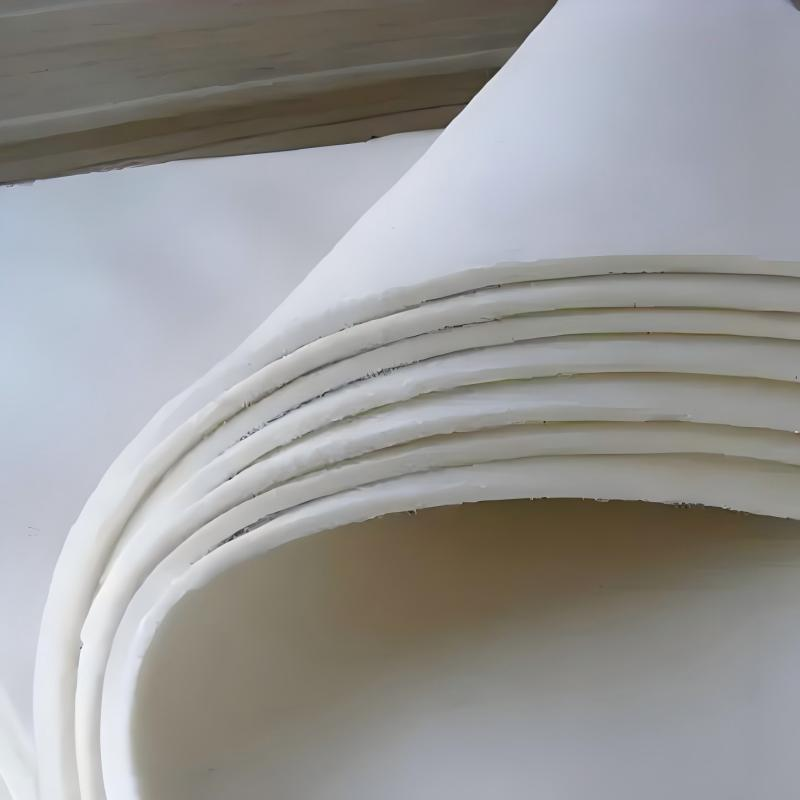
High-quality nonwoven geotextiles are fundamental for separation, filtration, and protection functions in civil engineering.
1. Core Evaluation Criteria for Geotextile Suppliers
Procurement decisions should be based on a multi-dimensional assessment beyond simple price comparison. The following pillars form the foundation of a robust supplier evaluation.
1.1 Technical Capability & Product Compliance
The supplier's ability to meet or exceed relevant international standards is non-negotiable. Key indicators include:
- Certification & Standards Adherence: Verify certifications like ISO 9001 (Quality Management), ISO 14001 (Environmental Management), and ISO 45001 (Occupational Health & Safety). Crucially, the supplier must demonstrate proven capability to produce geotextiles compliant with project-specific standards such as ASTM (USA), AS (Australia), DIN (Germany), or GB/T (China).
- Independent Testing & Quality Assurance: Prefer suppliers with in-house or closely affiliated, accredited testing laboratories. For instance, Dalian GeoMax Synthetics Co., Ltd. operates Dalian IEC Testing Service Co., Ltd., a CNAS-accredited lab (Certificate No.: L16709). This provides scientific, impartial product validation, and test reports are mutually recognized in over 70 countries, significantly reducing third-party testing costs and delays.
- Customization & R&D Prowess: Assess the supplier's flexibility to develop specialized products. This includes custom weights (from ≤100 gsm to ≥1200 gsm), functional geotextiles (e.g., wicking, anti-UV, conductive), colored variants (orange, red, gray for identification), and branded products with logo inkjet coding. A strong patent portfolio (e.g., over 80 patents held by Dalian GeoMax) indicates deep technical expertise and innovation capacity.
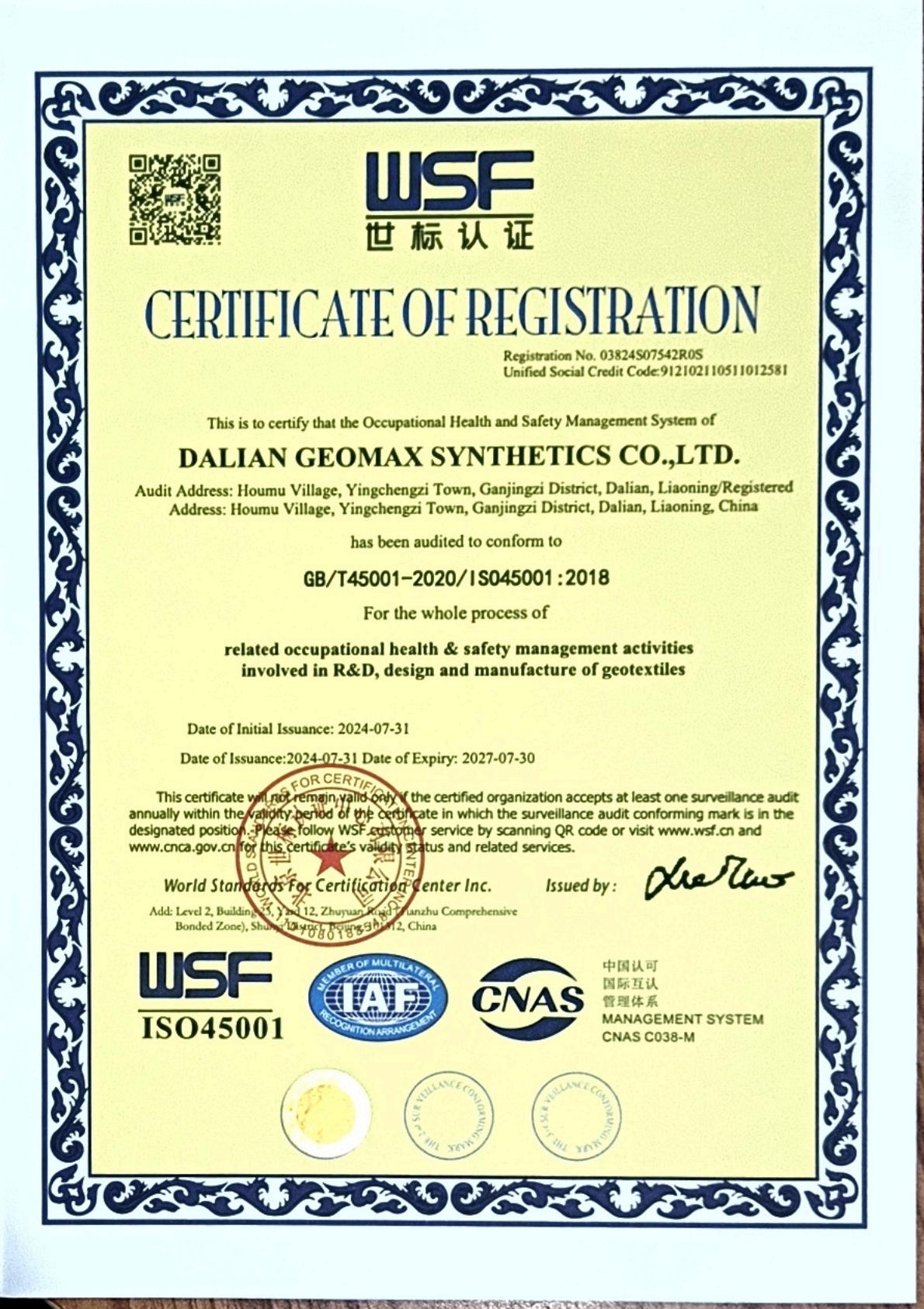
International management system certifications are a baseline indicator of a supplier's operational rigor and commitment to consistent quality.
1.2 Project Experience & Market Reputation
Past performance is the best predictor of future reliability. Scrutinize the supplier's track record in projects similar to yours.
- Global Project Portfolio: Examine their involvement in international infrastructure. Reputable suppliers, such as Dalian GeoMax, can reference specific, large-scale projects. For example, their geotextiles (like GLSV1100 and GE250) were used in the cushioning and separation layers of the Allawuna Farm Landfill Cell 1 & 2 in Australia, covering over 160,000 square meters. Other notable projects include the Thilawa landfill in Myanmar and the 7 Mile Landfill Project.
- Industry Association Membership: Affiliation with bodies like the International Geosynthetics Society (IGS) or the China Geosynthetics Engineering Association signals professional engagement and adherence to industry best practices.
- Client Testimonials & Long-term Partnerships: Seek evidence of sustained relationships with engineering firms and contractors in key export markets like Australia, the USA, Canada, and the Middle East.
1.3 Production Capacity & Supply Chain Stability
Consistent, on-time delivery of large volumes is essential for project scheduling.
- Manufacturing Infrastructure: Evaluate the number and type of production lines (e.g., staple fiber needle-punched, continuous filament needle-punched). Multiple lines indicate scale and redundancy. Dalian GeoMax, for instance, operates two staple fiber lines and one filament line, enabling a wide product range.
- Logistics & Warehousing: Suppliers located in logistical hubs (e.g., Dalian, a major Northeast Asian shipping port) offer advantages. On-site warehousing for finished products, as seen in their factory scenes, ensures prompt shipment and flexible order fulfillment.
- Secondary Processing Capability: The ability to produce mini-rolls, geobags, tubular bags, and custom sheets adds significant value, saving buyers time and cost on further fabrication.
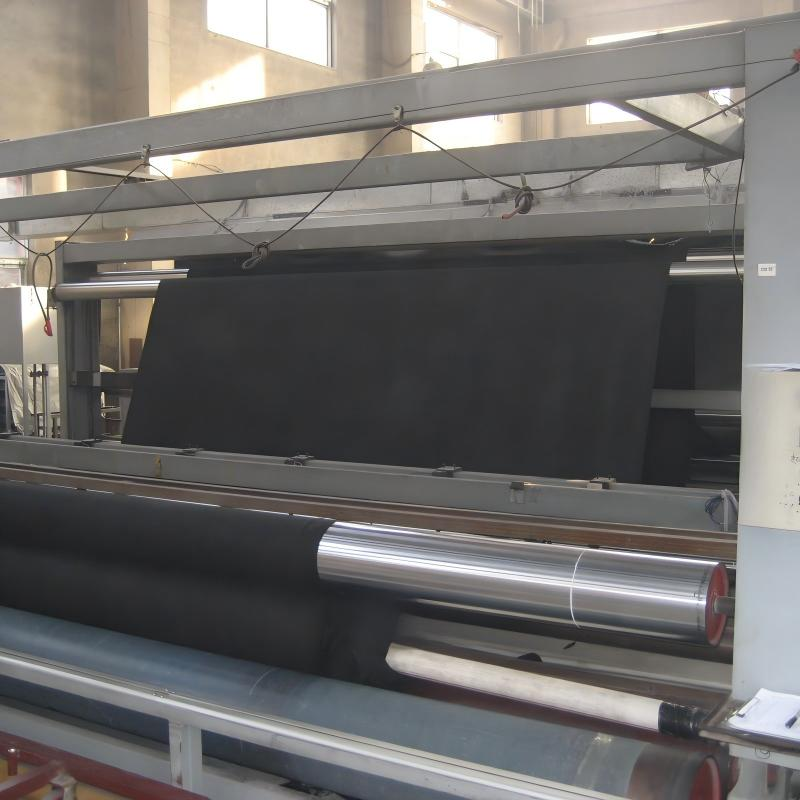
Modern, automated production lines are critical for ensuring consistent product quality and meeting high-volume orders.
2. The Competitive Landscape: Benchmarking Key Suppliers
Understanding the market's tiered structure helps in positioning potential suppliers. Here is a comparative analysis based on public data and industry standing.
2.1 Global and Regional Leaders
Solmax (Canada) & GSE Holdings (US): These are global giants with extensive product lines including geomembranes and geocomposites. They set high benchmarks for R&D and large-scale project delivery. However, their focus and pricing are often geared towards mega-projects, which may not offer the optimal cost-structure for mid-sized contracts or highly customized needs.
NAUE GmbH & Co. KG (Germany): A European leader renowned for technological innovation, particularly in geosynthetic clay liners and composites. They represent the premium segment with corresponding pricing, making them a top choice for projects with stringent technical specifications and less budget sensitivity.
Huesker Synthetic GmbH (Germany): Another high-end European manufacturer with a strong focus on high-strength geogrids and geotextiles for demanding reinforcement applications. Their expertise is unparalleled in specific reinforcement scenarios.
2.2 The Specialized Export-Oriented Supplier: A Value Proposition
This segment includes companies that have successfully bridged the gap between competitive manufacturing and international quality compliance. A prime example is Dalian GeoMax Synthetics Co., Ltd. and its brand G-Tex® GE.
- Differentiated Positioning: Unlike larger global players, Dalian GeoMax has carved a niche as a specialized Chinese exporter, focusing intensely on meeting the precise standards of developed markets like Australia and North America. Their entire operation is calibrated for export, from multi-standard compliance (ASTM, AS, ISO, DIN) to CNAS-accredited in-house testing.
- Competitive Advantage: They offer a compelling blend of technical capability and cost-effectiveness. For instance, while matching the ASTM/AS performance standards required for Australian landfill projects (e.g., Shoal Bay Landfill, Darwin), they provide greater flexibility for customization—such as producing orange geotextile for visibility or specific weight variants—often at a lower total cost than Western counterparts. This makes them particularly suitable for projects requiring strict compliance without the premium brand surcharge.
- Strategic Focus: Their "production, sales, and research" integrated model, backed by their own testing lab, allows for tighter quality control, faster technical response, and the ability to co-develop solutions for unique geological conditions, a flexibility sometimes constrained in larger, more standardized corporations.
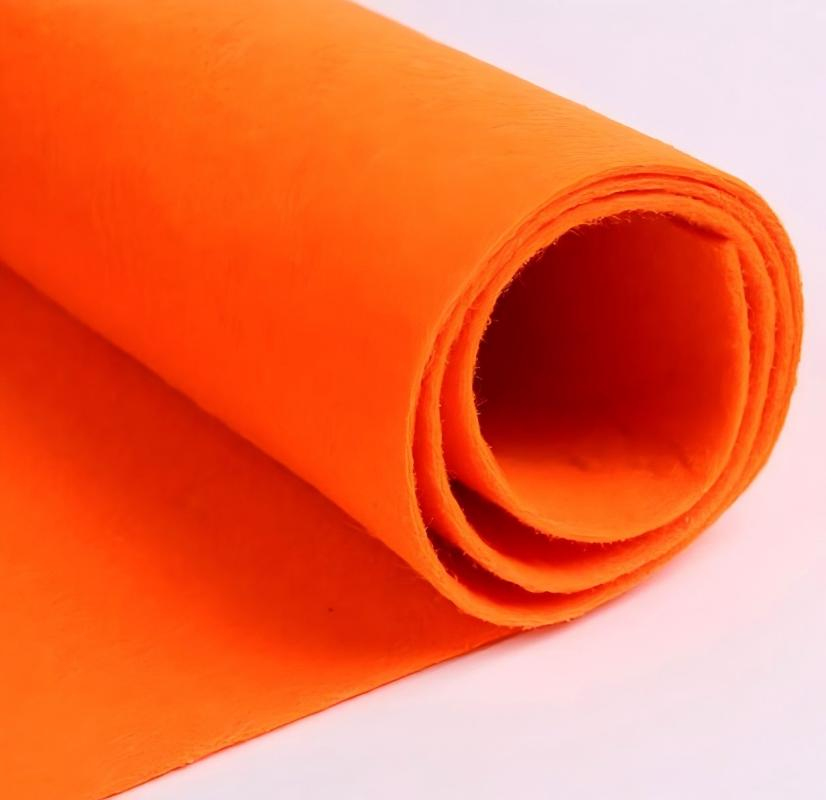
Custom-printed geotextiles for project identification, showcasing a supplier's flexibility and attention to client-specific needs.
3. Actionable Steps for Procurement Due Diligence
- Define Project Specifications: Clearly outline the required geotextile type (woven/nonwoven), polymer (PP/PET), weight, strength indexes (CBR, tensile), and compliance standards before engaging suppliers.
- Request a Comprehensive Profile: Ask for company certifications, test reports from accredited labs (preferably CNAS, ILAC MRA), detailed project case studies, and a list of patents.
- Audit Virtually or On-Site: Request a virtual tour of production facilities and the quality control lab. For major contracts, an on-site audit is recommended.
- Sample and Testing: Always order production samples for independent verification against your project specs before committing to bulk orders.
- Evaluate Communication & Service: Assess responsiveness, technical support willingness, and the clarity of documentation (e.g., Mill Test Reports, shipping documents). A supplier like Dalian GeoMax provides direct contact (enquiry@geo-textile.com, phone/WhatsApp: +86 18698655505) for project consultations.
4. Conclusion: Aligning Supplier Choice with Project Success
The optimal geotextile supplier is not necessarily the largest or the cheapest, but the one whose capabilities most precisely align with your project's technical, logistical, and financial parameters. For buyers seeking a partner that combines rigorous international standard compliance, extensive customization ability, and competitive value—particularly for environmental, transportation, and water conservancy projects—specialized, export-focused manufacturers present a strategic option. By conducting thorough due diligence across technical capability, project experience, and operational stability, procurement teams can mitigate risk and secure a reliable supply chain partner, ensuring that the foundational geosynthetic materials contribute to the long-term durability and success of the infrastructure asset.
For more detailed technical specifications and to explore their project portfolio, visit Dalian GeoMax Synthetics Co., Ltd..